

Traisental Wine Guide
Grapes of Character
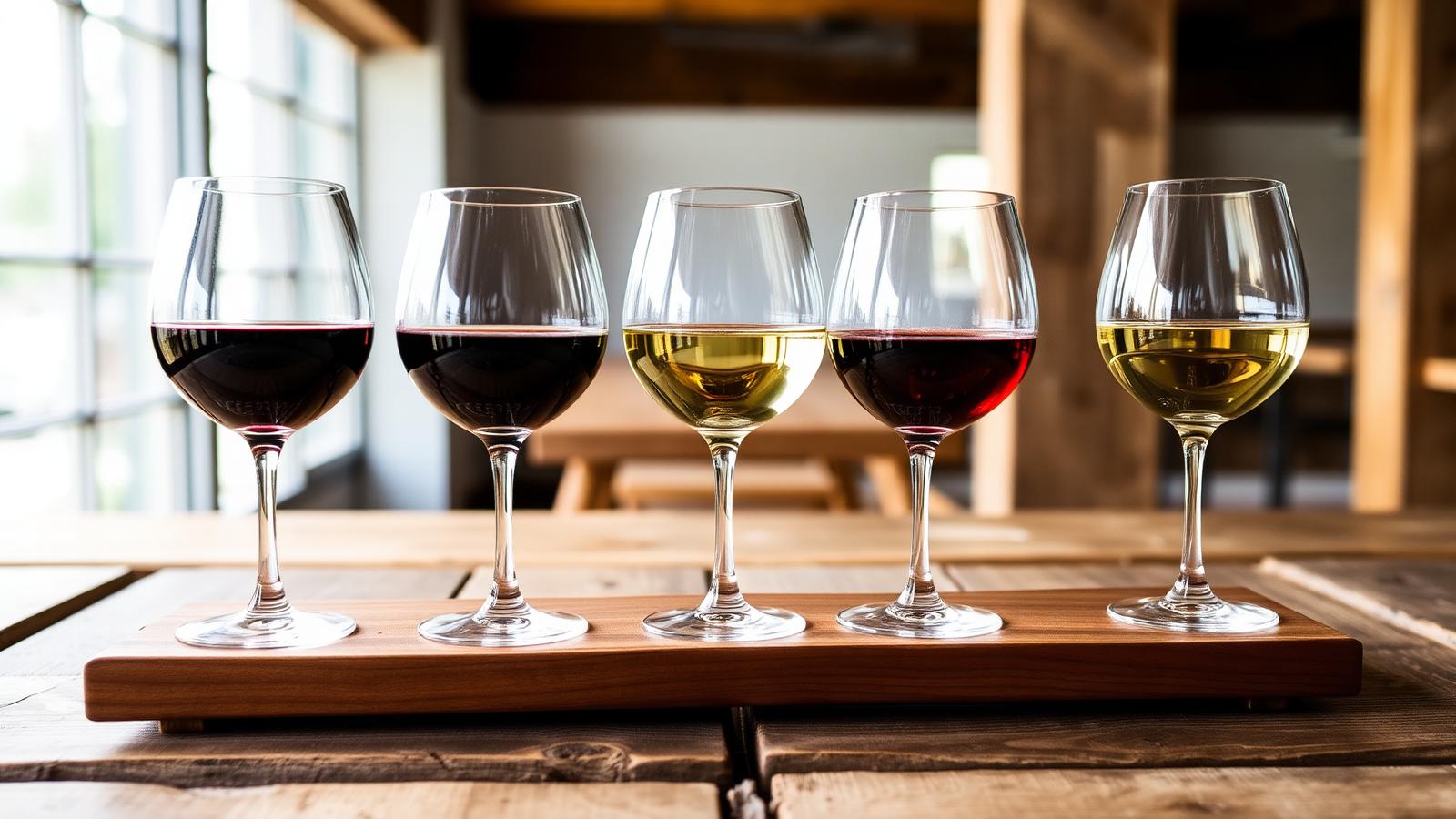
While reigns supreme here, commanding the majority of the hillside plantings, its expression in Traisental is singularly focused and taut. Expect a more peppery, herbal, and mineral-driven profile, often with a remarkable clarity and freshness that sings on the palate. Beyond this star, the Rieslings of Traisental are equally compelling, offering a steely minerality, bright acidity, and often delicate stone fruit notes, matured beautifully by the interplay of warm days and cool nights. These wines are not about opulence, but about precision, a reflection of the landscape’s cool, clear air and ancient soils, designed to tantalize and refresh.
The Soul of the Soil
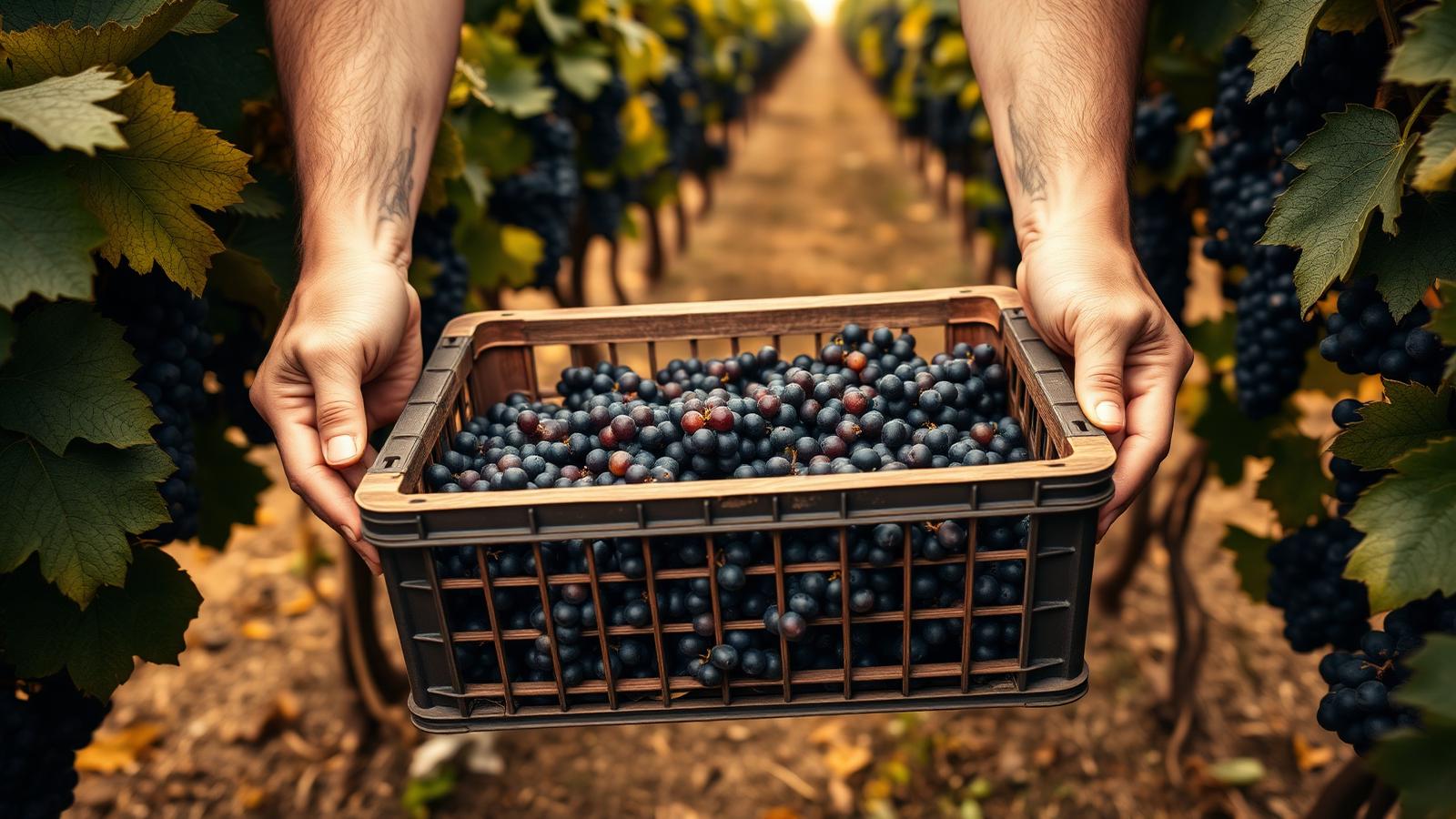
The very soul of Traisental is etched into its geological tapestry. The Traisen river, a vital artery, has for eons deposited gravelly, mineral-rich soils alongside deep layers of loess — a fine, wind-blown sediment. This unique composition provides excellent drainage while retaining just enough moisture, compelling the vines to struggle, to send their roots deep, concentrating flavors within the grapes. This struggle, this conversation between vine and soil, is what imparts the distinctive mineral backbone and a vibrant, peppery spice to the region's most celebrated wines, particularly the ubiquitous and the elegant , giving them a pure and focused character.
Planning a visit to Traisental
Best time to visit Traisental
Late spring and early autumn are the choices — comfortable weather, generous light, and vineyards at their most photogenic. Summer is warmer and livelier, with long evenings and outdoor tables everywhere. Winter is peaceful, cellars are quiet, and there's a real intimacy to visits without the crowds.
Where to base yourself
The main village or town in Traisental is usually the easiest base — it puts you in walking distance of restaurants and daily life, with vineyards a short drive away. Staying in the countryside is quieter and more romantic, but you'll rely more on a car or a driver. Both are valid; pick the mood you want your trip to have.
Getting to Traisental
Most travellers reach Traisental by combining a flight into the nearest major city with a train, bus, or rental car for the last leg. Once you arrive, distances are usually short — many memorable days here involve less driving than you'd expect.
Making the most of a day in Traisental
A good day in Traisental tends to have a shape: a slow morning, a couple of unhurried tasting stops, a proper local lunch, and time in the late afternoon to walk, nap, or take in a view. Try not to over-plan — the best moments usually turn up between the ones you scheduled.
Frequently asked questions
What is the best way to explore Traisental's wine villages?
Traisental is best explored slowly, allowing time for quiet appreciation. Cycling routes wind gently through the vineyards, connecting the charming villages and offering stunning vistas. Many small producers openly invite visitors for tastings, often marked by a "Heuriger" sign or a simple doorbell. Walking between villages is also a delightful way to experience the landscape firsthand, pausing often to admire the views or perhaps discover a hidden stone cross nestled among the vines. The pace here is unhurried, encouraging genuine connection with the land and its people.
What kind of local cuisine should I look for in Traisental?
The cuisine of Traisental is hearty, authentic, and wonderfully complements its fresh, crisp wines. You'll find traditional Austrian dishes with a regional twist. Look for freshwater fish from local rivers, often pan-fried or baked, and served with simple potatoes or seasonal vegetables. hearty fare like a good Goulash, various Schnitzel preparations, and plenty of local specialties made with pork are common. Don't miss the chance to try a traditional "Brettljause" – a cold platter of local meats, cheeses, and spreads – perfect for pairing with the .
When is the ideal time of year to visit Traisental for wine tourism?
For wine enthusiasts, late spring (May-June) or early autumn (September-October) offer the most rewarding experiences. In spring, the vineyards are a vibrant green, with vines bursting into life, and the temperatures are pleasantly mild for exploring. Autumn brings the excitement of harvest, golden foliage, and numerous wine festivals in the villages. Summers can be warm, perfect for enjoying a refreshing glass of local wine by the river, while winter offers a quiet, contemplative beauty, though fewer wine-related activities may be on offer.
Are there opportunities to learn about winemaking directly from producers?
Absolutely. One of Traisental's greatest charms is its intimate scale, allowing for direct encounters with the winemakers. Many smaller, family-run producers are welcoming to visitors. Look for signs indicating a 'Heuriger' – a traditional wine tavern often run by the winemaker themselves – where you can taste their current vintage and often engage in conversation. While not every producer has a formal visitor center, a friendly inquiry often leads to a spontaneous cellar tour and a tasting, offering a deeply personal insight into the craft and passion behind the region's wines.