

Bergland Wineries & Wine Tours
Sub-regions
Signature Sips
While reigns supreme here, expressing itself in a spectrum from light, peppery freshness to rich, concentrated layers of fruit and spice, Bergland also excels with . These Rieslings are often bone-dry, showcasing intense aromatics of stone fruit and a pronounced minerality, reflecting the primary rock soils. Lesser-known indigenous varieties also contribute to the region's tapestry, offering adventurous palates unique expressions of Austrian winemaking. Each bottle embodies the region's commitment to purity and expression of place, with elegant, food-friendly profiles.
The Terroir's Whisper
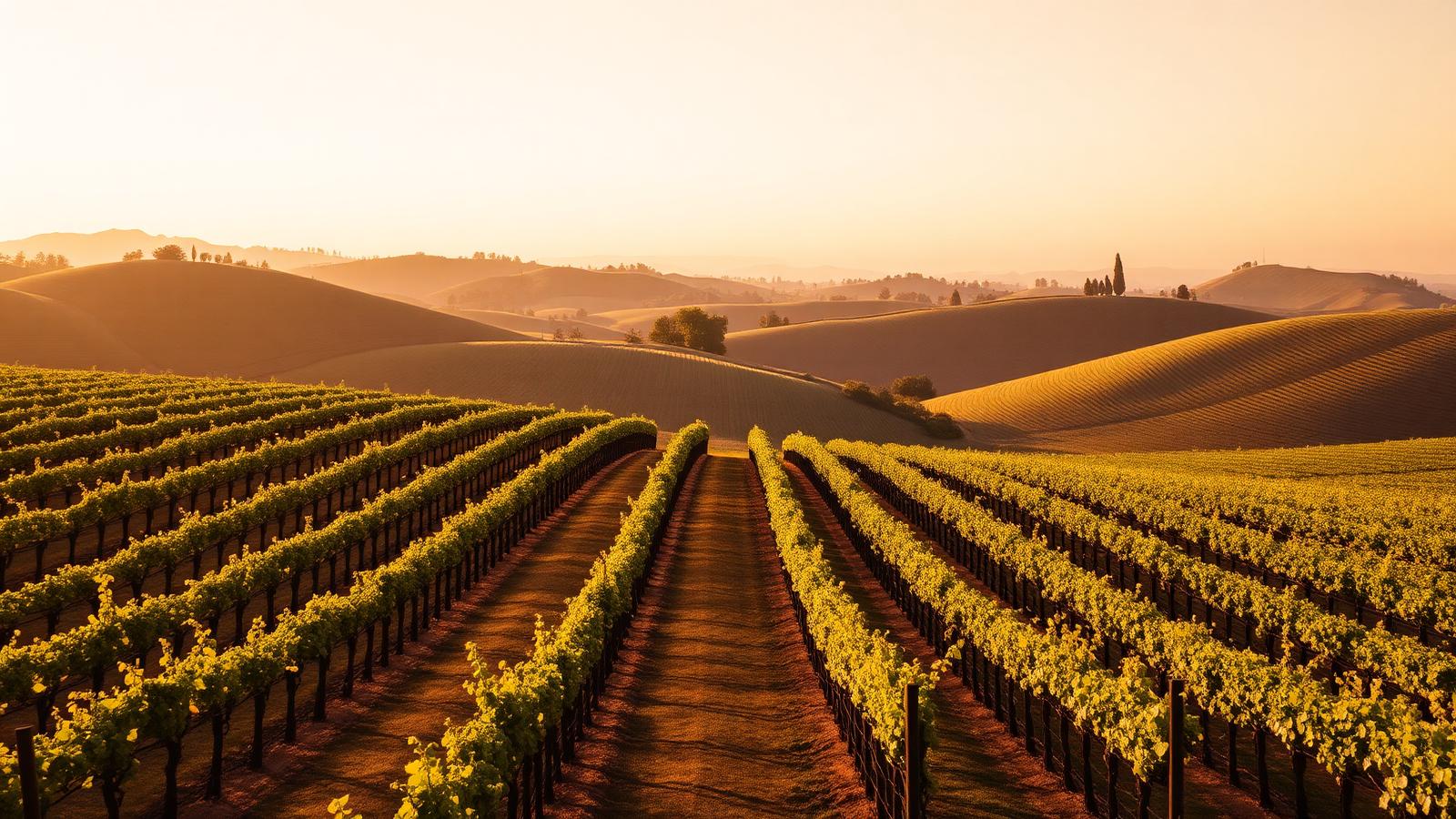
Bergland’s unique character is sculpted by its dramatic geological history. The Danube carves through ancient bedrock, creating steep, south-facing terraces that capture the sun's warmth. Loess and primary rock soils lend a distinct mineral backbone to the wines, while the cool Pannonian winds sweeping in from the east, combined with the moderating influence of the river, ensure a long, slow ripening period. This interplay of elements yields grapes with remarkable aromatic complexity and a vibrant acidity, crafting wines of profound structure and longevity.
Getting to know Bergland
What Bergland tastes like
Wines from Bergland tend to reflect the region's climate and terrain more than any single style. Look for a sense of place in the glass — mineral notes from stony soils, freshness where nights are cool, richer texture where the sun lingers longer. A short flight of local wines is the fastest way to feel the range.
Rhythms of the year
Bergland moves with the seasons. Spring is quiet and green, summer brings long light and full terraces, harvest is intense and communal, and winter turns the vineyards into a stark, beautiful sculpture. Every season is a good reason to come — they just make very different trips.
Beyond the tasting room
Some of the most memorable moments in Bergland happen away from the vines: a bakery in the next village over, a viewpoint at sunrise, a slow lunch that turns into a slow afternoon. Leave room in your itinerary for the things you can't plan.
Frequently asked questions
What is the best time of year to visit Bergland for a wine experience?
The ideal time to visit Bergland for wine exploration is generally from late spring (May-June) through early autumn (September-October). In May and June, the vineyards are lush and green, and the weather is pleasantly mild for walking and cycling. September and October offer the excitement of harvest season, with vibrant activity in the vineyards and cellars, and the opportunity to experience regional wine festivals amidst stunning autumnal scenery. Temperatures are comfortable, perfect for leisurely explorations and outdoor dining.
What kind of clothing should I pack for a trip to Bergland?
Given Bergland's variable climate, especially with the potential for cooler evenings even in warmer months, layering is key. Pack comfortable walking shoes suitable for vineyard paths and village strolls. In spring and autumn, include a light to medium-weight jacket, a sweater, and perhaps a rain-resistant outer layer. For summer, lighter clothing is appropriate, but always bring a cardigan or light jacket for cooler evenings. Don't forget comfortable attire for relaxed evenings at local wine taverns.
Is it easy to navigate Bergland without a car?
While a car offers the most flexibility for exploring Bergland's charming villages and more remote vineyards, it is possible to navigate without one. Public transport, primarily trains and buses, connects the larger towns and some wine-producing villages along the Danube. Many cycle paths are also well-maintained, offering a scenic way to get between areas. Some accommodations or local tour operators may offer shuttle services or guided tours, which can be a convenient option for experiencing the region's wine offerings without driving.
What are some typical culinary experiences I can expect in Bergland?
Bergland's cuisine is hearty and comforting, deeply rooted in local traditions and perfectly complementary to its wines. Expect to find dishes featuring freshwater fish from the Danube, such as zander, often pan-fried or baked. Regional specialties include various dumplings (Knödel), rich stews, and roasted meats, often accompanied by seasonal vegetables. Local bakeries offer delicious pastries and cakes. Many wine taverns (Heuriger or Buschenschank) serve platters of locally cured meats, cheeses, and spreads, providing an authentic and informal dining experience right in the vineyards.