

Salzburg Wine Guide
A Day Among the Vines
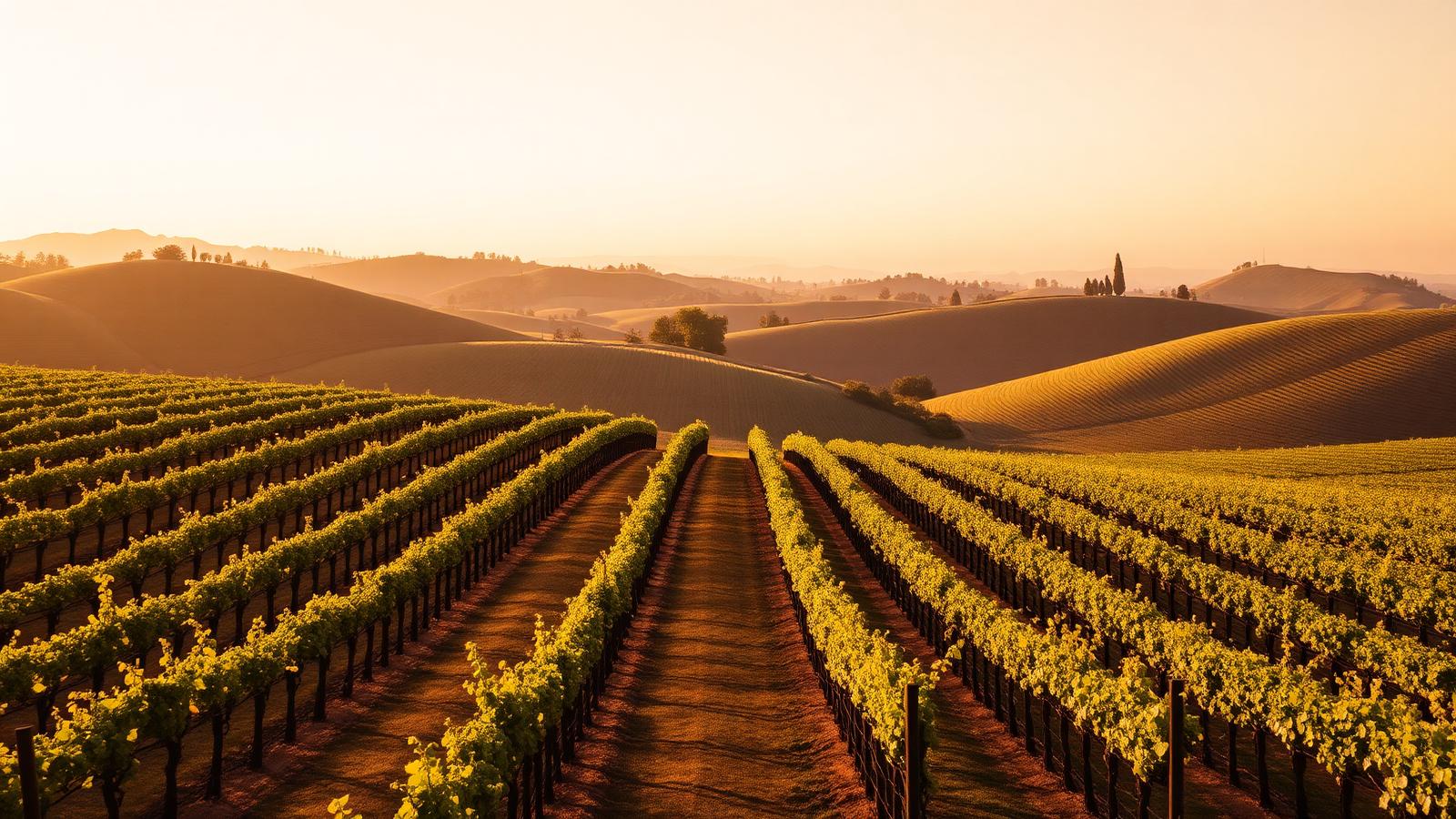
A slow day in Salzburg begins with the mist lifting from the valleys, revealing emerald hills and the distant white peaks. The light here is crystalline, illuminating the tender leaves of the vines. You might wander quiet paths between rows, the only sound the rustle of leaves or a distant church bell. Later, a leisurely lunch at a guesthouse might feature locally sourced ingredients, enjoyed with a glass of the region’s white wine, its freshness echoing the mountain air. Evenings are for quiet reflection, perhaps a stroll through a charming village, ending with a simple, delicious meal accompanied by a regional wine, its story unfolding subtly with each sip, a perfect close to a day immersed in Salzburg's gentle beauty.
Alpine Terroir & Varietals
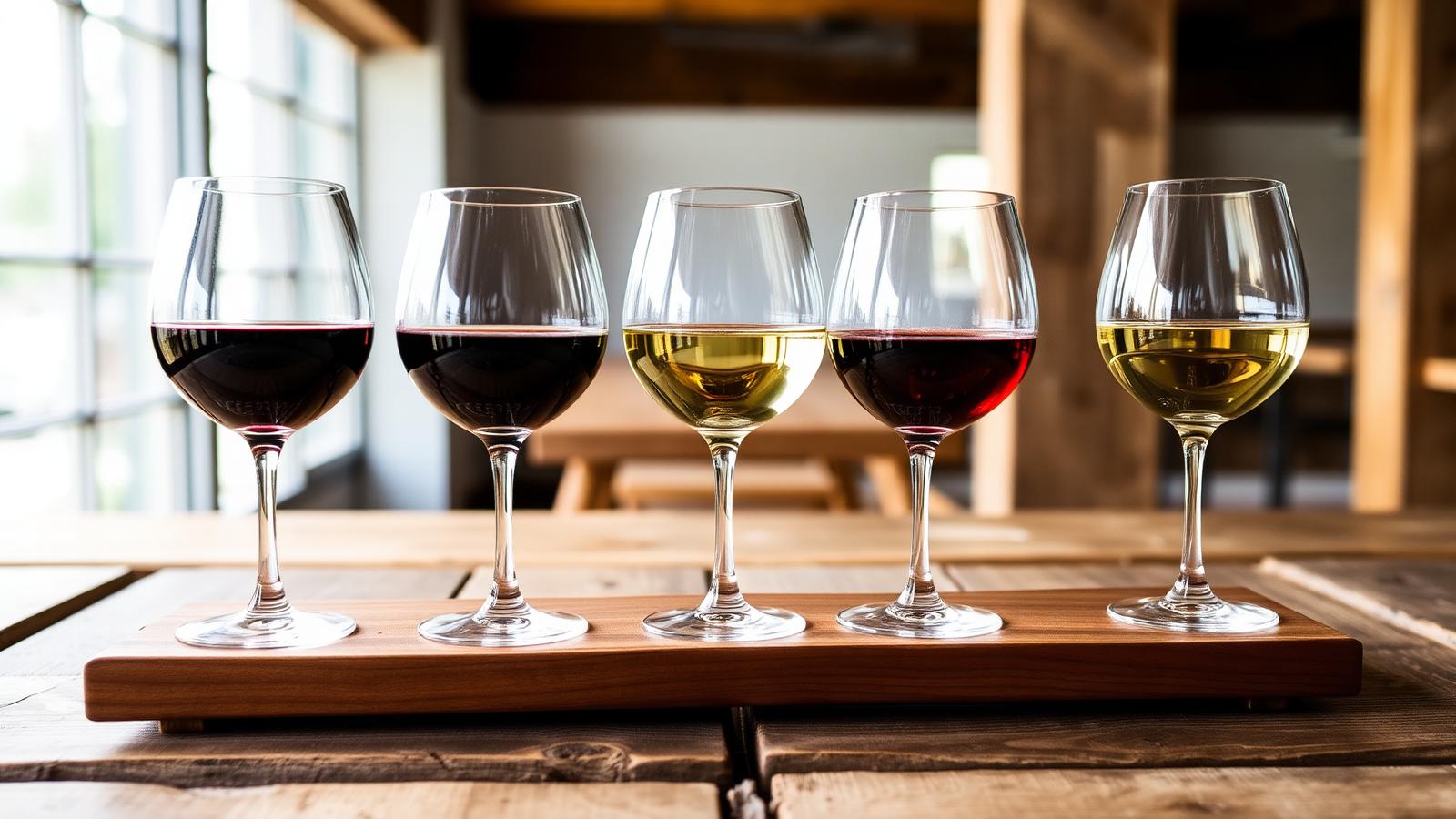
Salzburg’s vineyards, often perched on south-facing slopes, benefit from a unique microclimate. The soils, a mosaic of gravel, loam, and the mineral-rich remnants of ancient glaciers, lend a distinct character to the wines. Though not a large-scale wine region, careful cultivation yields charming expressions of specific varietals. finds a refreshing home here, presenting bright fruit and a gentle acidity. , while less common than in other Austrian regions, can surprise with its herbaceous notes and a crisp, clean finish. For those seeking something truly local, regional specialties offer a taste of this distinct alpine territory, reflecting the cool climate and clear mountain light in their elegant structure.
Village Life & Culinary Pairings
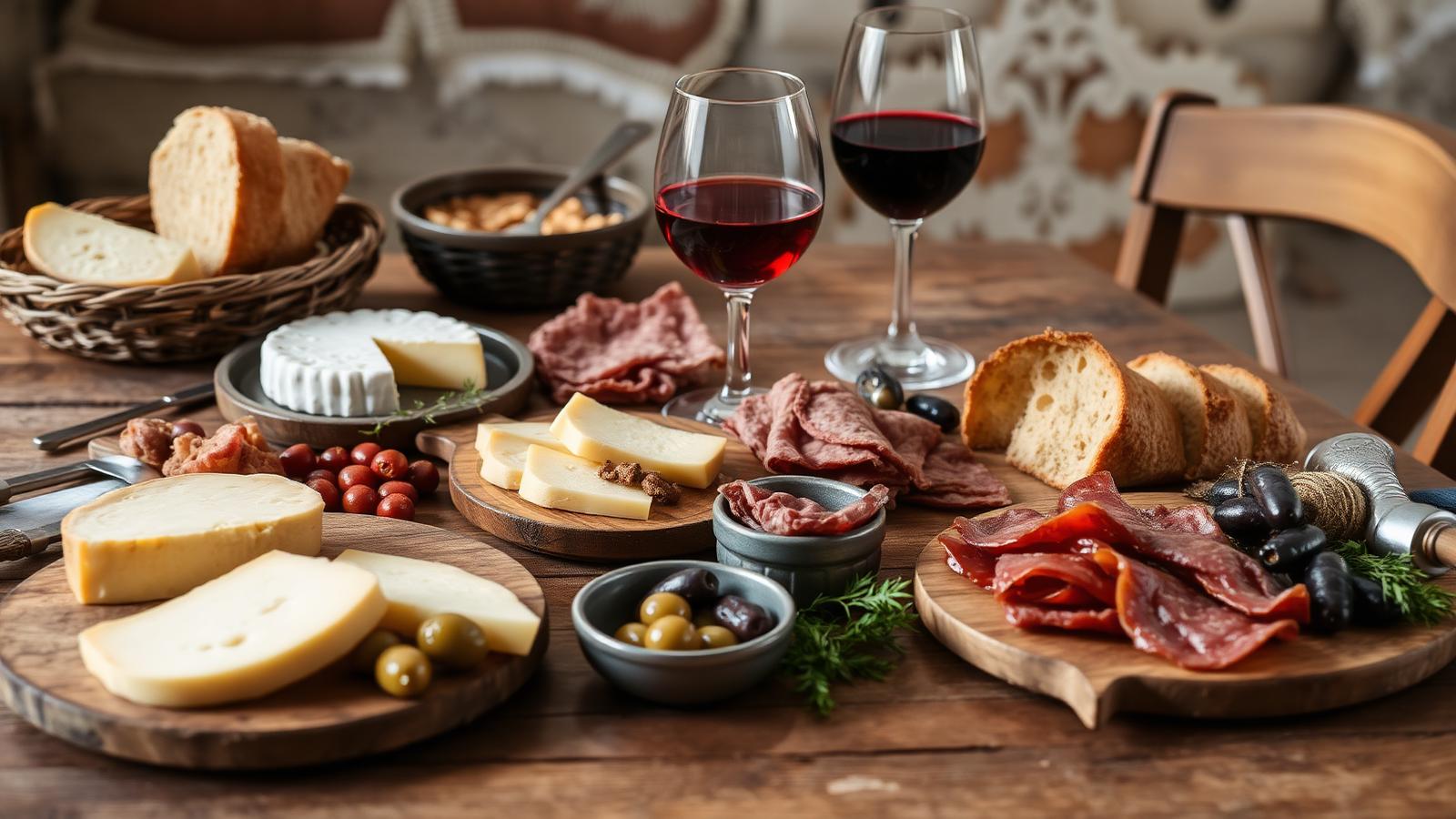
The villages of Salzburg are storybook settings, their charming architecture and flower-filled balconies inviting leisurely contemplation. Life unfolds at a gentle pace, often centered around the daily rhythm of seasonal produce and traditional cooking. These wines are not meant for grand pronouncements but for intimate moments. Imagine a delicate , its slight spritz and apricot notes, accompanying a Salzburger Nockerl or a plate of regional cheeses and cured meats. A crisp might perfectly cut through the richness of a Wiener Schnitzel, while heartier pours from unexpected grapes complement hearty stews and game. Food and wine are inextricably linked here, each enhancing the other in a tradition of convivial gathering.
Planning a visit to Salzburg
Best time to visit Salzburg
Late spring and early autumn are the choices — comfortable weather, generous light, and vineyards at their most photogenic. Summer is warmer and livelier, with long evenings and outdoor tables everywhere. Winter is peaceful, cellars are quiet, and there's a real intimacy to visits without the crowds.
Where to base yourself
The main village or town in Salzburg is usually the easiest base — it puts you in walking distance of restaurants and daily life, with vineyards a short drive away. Staying in the countryside is quieter and more romantic, but you'll rely more on a car or a driver. Both are valid; pick the mood you want your trip to have.
Getting to Salzburg
Most travellers reach Salzburg by combining a flight into the nearest major city with a train, bus, or rental car for the last leg. Once you arrive, distances are usually short — many memorable days here involve less driving than you'd expect.
Making the most of a day in Salzburg
A good day in Salzburg tends to have a shape: a slow morning, a couple of unhurried tasting stops, a proper local lunch, and time in the late afternoon to walk, nap, or take in a view. Try not to over-plan — the best moments usually turn up between the ones you scheduled.
Frequently asked questions
What is the best time of year to visit Salzburg for a wine-focused trip?
While Salzburg is beautiful year-round, for a focus on its emerging wine identity, late spring (May-June) or early autumn (September-October) are ideal. In spring, the vineyards burst into life, offering a vibrant green landscape and pleasant temperatures for exploring. Autumn brings the harvest season (Vintag), a time of activity and celebration, often accompanied by mild, sunny days perfect for walking the vine-covered slopes and sampling the newest vintage. Many smaller establishments have more flexible hours during these shoulder seasons, allowing for a more intimate experience.
Given it's not a primary wine region, how should I plan to discover Salzburg's wines?
Salzburg’s wine scene is best explored with a sense of quiet discovery. Unlike larger regions, you won't find sprawling wine routes with dozens of prominent estates. Instead, focus on local taverns, guesthouses, and regional restaurants that pride themselves on offering local specialties. Inquire about the 'Hauswein' or ask for recommendations for regional Austrian white wines, often from nearby micro-producers. Some smaller, family-run estates may offer tastings by appointment, so a little advance research or asking at your accommodation can yield wonderful, off-the-beaten-path experiences. Embrace the intimate scale of the discovery.
What local dishes are traditionally paired with Salzburg's regional wines?
Salzburg's cuisine is hearty and comforting, perfectly complementing its fresh, often crisp white wines. Alongside a light or , consider trying the famously fluffy Salzburger Nockerl, though savoury dishes are more common pairings. Look for regional cheeses, cured hams and sausages, or locally caught fish like lake trout (Seesaibling). Austrian dishes such as Wiener Schnitzel benefit from the acidity of a crisp white, while richer local stews or game dishes might find a match with an earthier, less common local red, if available. Don't shy away from traditional 'Brettljausen' (snack platters) – they are perfect with the local pours.
Are there any specific wine-related events or markets in Salzburg?
While Salzburg isn't dominated by wine festivals in the same way as designated wine regions, you may find smaller, seasonal events. During harvest time in late September or early October, keep an eye out for local village festivals or 'Weinlesefeste' that celebrate the grape harvest. Farmers' markets in Salzburg and surrounding towns often feature local producers, and you might discover regional wines or grape products there. For a true sense of local wine culture, visiting during Advent can also be rewarding, as Christmas markets sometimes feature warming Glühwein made from regional grapes, along with other traditional fare.