

Wineries & Wine Tours in Bulgaria
Regions
Drifting over the ancient lands of Bulgaria, one discovers a wine story woven through millennia, a narrative whispered by Thracian kings and Roman legions. This is a country where the vine is not merely cultivated but cherished, deeply embedded in the soil and soul of the nation. From the Black Sea's sun-drenched coast to the rugged embrace of the Balkan Mountains, diverse climates nurture a fascinating array of grapes, both familiar and uniquely Bulgarian, each telling a tale of resilience and richness.
Imagine horizons painted in hues of crimson and gold, where vineyards climb gentle hillsides, responding to the Balkan sun and the cool breath of mountain winds. Here, the rhythm of life slows to the pace of the seasons, mirroring the patient transformation of grape to wine. It’s a journey into a landscape where tradition holds sway, yet innovation gently nudges, creating wines that speak of both untamed spirit and refined elegance.
Bulgaria invites you to shed the hurried pace of modern life and immerse yourself in an experience that awakens all senses. It's an opportunity to taste history in a glass of Mavrud, feel the earth's pulse beneath your feet in a Melnik vineyard, and savor the profound connection between land, people, and the noble grape. This is not just a destination; it's an unfolding story waiting for you to become a part of its next chapter.
A Culinary Embrace
Bulgarian gastronomy is a delightful companion to its wines, rooted in fresh, seasonal ingredients and time-honored recipes. Imagine a leisurely afternoon, savoring a vibrant Shopska salad, its fresh tomatoes, cucumbers, and peppers crowned with salty sirene cheese, perfectly complemented by a crisp Glass of Misket or Keratsuda. Slow-cooked lamb dishes, hearty stews, and grilled meats find their ideal partner in a glass of full-bodied Mavrud or a nuanced Rubin. The culinary landscape here is unpretentious yet profoundly flavorful, encouraging long, convivial meals where food and wine intertwine to create memorable moments of cultural immersion and shared delight.
Diverse Terroirs, Unique Grapes
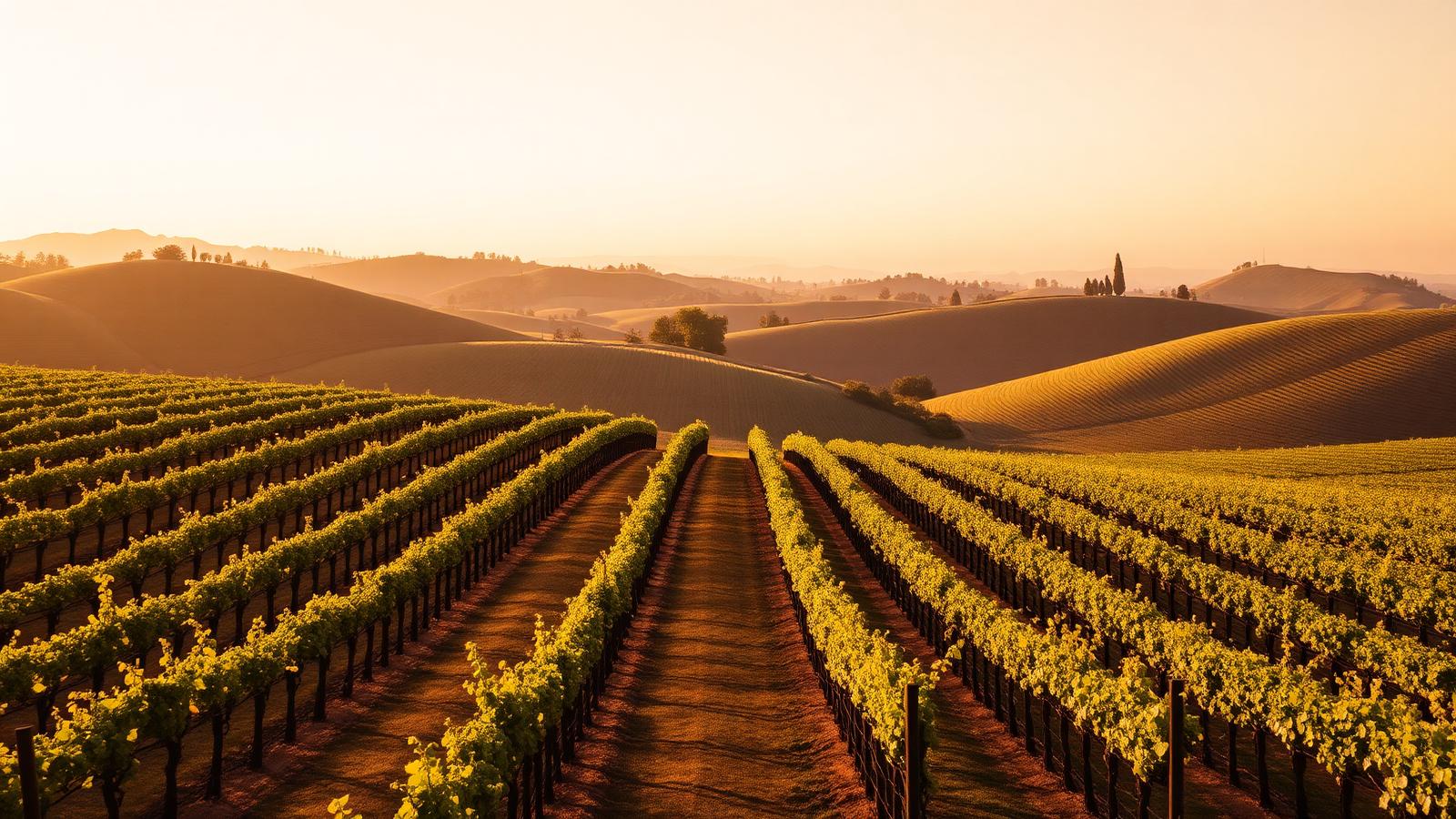
Bulgaria’s winemaking heart beats strong across its distinct wine regions. In the North, the Danube Plain offers fertile ground and continental warmth, perfect for robust reds and aromatic whites. Journey south of the Balkan Mountains to the Thracian Valley, and you enter a realm of sunshine and ancient soils, the proud home of Mavrud – a grape that yields wines of deep color, rich tannins, and a captivating spice. Further west, around Melnik, you encounter the rare Broad-Leaved Melnik, producing elegant, age-worthy reds with a characteristic earthy charm. Each region, shaped by mountain ranges, rivers, and the Black Sea, contributes its distinct nuance to the country’s diverse wine tapestry, inviting exploration of truly indigenous expressions.
What makes a trip here special
A landscape shaped by the vine
Vineyards in Bulgaria follow the geography — rivers, ridgelines, coastlines, and altitude all leave their fingerprints on the wine. Driving between regions is often as memorable as the tastings themselves.
Food that grew up next to the wine
The best pairings for Bulgaria's wines are almost always the dishes that grew up alongside them. Local markets, family-run restaurants, and roadside stops turn a wine trip into a full sensory tour of the country.
A calendar worth planning around
Harvest, pruning, spring flowering, and long lazy summers each give Bulgaria's wine regions a completely different mood. Choosing when you visit is almost as important as choosing where.
Frequently asked questions
What is the best time of year to visit Bulgaria for wine touring?
The shoulder seasons, late spring (May-June) and early autumn (September-October), are often ideal for a Bulgarian wine tour. In spring, the vineyards are lush and green, and the weather is pleasantly warm, perfect for exploring. Early autumn provides the exciting atmosphere of harvest, with vibrant activity in the cellars and favorable temperatures for outdoor experiences. Summer can be quite warm, especially in the Thracian Valley, while winter offers a quiet charm for those interested in tasting tours and cozy cellar visits, though fewer vineyard activities may be available.
Do I need to book wine experiences in advance?
While spontaneity can be part of the travel experience, booking wine tastings and tours in advance is highly recommended, especially if you wish to visit specific places or travel during peak season. Some smaller cellars operate on an appointment-only basis. A little planning ensures availability, allows for personalized experiences, and helps secure guides if needed. It also gives you leverage to communicate any dietary preferences or specific interests you might have, making your visit more enriching and tailored to your tastes.
What kind of transportation is best for exploring Bulgaria's wine regions?
For independent exploration of Bulgaria's wine regions, renting a car offers the most flexibility. This allows you to set your own pace, venture off the main routes, and discover hidden gems. Ensure you are comfortable driving on varied road conditions. Alternatively, hiring a private driver for a day or engaging with specialized wine tour operators provides a stress-free experience, allowing you to fully enjoy tastings without the concern of driving. Public transport can be limited in more rural wine-growing areas, making it less convenient for comprehensive vineyard hopping.
Is English widely spoken in Bulgarian wine regions?
While Bulgarian is the official language, you will generally find that English is spoken by staff in larger, more established wine establishments, especially those accustomed to international visitors. In smaller, family-run cellars or more rural settings, English might be less prevalent, though a warm welcome is always assured. Learning a few basic Bulgarian phrases, such as greetings and 'thank you,' will be appreciated. Many tour operators provide guides who are fluent in English, bridging any language gaps and enriching your understanding of the local wine culture and traditions.