

Thracian Lowland (South) Wineries & Wine Tours
Sub-regions
A Culinary Embrace
The culinary traditions of the Thracian Lowland are deeply intertwined with its wines, focusing on fresh, seasonal ingredients that reflect the fertile land. Meaty stews, slow-cooked to perfection, often feature alongside grilled lamb or pork, seasoned with local herbs and paprika. Fresh salads bursting with ripe tomatoes, cucumbers, and creamy sirene cheese provide a refreshing counterpoint, while traditional bread, still warm from the oven, is a staple. Every meal here is an unhurried affair, a celebration of bounty that perfectly complements the characterful wines, creating memorable moments around the table.
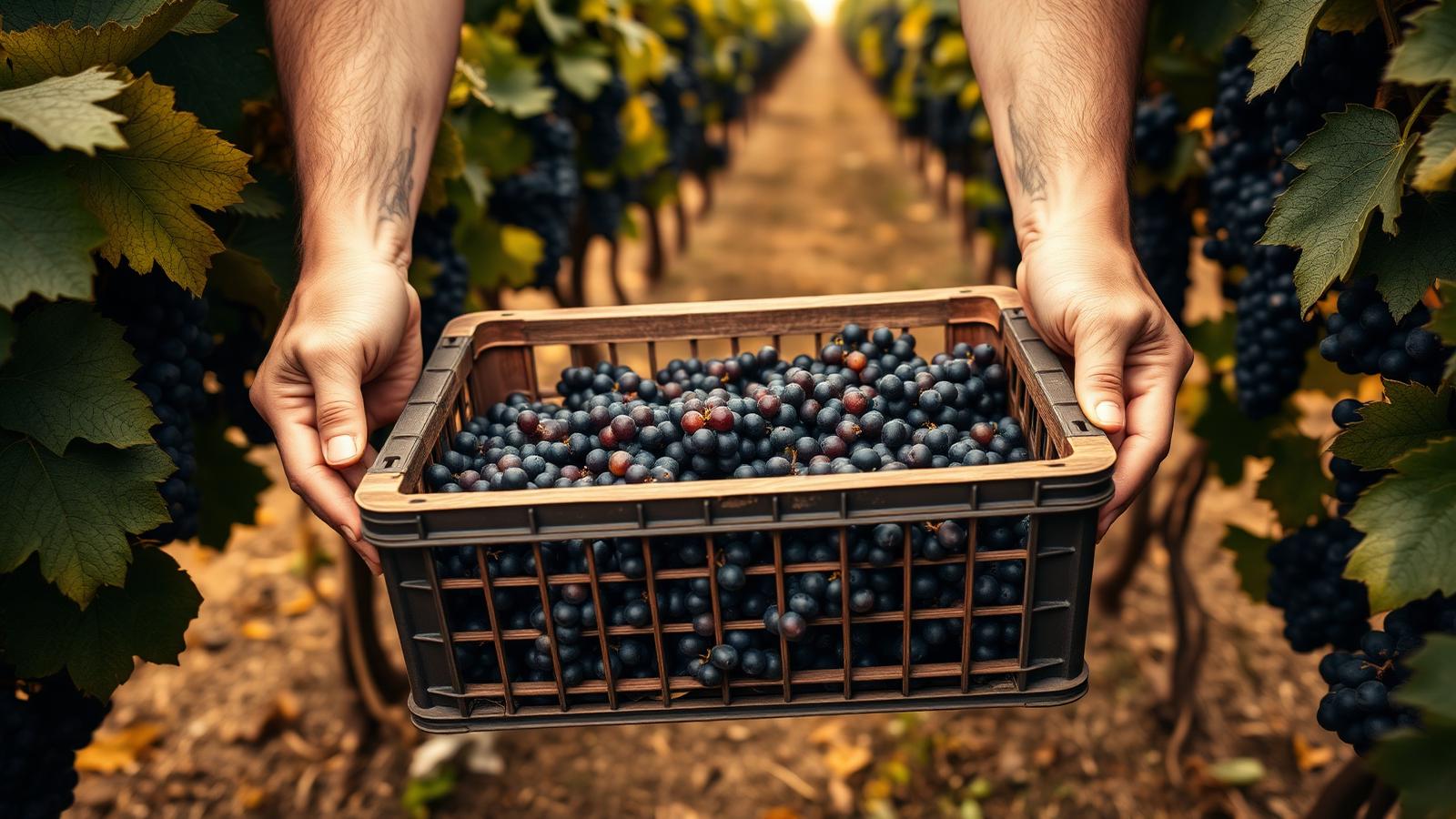
Indigenous Grape Treasures
This region is particularly celebrated for its indigenous treasures, most notably Mavrud. This ancient red grape yields wines of deep color, robust tannins, and a captivating medley of dark fruit, spice, and often a distinctive herbal note that speaks of the Bulgarian earth. Rubin, a cross between and , offers a softer, more aromatic interpretation with notes of cherry and plum. Beyond these, international varieties also find a happy home, yet it is the native grapes that truly capture the soul of the Thracian Lowland, offering a taste of history and unique not found anywhere else.
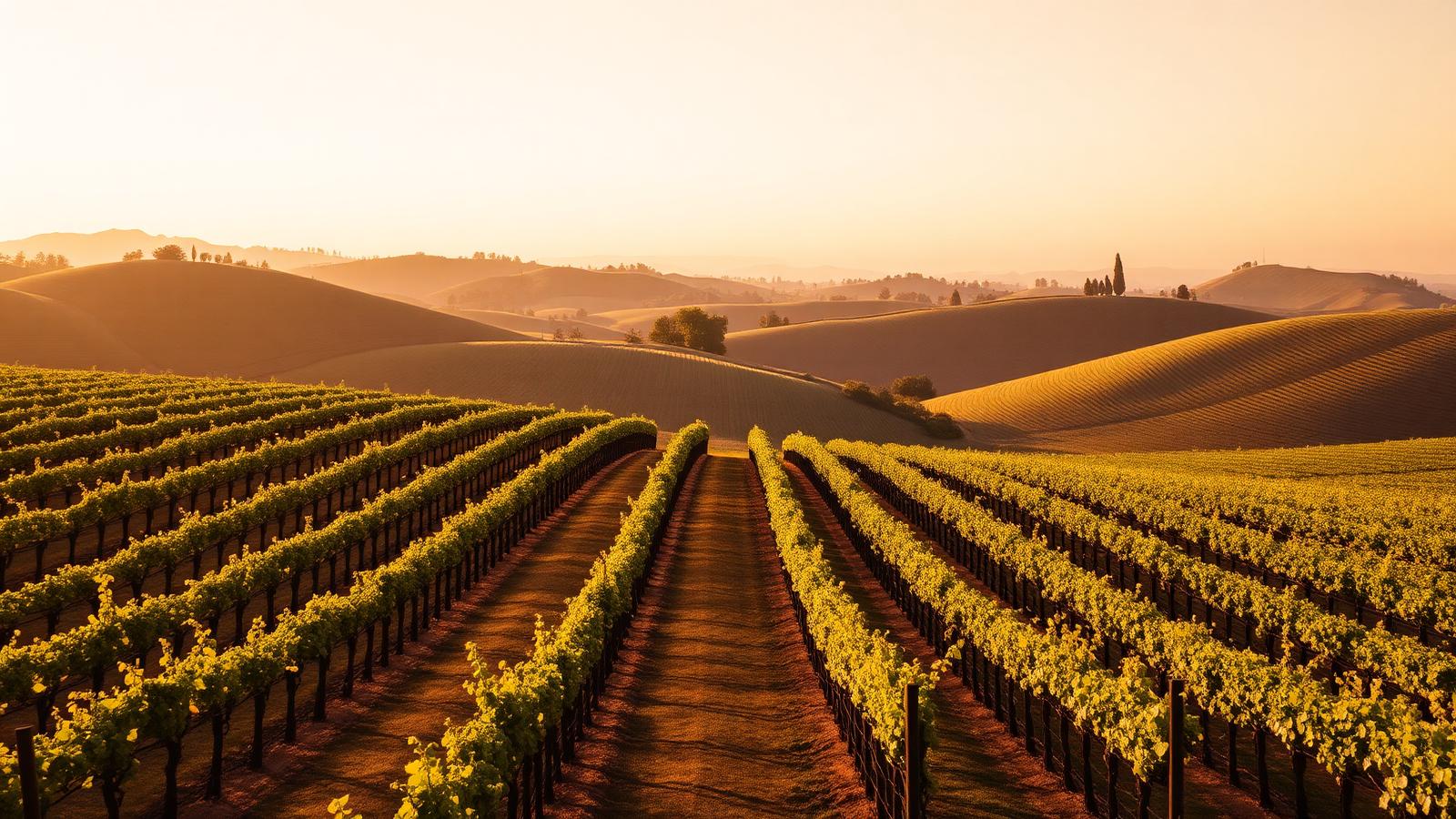
The Sun-Drenched Terroir
The Thracian Lowland benefits from a distinct continental climate, where abundant sunshine ripens grapes to perfection, while the Balkan and Rhodope mountains offer a protective shield. This unique microclimate, combined with diverse soils ranging from sandy loams to alluvial deposits, creates an ideal environment for vines to thrive. The Maritsa River, a vital artery, modulates temperatures and nourishes the land, allowing grapes to develop complex aromatic profiles and balanced structures. It's a land where the elements conspire to produce wines of remarkable depth and character, expressing the very essence of their birthplace with every vintage.
Getting to know Thracian Lowland (South)
What Thracian Lowland (South) tastes like
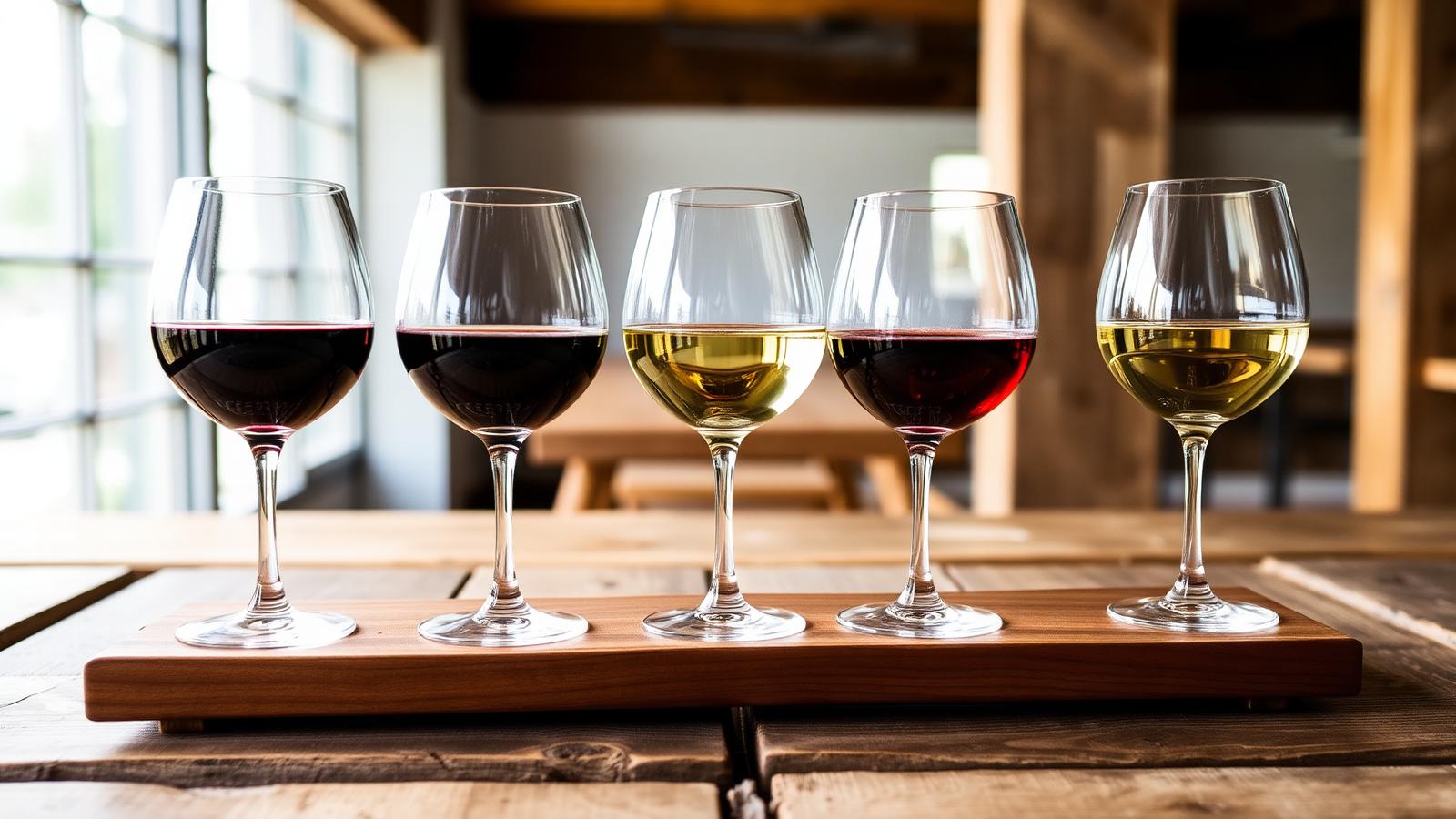
Wines from Thracian Lowland (South) tend to reflect the region's climate and terrain more than any single style. Look for a sense of place in the glass — mineral notes from stony soils, freshness where nights are cool, richer texture where the sun lingers longer. A short flight of local wines is the fastest way to feel the range.
Rhythms of the year
Thracian Lowland (South) moves with the seasons. Spring is quiet and green, summer brings long light and full terraces, harvest is intense and communal, and winter turns the vineyards into a stark, beautiful sculpture. Every season is a good reason to come — they just make very different trips.
Beyond the tasting room
Some of the most memorable moments in Thracian Lowland (South) happen away from the vines: a bakery in the next village over, a viewpoint at sunrise, a slow lunch that turns into a slow afternoon. Leave room in your itinerary for the things you can't plan.
Frequently asked questions
When is the best time of year to visit the Thracian Lowland for a wine tour?
The ideal time to explore the Thracian Lowland for wine experiences is during the late spring (May-June) or early autumn (September-October). In spring, the vineyards burst with fresh green growth, and the weather is pleasantly mild, perfect for gentle exploration. Autumn brings the excitement of harvest, vibrant colors, and slightly cooler, crisp air, offering a truly immersive experience in the winemaking cycle. Summer can be quite hot, though refreshing for some, while winter is quieter, with many establishments operating on reduced hours.
What kind of transportation options are available for navigating the Thracian Lowland wine region?
While public transport exists between major towns, exploring the scattered vineyards and villages is best done with a private vehicle. Renting a car offers the most flexibility, allowing you to discover hidden gems at your own pace. Alternatively, consider hiring a local driver or joining a small group tour that includes transportation and guided visits. This allows you to fully enjoy tastings without the worry of navigating after indulging. Some accommodations may also offer shuttle services or assistance with arranging transport for local excursions.
Are tastings generally pre-booked, or can I drop in at most places?
While some larger, more established places may accommodate walk-ins, it is highly recommended to pre-book your tastings, especially for smaller or family-run establishments, and during peak season. This ensures a personalized experience, as many places have limited capacity and appreciate advance notice to prepare for your arrival. A simple email or phone call a few days ahead can secure your spot and often allows for a more in-depth and unhurried tasting experience, sometimes even with the winemaker themselves.
What types of accommodation can I expect in the Thracian Lowland wine region?
Accommodation options in the Thracian Lowland range from charming guesthouses and boutique hotels in quaint villages to agritourism stays nestled directly within vineyards. You might find beautifully restored traditional houses offering a glimpse into local life, or modern, comfortable hotels in larger towns like Plovdiv, which serves as a great base for exploring the region. Many places emphasize local hospitality and often feature traditional cuisine, providing an authentic and immersive experience for travelers seeking a slower pace and connection to the land.