

Thracian Valley Wine Guide
Wineries in Thracian Valley
View all 8 wineries →Village Life & Vineyards
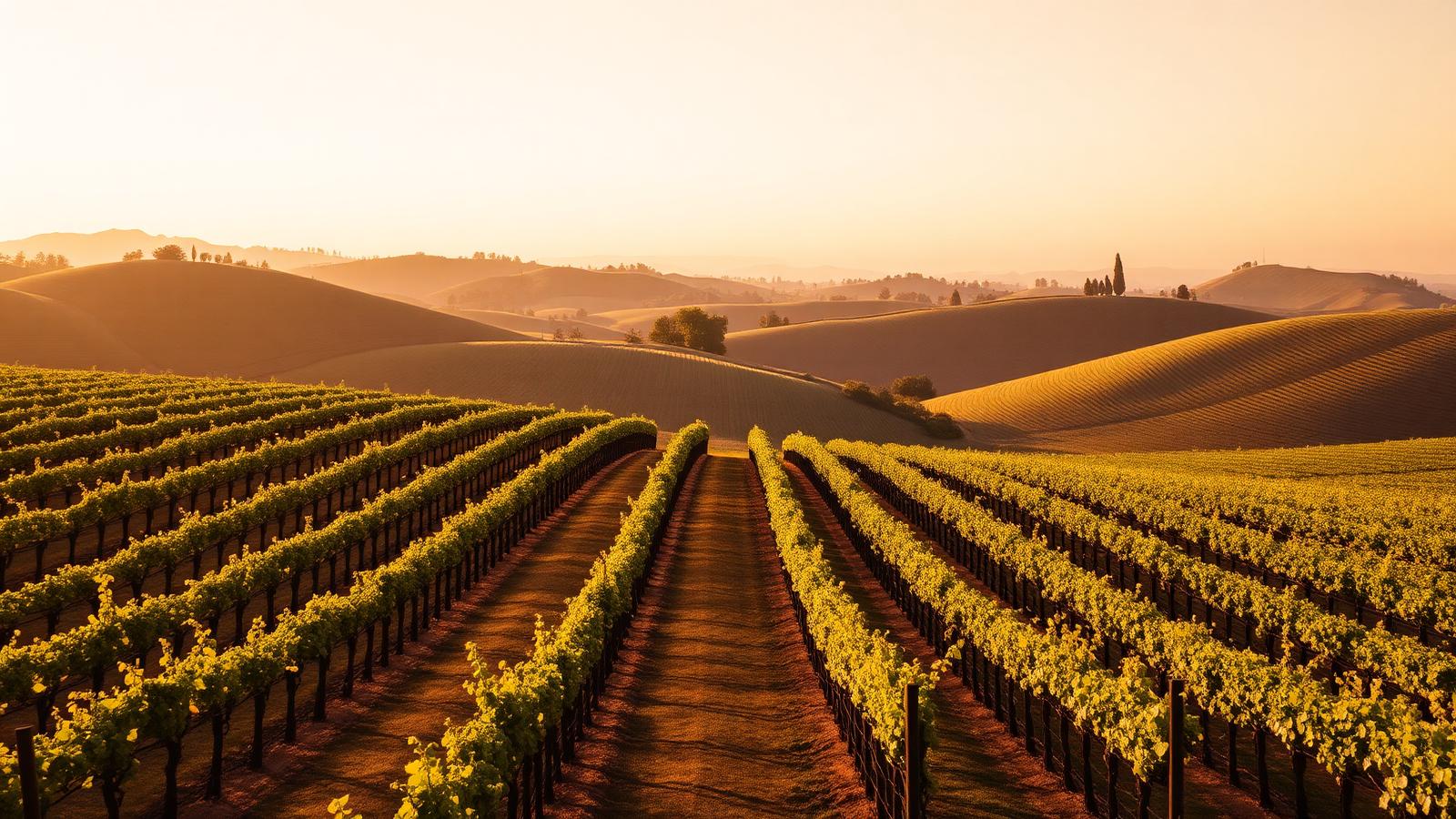
Life in the Thracian Valley's villages unfurls amidst a timeless landscape of rolling hills punctuated by the neat geometry of vineyards. The architecture often reflects centuries of tradition, with homes and courtyards designed for warmth and community. A slow day here might involve the gentle hum of vineyard activity, the distant call of a shepherd, or the clatter of a meal being prepared in a shaded courtyard. The countryside is dotted with small, family-run establishments, their cellar doors often open, inviting visitors to experience the fruits of their labor. The rhythm is unhurried, reflecting the generations who have worked these lands, tending to the vines with a deep respect for nature's bounty.
The Soul of the Soil
The Thracian Valley's diverse soils are a mosaic of clay, limestone, and alluvial deposits, each contributing distinct nuances to the grapes. This geological tapestry, combined with the region's generous sun exposure and temperate continental climate, creates an ideal environment for varieties that thrive on warmth and gradual ripening. From the deep, dark soils where ancient Mavrud vines delve for sustenance, producing wines of structure and longevity, to the lighter, more sandy patches that tease out the aromatic finesse of local white grapes, the land here is a silent, powerful sculptor of flavor. This intricate interplay between earth and sky defines the character of the wines, giving them an unmistakable sense of place and heritage.
Planning a visit to Thracian Valley
Best time to visit Thracian Valley
Late spring and early autumn are the choices — comfortable weather, generous light, and vineyards at their most photogenic. Summer is warmer and livelier, with long evenings and outdoor tables everywhere. Winter is peaceful, cellars are quiet, and there's a real intimacy to visits without the crowds.
Where to base yourself
The main village or town in Thracian Valley is usually the easiest base — it puts you in walking distance of restaurants and daily life, with vineyards a short drive away. Staying in the countryside is quieter and more romantic, but you'll rely more on a car or a driver. Both are valid; pick the mood you want your trip to have.
Getting to Thracian Valley
Most travellers reach Thracian Valley by combining a flight into the nearest major city with a train, bus, or rental car for the last leg. Once you arrive, distances are usually short — many memorable days here involve less driving than you'd expect.
Making the most of a day in Thracian Valley
A good day in Thracian Valley tends to have a shape: a slow morning, a couple of unhurried tasting stops, a proper local lunch, and time in the late afternoon to walk, nap, or take in a view. Try not to over-plan — the best moments usually turn up between the ones you scheduled.
Frequently asked questions
What is the best time of year to visit the Thracian Valley for wine tourism?
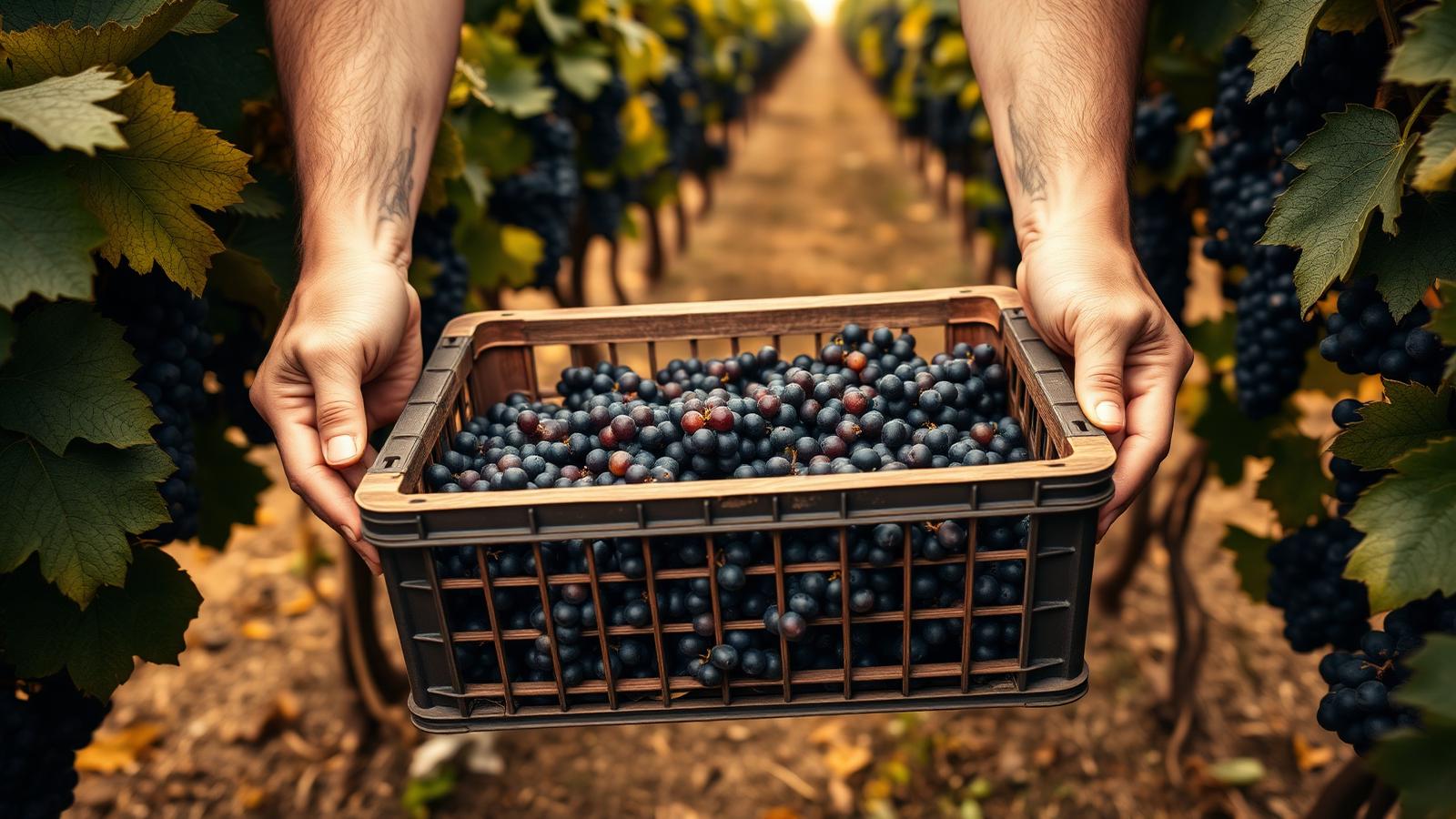
The ideal time to explore the Thracian Valley for wine is generally from late spring (May-June) through early autumn (September-October). In spring, the vineyards are vibrant with new growth and the weather is pleasantly mild, perfect for gentle strolls and outdoor dining. Autumn, particularly September, brings the magic of the harvest season, offering a chance to witness the grape-picking process and participate in local festivals. The weather remains agreeable, and the landscape is adorned with beautiful changing foliage, providing a truly picturesque backdrop for your wine journey.
Are English and other languages commonly spoken in the Thracian Valley wine region?
While Bulgarian is the primary language, you'll find that English is increasingly spoken, especially in establishments catering to tourists, such as the more established rooms and larger hotels. In smaller, more traditional villages or family-run operations, communication might require a bit more effort, but warmth and hospitality often transcend language barriers. Learning a few basic Bulgarian phrases can be very helpful and appreciated, and many hosts are keen to share their culture, a smile and gestures often go a long way in connecting with locals.
What transportation options are available for exploring the Thracian Valley?
To truly immerse yourself in the Thracian Valley, renting a car is highly recommended. This provides the flexibility to navigate between the scattered vineyards, charming villages, and historical sites at your own pace. Taxis can be arranged from larger towns, but they might be less frequent or more expensive for extensive tours. Some specialized tour operators offer guided excursions, which can be a convenient option if you prefer not to drive yourself, allowing you to relax and fully enjoy the region's offerings without worrying about navigation or designated drivers.
What local customs or etiquette should I be aware of when visiting wineries or villages?
When visiting local establishments or villages, a warm and polite demeanor is always appreciated. It's customary to greet people, and a simple 'Dobar den' (Good day) or 'Blagodarya' (Thank you) can go a long way. When tasting wines, it's generally good etiquette to offer a compliment to the host if you enjoy their wine. While casual dress is usually fine during the day, a slightly more polished attire for evening meals or formal tastings is appropriate. Remember that hospitality is deeply ingrained in the culture, so embrace the warmth and generosity extended to you.