

Canadian Rockies Wine Guide
The Rhythm of the Day
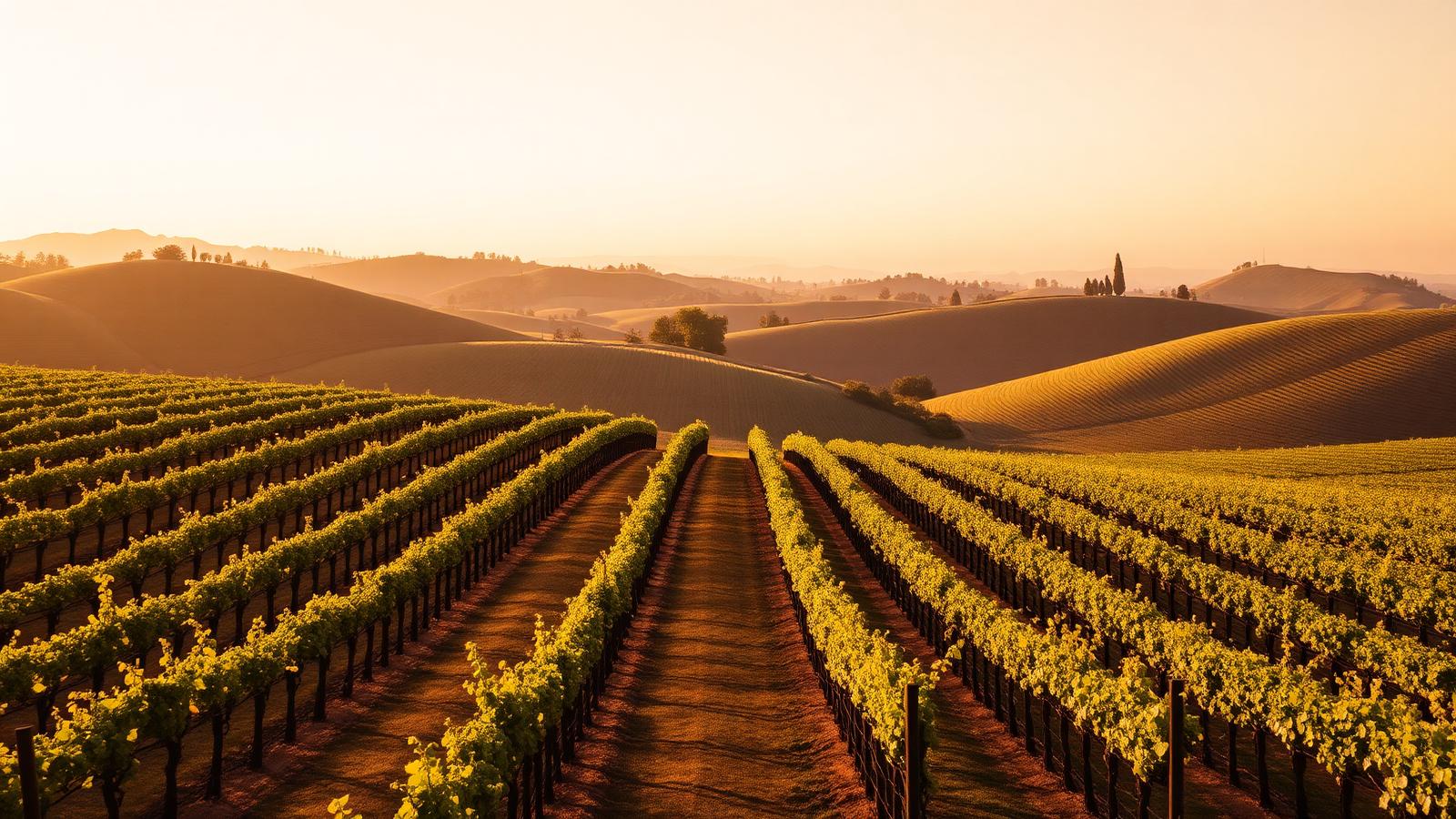
A day here unfolds with the unhurried grace of the landscape. Mornings might begin with mountain mists clinging to the aspen trees, slowly burning off to reveal endless blue skies. Throughout the day, the light plays across the peaks, changing hues from soft dawn pinks to golden afternoon glows, casting long shadows over the emerging vineyards. Lunch might be a leisurely affair, perhaps by a sparkling river, accompanied by local cheeses and charcuterie sourced from the nearby valleys. As evening approaches, the air cools, and the quiet hum of mountain life settles, inviting contemplation over a glass, perhaps by a crackling fire, reflecting on the day's serene beauty.
Alpine Terroir & Varietals
The Rockies' wine story is intrinsically linked to its dramatic geology and microclimates. Ancient soils, often gravelly and well-drained, reflect the mountainous uplift, offering a lean minerality to the emerging wines. The high altitude means cooler nights, even during summer, which helps grapes retain crucial acidity, resulting in bright, clean expressions. Varietals like Marechal Foch, Frontenac, and other cold-hardy hybrids have found a surprising foothold, alongside emerging plots of and , carefully nurtured in protected pockets. These grapes yield wines that are often vibrant, showcasing red berry notes, a refreshing crispness, and an unexpected elegance that belies their rugged origins.
Planning a visit to Canadian Rockies
Best time to visit Canadian Rockies
Late spring and early autumn are the choices — comfortable weather, generous light, and vineyards at their most photogenic. Summer is warmer and livelier, with long evenings and outdoor tables everywhere. Winter is peaceful, cellars are quiet, and there's a real intimacy to visits without the crowds.
Where to base yourself
The main village or town in Canadian Rockies is usually the easiest base — it puts you in walking distance of restaurants and daily life, with vineyards a short drive away. Staying in the countryside is quieter and more romantic, but you'll rely more on a car or a driver. Both are valid; pick the mood you want your trip to have.
Getting to Canadian Rockies
Most travellers reach Canadian Rockies by combining a flight into the nearest major city with a train, bus, or rental car for the last leg. Once you arrive, distances are usually short — many memorable days here involve less driving than you'd expect.
Making the most of a day in Canadian Rockies
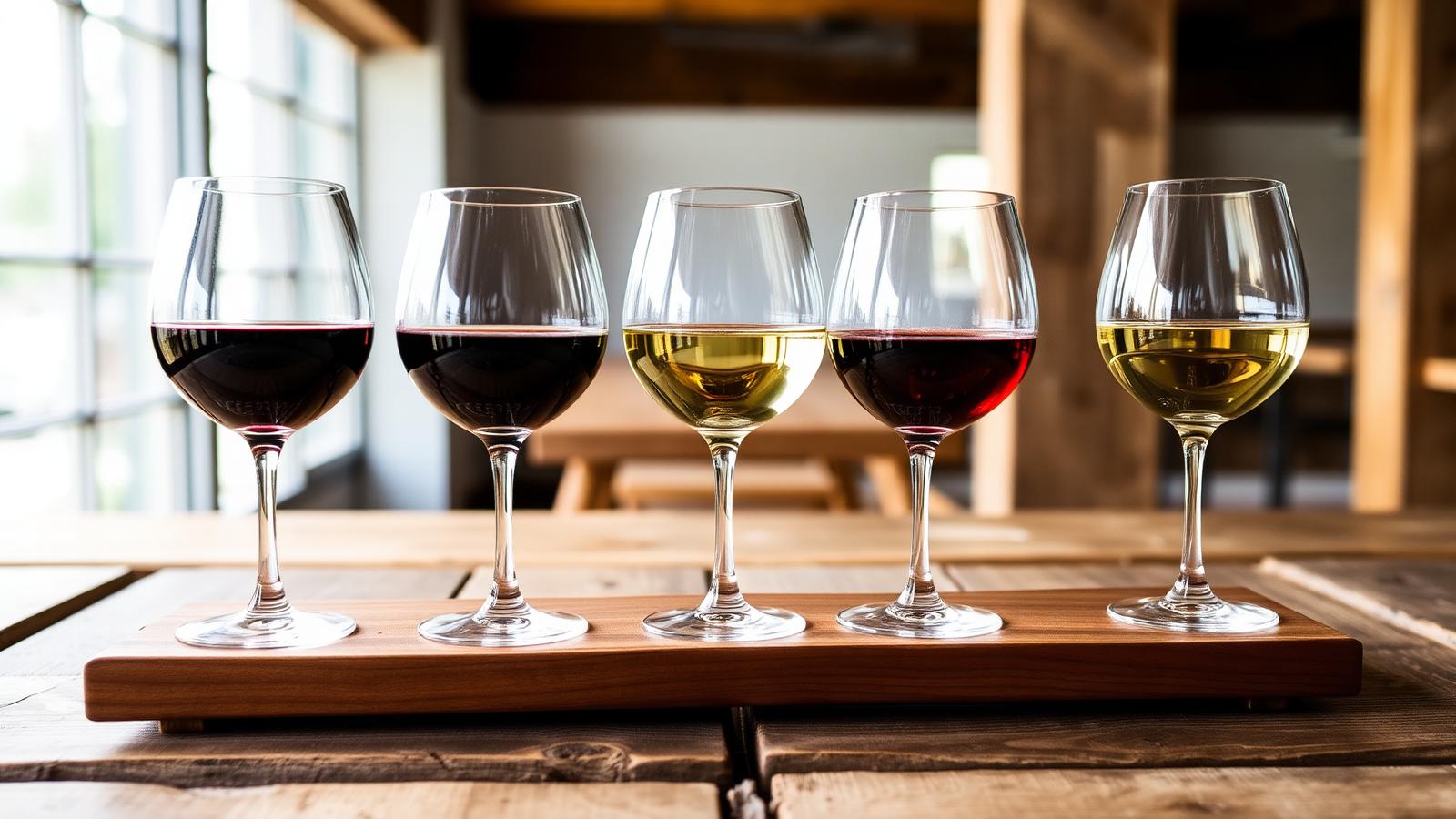
A good day in Canadian Rockies tends to have a shape: a slow morning, a couple of unhurried tasting stops, a proper local lunch, and time in the late afternoon to walk, nap, or take in a view. Try not to over-plan — the best moments usually turn up between the ones you scheduled.
Frequently asked questions
What is the best time of year to visit the Canadian Rockies for a wine-focused experience?
The late spring and summer months, from June to September, offer the most vibrant experience for visitors interested in the nascent wine scene. During this period, the weather is mild, the landscapes are lush, and the days are long, allowing for ideal exploration of the region and any emerging vineyard doors. While there isn't a traditional 'harvest festival' quite yet on the scale of established regions, the autumnal colours of September are breathtaking, and some facilities might still be welcoming visitors to sample their unique cool-climate offerings.
Are there many places to stay within areas producing wine in the Canadian Rockies?
Accommodation options are varied throughout the broader Canadian Rockies region, ranging from charming guesthouses in scenic towns to luxurious mountain lodges. While the wine-producing areas might be dispersed and still developing, you'll find comfortable and welcoming places to stay within a reasonable drive. Consider basing yourself in one of the picturesque valleys or mountain communities, which offers a perfect blend of access to outdoor activities and the opportunity to discover local culinary and vinous expressions. Booking ahead, particularly in summer, is always a good idea.
What kind of local cuisine should I look for to pair with the region's wines?
The local cuisine here celebrates the natural bounty of the mountains and valleys. Look for dishes featuring wild game like elk or bison, often prepared with robust sauces or served alongside hearty root vegetables, which pair wonderfully with the emerging red wines. Freshwater fish, such as trout, are common and surprisingly complemented by the brighter, crisper white or rosé-style wines. Don't forget to sample local cheeses, charcuterie, and seasonal berries, which offer delightful pairings that reflect the fresh, clean flavours of the region.
How accessible are the emerging wine-producing sites for visitors?
The wine landscape in the Canadian Rockies is still unfolding, characterized by smaller, often family-run ventures rather than large-scale, established estates. Accessibility will therefore vary; some may operate by appointment, while others might have small tasting rooms with more regular hours, especially during peak summer. It's advisable to research in advance or consult with local tourism resources to identify which facilities are open to visitors and their specific operating times. This proactive approach ensures a more rewarding and seamless discovery of the region's unique vinous offerings.