

Gulf Islands Wine Guide
Wineries in Gulf Islands
View all 7 wineries →- View
Corlan Farm Vineyard And Winery
9 amenities - View
Garry Oaks Estate Winery
3 amenities 4 varietals - View
Hornby Island Winery
3 amenities 1 varietals - View
Isla de Lerena Vineyard
8 amenities 3 varietals - View
Salt Spring Vineyards & Tasting Room
7 amenities 1 varietals - View
Sea Star Estate Farm and Vineyards
6 amenities 11 varietals
Grapes of the Salish Sea
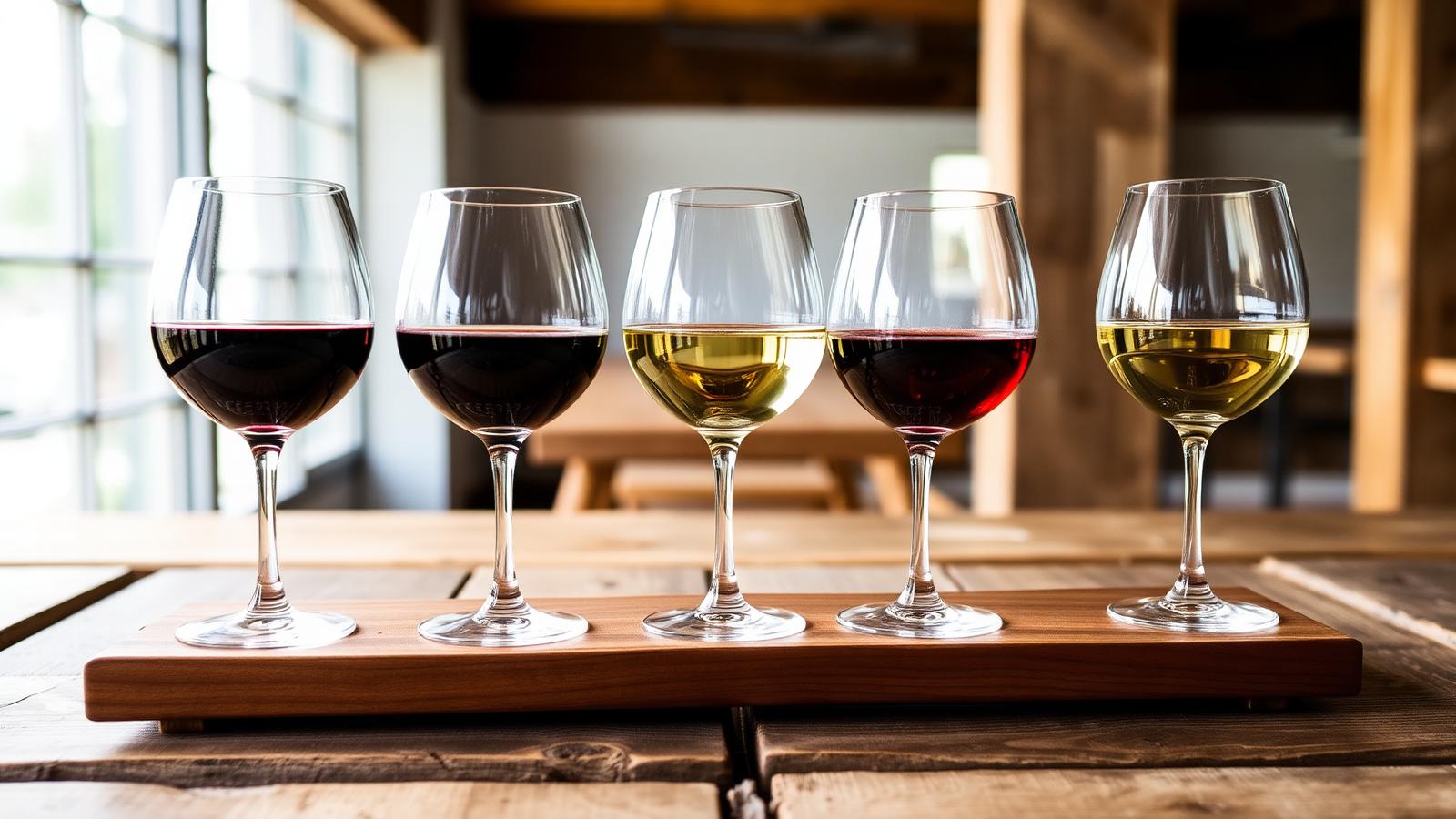
In this tranquil corner of the world, certain grape varietals find their truest voice. and thrive in the moderate climate, producing wines of delicate structure, vibrant fruit, and an inviting earthiness. Among the whites, Ortega, Siegerrebe, and have found a harmonious home, yielding aromatic wines with floral notes, crisp acidity, and a refreshing quality that speaks of sea-spray and sunshine. These are often crafted in bright, food-friendly styles, expressing the purity of the fruit and the clean, maritime air. The winemakers here champion varietals that best adapt to the specific conditions, embracing authentic regional character over global trends.
A Mosaic of Microclimates
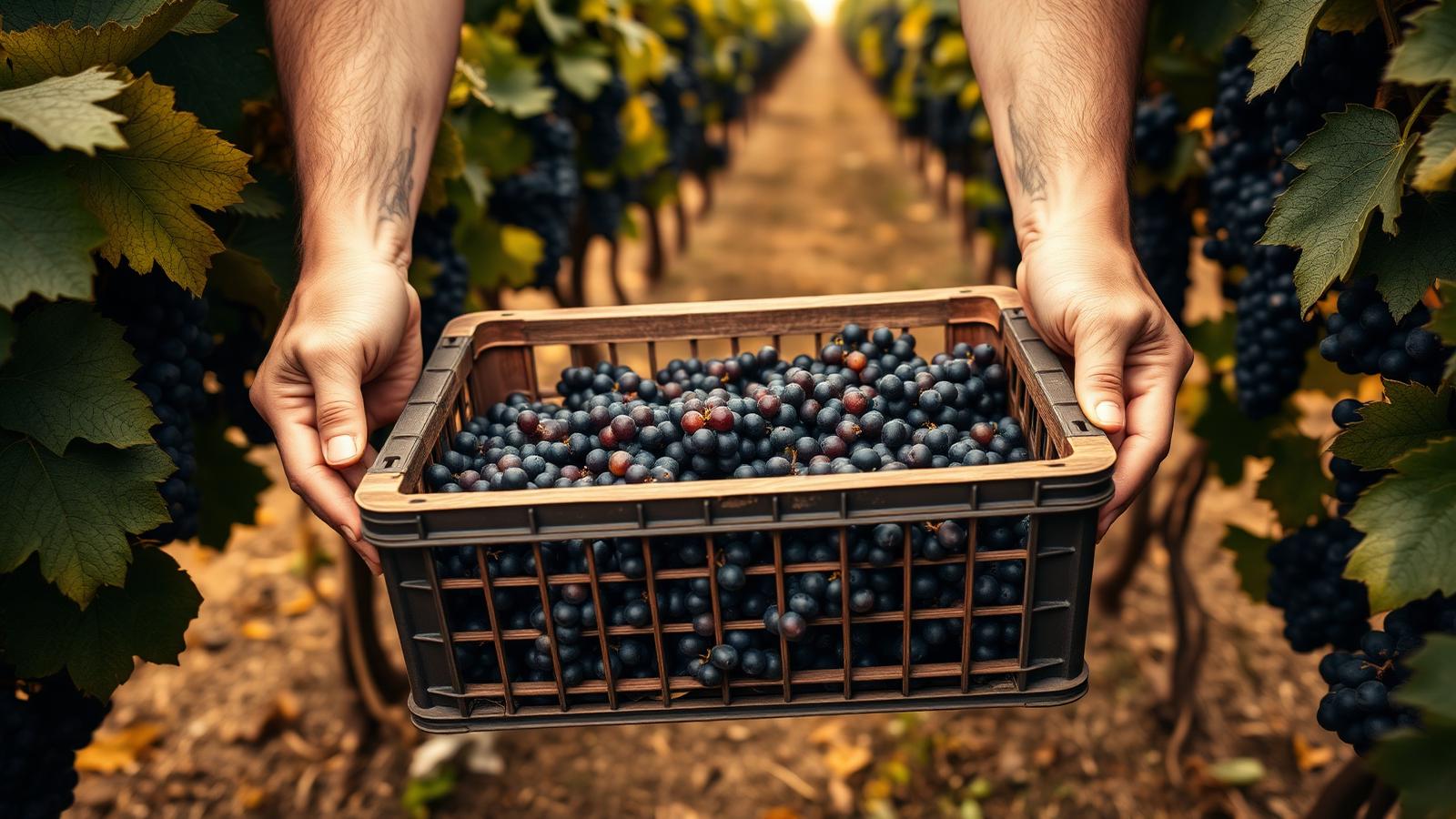
The Gulf Islands reveal an exquisite tapestry of microclimates, each cove and hillside contributing its nuance to the grape. Protected from harsh continental extremes by the surrounding landmass, the islands experience long, warm growing seasons with ample sunshine and cooling ocean breezes. This gentle maritime influence nurtures varietals that thrive in such conditions, particularly early-ripening, aromatic whites and lighter-bodied reds. The unique interplay of sun, sea, and fractured, mineral-rich soils gives the wines a distinctive brightness and a saline-kissed minerality, a true reflection of their island origins. Here, patience and a deep understanding of each sun-drenched slope are key to crafting wines of elegant expression.
Island Table, Island Wine
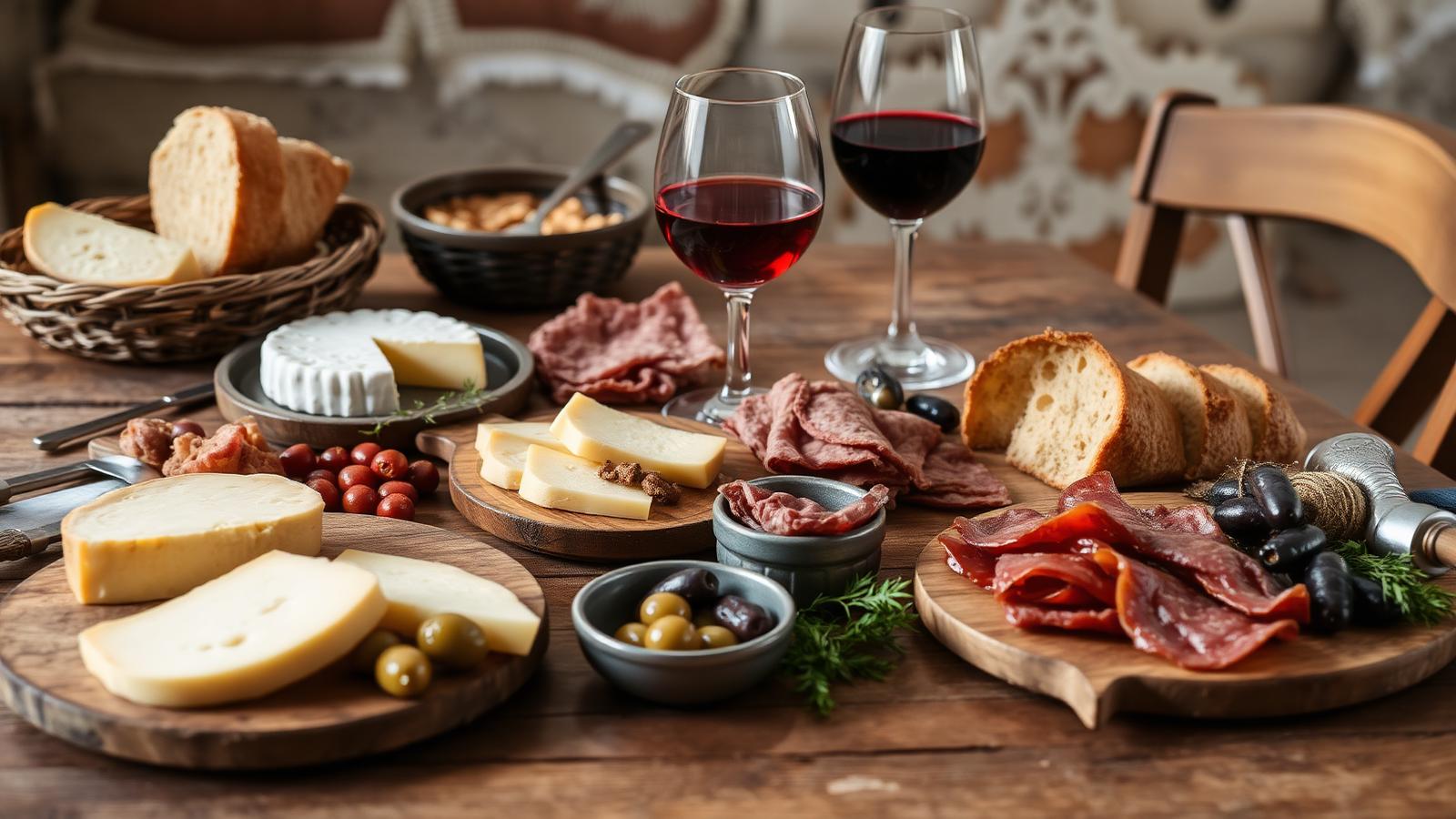
The culinary rhythm of the Gulf Islands mirrors its winemaking philosophy: fresh, seasonal, and deeply connected to the land and sea. Long, unhurried lunches might feature freshly shucked oysters, Dungeness crab, or local lamb, often paired with a crisp island white. Evenings gather around tables laden with produce from the rich island soils, accompanied by a light-bodied red that complements the bounty without overshadowing it. This is a region defined by its artisan producers – cheese makers, bakers, and farmers – whose dedication to quality mirrors that of the winemakers. Every meal becomes an extension of the land's generosity, designed to be savored in good company.
Planning a visit to Gulf Islands
Best time to visit Gulf Islands
Late spring and early autumn are the choices — comfortable weather, generous light, and vineyards at their most photogenic. Summer is warmer and livelier, with long evenings and outdoor tables everywhere. Winter is peaceful, cellars are quiet, and there's a real intimacy to visits without the crowds.
Where to base yourself
The main village or town in Gulf Islands is usually the easiest base — it puts you in walking distance of restaurants and daily life, with vineyards a short drive away. Staying in the countryside is quieter and more romantic, but you'll rely more on a car or a driver. Both are valid; pick the mood you want your trip to have.
Getting to Gulf Islands
Most travellers reach Gulf Islands by combining a flight into the nearest major city with a train, bus, or rental car for the last leg. Once you arrive, distances are usually short — many memorable days here involve less driving than you'd expect.
Making the most of a day in Gulf Islands
A good day in Gulf Islands tends to have a shape: a slow morning, a couple of unhurried tasting stops, a proper local lunch, and time in the late afternoon to walk, nap, or take in a view. Try not to over-plan — the best moments usually turn up between the ones you scheduled.
Frequently asked questions
What is the best way to travel between the different Gulf Islands to explore their wine offerings?
Island hopping is a quintessential Gulf Islands experience. The most common and efficient way to explore multiple islands is by using the provincial ferry service, which connects the major islands seamlessly. For a more intimate experience or to reach smaller coves, local water taxis or even kayaking tours can be arranged. We recommend planning your ferry reservations in advance, especially during peak season, to ensure a smooth and leisurely journey between these vibrant island communities. Keep in mind that some smaller vineyard sites might require car access once on an island.
What should I pack for a wine tour in the Gulf Islands, considering the climate?
The Gulf Islands enjoy a mild, maritime climate, but it’s always wise to pack in layers. Even on a sunny day, the sea breeze can bring a refreshing chill. We suggest comfortable walking shoes for vineyard strolls, a light jacket or sweater, and sun protection like a hat and sunglasses for outdoor tastings. A small bag for purchases and a refillable water bottle are also practical additions. The dress code is generally casual and relaxed, reflecting the laid-back island lifestyle, so prioritize comfort and readiness for a variety of weather conditions.
Are there many dining options available on the islands, and do they accommodate dietary needs?
Each island village offers a charming array of dining experiences, from casual cafes and bakeries serving local fare to refined restaurants highlighting regional ingredients. Given the strong emphasis on fresh, local produce and seafood, many establishments are adept at accommodating various dietary needs. It's always a good idea to call ahead, particularly for smaller, more intimate eateries, to inquire about specific dietary restrictions or preferences. You’ll find that the culinary scene is as diverse and welcoming as the islands themselves, often pairing perfectly with local wines.
What is the typical pace of a day when visiting the wine producers on the Gulf Islands?
A day exploring the wine producers of the Gulf Islands unfolds at a delightfully unhurried pace, much like island life itself. Forget rushed tours; here, visits are often more personal and intimate. You might spend a leisurely hour or two at a tasting room, perhaps chatting with the grower, before venturing to a local market, beach, or nature trail. Many visitors choose to enjoy a long, relaxed lunch at an island eatery, savoring local flavors. We recommend allowing ample time for travel between sites and embracing the spontaneous discoveries that often arise, ensuring a truly immersive and peaceful experience.