

Lillooet Wine Guide
Wineries in Lillooet
View all 1 wineries →Flavours of the Valley
The culinary landscape of Lillooet is as robust and authentic as its wines. Rooted in the bounty of the land and the Fraser River, the local cuisine embraces fresh, seasonal ingredients. Think grilled wild salmon, often prepared with a cedar plank smoky essence, or game meats that echo the surrounding wilderness. Farm-fresh produce, from sun-ripened berries to crisp greens, finds its way onto every plate, celebrating the region's agricultural heritage. These dishes, honest and full of flavour, form a natural pairing with the expressive wines, creating a harmonious and truly local dining experience that nourishes both body and soul.
A Unique Palette of Grapes
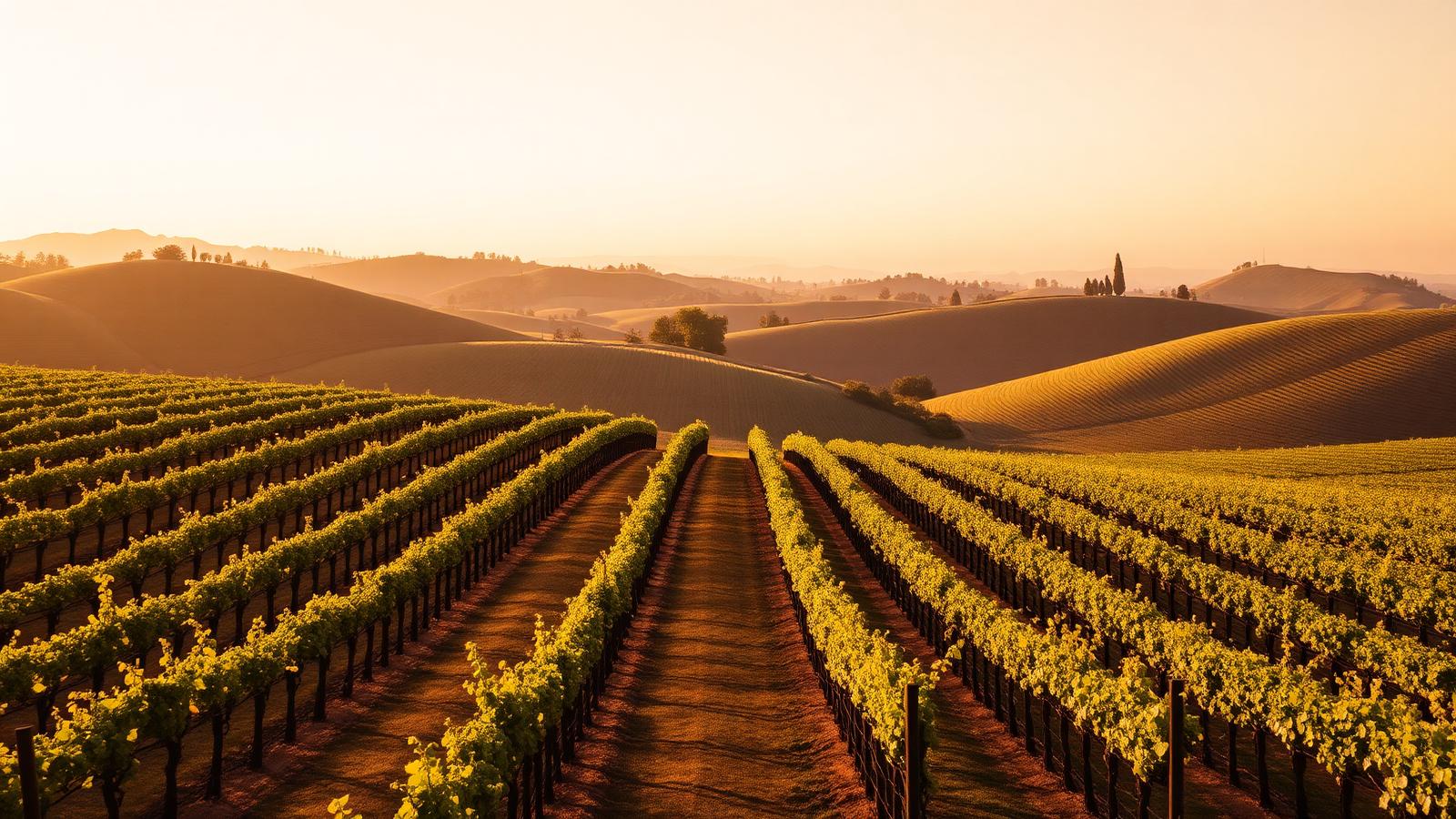
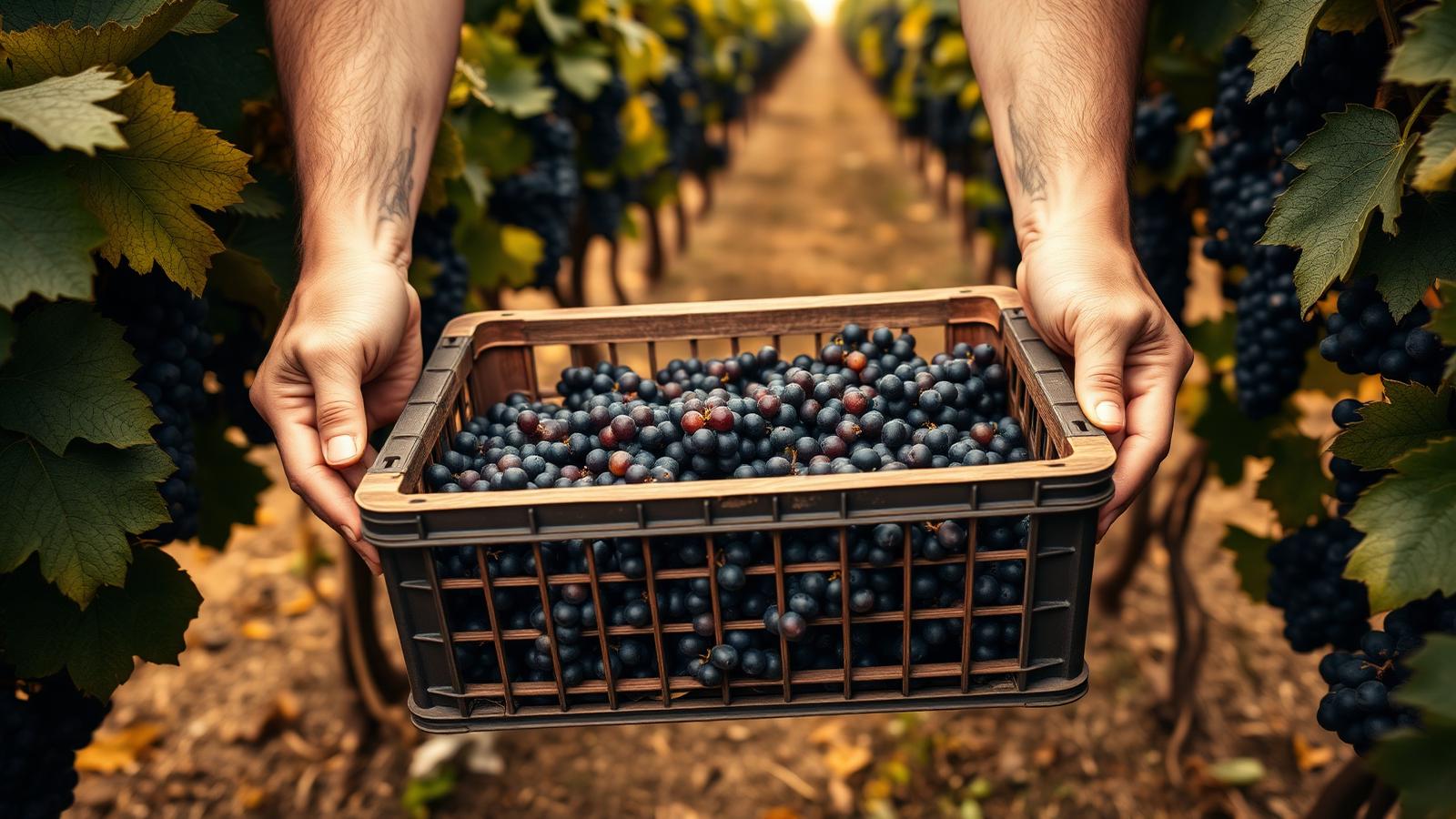
While emerging on the global wine stage, Lillooet has already begun to define its own vinous identity. The sun-drenched slopes and significant temperature shifts create an ideal environment for grapes that appreciate both warmth and a refreshing diurnal cool. Varieties like find a unique expression here, offering perfumed aromatics and a delicate structure, often with an intriguing earthy undertone. Aromatic white grapes also thrive, developing intense floral and citrus notes alongside a vibrant acidity that cuts through the rich textures of local produce. Each sip offers a taste of this region's untamed character.

Terroir's Embrace
The heart of Lillooet's wine story is written in its distinctive . The high-desert environment, with its low humidity and sun-drenched exposures, is tempered by the cooling air currents that sweep down from the surrounding peaks. This natural air conditioning preserves acidity in the grapes, ensuring freshness and balance. The vine roots delve deep into the well-drained, often rocky soils, drawing up a unique mineral signature that speaks subtly in the finished wines. Expect reflections of the landscape – notes of wild herbs, stone, and a vibrant fruit purity that is both delicate and persistent, particularly in crisp whites and elegant reds.
Planning a visit to Lillooet
Best time to visit Lillooet
Late spring and early autumn are the choices — comfortable weather, generous light, and vineyards at their most photogenic. Summer is warmer and livelier, with long evenings and outdoor tables everywhere. Winter is peaceful, cellars are quiet, and there's a real intimacy to visits without the crowds.
Where to base yourself
The main village or town in Lillooet is usually the easiest base — it puts you in walking distance of restaurants and daily life, with vineyards a short drive away. Staying in the countryside is quieter and more romantic, but you'll rely more on a car or a driver. Both are valid; pick the mood you want your trip to have.
Getting to Lillooet
Most travellers reach Lillooet by combining a flight into the nearest major city with a train, bus, or rental car for the last leg. Once you arrive, distances are usually short — many memorable days here involve less driving than you'd expect.
Making the most of a day in Lillooet
A good day in Lillooet tends to have a shape: a slow morning, a couple of unhurried tasting stops, a proper local lunch, and time in the late afternoon to walk, nap, or take in a view. Try not to over-plan — the best moments usually turn up between the ones you scheduled.
Frequently asked questions
What is the best way to travel to Lillooet and explore the area?
Lillooet is accessible by car, offering a scenic journey through mountainous terrain and alongside the Fraser River. Plan for a leisurely drive, as the winding roads offer stunning vistas. Once in Lillooet, a personal vehicle is highly recommended for exploring the surrounding vineyards, natural attractions, and the small, scattered communities. There are no extensive public transport options within the region, so having your own transport allows for the flexibility to linger longer at captivating viewpoints or quiet river spots.
When is the most ideal time of year to visit Lillooet for a wine-focused trip?
The late spring, from May to June, and early autumn, from September to October, offer particularly delightful conditions for a wine-focused visit. In spring, the vineyards are bursting with fresh growth and the weather is pleasantly mild, perfect for outdoor excursions. Autumn brings the spectacle of harvest, with vibrant colours painting the hillsides and a palpable energy in the air as grapes are brought in. The summer months are very warm and sunny, which is wonderful for enjoying the local lakes and rivers, but can be quite hot for extensive outdoor exploration during midday.
What kind of local produce and culinary experiences should I seek out in Lillooet?
Lillooet's culinary scene celebrates the abundant local harvests. Do seek out opportunities to taste fresh Fraser River salmon, a regional specialty often prepared with simple, clean flavours. The area is also known for its stone fruits in summer – think peaches, cherries, and apricots – and for its wild berries. Look for farm stands or small markets offering seasonal vegetables, and don't hesitate to inquire about local honey or artisan preserves. Many local eateries showcase these ingredients, providing an authentic taste of the valley's agricultural heart.
Are there opportunities for outdoor activities in Lillooet beyond wine tasting?
Absolutely. Lillooet is a paradise for outdoor enthusiasts, offering a starkly beautiful landscape to explore. Hiking trails range from gentle riverside walks to more challenging routes providing panoramic views of the Fraser River and surrounding mountains. Fishing is a popular pastime in the numerous lakes and the Fraser River. Kayaking or canoeing on the serene local waters can be incredibly peaceful. Birdwatching is also rewarding, given the area's diverse ecosystems. Always remember to respect local wildlife and practice Leave No Trace principles to preserve this pristine environment.