

Thompson Valley Wine Guide
Wineries in Thompson Valley
View all 5 wineries →Flavours of the Land
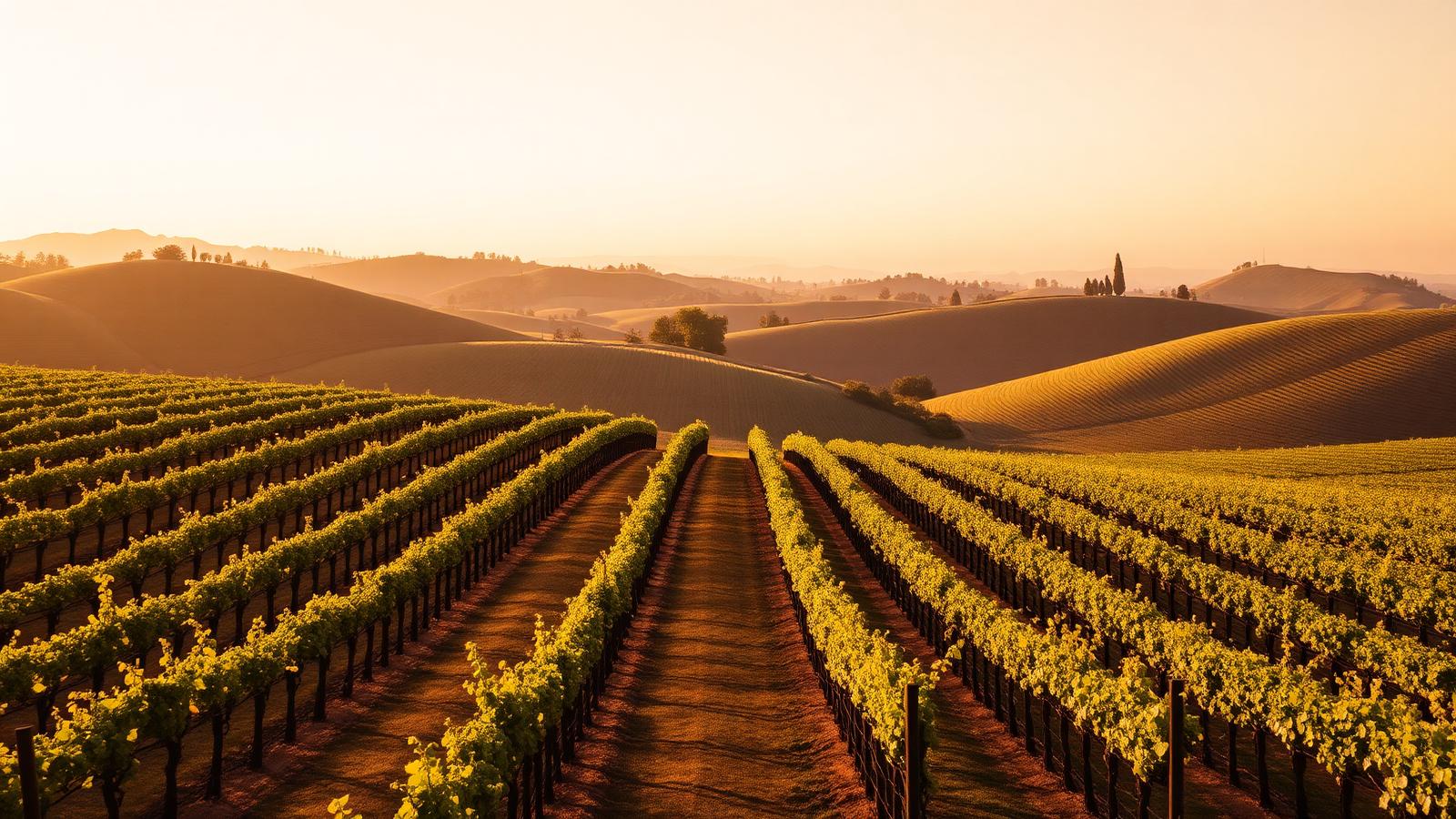
The culinary traditions of the Thompson Valley are intrinsically linked to its landscape and the bounty of its lakes and forests. Think of long, leisurely meals, perhaps enjoyed al fresco, featuring freshly caught fish from local waters, often prepared simply to highlight its delicate flavour. Wild berries, game, and locally farmed produce contribute to a vibrant farm-to-table ethos. The region’s wines, with their bright acidity and balanced profiles, are wonderful companions to these dishes, cutting through richness and complementing the natural sweetness and earthiness of the regional ingredients, making every meal a celebration of place.
Grapes of the Valley
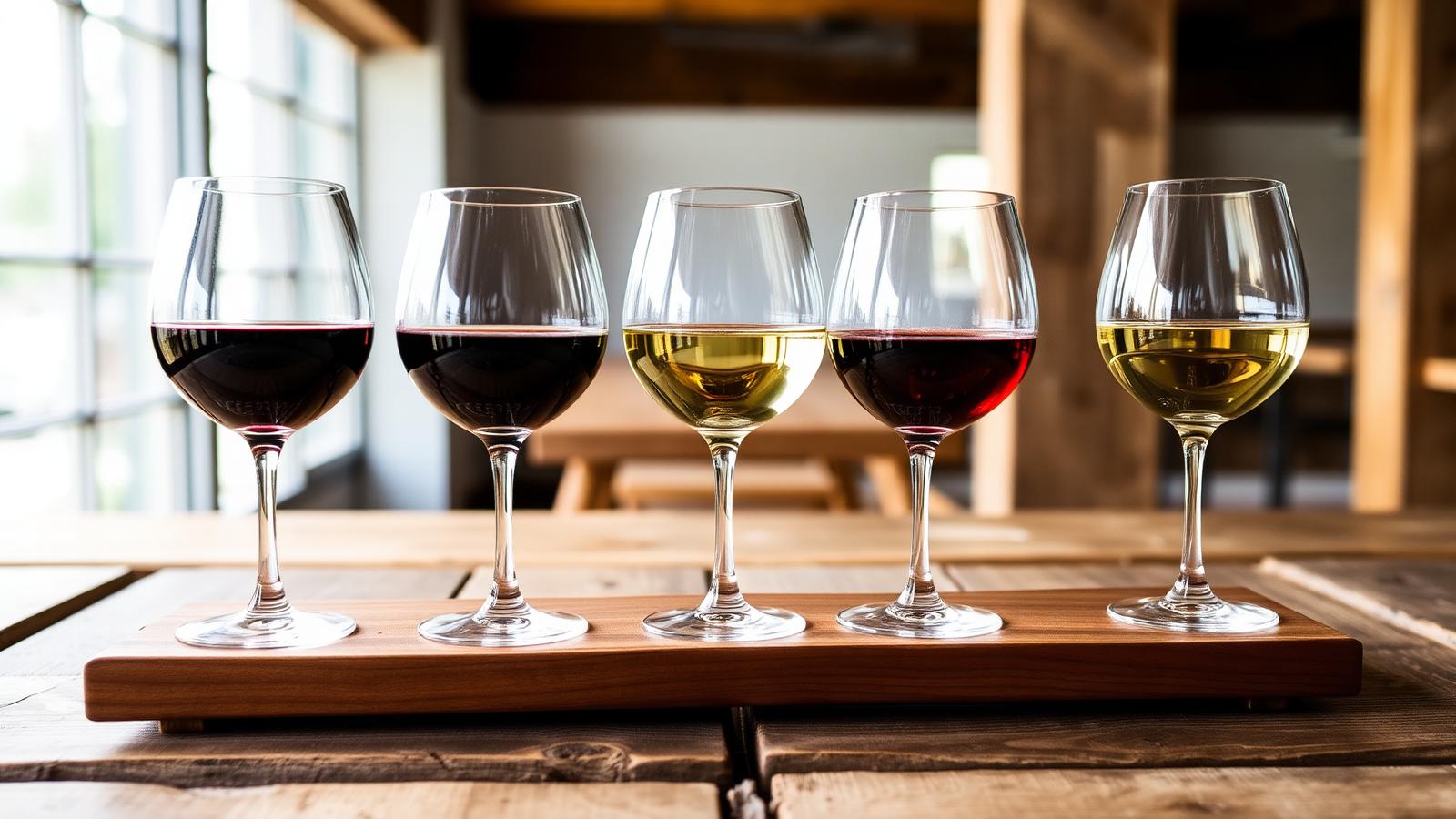
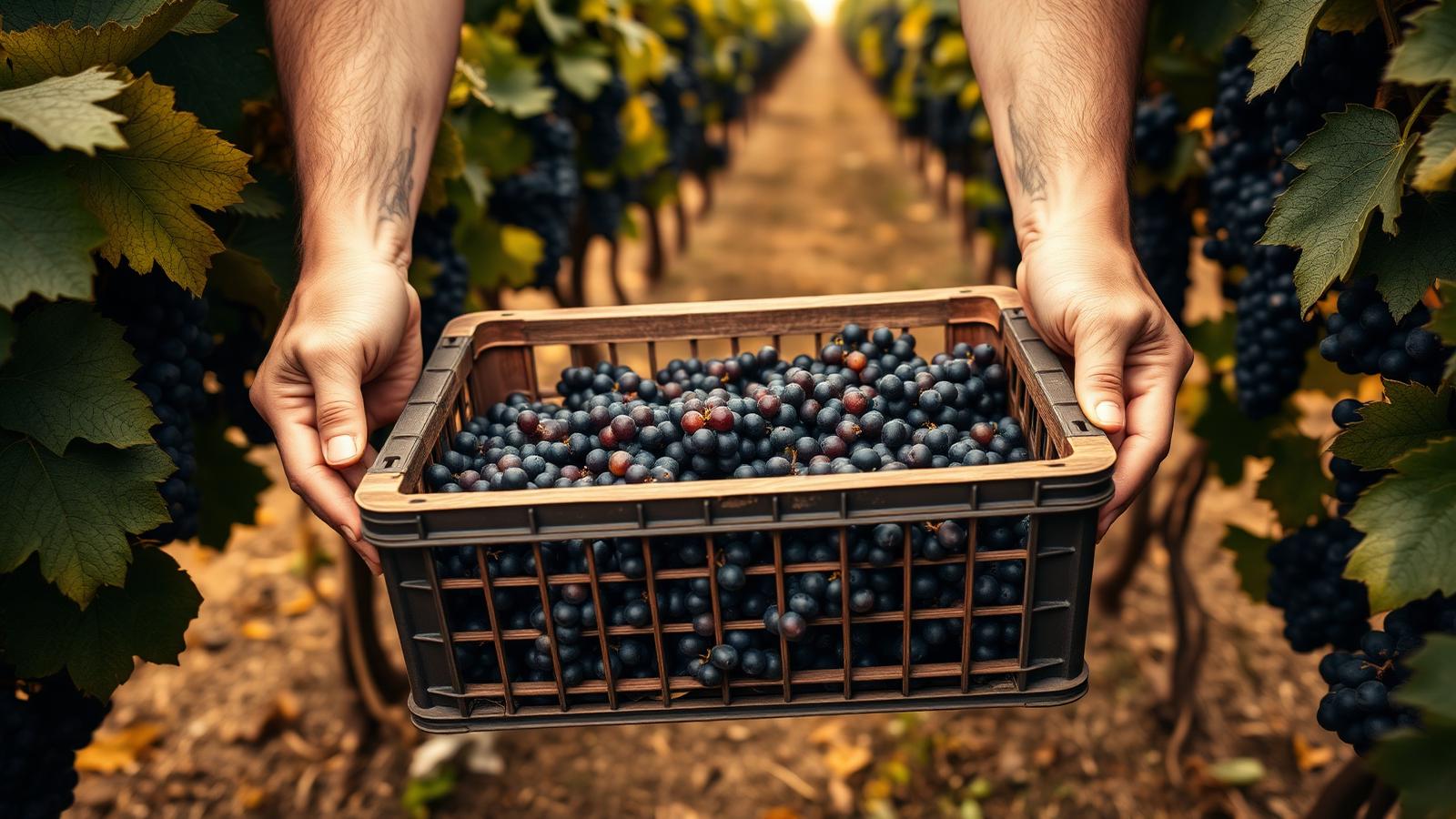
While emerging, the region has found its stride with grapes that thrive in its particular embrace. White varieties lead the charge, offering crisp, aromatic wines often graced with notes of green apple, citrus, and a distinctive minerality that speaks of the valley’s unique soil composition. Red grapes are also beginning to carve out their own niche, producing lighter-bodied, fruit-forward expressions with bright acidity and soft tannins, perfect for earlier enjoyment. These wines reflect the pioneering spirit of the valley, showcasing purity of fruit and an inherent freshness that defines the region’s character.
Terroir and Vine
The Thompson Valley’s distinctive is a symphony of ancient geological forces and contemporary climatic conditions. Glacial till, riverine deposits, and calcareous soils create a complex foundation for vineyards. The deep, often sandy loam, punctuated by rocks and various minerals, allows for excellent drainage while imparting subtle nuances to the grapes. Here, the warm, arid growing season is tempered by significant diurnal temperature shifts, preserving acidity and intensifying aromatic compounds. This balance is particularly kind to specific varietals, coaxing out their innate elegance and structure, resulting in wines that are both vibrant and profoundly expressive of their origins.
Planning a visit to Thompson Valley
Best time to visit Thompson Valley
Late spring and early autumn are the choices — comfortable weather, generous light, and vineyards at their most photogenic. Summer is warmer and livelier, with long evenings and outdoor tables everywhere. Winter is peaceful, cellars are quiet, and there's a real intimacy to visits without the crowds.
Where to base yourself
The main village or town in Thompson Valley is usually the easiest base — it puts you in walking distance of restaurants and daily life, with vineyards a short drive away. Staying in the countryside is quieter and more romantic, but you'll rely more on a car or a driver. Both are valid; pick the mood you want your trip to have.
Getting to Thompson Valley
Most travellers reach Thompson Valley by combining a flight into the nearest major city with a train, bus, or rental car for the last leg. Once you arrive, distances are usually short — many memorable days here involve less driving than you'd expect.
Making the most of a day in Thompson Valley
A good day in Thompson Valley tends to have a shape: a slow morning, a couple of unhurried tasting stops, a proper local lunch, and time in the late afternoon to walk, nap, or take in a view. Try not to over-plan — the best moments usually turn up between the ones you scheduled.
Frequently asked questions
When is the best time of year to visit the Thompson Valley for a wine tour?
The ideal time to explore the Thompson Valley's wine offerings is generally from late spring through early autumn, specifically May to October. In spring, the vineyards burst with fresh growth, and the weather is pleasantly mild. Summer brings warm, sunny days perfect for outdoor tastings, while autumn provides the spectacle of harvest and stunning fall colours. Early September is often a magical time, with the buzz of activity in the vineyards and comfortable temperatures, offering a full sensory experience of the region's agricultural rhythms.
What kind of accommodations can I expect to find in the Thompson Valley?
Accommodation options in the Thompson Valley range from charming guesthouses and B&Bs, often family-run, to more contemporary hotels and comfortable lodges, particularly in larger towns. Many places emphasize connection to nature, with scenic views and easy access to outdoor activities. You might also find boutique stays that offer a personalized touch, often with local insights and warm hospitality. Booking in advance, especially during peak season, is always recommended to secure your preferred tranquil retreat.
Are there other activities available in the Thompson Valley besides wine tasting?
Absolutely! The Thompson Valley is a haven for outdoor enthusiasts. The majestic river offers opportunities for kayaking, rafting, and fishing. There are numerous trails for hiking and cycling, ranging from gentle riverside paths to more challenging mountain ascents, providing breathtaking views. Nature preserves and parks allow for birdwatching and wildlife spotting. Local markets, artisanal shops, and opportunities to learn about the region's history and geology also offer enriching experiences beyond the vineyard gates, rounding out a truly memorable visit.
How should I plan my transportation for exploring the wine region?
For maximum flexibility in the Thompson Valley, particularly when visiting multiple points of interest, a private vehicle is highly recommended. This allows you to explore at your own pace and discover hidden gems. While some larger towns may have limited public transport or taxi services, these might not extend to all vineyard locations. Alternatively, consider arranging for a designated driver or exploring local tour services that specialize in wine region excursions, ensuring you can safely enjoy the tastings while someone else handles the road.