

Aconcagua Wineries & Wine Tours
Sub-regions
Mountain and Maritime Influence
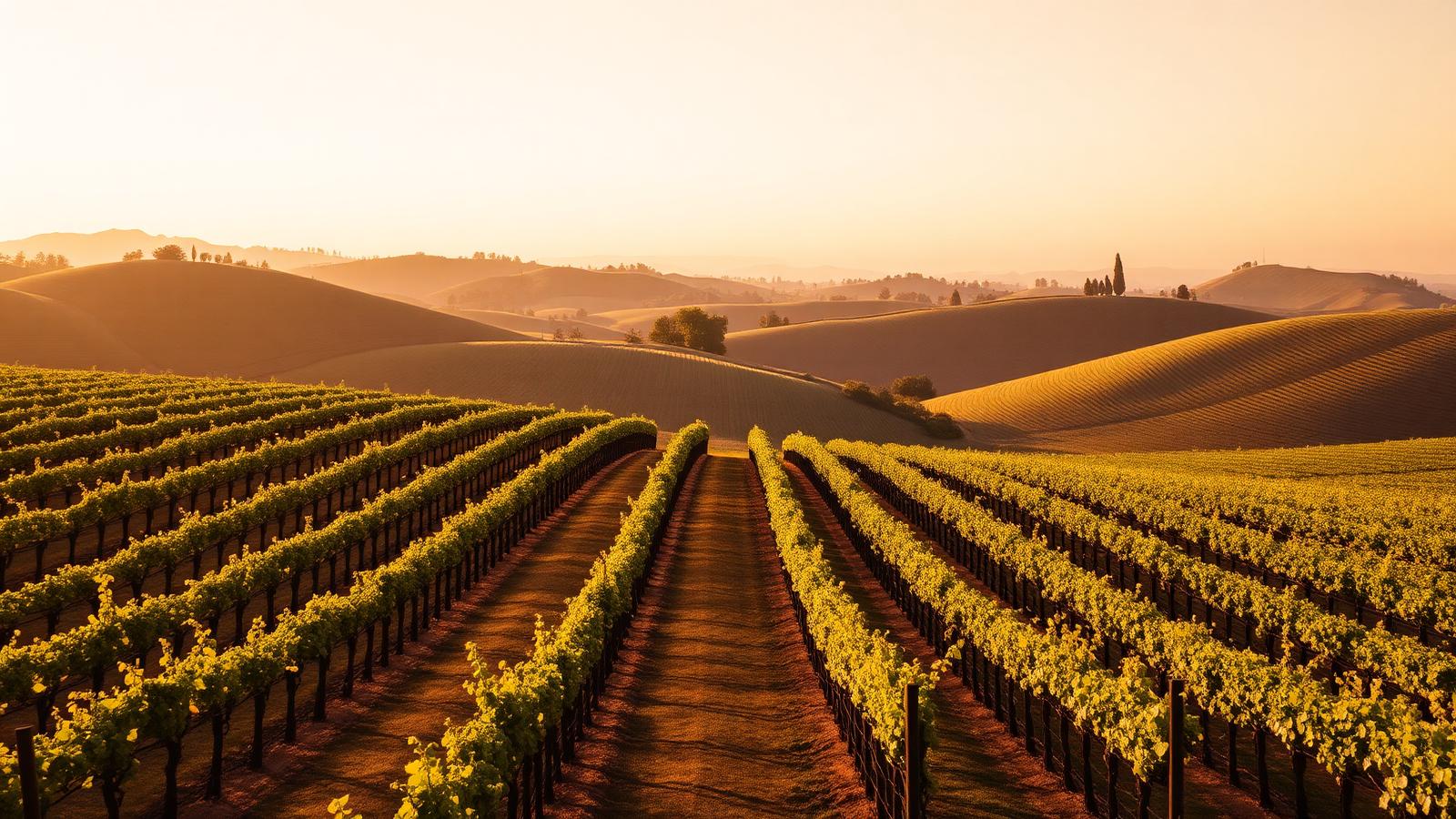
The heart of Aconcagua's distinction lies in its unique geographic embrace. The towering Andean cordillera, with Mount Aconcagua itself watching over, provides a dramatic backdrop and a source of meltwater vital to the valley's fertility. Yet, the Pacific Ocean, though some distance away, exerts a palpable influence. Its cooling breezes travel inland, particularly in the later afternoon, moderating the intense valley heat. This interplay of high-altitude sun, mountain air, and maritime cooling creates an extended growing season, allowing grapes to ripen slowly and fully, developing deep color, rich fruit, and refined tannins, particularly in the region's celebrated reds.
Signature Grapes and Styles
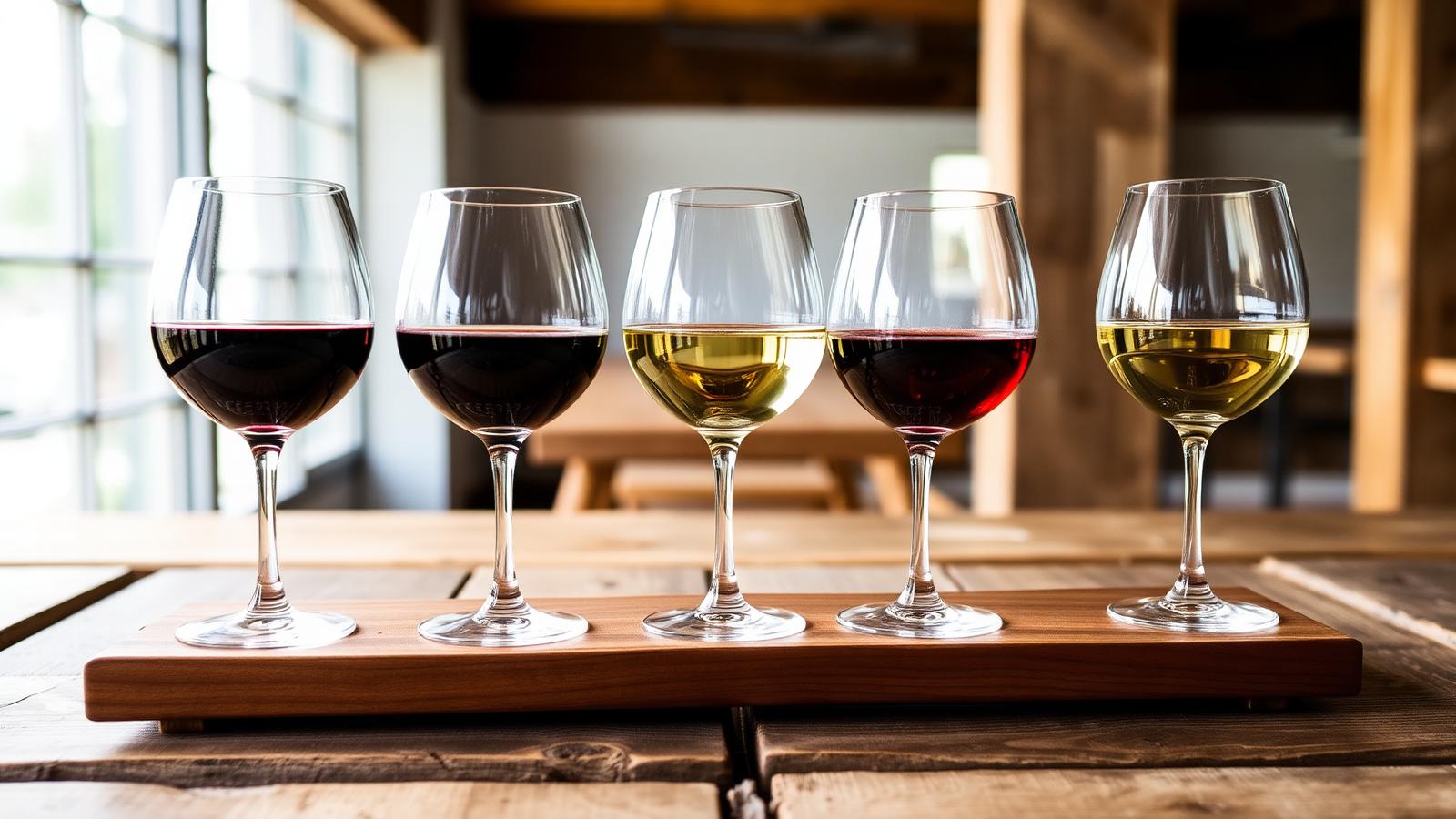
Aconcagua is renowned for its bold, structured red wines, with reigning supreme, often showcasing a distinctive herbal note alongside dark fruit and firm backbone. also thrives here, producing wines of compelling spice, violet aromas, and a brooding intensity that speaks of the sun-drenched slopes. While reds dominate the narrative, specific cooler sub-regions closer to the coast reveal a surprising aptitude for expressive white varieties. Here, and capture a vibrant acidity and nuanced aromatics, offering a fresh counterpoint to the valley’s powerful red heritage, demonstrating the region's diverse .
Cuisine and Local Traditions
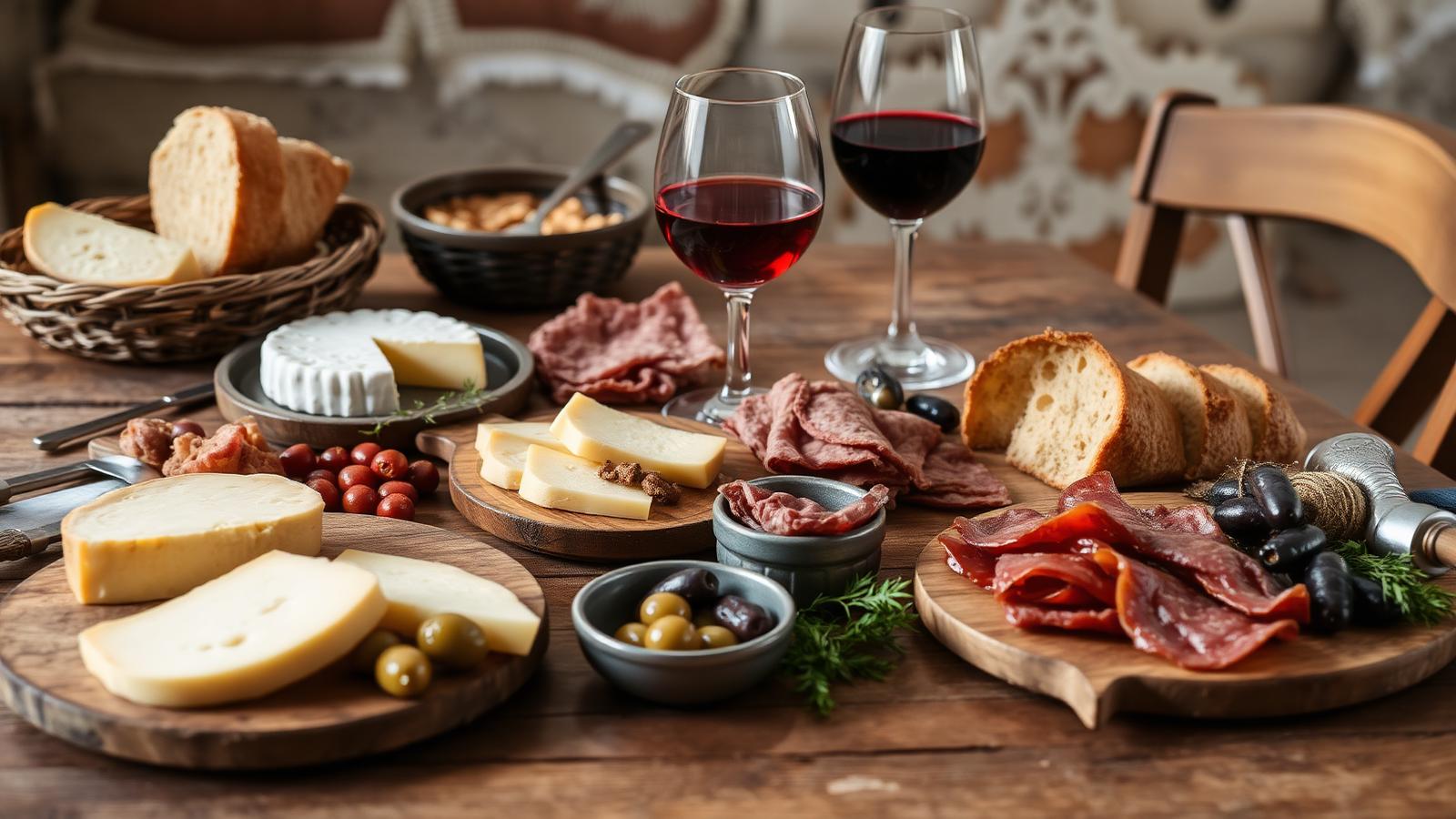
The culinary landscape of Aconcagua is a celebration of its agricultural abundance, deeply influenced by Chilean traditions but with a local flair. Expect meals that are hearty and satisfying, often featuring slow-cooked meats, particularly succulent lamb or beef, prepared with a rustic elegance. Fresh, seasonal vegetables from the valley's fertile plains accompany these dishes, perhaps dressed with olive oil from local groves. Empanadas, pastel de choclo (corn pie), and humitas (steamed corn cakes) are staples, reflecting a cuisine steeped in honest, flavorful ingredients. This emphasis on local produce and traditional preparation complements the robust character of the region’s wines beautifully, creating a seamless and authentic dining experience.
Getting to know Aconcagua
What Aconcagua tastes like
Wines from Aconcagua tend to reflect the region's climate and terrain more than any single style. Look for a sense of place in the glass — mineral notes from stony soils, freshness where nights are cool, richer texture where the sun lingers longer. A short flight of local wines is the fastest way to feel the range.
Rhythms of the year
Aconcagua moves with the seasons. Spring is quiet and green, summer brings long light and full terraces, harvest is intense and communal, and winter turns the vineyards into a stark, beautiful sculpture. Every season is a good reason to come — they just make very different trips.
Beyond the tasting room
Some of the most memorable moments in Aconcagua happen away from the vines: a bakery in the next village over, a viewpoint at sunrise, a slow lunch that turns into a slow afternoon. Leave room in your itinerary for the things you can't plan.
Frequently asked questions
What is the best time of year to visit Aconcagua for wine tourism?
The ideal time to visit Aconcagua is typically during the Chilean spring (September to November) or autumn (March to May). In spring, the vineyards are awakening, and the weather is pleasant for exploring. Autumn, especially during harvest season in March and April, offers a vibrant atmosphere as winemakers are busy in the fields and cellars, though it can also be the busiest period. Summer (December to February) can be quite hot, while winter (June to August) is cooler and quieter, with lush green landscapes and opportunities for cozy indoor experiences.
What kind of transportation is best for getting around the Aconcagua wine region?
To truly experience the Aconcagua wine region, having your own transportation or hiring a private driver is highly recommended. The significant sites and winemaking areas are spread out, and public transport options are limited outside of the main towns. This allows for flexibility in your itinerary, enabling spontaneous stops at scenic overlooks or charming local eateries. Many visitors opt to rent a car from Santiago, which offers a scenic drive into the valley, making the journey part of the adventure.
Are there opportunities for activities beyond wine tasting in Aconcagua?
Absolutely! Aconcagua offers a range of activities that immerse visitors in its stunning natural beauty and local culture. The region is a gateway to the Andes, with opportunities for hiking and exploring the dramatic mountain landscapes, even up to the foothills of Mount Aconcagua. Cycling through the vineyards is also a popular way to enjoy the scenery. Furthermore, local towns provide a glimpse into Chilean rural life, with artisanal markets, historic churches, and opportunities to enjoy traditional cuisine in a relaxed setting, away from the typical tourist routes.
What should I pack for a visit to the Aconcagua Valley?
Given Aconcagua's distinct climate, layering is key. Even on warm days, the evenings can be cool, especially with the mountain breezes. Pack comfortable, breathable clothing for daytime exploration – light shirts, walking shoes, and a hat for sun protection are essential. For the evenings, bring a jacket or sweater. If visiting in spring or autumn, a light waterproof layer can be wise. Don’t forget sunscreen and sunglasses, as the valley's intense sun requires protection. If planning to hike, appropriate footwear and gear are a must.