

Wineries & Wine Tours in Chile
Regions
Chile, a ribbon of land unfurling between the colossal Andes and the vast Pacific, invites a journey not merely through its vineyards, but through its very soul. Here, the earth speaks in a thousand tongues: from the sun-drenched, arid north where ancient rivers carve improbable oases, to the cool, mist-kissed valleys near the sea, echoing with the ocean's whisper. It is a land shaped by dramatic contrasts, where the daily ritual of light and shadow, heat and cool, imbues its wines with a singular intensity.
The wine routes of Chile are pathways into a deeper understanding of this diverse nation. Imagine yourself tracing the subtle shifts in , feeling the desert wind temper the sun's ardor in one valley, then breathing the saline air that drifts inland from the coast in another. The landscape itself becomes a character, its towering peaks and rolling hillsides etched into every sip, offering a narrative of resilience, adaptation, and abundant, unadorned beauty. This is not a rushed encounter, but a lingering embrace of place.
Allow your senses to awaken to the rhythms of Chilean life, where history is as palpable as the scent of ripening grapes. It’s a call to linger over long lunches, to witness the quiet dedication of those who tend the vines, and to discover the distinct personalities etched into each bottle. From robust reds born of inland warmth, to crisp whites shaped by coastal breezes, Chile offers an unparalleled tapestry of flavors, each inviting you to slow down and savor the journey itself.
From Andes to Ocean
Chile’s elongated geography creates a fascinating spectrum of microclimates, profoundly influencing its wine styles. The towering Andes to the east shield the vineyards from continental extremes, while the Humboldt Current sweeps cool, moist air from the Pacific inward, especially through transverse valleys. This interplay gives rise to diverse terroirs, from the warm, sun-drenched plains perfect for robust and , to the cooler, fog-shrouded coastal areas where elegant and thrive. Each valley, with its unique soil composition and exposure, tells a distinct story, inviting exploration of its singular expressions.
The Rhythm of the Seasons
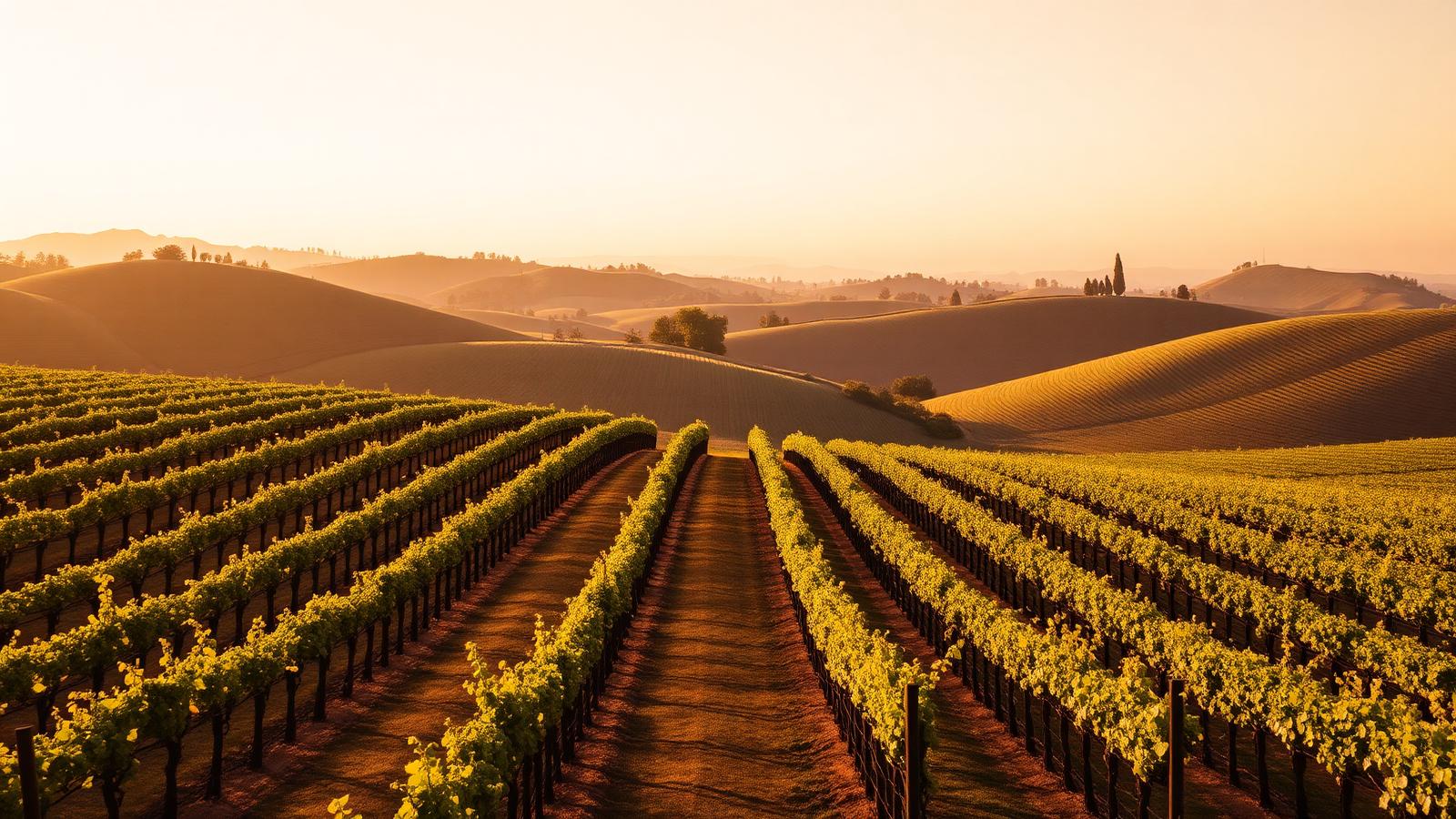
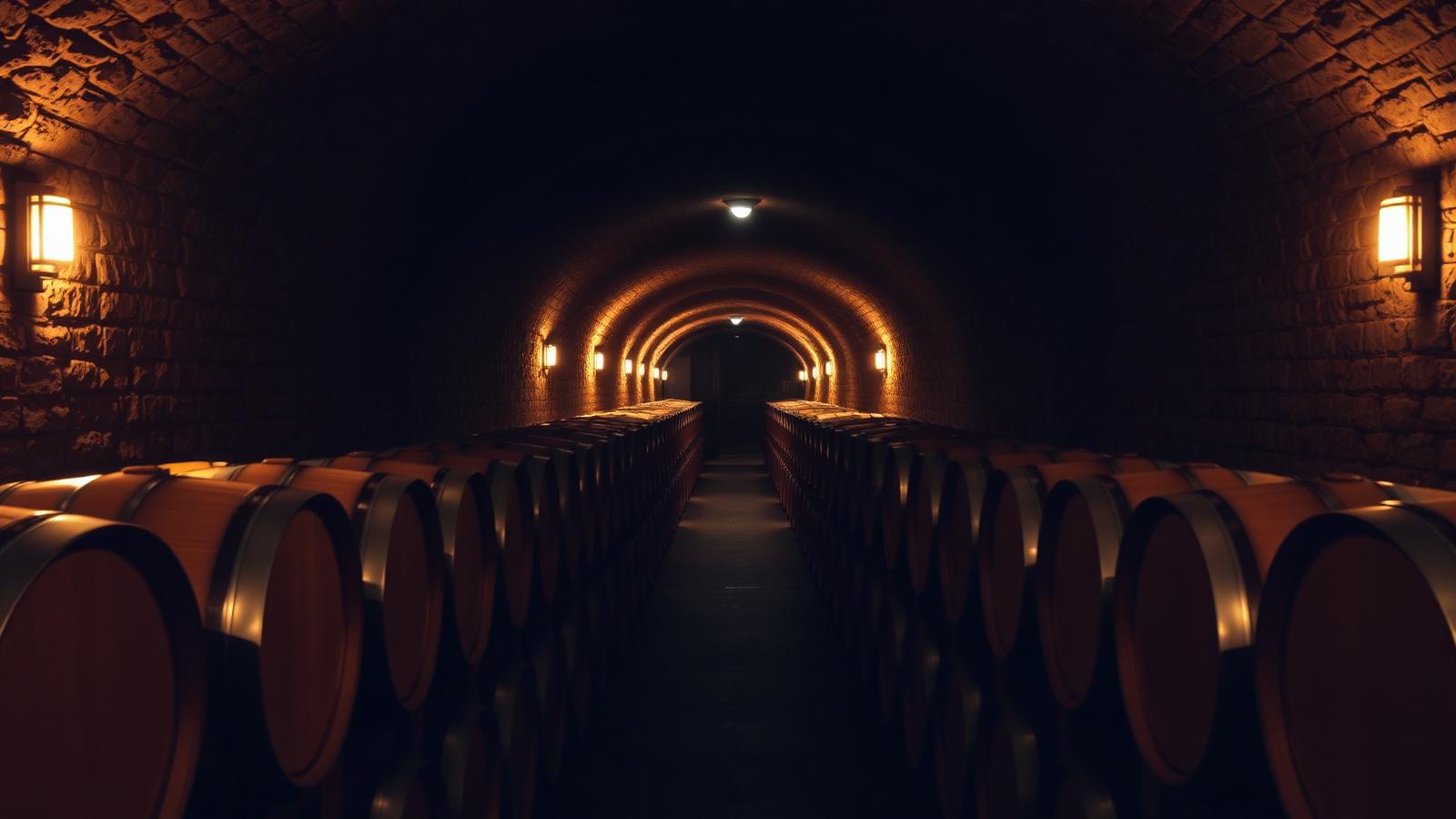
Visiting Chile’s wine regions is an immersion into the cyclical rhythm of nature itself. In spring, the vineyards burst into vibrant green, promising new life, while summer brings sun-drenched days that ripen the fruit to perfection. Autumn is a time of bustling activity, a joyous celebration of harvest where the air is thick with the sweet scent of grapes and the sounds of laughter. Winter offers a quieter beauty, with vines dormant and the landscape resting under cooler skies, making it an ideal time for cellar tours and reflective tastings. Each season unveils a different facet of the land and its wines.
What makes a trip here special
A landscape shaped by the vine
Vineyards in Chile follow the geography — rivers, ridgelines, coastlines, and altitude all leave their fingerprints on the wine. Driving between regions is often as memorable as the tastings themselves.
Food that grew up next to the wine
The best pairings for Chile's wines are almost always the dishes that grew up alongside them. Local markets, family-run restaurants, and roadside stops turn a wine trip into a full sensory tour of the country.
A calendar worth planning around
Harvest, pruning, spring flowering, and long lazy summers each give Chile's wine regions a completely different mood. Choosing when you visit is almost as important as choosing where.
Frequently asked questions
When is the best time to visit Chile for wine touring?
For the most vibrant vineyard experience, shoulder seasons of spring (September to November) and autumn (March to May) are ideal. In spring, the vines are verdant and blooming, with pleasant weather for exploring. Autumn, particularly March and April, is harvest time, offering a truly immersive experience with bustling activity in the wineries and the chance to see grapes being picked and processed. Summer (December to February) is warm and sunny, perfect for enjoying long lunches outdoors, though some areas can be quite hot. Winter (June to August) brings cooler temperatures, less crowds, and a chance for cozy cellar tastings.
What are Chile's signature grape varieties?
Chile is renowned for several key grape varieties, each expressing the country’s diverse terroirs. , once thought extinct, is now Chile’s signature red grape, producing wines with notes of red fruit, spice, and unique herbaceous undertones. also excels, particularly from warmer valleys, yielding robust and structured reds. For white wines, from cooler coastal regions is celebrated for its zesty acidity and tropical fruit character. Additionally, , , and increasingly, elegant and from cooler climates are gaining recognition, offering a wide spectrum for every palate.
Do I need to book vineyard visits in advance?
While some smaller, family-run vineyards might accommodate walk-ins, it is highly recommended to book your vineyard visits and tasting appointments in advance, especially during peak season (spring and autumn) and on weekends. Many vineyards operate by appointment to ensure a personalized experience, manage group sizes, and ensure a guide is available in your preferred language. Booking ahead also allows you to confirm opening hours, any specific tour offerings, and transportation options. This is particularly crucial if you plan to visit vineyards that are off the main tourist routes.
What typical food and wine pairings can I expect to enjoy in Chile?
Chilean cuisine offers delightful pairings for its wines. With and richer , you’ll often find succulent grilled meats like 'asado' (barbecue), 'pastel de choclo' (corn pie), or hearty stews. For crisp , look for fresh seafood dishes like 'ceviche,' 'machas a la parmesana' (razor clams with Parmesan), or lighter salads. often complements leaner poultry or earthy mushroom preparations. Don't miss trying local cheeses, 'empanadas' with various fillings, and fresh fruits, all of which enhance different wine styles. The emphasis is always on fresh, local ingredients reflecting the season.