

Central Valley Wineries & Wine Tours
Sub-regions
The Valley's Flavor Profile
Here, one finds the heart of Chilean wine's generosity. The region is renowned for its robust reds, particularly , which flourishes in the sun-drenched plains, yielding wines of impressive structure, dark fruit, and sometimes a hint of green bell pepper. Carmenere, the 'lost' Bordeaux grape, has found a glorious second home, producing rich, velvety wines with notes of plum, spice, and often a distinctive earthy character. For whites, thrives in the cooler sections, offering bright acidity and zesty citrus notes, while often reflects the with a fuller, more textural expression. These wines are a true reflection of the valley's warm days and cool nights, balanced by innovative winemaking.
Terroir's Embrace
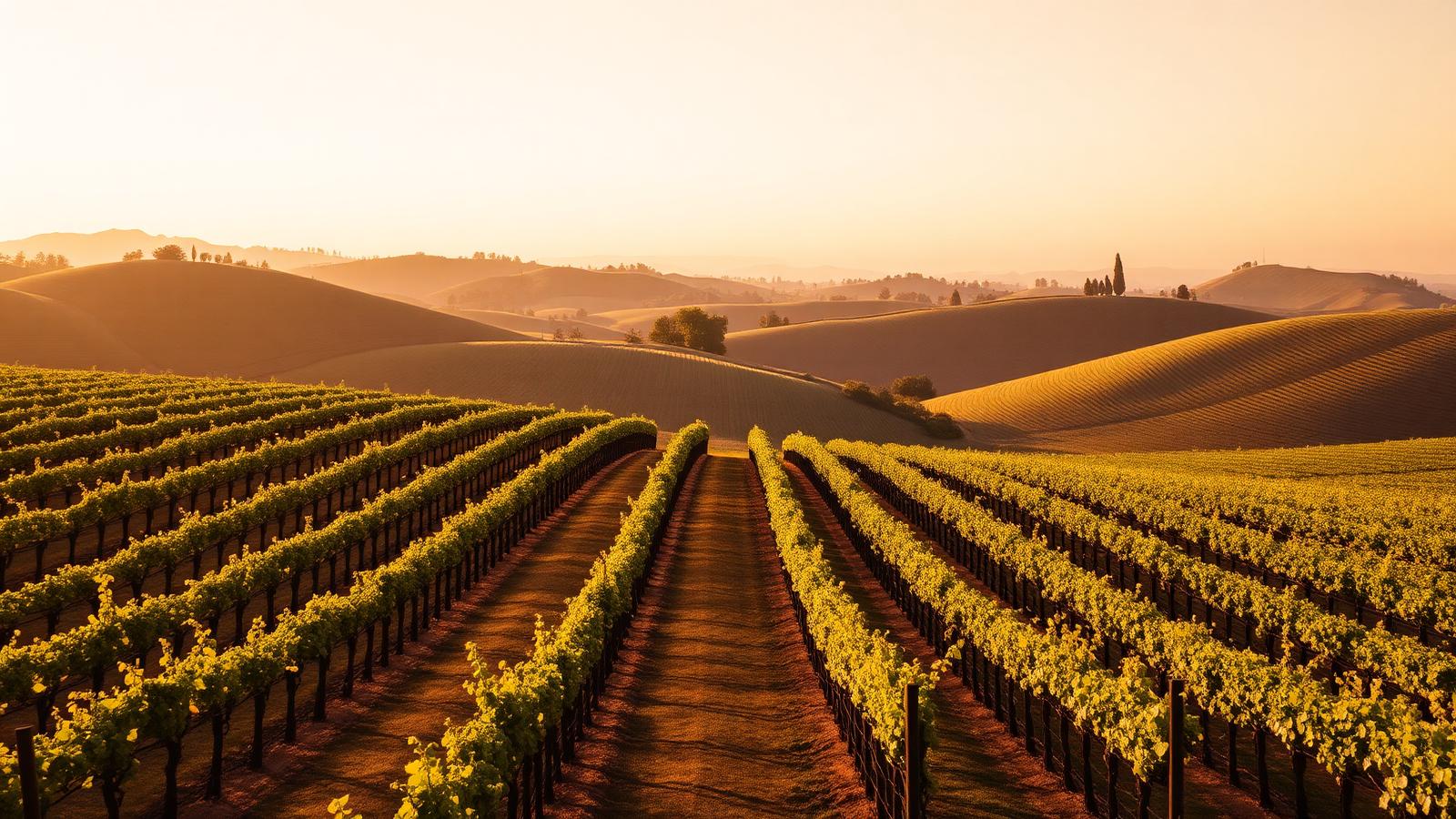
The Central Valley's geography is its masterpiece, a long, slender valley cradled between towering mountains and a cooling ocean influence. The Andes provide essential irrigation through snowmelt and protect vineyards from harsh weather, while the Pacific introduces maritime fogs that temper the intense daytime sun, preserving aromatic freshness in the grapes. This vast, dynamic landscape offers a mosaic of microclimates, from warmer inland plains ideal for full-bodied reds to cooler, coastal-influenced zones that favor vibrant whites. The soils, a rich blend of alluvial deposits from ancient rivers and volcanic elements, contribute to the complexity and structure of the region's hallmark wines, echoing the very essence of the Chilean earth.
Getting to know Central Valley
What Central Valley tastes like
Wines from Central Valley tend to reflect the region's climate and terrain more than any single style. Look for a sense of place in the glass — mineral notes from stony soils, freshness where nights are cool, richer texture where the sun lingers longer. A short flight of local wines is the fastest way to feel the range.
Rhythms of the year
Central Valley moves with the seasons. Spring is quiet and green, summer brings long light and full terraces, harvest is intense and communal, and winter turns the vineyards into a stark, beautiful sculpture. Every season is a good reason to come — they just make very different trips.
Beyond the tasting room
Some of the most memorable moments in Central Valley happen away from the vines: a bakery in the next village over, a viewpoint at sunrise, a slow lunch that turns into a slow afternoon. Leave room in your itinerary for the things you can't plan.
Frequently asked questions
What is the best time of year to visit the Central Valley for wine touring?
The ideal time to visit the Central Valley is during the spring (October to December) when the vineyards are budding and the weather is pleasantly warm, or during the harvest season in autumn (March to May). Autumn brings vibrant colors to the landscape, bustling activity in the wineries, and usually comfortable, dry weather ideal for exploring. Summer (January to February) can be quite hot, while winter (June to September) offers a quieter experience with lush green landscapes and fewer crowds, though some cellar doors might have reduced hours. Each season offers a unique perspective on the valley's rhythm.
How should I plan my itinerary to experience the valley best?
Given the Central Valley's vastness, it's best to focus on one or two sub-regions to truly appreciate their distinct character. For instance, the Maipo Valley, close to the capital, is excellent for , while Colchagua offers a wider range of robust reds including Carmenere. Plan for a mix of larger, well-established estates and smaller, boutique producers to gain a comprehensive understanding of the region's winemaking. Allow ample time for leisurely lunches and consider hiring a local guide to navigate the distinct routes and provide insights into the local culture and hidden gems, enhancing your journey.
What kind of transportation is recommended for exploring the Central Valley's wine regions?
For flexibility and the ability to explore at your own pace, renting a car is often the most convenient option, as many vineyards are spread out and public transport can be limited outside of major towns. However, if you prefer not to drive, engaging a private driver or joining an organized small-group tour is highly recommended. These options allow you to fully relax and enjoy the tastings without concern for navigation or driving after sampling. Some regions may also offer bicycle rentals for a tranquil, eco-friendly way to visit nearby vineyards.
Are there many accommodation options within the Central Valley wine regions, or should I stay in a major city?
While Santiago and other major cities bordering the Central Valley offer a wide array of hotels, staying within the wine regions themselves provides a more immersive experience. You'll find charming guesthouses, boutique hotels often nestled amidst vineyards, and quaint country inns. These options allow for a quieter, more authentic stay, often with direct access to cellar doors and local village life. Booking in advance, especially during peak harvest season, is advisable to secure your preferred accommodation, ensuring you wake up to vineyard views and the gentle sounds of the Chilean countryside.