

Dalmatia Wineries & Wine Tours
Sub-regions
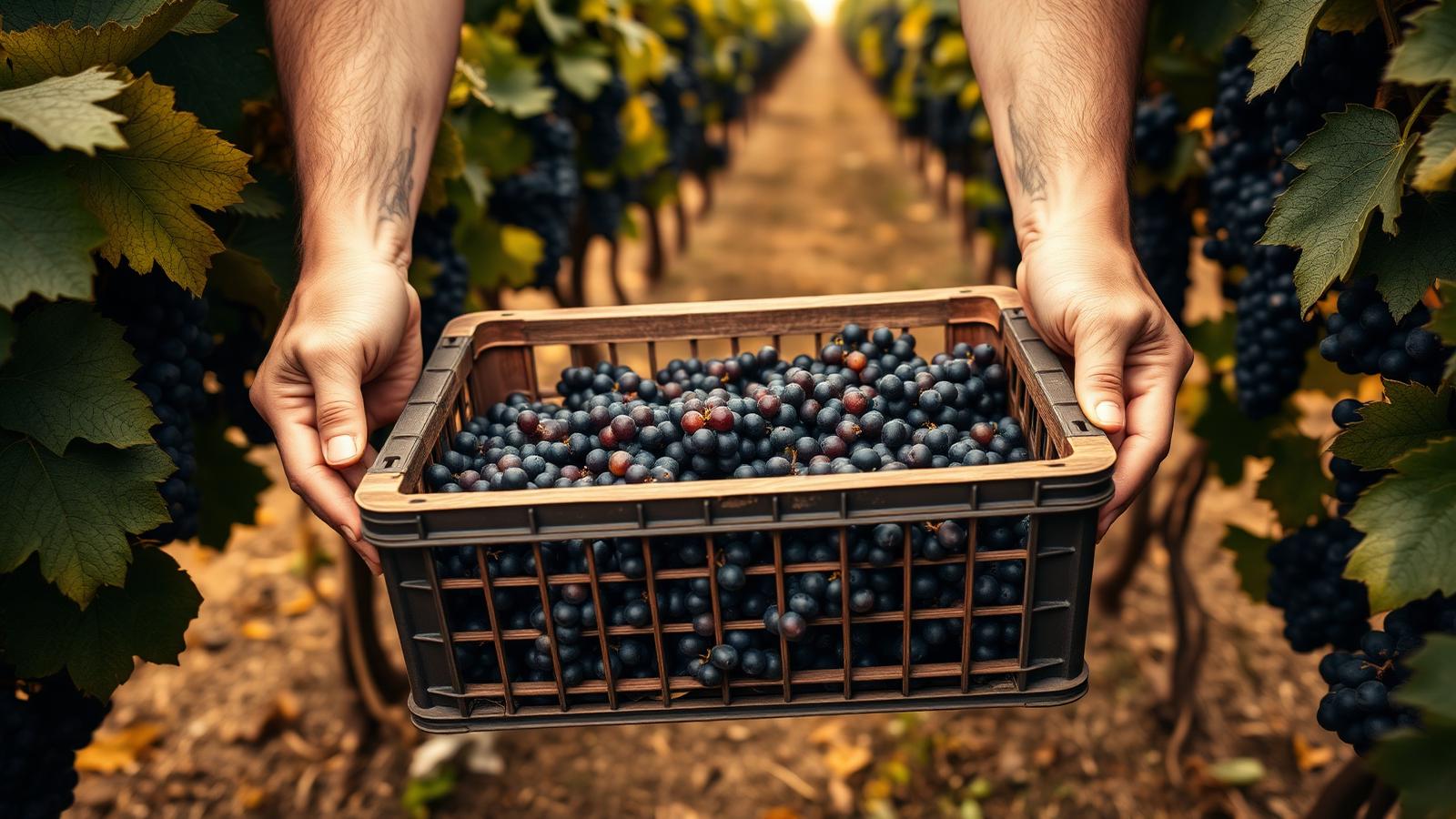
Indigenous Grapes and Bold Flavors
The heart of Dalmatian wine lies in its constellation of indigenous grape varieties, each an ambassador of its specific micro-region. Dark-skinned varietals dominate here, yielding robust red wines with deep color, assertive tannins, and notes of dark berries, spice, and often a whisper of sun-baked earth. These are wines that speak of powerful sunshine and ancient traditions. White grapes also thrive, producing aromatic, full-bodied wines with a delightful freshness, often touched by coastal breezes and mineral undertones. Discovering these authentic varietals is to journey through the very soul of Dalmatian winemaking heritage.
The Terroir of Stone and Sea
Dalmatia’s dramatic landscape defines its wines. Imagine vineyards sculpted into steep, sun-drenched hillsides, often terraced, where the vines wrestle with white, stony soils. The intense summer sun ripens the grapes profoundly, while the constant caress of the Adriatic breezes moderates temperatures and imparts a distinctive saline influence. This unique combination of rugged karstic terrain, plentiful sunshine, and maritime air creates powerful, characterful wines. The roots dig deep into the rock, seeking out precious moisture and minerals, resulting in wines with a vibrant minerality and a profound sense of place that truly sets them apart.
Culinary Pairings and Coastal Joys
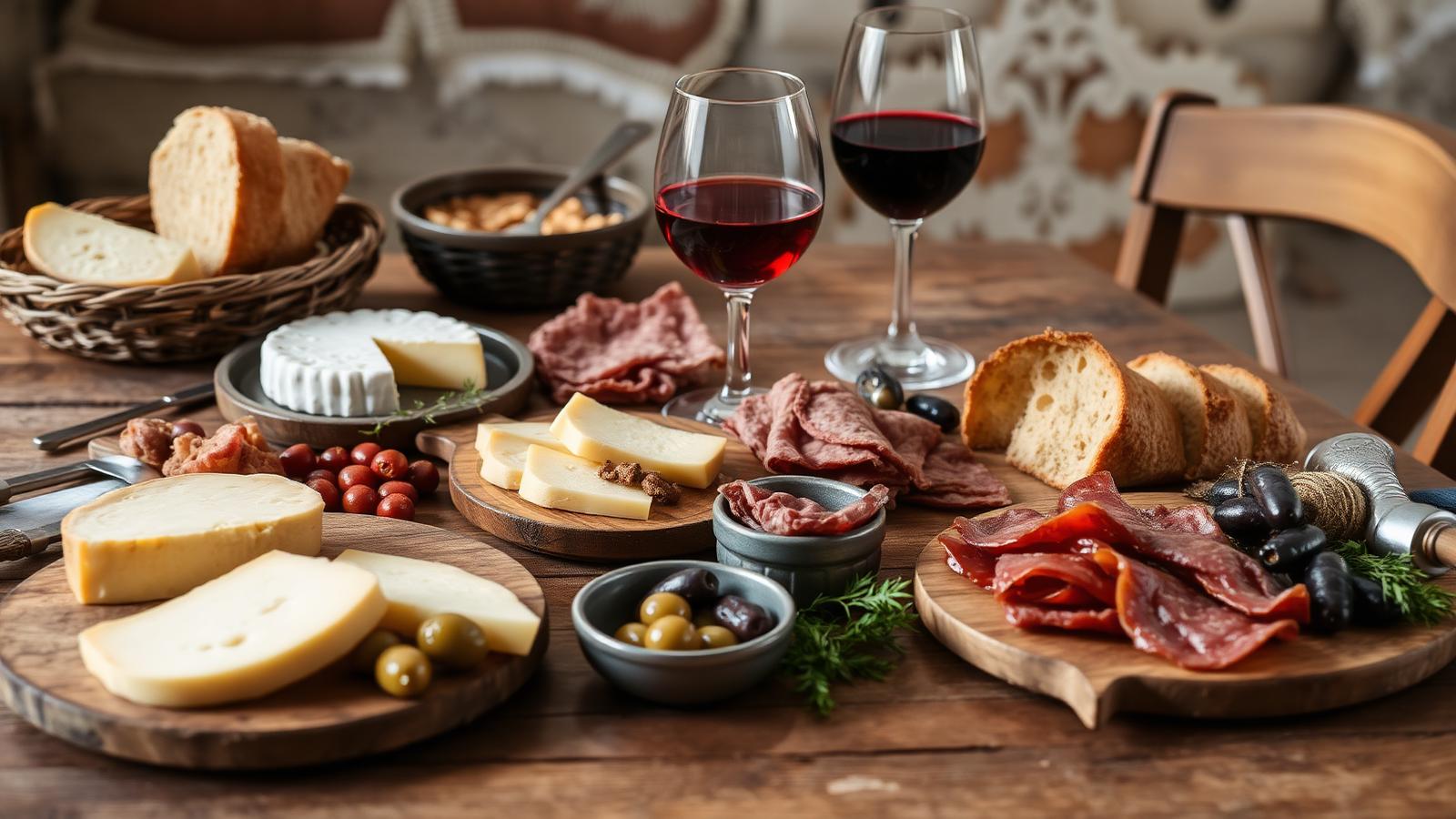
The cuisine of Dalmatia is a perfect complement to its wines – fresh, seasonal, and deeply flavorful. Envision long, leisurely meals shared by the sea, where simply grilled fish and seafood take center stage, seasoned with local olive oil and foraged herbs. Hearty peka dishes, slow-cooked meats and vegetables under a bell-shaped lid, offer richness that pairs beautifully with the region’s robust reds. Seasonal vegetables, air-dried hams, and artisanal cheeses complete the tableau. Each dish, unpretentious and bursting with authentic Mediterranean taste, enhances the experience of the local wines, creating unforgettable sensory memories.
Getting to know Dalmatia
What Dalmatia tastes like
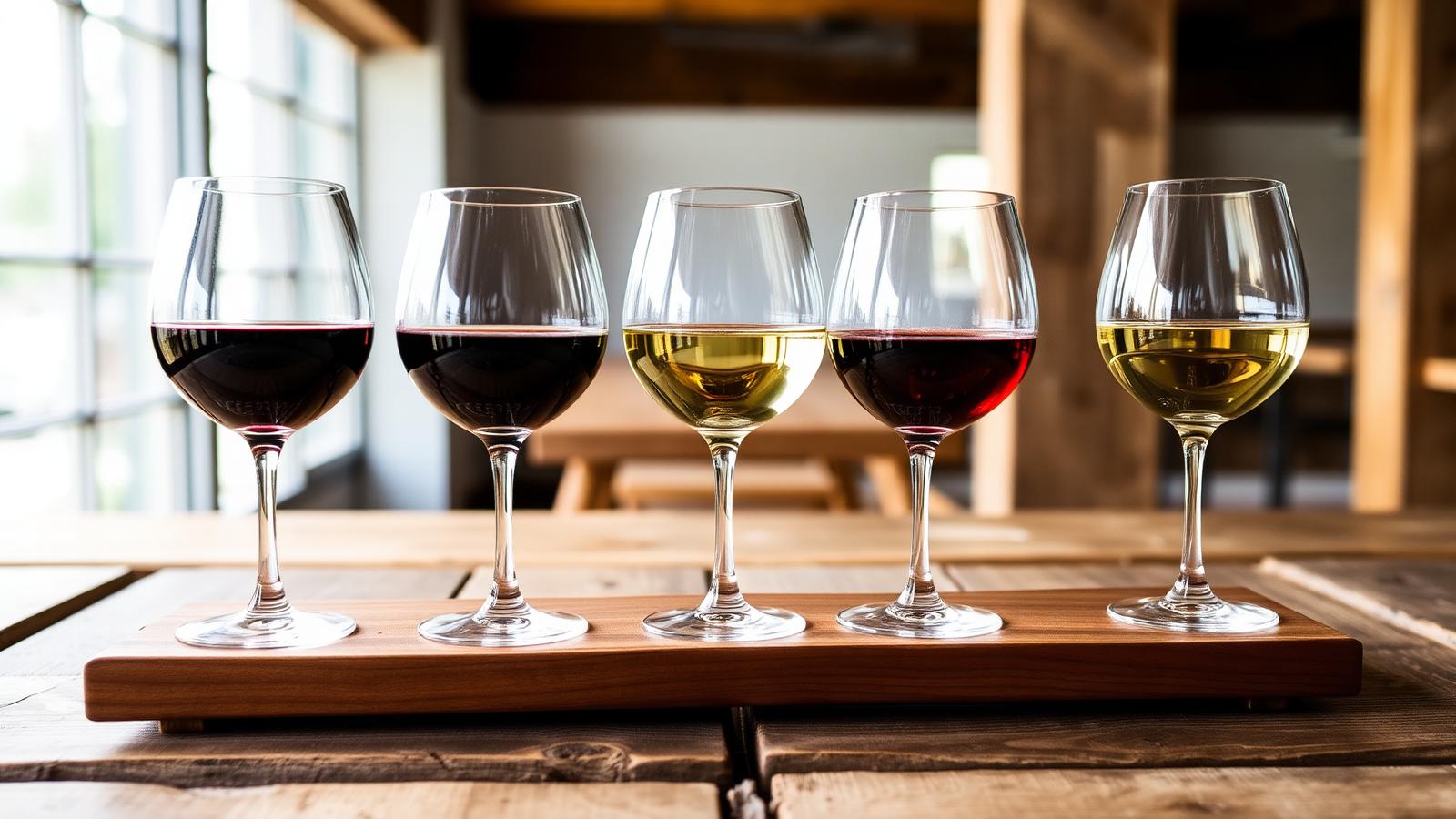
Wines from Dalmatia tend to reflect the region's climate and terrain more than any single style. Look for a sense of place in the glass — mineral notes from stony soils, freshness where nights are cool, richer texture where the sun lingers longer. A short flight of local wines is the fastest way to feel the range.
Rhythms of the year
Dalmatia moves with the seasons. Spring is quiet and green, summer brings long light and full terraces, harvest is intense and communal, and winter turns the vineyards into a stark, beautiful sculpture. Every season is a good reason to come — they just make very different trips.
Beyond the tasting room
Some of the most memorable moments in Dalmatia happen away from the vines: a bakery in the next village over, a viewpoint at sunrise, a slow lunch that turns into a slow afternoon. Leave room in your itinerary for the things you can't plan.
Frequently asked questions
When is the best time to visit Dalmatia for a wine-focused trip?
The shoulder seasons, particularly late spring (May-June) or early autumn (September-October), are ideal for a Dalmatian wine adventure. During these months, the weather is pleasantly warm without the intense summer heat, vineyard activity is engaging, and the tourist crowds are lighter. Late September offers the chance to experience the harvest. You'll find it easier to secure accommodations and reservations, and the softer light during these times makes for truly picturesque vineyard and coastal scenery, perfect for exploring both wine and culture.
What kind of transportation should I plan for exploring the region's wineries?
Renting a car offers the most flexibility for exploring Dalmatia's diverse wine regions, especially if you plan to visit vineyards off the main routes or on the islands (ferries accommodate cars). Remember that many roads, particularly on islands or to smaller villages, can be narrow and winding. Alternatively, consider hiring a private driver for a day or two, especially for dedicated tastings, allowing everyone in your group to fully enjoy the wines responsibly. Public transportation between towns is available, but less convenient for direct winery access across multiple locations.
Are most wine tastings in Dalmatia structured or more casual?
You’ll find a delightful mix in Dalmatia. Many smaller, family-run producers offer intimate, casual tastings, often hosted by the winemaker themselves, sometimes even in their home. These experiences are wonderful for personal connection. Larger, more established properties might offer more structured tours and formal tasting rooms. Regardless, most experiences are deeply personal and unhurried. It's always advisable to make an appointment, especially for smaller establishments, to ensure they can accommodate you and provide the best possible experience, allowing you to truly immerse yourself.
What are some common local customs or etiquette I should be aware of when visiting wineries?
Dalmatians are known for their warm hospitality. A friendly 'Dobar dan' (Good day) upon arrival is always appreciated. It's customary to accept an offer of water or a small snack that might accompany your tasting, and lingering over the experience rather than rushing is part of the local pace. If you're offered a second glass, it's polite to accept. Showing genuine interest in the history, the land, and the winemaking process will be well received. Remember that many winemakers are passionate about their family traditions, so respectful engagement is key.