

Wineries & Wine Tours in Croatia
Regions
Imagine sunlight glinting off ancient stone, the scent of wild herbs carried on a sea breeze, and the murmur of conversation over a glass of something refreshingly bright. Croatia, a land where history is etched into every hillside and the Adriatic whispers tales of old, offers a wine journey unlike any other. This is a country of profound contrasts – sun-drenched islands giving way to fertile plains, rugged mountains meeting a crystalline coast – and each landscape contributes its unique voice to the viticultural symphony.
Here, winemaking is not just an industry; it is a thread woven into the very fabric of life, passed down through generations. Ancient Roman amphorae found beneath modern vines hint at a heritage stretching back millennia, a continuous conversation between soil, climate, and human endeavor. It’s a place where indigenous varietals, many rarely found beyond these borders, tell stories of resilience and adaptation, offering palates a discovery of the unexpected.
To discover Croatian wine is to slow down, to taste the land, and to feel the rhythm of a culture deeply connected to its agricultural roots. It’s about lingering over a meal that celebrates local bounty, sharing laughter with newfound friends, and witnessing the sheer beauty of vineyards cascading towards the sea or nestled in verdant valleys. This is an invitation to explore a wine world both ancient and vibrantly new, where every glass is a sip of tradition, generosity, and exquisite natural beauty.
Coastal Allure & Island Vines
Along the Dalmatian coast and across its scattered islands, the vineyards cling to sun-drenched rocky slopes, defying gravity and embracing the Mediterranean embrace. Here, the sea's influence is paramount, imparting a briny minerality and a refreshing character to the wines. Grapes like Pošip and Malvazija Istarska thrive in this coastal warmth, yielding aromatic whites that speak of citrus groves and sea air. Further south, the robust grape, a resilient native, basks in intense sunlight, producing reds of depth and concentration, often with notes of dark berries and a hint of wild herbs. Traveling these paths is to feel the warm sun on your skin, the sea breeze in your hair, and the echoes of ancient viticulture.
What makes a trip here special
A landscape shaped by the vine
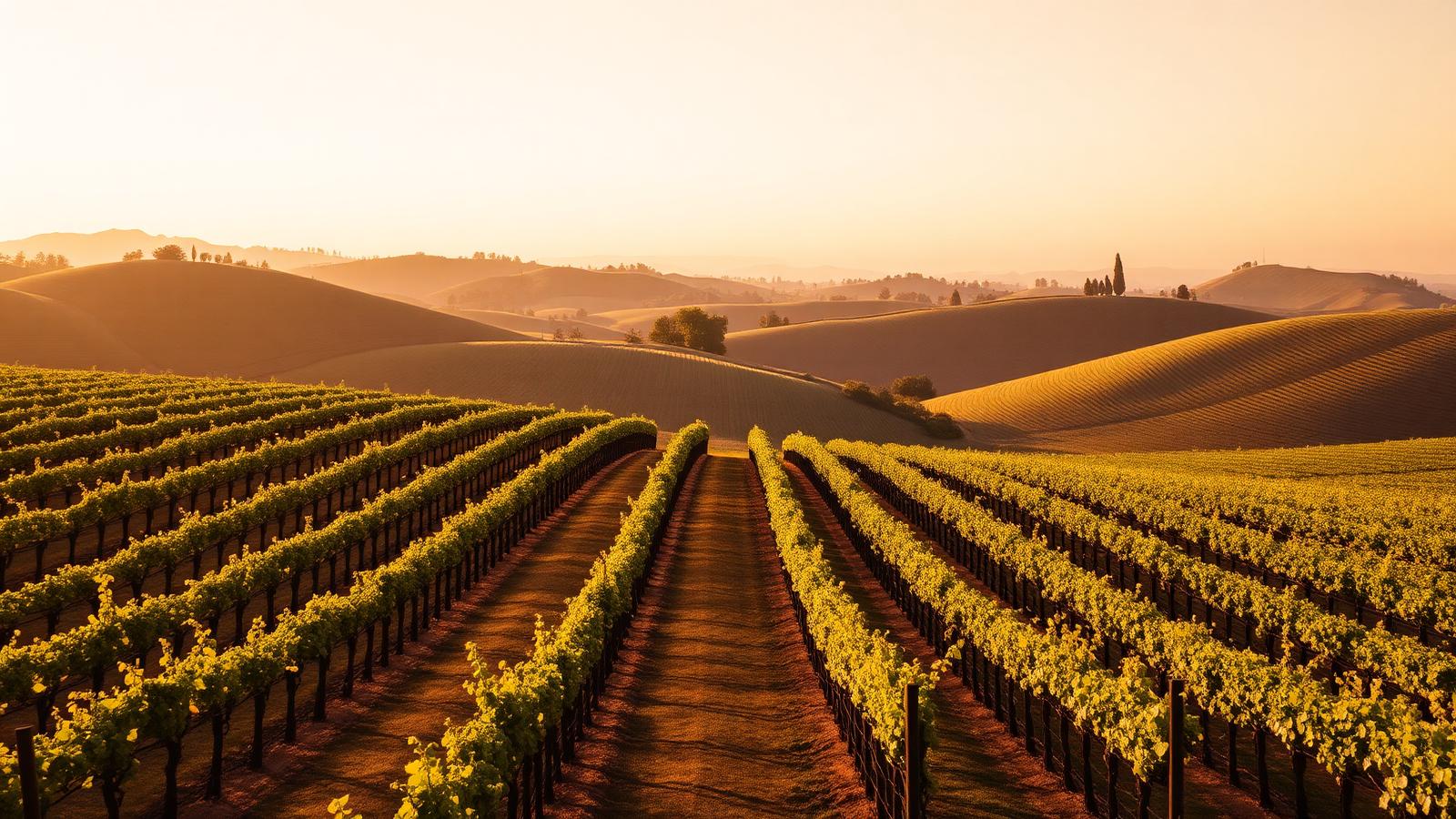
Vineyards in Croatia follow the geography — rivers, ridgelines, coastlines, and altitude all leave their fingerprints on the wine. Driving between regions is often as memorable as the tastings themselves.
Food that grew up next to the wine
The best pairings for Croatia's wines are almost always the dishes that grew up alongside them. Local markets, family-run restaurants, and roadside stops turn a wine trip into a full sensory tour of the country.
A calendar worth planning around
Harvest, pruning, spring flowering, and long lazy summers each give Croatia's wine regions a completely different mood. Choosing when you visit is almost as important as choosing where.
Frequently asked questions
What is the best time of year to visit Croatia for a wine trip?
The shoulder seasons, late spring (May-June) and early autumn (September-October), are ideal. In spring, the vineyards are lush and green, and the weather is pleasantly warm, perfect for exploring. Early autumn offers the magic of harvest season, with vibrant activity in the vineyards and cellars, and delightfully mild temperatures. Summer can be quite hot and crowded, especially along the coast, though a refreshing glass of local white wine always offers welcome respite. Winter is quieter, offering a more intimate experience of the continental regions.
Do I need to speak Croatian to enjoy the wine regions?
No, while learning a few basic Croatian phrases is always appreciated, English is widely spoken, especially in tourist areas and among younger generations, as well as in many family-run establishments that welcome visitors. You'll find that enthusiasm for wine often transcends language barriers, and local winemakers are generally keen to share their passion. Don't hesitate to engage; gestures and a friendly smile go a long way in making connections and discovering hidden gems.
Are Croatian wine regions easy to navigate independently, or should I consider a guided tour?
Both options are excellent, depending on your preference. Many coastal regions are quite accessible by car, allowing for independent exploration at your own pace. However, some vineyards can be tucked away on smaller roads. For deeper insights and hassle-free logistics, especially if you plan to taste extensively, a guided tour or a local driver can enhance your experience considerably. They often have established relationships with smaller producers and can offer unique perspectives you might miss on your own. It's about how deeply you wish to immerse yourself.
What are some practical considerations for tasting and purchasing wine in Croatia?
It's common for smaller establishments to accept cash, especially in more rural areas, so it's wise to carry some local currency (Euros). Tasting fees, if applied, are often modest and sometimes waived with a purchase. When buying wine, ask if you're planning to travel with it; some bottles may require special packaging. Remember that many smaller family producers might have limited stock of certain vintages, making your purchase truly special. Enjoy the discovery and the stories behind each bottle—it's part of the authentic Croatian wine experience.