

Istria & Kvarner Wineries & Wine Tours
Sub-regions
Culinary Harmonies
Istria's culinary scene is a seamless extension of its winemaking heritage, reflecting a deep respect for local ingredients and traditional methods. The influence of both Italian and Central European cuisine is evident, yet distinctly Istrian. Wild truffles, foraged from the peninsula's oak forests, are shaved generously over pasta or scrambled eggs, their earthy aroma a perfect dance with the region's robust red wines. Fresh seafood, caught daily from the clear Adriatic waters, finds its way to tables, often simply grilled or prepared in a light sauce, ideally paired with crisp, mineral-driven white wines. Olives groves abound, yielding golden, peppery oil that elevates every dish, transforming a simple meal into a memorable feast.
The Terroir's Embrace
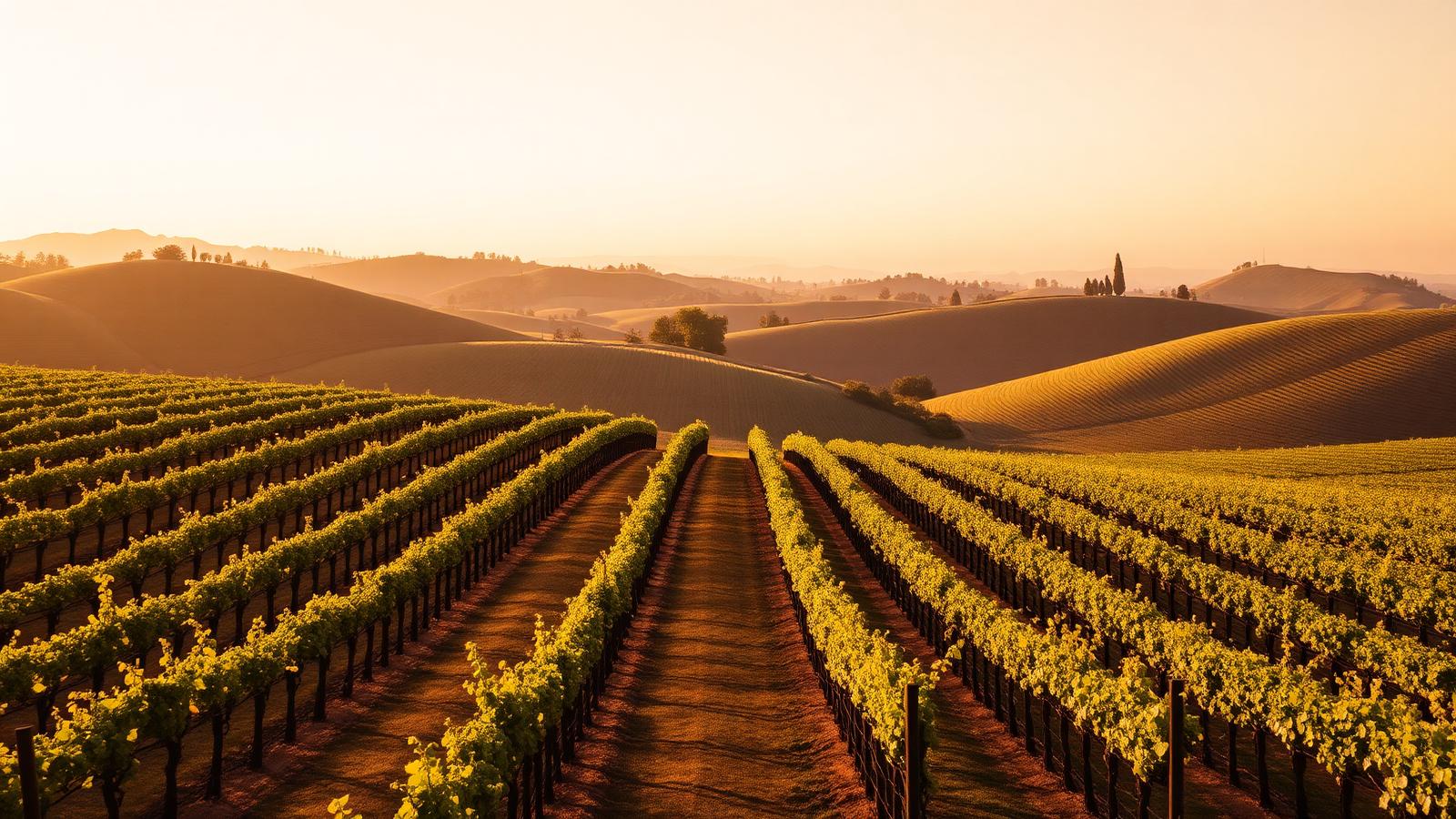
Istria’s varied terrain is a winemaker’s dream, a symphony of microclimates and soil compositions that gifts its wines their distinctive character. From the 'red' earth (terra rossa) near the coast, ideal for deeper, more structured reds like Teran, to the 'white' and 'gray' soils of the interior, rich in limestone and marl, perfect for aromatic whites such as Malvazija Istarska. The Adriatic's moderating influence ensures warm, sun-drenched days and cooler, breezy nights, allowing grapes to ripen slowly and fully, developing complex aromatics and maintaining crucial acidity. This geographical diversity cultivates a wide spectrum of styles, from vibrant and zesty to rich and textural, all imbued with a palpable sense of place.
Getting to know Istria & Kvarner
What Istria & Kvarner tastes like
Wines from Istria & Kvarner tend to reflect the region's climate and terrain more than any single style. Look for a sense of place in the glass — mineral notes from stony soils, freshness where nights are cool, richer texture where the sun lingers longer. A short flight of local wines is the fastest way to feel the range.
Rhythms of the year
Istria & Kvarner moves with the seasons. Spring is quiet and green, summer brings long light and full terraces, harvest is intense and communal, and winter turns the vineyards into a stark, beautiful sculpture. Every season is a good reason to come — they just make very different trips.
Beyond the tasting room
Some of the most memorable moments in Istria & Kvarner happen away from the vines: a bakery in the next village over, a viewpoint at sunrise, a slow lunch that turns into a slow afternoon. Leave room in your itinerary for the things you can't plan.
Frequently asked questions
What is the best time of year to visit Istria for a wine tour?
The shoulder seasons, particularly late spring (May to early June) and early autumn (September to October), offer the most enchanting experience. In spring, the vineyards burst with fresh growth and the weather is pleasantly mild, perfect for touring. Autumn brings the excitement of harvest, vibrant colours in the landscape, and cooler temperatures that are ideal for longer explorations. Avoid the peak summer months of July and August if you prefer fewer crowds and a more relaxed pace, as temperatures can also be quite high then.
What are the essential native grape varieties I should look for in Istria?
For white wines, Malvazija Istarska is the undisputed star. It’s a versatile grape producing everything from light, aromatic everyday wines to complex, skin-contact styles. You’ll find notes of white peach, almond, and a characteristic minerality. Among the reds, Teran is the regional champion. It yields wines with deep ruby colour, sturdy tannins, and flavours of wild berries, black currant, and a distinctive earthy, sometimes ferrous, character. Seeking out these indigenous varieties will truly immerse you in Istrian wine culture.
Is it easy to navigate the Istrian wine region independently, or should I consider a guided tour?
Istria is generally very accessible for independent travellers. The road network is good, and many vineyards are signposted. However, a guided tour can significantly enhance your experience, especially if you wish to delve deeper into the local winemaking philosophy and history without the worry of driving. Guides often have personal relationships with winemakers, offering access to experiences not always available to the public. For those who prefer flexibility, self-driving allows for spontaneous discoveries and lingers at charming villages.
What unique culinary experiences should I seek out alongside wine tasting in Istria?
Beyond , Istria offers a wealth of gastronomic delights. Truffle hunting expeditions are a memorable adventure, often followed by a meal featuring your freshly unearthed treasures. Seek out konobas, traditional family-run eateries, for authentic local cuisine like fuži (a type of pasta) with different sauces, or grilled fish with local olive oil. Don't miss sampling the region's acclaimed olive oils, often available for tasting directly at the groves. These culinary traditions are deeply intertwined with the landscape and its wines.