

Wineries & Wine Tours in Czech Republic
Regions
In the heart of Central Europe lies a land where ancient forests meet sun-drenched hillsides, and rivers meander through historic towns: the Czech Republic. While often celebrated for its rich brewing traditions, a vibrant, nuanced wine culture has quietly blossomed here for centuries, offering an experience distinct from its flashier Western European neighbors. It's a journey into an older, perhaps gentler, rhythm of winemaking, deeply woven into the fabric of its Moravian and Bohemian landscapes.
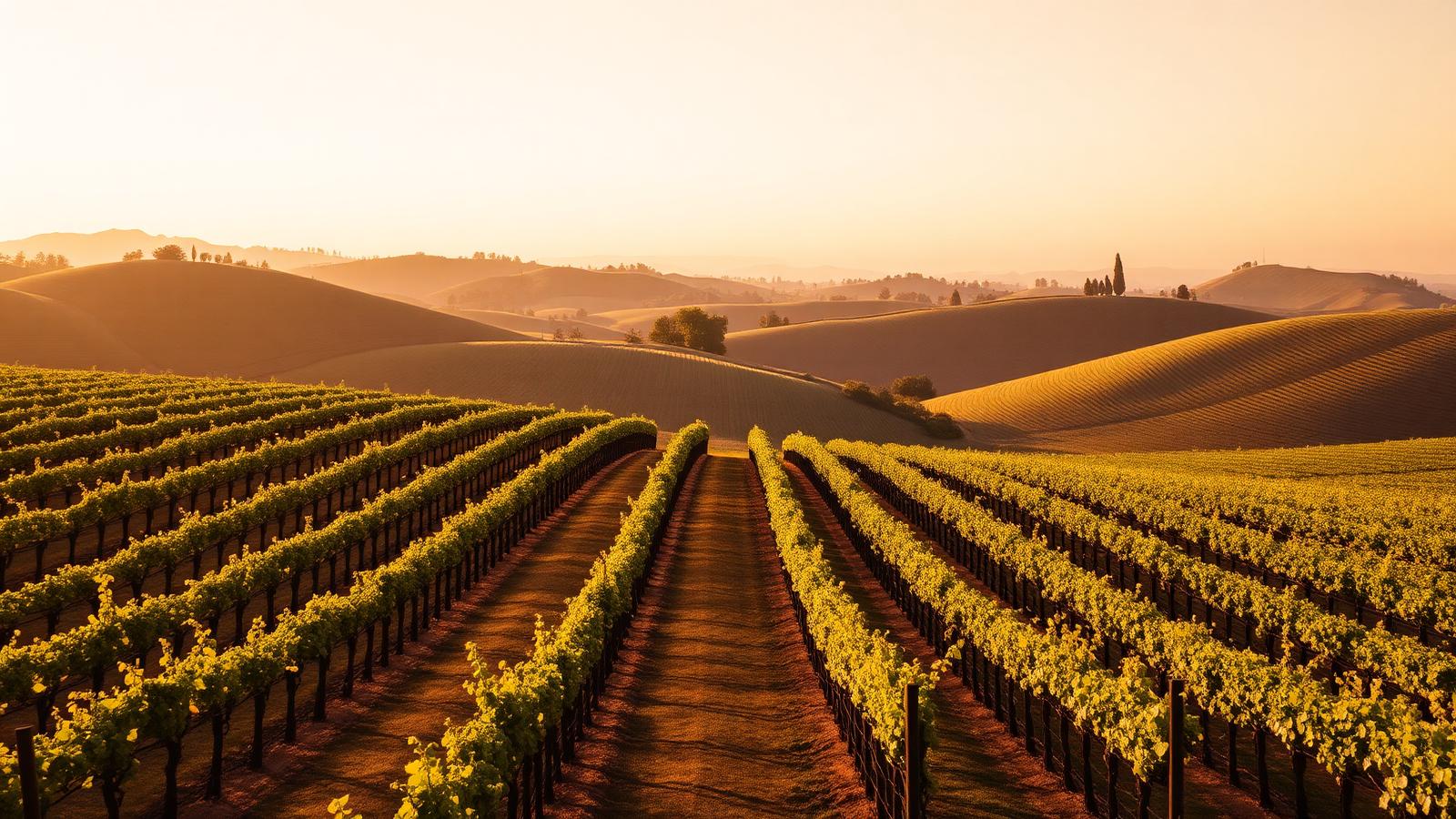
Imagine rolling hills, sometimes gentle and sometimes dramatic, sculpted by millennia of cultivation. Here, the Pálava hills rise like an island, lending their unique microclimate and mineral-rich soils to grapes that sing of flint and sunshine. This isn't a place of vast, monocultural vineyards, but rather a patchwork quilt of smaller, often terraced plots, each with its own story. The air carries whispers of history, from Roman legions who first planted vines to medieval monasteries that perfected their craft.
To explore Czech wine is to discover a dedication to both tradition and innovation. It's about crisp, aromatic whites that capture the essence of a cooler climate, and lighter, elegant reds that surprise with their depth. It's a journey not just for the palate, but for the soul – an invitation to slow down, to savor, and to connect with a land where every glass tells a story of perseverance, passion, and the quiet beauty of Central European .
Culinary Tapestry
Czech cuisine, often hearty and comforting, finds a delightful counterpart in its wines. Imagine crisp, dry Rieslings or floral Pálava matched with the rich creaminess of Moravian cheeses, or a bright, high-acid cutting through the succulence of roast goose or pork with sauerkraut and dumplings. The subtle spice and fruit of a local Frankovka can beautifully complement goulash or venison. Dining here is a leisurely affair, where generous portions and traditional recipes are elevated by a thoughtfully chosen local wine, transforming a meal into a true cultural embrace and a taste of authentic Central European hospitality.
Moravian Terroir and Grapes
Moravia, the warmer and more prolific wine region, unfurls across gentle slopes and fertile plains, particularly in its southern reaches. The Pálava limestone hills, a geological marvel, bestow a unique minerality upon the grapes grown there. Here, aromatic white varieties truly shine. , with its characteristic peppery zest, thrives alongside Müller Thurgau and the distinctively local Pálava grape, a perfumed cross that yields wines of exotic fruit and spice. Though less common, delicate reds like and Frankovka () find their voice in pockets, offering vibrant fruit and earthy undertones, reflecting the region's diverse soils and dedicated growers.
What makes a trip here special
A landscape shaped by the vine
Vineyards in Czech Republic follow the geography — rivers, ridgelines, coastlines, and altitude all leave their fingerprints on the wine. Driving between regions is often as memorable as the tastings themselves.
Food that grew up next to the wine
The best pairings for Czech Republic's wines are almost always the dishes that grew up alongside them. Local markets, family-run restaurants, and roadside stops turn a wine trip into a full sensory tour of the country.
A calendar worth planning around
Harvest, pruning, spring flowering, and long lazy summers each give Czech Republic's wine regions a completely different mood. Choosing when you visit is almost as important as choosing where.
Frequently asked questions
What is the best time of year for a wine tour in the Czech Republic?
For an immersive experience, late summer through autumn (August to October) is ideal. August sees vineyards at their greenest and most vibrant, while September and early October bring the bustling energy of harvest and various wine festivals (vinobraní), particularly in Moravia. The weather is generally pleasant, perfect for exploring cellars and enjoying the outdoors. Spring and early summer also offer beautiful landscapes and quieter tasting experiences before the main harvest rush, with fewer crowds and fresh, young wines.
Are English speakers readily accommodated in Czech wine regions?
While Czech is the primary language, you'll find that many winemakers and cellar staff, especially in the more established wine tourism areas of Southern Moravia, have at least a working knowledge of English. It’s always appreciated to learn a few basic Czech phrases like 'Dobrý den' (good day) or 'Děkuji' (thank you), but communication is generally manageable. Larger tasting rooms and hotels often have English-speaking representatives to ensure a smooth and welcoming experience for international visitors, making navigation straightforward.
What kind of transportation is best for exploring Czech wine regions?
For ultimate flexibility and access to smaller, more remote vineyards, renting a car is highly recommended. This allows you to explore at your own pace and discover hidden gems. However, public transport, particularly trains and buses, connects many of the main towns in wine regions like South Moravia. Consider hiring a private driver or joining a small group tour for specific tasting days if you prefer not to drive yourself to enjoy the wines fully. Cycling paths are also popular, offering a scenic way to traverse vineyards.
Beyond wine, what other cultural experiences should I seek in Czech wine country?
Czech wine regions offer a rich tapestry of history and culture. Explore UNESCO World Heritage sites like the Lednice-Valtice Cultural Landscape with its stunning castles and manicured parks, or the charming historic town centers like Mikulov, perched dramatically on a rock. You'll find ancient monasteries and folk museums showcasing traditional Moravian crafts and customs. Enjoy local cuisine in traditional pubs and restaurants, where the hearty dishes are as much a part of the cultural experience as the wines. Consider attending a local festival or market for a true taste of regional life.