

Moravia Wineries & Wine Tours
Sub-regions
Culinary Companions
The Moravian table is an extension of its vibrant landscape and warm hospitality, with cuisine that perfectly complements its wines. Regional dishes often feature hearty, wholesome ingredients, slow-cooked to perfection. You'll find influences of traditional Central European cooking, with an emphasis on fresh produce, game, and freshwater fish. Rich stews, roast meats, and delicate dumplings find their ideal partner in the region's robust reds, while the lighter, aromatic white wines cut beautifully through richer sauces or brighten the flavors of lighter poultry and vegetable dishes. Meals here are unhurried affairs, designed for shared joy and convivial conversation.
Varietals and Vintages
Moravia is celebrated for its aromatic white grape varieties, which truly capture the essence of its unique climate. Müller Thurgau, , and flourish here, yielding wines that are light, refreshing, and filled with vibrant fruit notes and a distinctive minerality. However, the region also surprises with elegant reds, particularly and Saint Laurent, which express a beautiful freshness and spicy complexity. The varied allows for a fascinating spectrum of styles, from dry and crisp to semi-dry and even sweet, each vintage reflecting the character of its year and the careful craftsmanship inherent in Moravian winemaking traditions.
The Gentle Terroir
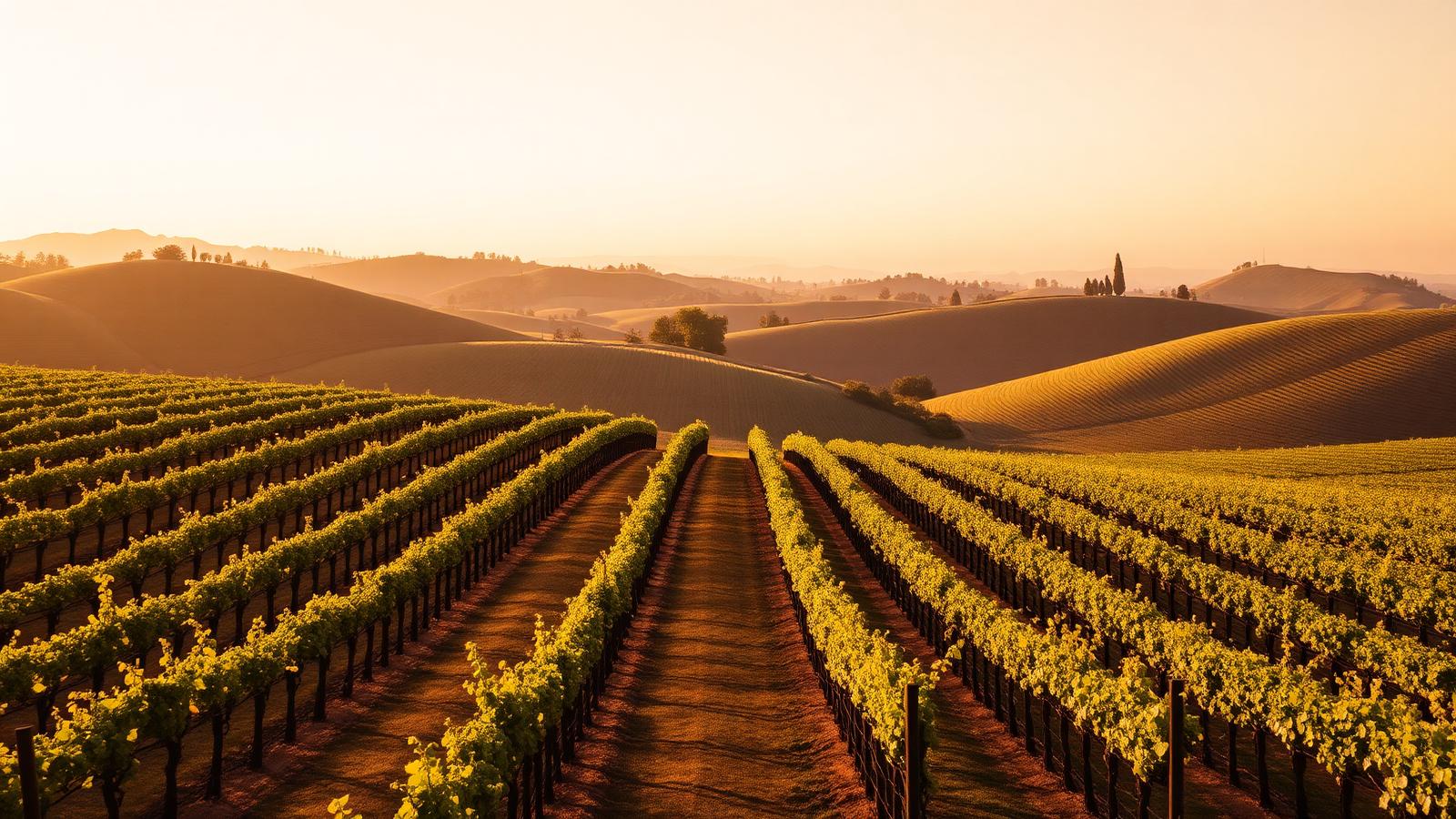
Moravia's distinctiveness lies in its gentle, rolling hills, a softer landscape than many European wine regions, yet deeply impactful. The Pannonian Plain influences from the southeast bring warmth, while cooler air currents from higher altitudes maintain an ideal balance, extending the ripening season and protecting the grapes. Loess and clay soils, often rich in limestone, provide excellent drainage and impart a unique mineral character to the wines. This harmonious interplay of geography, geology, and microclimates creates a serene environment where vines thrive, contributing to the aromatic purity and elegance characteristic of Moravian wines. The quiet beauty of the vine-covered slopes invites exploration.
Getting to know Moravia
What Moravia tastes like
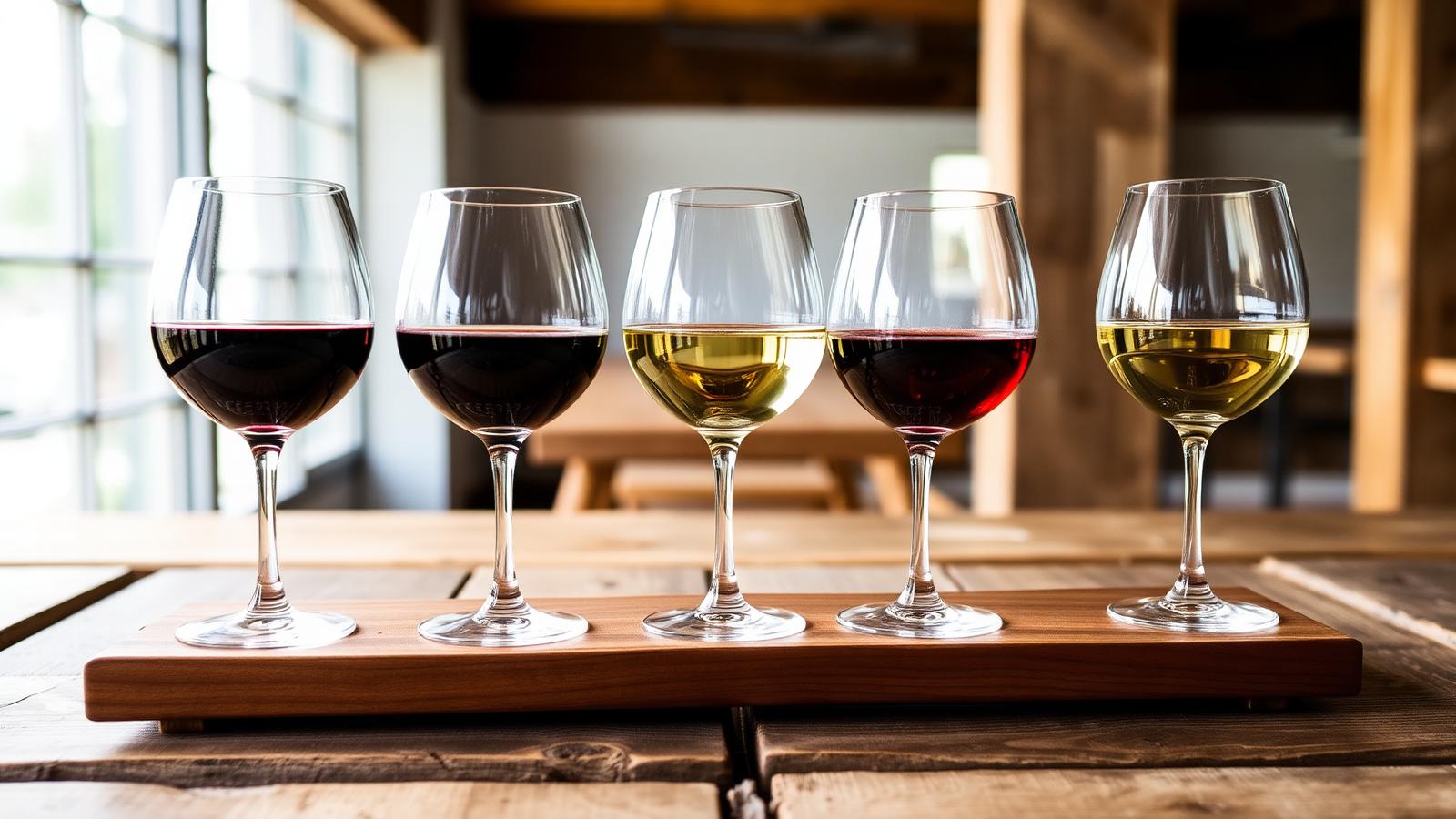
Wines from Moravia tend to reflect the region's climate and terrain more than any single style. Look for a sense of place in the glass — mineral notes from stony soils, freshness where nights are cool, richer texture where the sun lingers longer. A short flight of local wines is the fastest way to feel the range.
Rhythms of the year
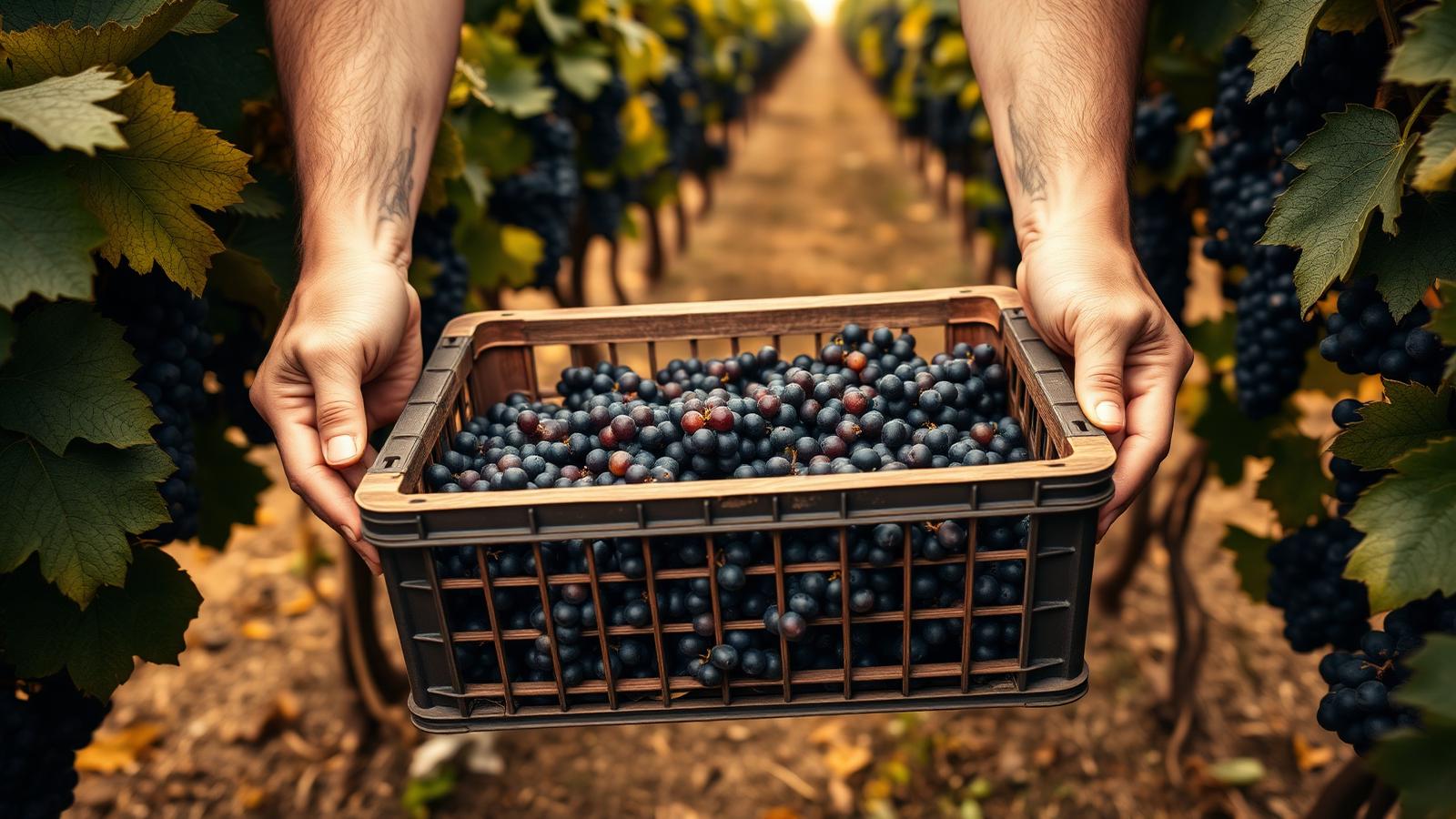
Moravia moves with the seasons. Spring is quiet and green, summer brings long light and full terraces, harvest is intense and communal, and winter turns the vineyards into a stark, beautiful sculpture. Every season is a good reason to come — they just make very different trips.
Beyond the tasting room
Some of the most memorable moments in Moravia happen away from the vines: a bakery in the next village over, a viewpoint at sunrise, a slow lunch that turns into a slow afternoon. Leave room in your itinerary for the things you can't plan.
Frequently asked questions
When is the best time of year to visit Moravia for a wine experience?
The most enchanting time to visit Moravia for its wine is during the late summer and early autumn. September, in particular, offers a magical experience as the harvest season begins, with lively festivals, bustling cellars, and the air filled with the scent of ripe grapes. The weather is generally pleasant, with warm days and cooler evenings perfect for enjoying outdoor tastings and serene strolls through the vineyards. Late spring, in May and June, also provides beautiful scenery with budding vines and less crowded venues, offering a more intimate glimpse into the winemaking cycle.
What kind of transportation is recommended for exploring the wine regions of Moravia?
To truly immerse yourself in the Moravian wine country, a car provides the most flexibility, allowing you to explore the charming villages and scenic vineyards at your own pace. The roads are well-maintained, and driving offers the freedom to discover hidden gems. Alternatively, many areas are navigable by bicycle, with well-marked wine routes that wind through picturesque landscapes, offering an active way to experience the region. Public transport connects larger towns, but a car or bike greatly enhances the exploration of smaller, more intimate wine-producing communities.
Are there opportunities for English-speaking visitors to engage with local winemaking traditions?
While Czech is the primary language, you will find that many establishments catering to visitors, especially in the more prominent wine-producing villages and lodging options, have English-speaking staff. It is always helpful to learn a few basic Czech phrases, but language should not be a significant barrier to enjoying the local culture. Many of the newer generation of winemakers and those involved in wine tourism are proficient in English and eager to share their passion and traditions with international guests, offering a warm and welcoming experience.
What is the typical price range for wine tastings and purchases directly from producers in Moravia?
Compared to some other established European wine regions, Moravia offers excellent value. Wine tastings, often including several samples, are typically very affordable, ranging from a modest fee to a slightly higher price depending on the number and exclusivity of wines offered. Purchasing bottles directly from producers usually presents significant savings over retail prices, with quality wines available across a spectrum of price points, from everyday enjoyment to special occasion selections. This makes exploring and collecting Moravian wines a very accessible and rewarding experience for any budget.