

Ahr Wineries & Wine Tours
Sub-regions
Pinot Noir's Northern Home
While Germany is renowned for its white wines, the Ahr distinguishes itself as a bastion of Spätburgunder (). This noble grape finds its northern apotheosis here, producing wines of remarkable finesse and depth. Expect an aromatic spectrum ranging from wild cherries and raspberries to delicate earthy undertones, often expressing a vibrant acidity and a silken texture. Beyond its flagship, a smaller cultivation of Frühburgunder offers an earlier-ripening, often more aromatic, and softer expression of Pinot. These are red wines for contemplation, reflecting the cool climate and the meticulous craftsmanship of their origin, inviting discovery around every bend of the river.
Terraced Slopes and Slate Soils
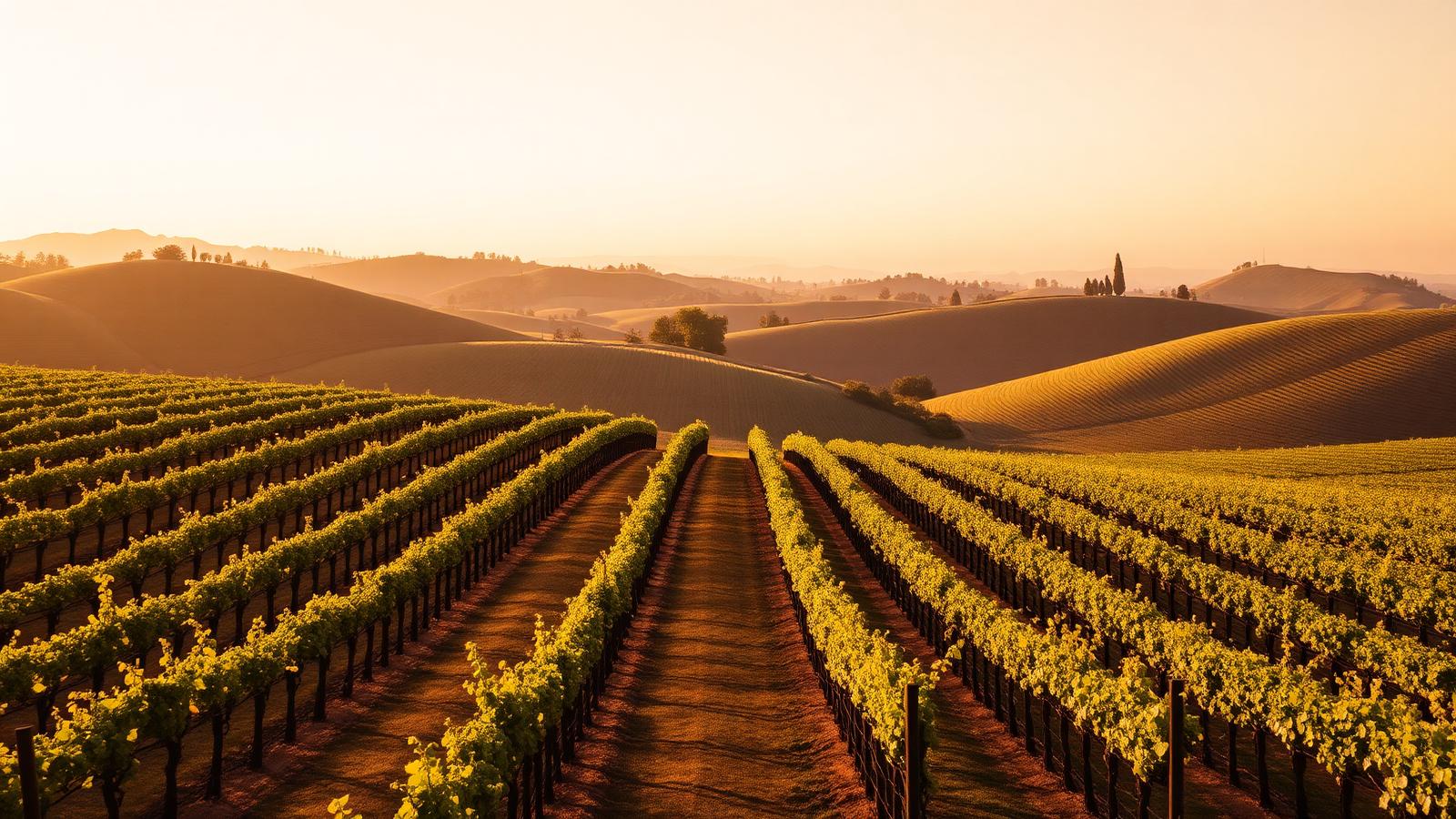
The Ahr's dramatic, steep terraces, meticulously hand-built over centuries, are its defining feature. These sun-drenched amphitheaters, often composed of dark greywacke and volcanic slate, capture every precious ray, creating a microclimate warm enough for red grapes to flourish. This unique geological tapestry imbues the wines with a distinctive mineral character and a refined acidity. Exploring these terraced landscapes, whether on foot or by bicycle, offers breathtaking vistas and a profound connection to the labor and love poured into every vine. The river below mirrors the sky, reflecting a beauty both wild and cultivated, deeply etched into the very fabric of the land.
Getting to know Ahr
What Ahr tastes like
Wines from Ahr tend to reflect the region's climate and terrain more than any single style. Look for a sense of place in the glass — mineral notes from stony soils, freshness where nights are cool, richer texture where the sun lingers longer. A short flight of local wines is the fastest way to feel the range.
Rhythms of the year
Ahr moves with the seasons. Spring is quiet and green, summer brings long light and full terraces, harvest is intense and communal, and winter turns the vineyards into a stark, beautiful sculpture. Every season is a good reason to come — they just make very different trips.
Beyond the tasting room
Some of the most memorable moments in Ahr happen away from the vines: a bakery in the next village over, a viewpoint at sunrise, a slow lunch that turns into a slow afternoon. Leave room in your itinerary for the things you can't plan.
Frequently asked questions
What is the best time of year to visit the Ahr valley for wine tourism?
The ideal time to visit the Ahr valley is typically from late spring (May-June) through early autumn (September-October). In spring, the vineyards burst with new growth, and the weather is pleasantly mild for hiking and cycling. Early autumn, particularly September, offers the excitement of harvest season, often with warm, sunny days and festive atmospheres in the villages. Winter can be quiet but charming, with opportunities for cozy evenings by a fire and tasting robust red wines, though some smaller establishments might have limited hours.
What kind of transportation is recommended for exploring the Ahr wine region?
For truly immersing oneself in the Ahr, a combination of walking and cycling is highly recommended. The Ahrsteig hiking trail offers stunning vineyard views, and numerous well-maintained cycle paths follow the river. Many villages are connected by public transport, making it possible to integrate trains or buses for longer distances. If you plan to visit multiple, more remote wineries or have flexibility with your schedule, renting a car can be advantageous, but be prepared for narrow, winding roads in some vineyard areas. Taxis are available in the larger towns.
Are English speakers easily accommodated in the Ahr valley, especially in smaller villages?
While German is the primary language, you will generally find that English is understood and spoken in most of the larger wine estates, hotels, and restaurants, particularly in Ahrweiler and Bad Neuenahr. In smaller, more traditional villages, English might be less common, but a cheerful attitude and a few basic German phrases will go a long way. Many maps and tourist information materials are available in English. Don't hesitate to use translation apps or gestures; the people of the Ahr are known for their warm hospitality.
What unique local products or souvenirs should I look for in the Ahr region?
Beyond the exquisite Spätburgunder wines, the Ahr offers several delightful local products. Look for "Ahr-tal" brandies and liqueurs, often distilled from local fruits or grapes. Regional culinary specialties like blood sausage, various types of pâté, and locally produced cheeses are also excellent take-home treats. For non-food items, consider artisanal crafts found in village markets, which might include pottery or textiles inspired by the region's natural beauty. Of course, a few bottles of your favorite Ahr are the most authentic souvenir.