

Wineries & Wine Tours in Germany
Regions
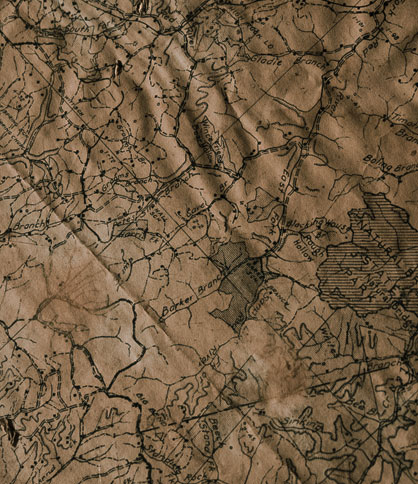
Beneath skies that often whisper secrets through ancient forests, Germany unfurls its wine-growing tapestries along dramatic river bends and sun-drenched slopes. Here, where Roman footsteps once pressed into the earth, a vinicultural heritage thrives, crafting wines that are a vibrant dialogue between tradition and the precise, cool climate. This is a land where the landscape itself seems to hold its breath, reflecting in the glassy surfaces of the Rhine and Mosel, mirroring the quiet intensity found within each bottle.
The journey through Germany's wine regions is an immersion in a culture that values precision, depth, and a profound connection to the land. It is a slow dance with nature, where every vine, every berry, is a testament to centuries of patient cultivation. From the steep, slate-rich terraces that rise like amphitheaters to the gentler, rolling hills further south, the diversity of the terrain nurtures a spectrum of expressions, each speaking of its specific origin with clarity and grace.
Imagine lingering at a riverside table, the air alive with the scent of blossoming vines and the distant murmur of village life, a glass of crystalline white wine catching the afternoon sun. This is the heart of German wine travel: an invitation to breathe deeply, to listen to the stories told by the soil, and to discover the nuanced beauty that unfolds when nature's bounty meets dedicated craftsmanship. It is an experience for the senses, a pilgrimage for the palate, and a journey into the soul of a remarkable wine country.
Rivers, Slopes, and Slate
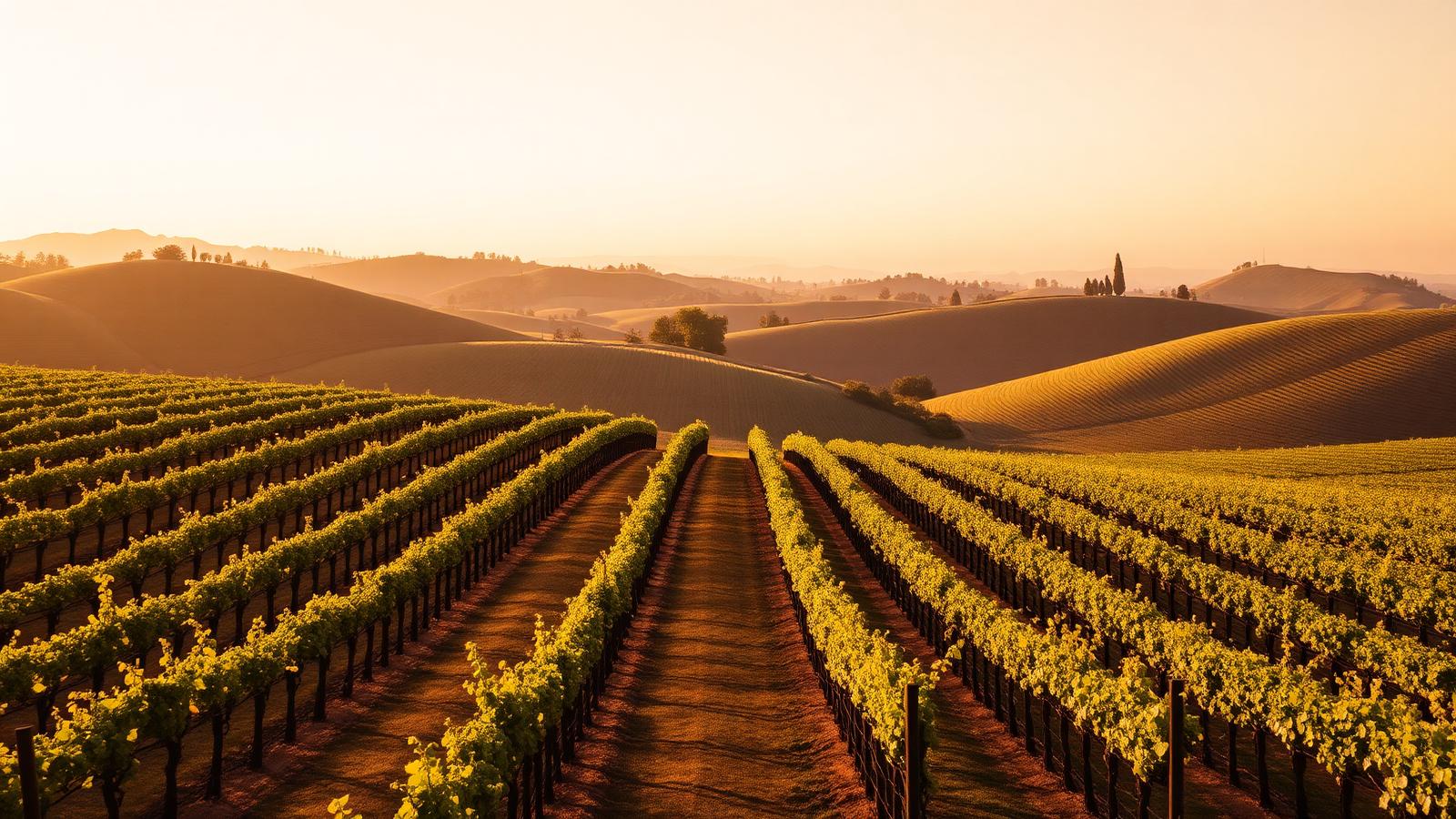
The geography of German wine is defined by its mighty rivers and the steep, sun-kissed slopes that flank their banks. Along the winding Mosel, ancient slate soils impart a distinctive minerality and vibrant acidity to the wines, while the Rhine's broader course embraces a diversity of geology, from loess and clay to sandstone. These natural amphitheaters maximize sun exposure in a northern climate, creating microclimates where delicate grapes can ripen to perfection. The vineyards themselves are often breathtaking, requiring artisanal care and echoing the perseverance ingrained in generations of winegrowers, crafting landscapes as captivating as the wines they yield.
Rhythms of the Seasons
Visiting Germany through the wine seasons reveals the profound connection between nature and cultivation. Spring brings the awakening of the vines, a delicate green emerging against old stone walls, promising the year's bounty. Summer bathes the hills in golden light, the grapes slowly swelling, absorbing the sun's energy. Autumn, however, is the most celebrated, a vibrant canvas of fiery foliage during harvest, a time of bustling activity and anticipation. Even winter holds its charm, with frosty vineyards hinting at the silent work beneath the snow, awaiting the next cycle of growth and renewal, inviting contemplation and quiet observation.
The Soul of German Cuisine
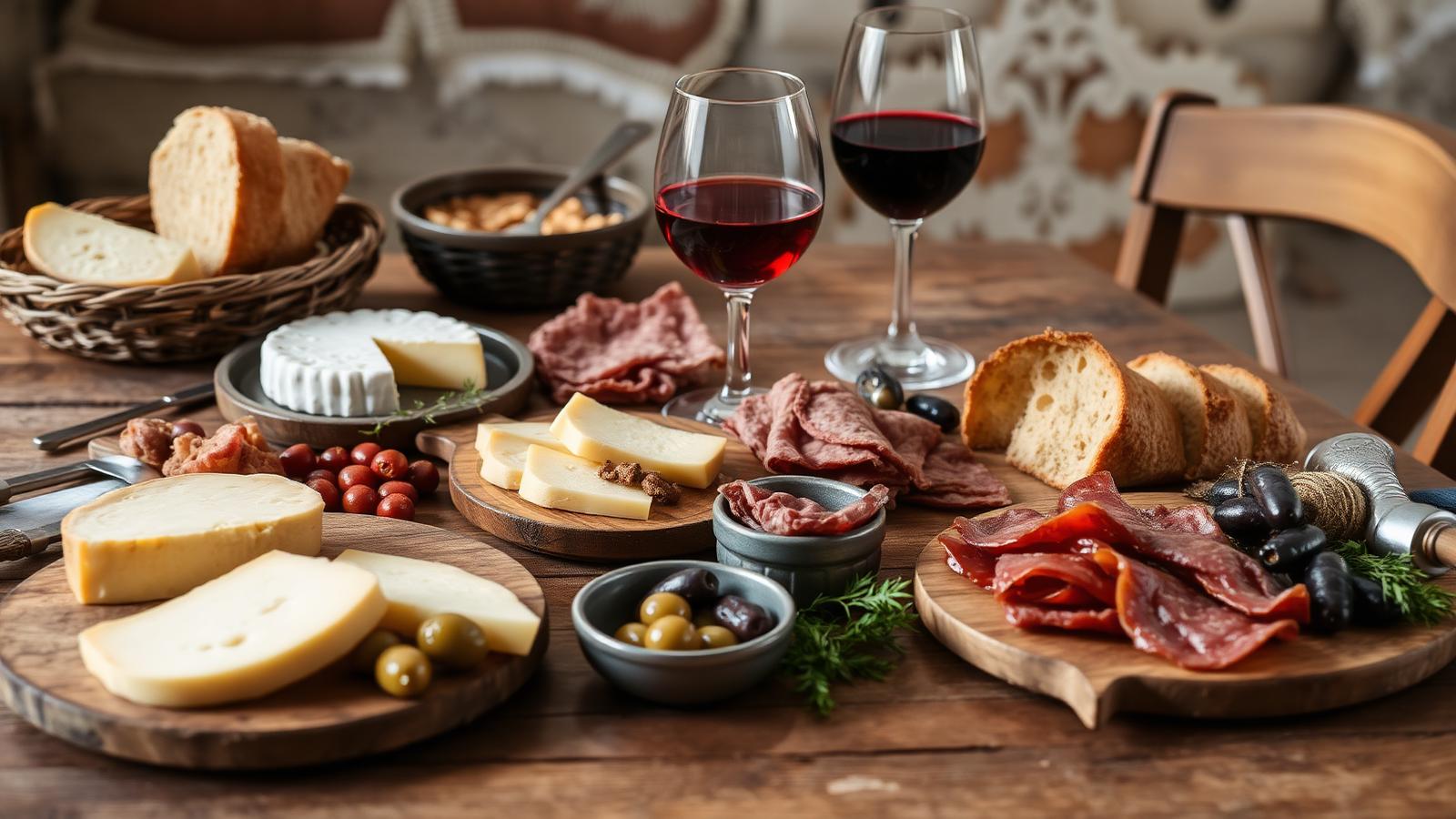
German culinary traditions offer a delightful counterpoint to the elegance and acidity of its wines. Imagine the rich, savory depth of slow-cooked meats or hearty stews, beautifully balanced by a crisp, aromatic white wine. Local specialties, from seasonal white asparagus to regional cheeses and freshwater fish, find their perfect companions among the diverse range of offerings. The emphasis is on fresh, regional ingredients, allowing the purity of flavors to shine. Meals often unfold unhurriedly, a convivial affair where food and wine intertwine, creating memorable moments of warmth and shared enjoyment.
What makes a trip here special
A landscape shaped by the vine
Vineyards in Germany follow the geography — rivers, ridgelines, coastlines, and altitude all leave their fingerprints on the wine. Driving between regions is often as memorable as the tastings themselves.
Food that grew up next to the wine
The best pairings for Germany's wines are almost always the dishes that grew up alongside them. Local markets, family-run restaurants, and roadside stops turn a wine trip into a full sensory tour of the country.
A calendar worth planning around
Harvest, pruning, spring flowering, and long lazy summers each give Germany's wine regions a completely different mood. Choosing when you visit is almost as important as choosing where.
Frequently asked questions
What is the best time of year to visit Germany for a wine trip?
The most enchanting time to experience Germany's wine regions is typically from late spring (May-June) through early autumn (September-October). In May and June, the vineyards burst into vibrant green, and the weather is generally mild. September and October offer the magic of harvest season, with bustling activity, wine festivals, and stunning autumnal foliage. While some operations are open year-round, these months provide the most immersive and picturesque experience of the winemaking cycle and local festivities.
Do I need to speak German to enjoy a wine tour in Germany?
While knowing a few basic German phrases is always appreciated, it is generally not essential for an enjoyable wine trip. In the more prominent wine regions and at many establishments, you will find English-speaking staff, especially at larger tasting rooms, hotels, and tourist information centers. However, venturing into smaller, family-run establishments might involve a bit of gestural communication or a translation app, adding to the charm of an authentic, off-the-beaten-path experience.
Are German wine regions easily accessible by public transport?
Many of Germany's wine regions are surprisingly well-connected by public transport, though the ease varies. Regions along major rivers like the Rhine and Mosel often have scenic train lines and boat services that can take you to many cellar doors or villages. For exploring more remote vineyard areas or smaller producers, renting a car offers greater flexibility. Cycling is also a wonderful option, with dedicated wine routes allowing you to leisurely traverse the landscapes between towns, often offering luggage transfer services.
What kind of budget should I expect for a German wine trip?
A German wine trip can be tailored to various budgets, offering flexibility. Accommodation ranges from charming guesthouses and family-run inns to more luxurious hotels, with prices varying by region and season. Tastings at producers are often very affordable, sometimes even free with a purchase. Meals can be economical at traditional 'Weinstuben' (wine taverns) or more upscale at fine dining establishments. Transportation costs vary depending on whether you use public transport, bicycle, or a rental car. Generally, it can be a very good value compared to some other European wine destinations.