

Baden Wineries & Wine Tours
Sub-regions
The Warmth of the Sun
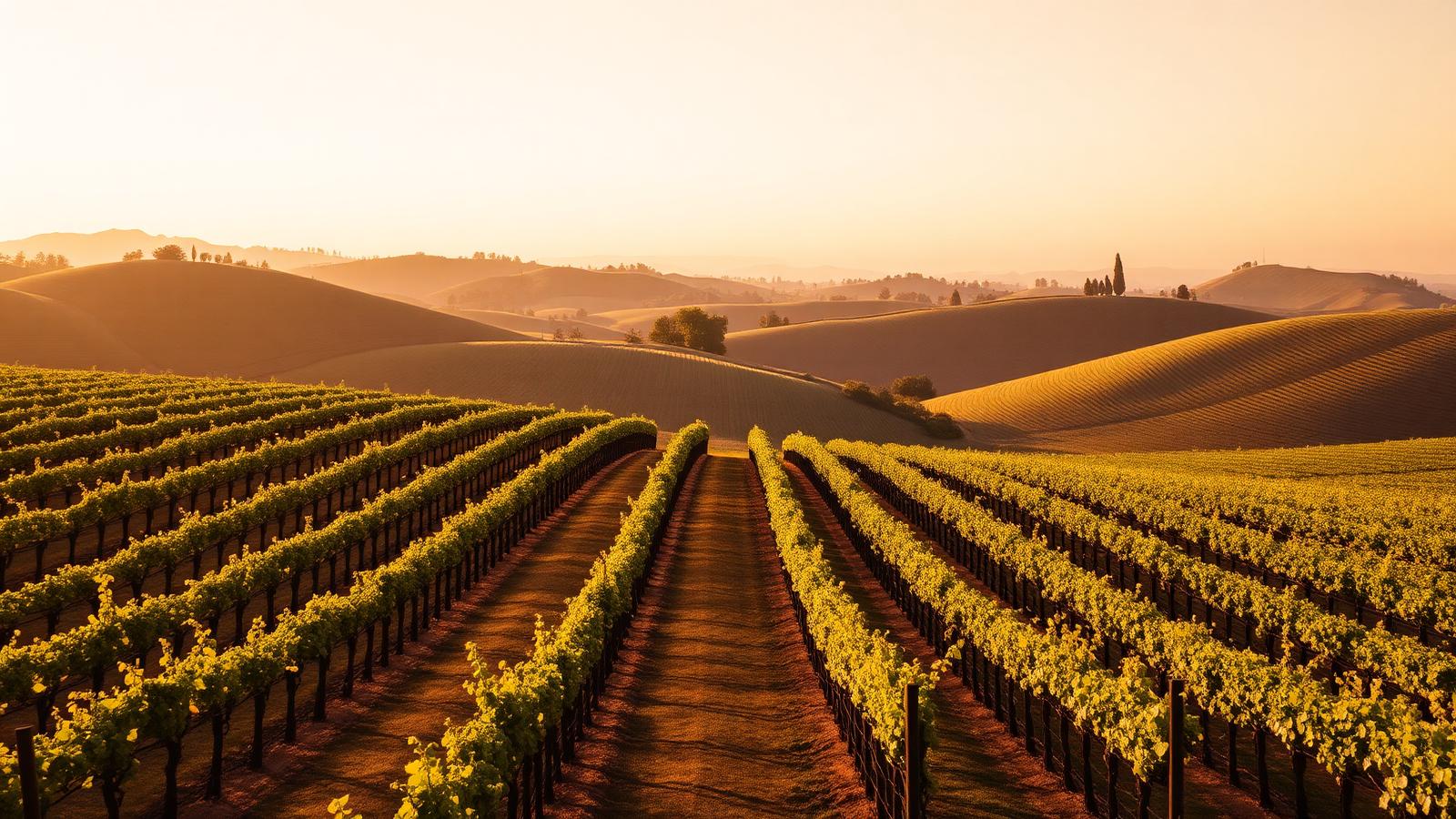
Baden distinguishes itself with a climate that sets it apart from much of Germany. The shelter of the Black Forest to the east and the moderating influence of the Rhine to the west create an extended growing season, allowing grapes to ripen fully and develop rich flavors. This generosity of sun infuses the wines with a particular warmth and body, often reminiscent of more southerly climes. Rows of vines trace the undulating terrain, catching every available ray, transforming sunlight into the vibrant character found within each bottle. It’s a testament to microclimates and patience, a slow unfolding of flavor nurtured by the land itself.
Cuisine and Countryside
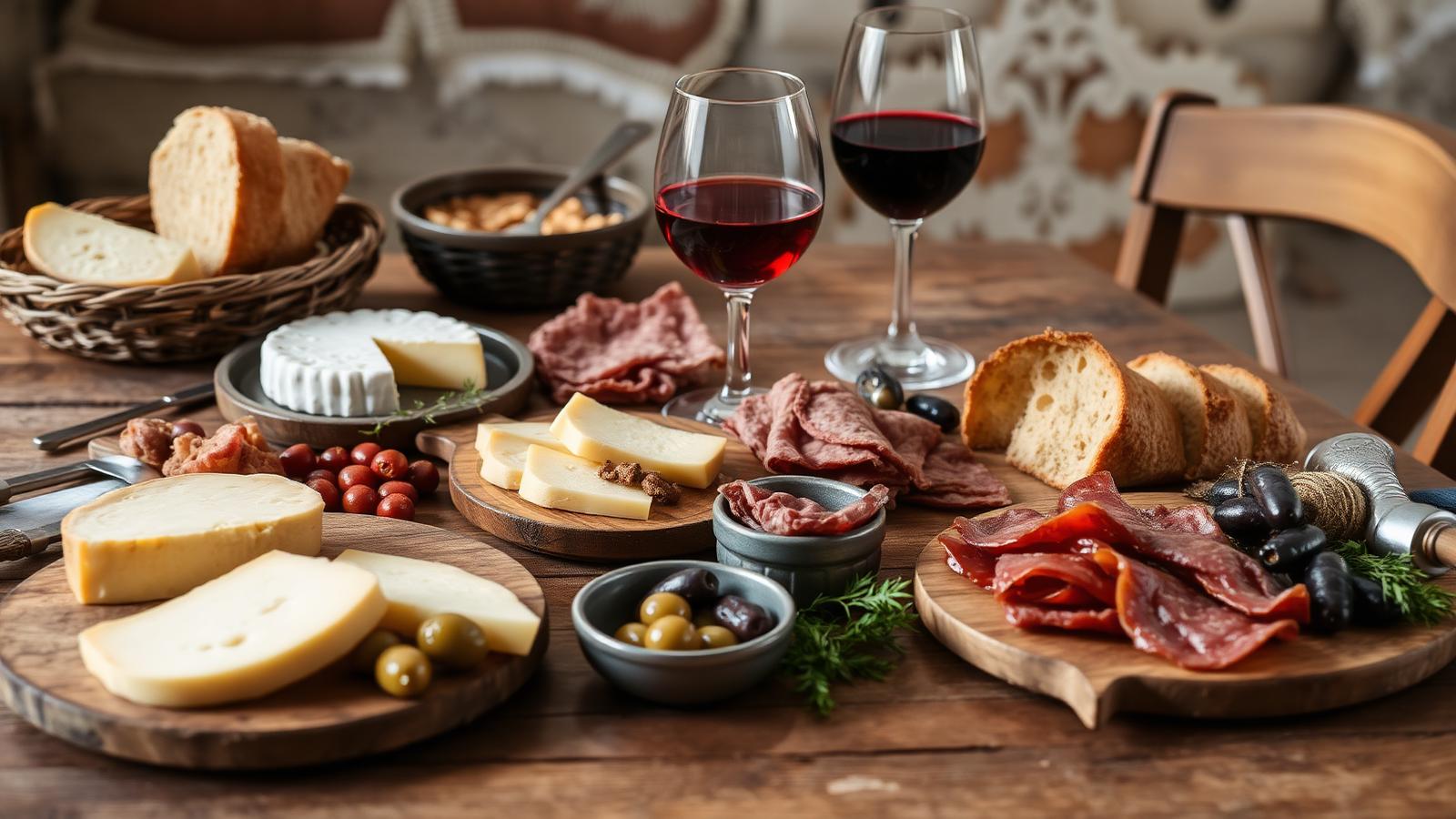
Life in Baden unfolds at a welcoming pace, intertwined with its agricultural heritage. Long, convivial meals are a cornerstone of the culture, featuring hearty, rustic fare that perfectly complements the local wines. Think of slow-cooked meats, artisanal cheeses, and fresh produce from the fields, often prepared with a delightful earthiness. The landscape itself encourages gentle exploration, whether cycling through vineyards, strolling through historic market towns, or simply sitting at a roadside Gasthaus, watching the world pass by. It’s a place where the simple pleasures of rural life and exceptional wine converge.
Getting to know Baden
What Baden tastes like
Wines from Baden tend to reflect the region's climate and terrain more than any single style. Look for a sense of place in the glass — mineral notes from stony soils, freshness where nights are cool, richer texture where the sun lingers longer. A short flight of local wines is the fastest way to feel the range.
Rhythms of the year
Baden moves with the seasons. Spring is quiet and green, summer brings long light and full terraces, harvest is intense and communal, and winter turns the vineyards into a stark, beautiful sculpture. Every season is a good reason to come — they just make very different trips.
Beyond the tasting room
Some of the most memorable moments in Baden happen away from the vines: a bakery in the next village over, a viewpoint at sunrise, a slow lunch that turns into a slow afternoon. Leave room in your itinerary for the things you can't plan.
Frequently asked questions
When is the best time of year to visit Baden for a wine tour?
The ideal time to experience Baden’s wine country is from late spring to early autumn. May and June offer vibrant green landscapes and pleasant temperatures, perfect for outdoor activities and sampling the fresh, young wines. September and October are particularly magical during the harvest season, with bustling activity in the vineyards, colorful foliage, and many lively wine festivals celebrating the new vintage. Avoid mid-winter if your primary focus is vineyard exploration, as many establishments have reduced hours, though the quiet charm can be appealing for some.
What kind of transportation is best for exploring Baden's wine region?
For flexibility and convenience, renting a car is highly recommended. It allows you to explore the diverse sub-regions at your own pace, from the Kaiserstuhl to the Markgräflerland, and reach smaller villages and hillside vineyards. However, Baden also has a good network of local trains and buses that connect many wine towns, especially along the Rhine valley. Cycling is another wonderful option for shorter distances, with numerous well-maintained bike paths winding through the vineyards, offering an immersive and scenic way to experience the landscape.
Are there specific local culinary specialties I should try in Baden?
Absolutely! Baden's cuisine is hearty, flavorful, and deeply tied to its agricultural roots, with influences from both Alsace and Switzerland. Look for dishes featuring Maultaschen (savory filled pasta pockets), Flammkuchen (a thin, crispy tart with various toppings), and Schwarzwälder Schinken (Black Forest ham). Sausages and various types of Goulash are also common. And, of course, don't miss the local cheeses and fresh fruit tarts. These dishes are perfectly designed to pair with the region's robust Spätburgunder and aromatic white wines, creating a truly authentic local experience.
Do I need to make reservations in advance for wine tastings or meals?
While it's not always strictly necessary, especially for smaller, informal visits during off-peak times, it is strongly recommended to make reservations, particularly for organized cellar tours, winetastings at estates, or evening meals at popular restaurants, especially on weekends or during the peak harvest season. Many smaller wineries are family-run and appreciate knowing when to expect visitors. A quick call or email in advance ensures you’ll be welcomed warmly and have the best experience without any disappointment. For spontaneous stops, you might find a spot, but planned visits guarantee a smoother journey.