

Hessische Bergstraße Wineries & Wine Tours
The Gentle Slopes and Their Bounty
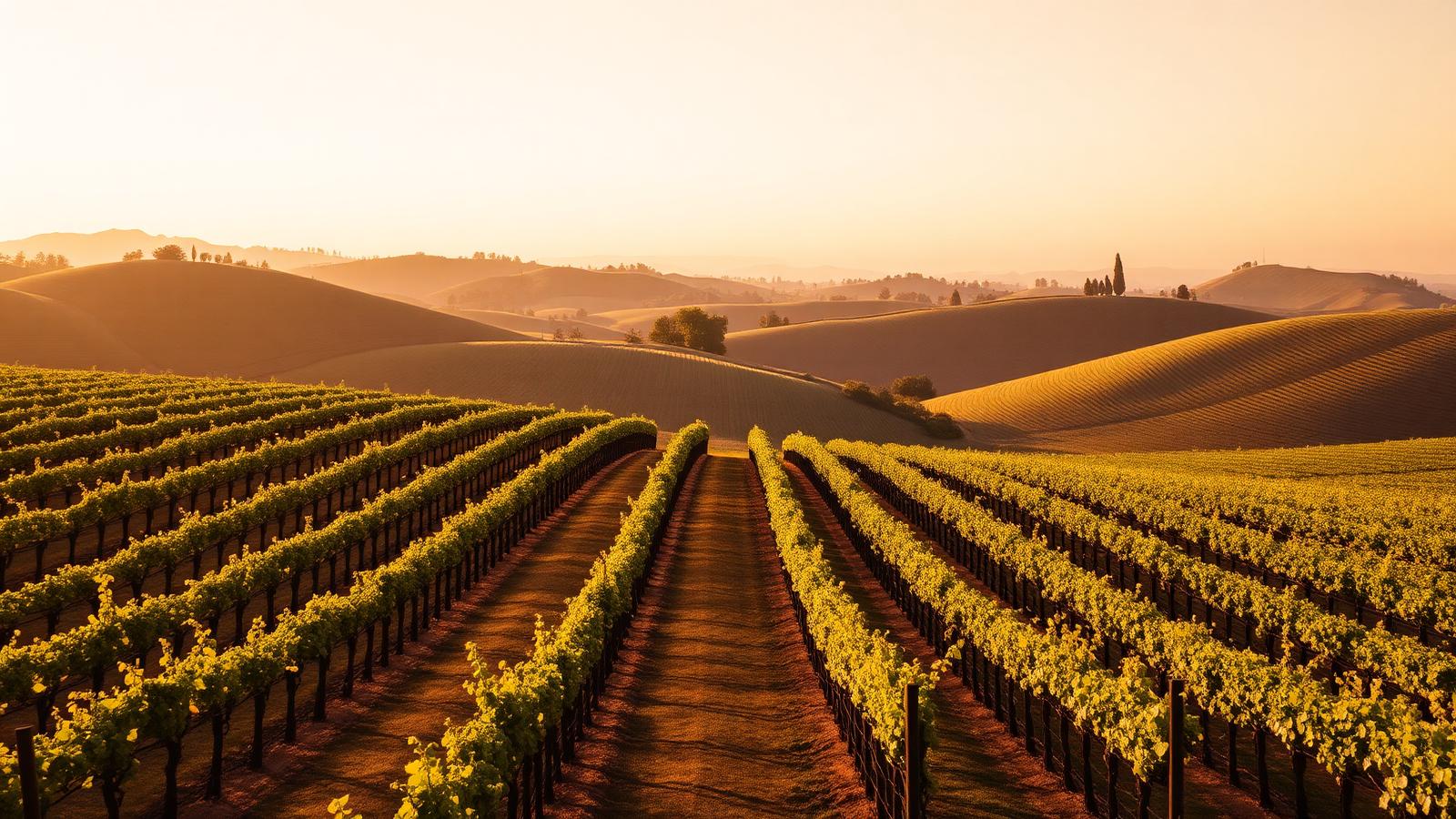
The very name "Bergstraße" hints at the hilly landscape, a linear stretch of land benefiting from an exceptionally mild climate. This region is a sanctuary where warmth lingers, protecting the precious vines. , the undisputed king here, thrives on these sun-drenched inclines, producing wines of remarkable clarity and finesse. Yet, other noble varieties also find their home, flourishing in soils that range from deep loess to weathered granite, each contributing a subtle variation to the wine's character. The result is a palette of flavors, from bright, citrus-driven whites to more aromatic, textural reds, all speaking of their specific plot of land.
Seasonal Rhythms and Culinary Delights
Life in Hessische Bergstraße moves in harmony with the seasons. Spring brings a burst of green and the promise of a bountiful harvest, while summer sees the grapes slowly swell under the sun. Autumn is a symphony of colors, culminating in the joyous activity of the vintage. This rhythm extends to the local cuisine, which celebrates fresh, seasonal ingredients found in the surrounding orchards and forests. Hearty, regional dishes, often featuring asparagus in spring or game in autumn, are thoughtfully paired with the local wines, creating unforgettable culinary experiences that are both comforting and refined, reflecting the warmth of the region itself.
Getting to know Hessische Bergstraße
What Hessische Bergstraße tastes like
Wines from Hessische Bergstraße tend to reflect the region's climate and terrain more than any single style. Look for a sense of place in the glass — mineral notes from stony soils, freshness where nights are cool, richer texture where the sun lingers longer. A short flight of local wines is the fastest way to feel the range.
Rhythms of the year
Hessische Bergstraße moves with the seasons. Spring is quiet and green, summer brings long light and full terraces, harvest is intense and communal, and winter turns the vineyards into a stark, beautiful sculpture. Every season is a good reason to come — they just make very different trips.
Beyond the tasting room
Some of the most memorable moments in Hessische Bergstraße happen away from the vines: a bakery in the next village over, a viewpoint at sunrise, a slow lunch that turns into a slow afternoon. Leave room in your itinerary for the things you can't plan.
Frequently asked questions
What is the best time of year to visit Hessische Bergstraße for a wine tour?
The Hessische Bergstraße offers distinct charms throughout the year for a discerning wine traveler. Late spring, from May to early June, is beautiful with blossoming vines and the renowned asparagus season. Late summer and early autumn, from August through October, is arguably the most vibrant period. The grapes are ripening, the weather is often pleasant for walking through the vineyards, and the excitement of the harvest, or *Weinlese*, fills the air. Many local celebrations and *Straußenwirtschaften* (seasonal wine taverns) are open, providing a truly authentic experience of regional hospitality and freshly pressed must.
How can I best explore the vineyards and charming villages of the region?
Exploring the Hessische Bergstraße is best done at a leisurely pace. Consider renting a bicycle to cycle along dedicated wine routes, allowing you to discover hidden paths and enjoy the scenery up close. For those who prefer walking, numerous well-marked hiking trails crisscross the vineyards and connect the picturesque villages. Public transport options like local buses or regional trains can help you navigate between key towns, and a car offers the ultimate flexibility to venture off the beaten path and fully appreciate the region's scattered beauty.
What unique culinary experiences should I seek out in Hessische Bergstraße?
Beyond the exquisite wines, Hessische Bergstraße offers a delightful array of regional specialties. During spring, the local white asparagus, or *Spargel*, is a culinary highlight, celebrated with numerous festivals and perfectly paired with a crisp . Throughout the year, look for traditional Hessian dishes such as *Handkäse mit Musik* (a pungent cheese marinated in oil and onions) or hearty *Apfelwein* (cider) accompanying savory pork dishes. Keep an eye out for seasonal *Straußenwirtschaften* or *Besenwirtschaften*, temporary taverns offering simple, home-cooked fare directly from the winegrower.
Are there opportunities to learn about the history and winemaking traditions of the region?
Absolutely. The Hessische Bergstraße is steeped in history, much of which is entwined with its winemaking heritage. Many villages boast small local museums or historical sites that delve into the region's past. Look for informational signs along hiking trails that detail the unique and cultivation methods. While specific names aren't mentioned, many family-owned establishments offer insights into their crafting processes, sharing stories passed down through generations. These experiences provide a deeper understanding of the meticulous care and respect for nature that defines winemaking here.