

Wineries & Wine Tours in Greece
Regions

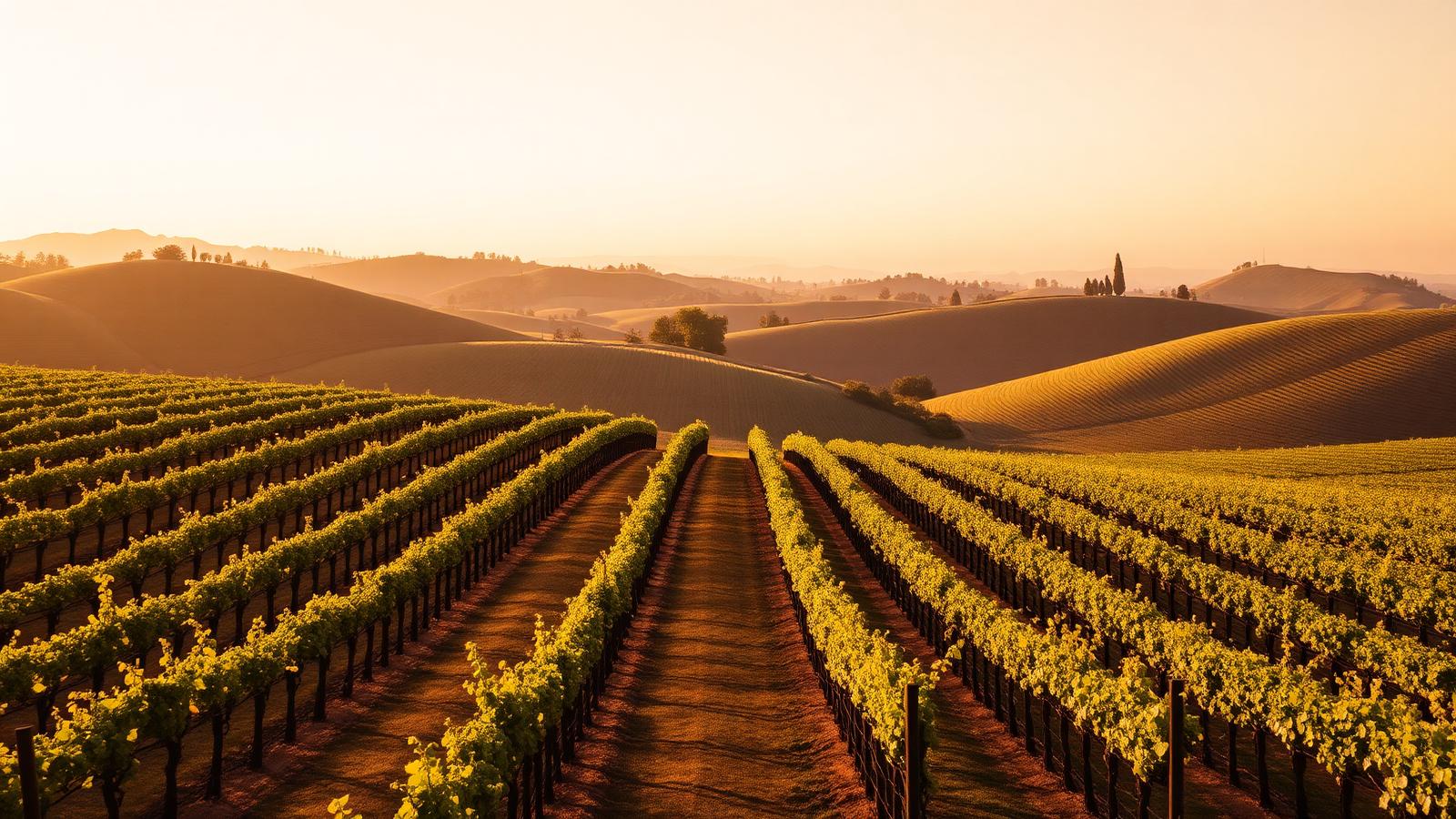
Beneath a sun that has ripened civilizations and myths for millennia, Greece offers a wine journey steeped in ancient echoes and vibrant modernity. Here, the landscape itself feels sculpted by time and elemental forces – a dance of sapphire seas, emerald olive groves, and dramatic mountain ranges. This is a place where vines cling resiliently to sun-drenched slopes and volcanic soils, nurtured by a climate that whispers of dry, warm days and cooling sea breezes. To explore Greek wine is to trace the footsteps of Dionysus, discovering indigenous varietals that predate many of the world’s more familiar grapes, each sip a liquid narrative of its unique .
Traveling through Greece for its wine is an invitation to slow down, to engage with a rhythm dictated by the seasons and the land. Imagine lingering over a glass of by the caldera’s edge as the sun dips below the horizon, painting the sky in fiery hues, or sharing a robust with hearty, slow-cooked lamb in a shadowed taverna. It’s an experience that awakens the senses, not just to the complex aromas and flavors in your glass, but to the scent of wild herbs on the breeze, the distant chime of goat bells, and the generosity of spirit that defines Greek hospitality.
From the parched, windswept islands where vines are trained in basket-like kouloures, to the verdant mainland valleys carved by ancient rivers, Greece unfolds as a tapestry of winemaking traditions. This is not simply a destination; it is a pilgrimage for the curious palate, a chance to connect with an enduring culture where wine is not merely a beverage, but an intrinsic part of shared meals, celebratory moments, and a profound connection to the land. It promises indelible memories, where each glass tells a story reaching back through time, yet firmly rooted in the vibrant present.
Flavors of the Land and Sea
Wine in Greece is inextricably woven into the fabric of its culinary identity, a harmonious partnership that celebrates the bounty of the Mediterranean. Picture the crisp acidity of a cutting through the richness of grilled octopus, or the earthy complexity of an complementing a platter of slow-roasted lamb and local cheeses. Meals here are unhurried affairs, often stretching over hours, punctuated by laughter and conversation, where each dish and accompanying wine are a testament to fresh, seasonal ingredients and time-honored recipes passed down through generations. This is mindful eating, paired with mindful sipping.
The Soul of Greek Varietals
Beyond the more globally recognized grapes, Greece proudly champions a treasure trove of indigenous varietals. The bold, saline from the islands, with its striking acidity and age-worthiness, stands in brilliant contrast to the aromatic, floral or the delicate, rose-scented . For reds, the vibrant, high-acid from the north offers structured complexity akin to fine European counterparts, while the smooth, berry-laden from the Peloponnese provides a softer, fruitier profile. Each sip invites deeper exploration into the fascinating diversity of Greece's winemaking heritage.

Ancient Rhythms and Terroir
Greece's diverse topography dictates a mosaic of microclimates, each imbuing its wines with distinct character. The Cycladic islands, with their volcanic soils and perpetual winds, famously give birth to mineral-driven whites, while the mountainous regions of the mainland yield elegant reds. Ancient indigenous grape varieties, many of which can be found nowhere else, thrive in these varied conditions, tended with a respect for tradition that spans millennia. The very air, perfumed with wild oregano and sea salt, seems to contribute to the unique aromatic profiles found in the local vintages, telling a story of resilience and rootedness.
What makes a trip here special
A landscape shaped by the vine
Vineyards in Greece follow the geography — rivers, ridgelines, coastlines, and altitude all leave their fingerprints on the wine. Driving between regions is often as memorable as the tastings themselves.
Food that grew up next to the wine
The best pairings for Greece's wines are almost always the dishes that grew up alongside them. Local markets, family-run restaurants, and roadside stops turn a wine trip into a full sensory tour of the country.
A calendar worth planning around
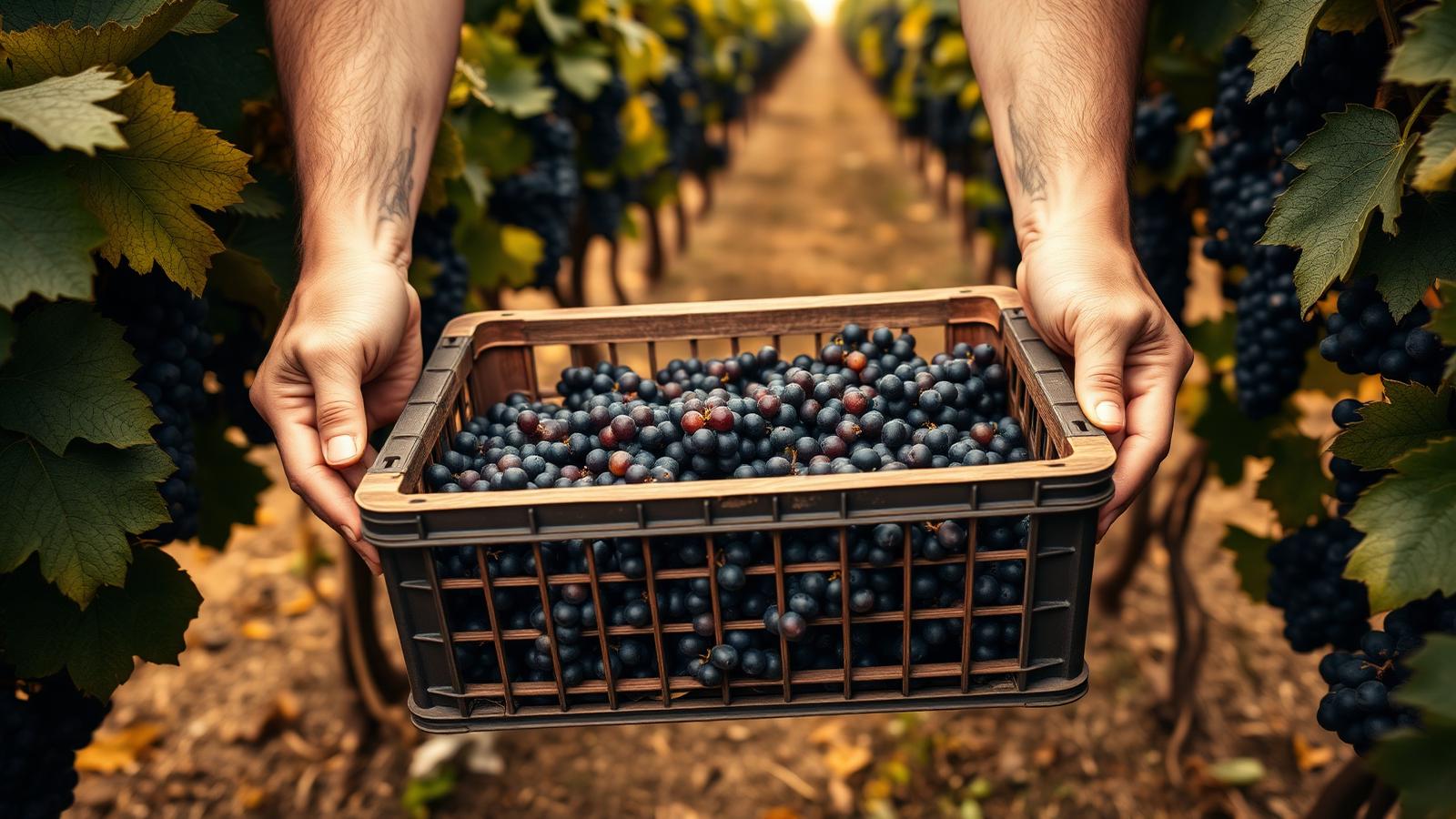
Harvest, pruning, spring flowering, and long lazy summers each give Greece's wine regions a completely different mood. Choosing when you visit is almost as important as choosing where.
Frequently asked questions
What is the best time of year to visit Greece for a wine trip?
For a truly immersive wine experience, the shoulder seasons – late spring (May-June) or early autumn (September-October) – are ideal. During these months, the weather is pleasantly warm, perfect for exploring vineyards, and you'll avoid the peak summer crowds. Early autumn, in particular, often coincides with the harvest season in many regions, offering a unique opportunity to witness the vibrant activity in the vineyards and cellars firsthand. You'll find a more relaxed pace and comfortable temperatures for all your explorations.
Are Greek wines accessible to an international palate, or are they very different?
Greek wines offer a wonderful balance. While rooted in ancient traditions and featuring many unique indigenous grapes, their quality and styles have evolved significantly. You'll discover familiar-feeling profiles alongside genuinely distinctive ones. Many Greek whites are refreshing and mineral-driven, perfect for warmer climates, while the reds can range from lighter, aromatic expressions to full-bodied, structured wines with excellent aging potential. They are incredibly food-friendly and approachable, inviting you to discover new favorites that will broaden your wine horizons.
What regions are a good starting point for a first-time wine traveler to Greece?
For a first-time visitor, Santorini for its iconic , or the Peloponnese region, particularly Nemea for red and Mantinia for white , offer excellent introductions. Santorini provides a stunning visual backdrop and unique viticulture, while the Peloponnese boasts diverse terroirs and a rich history, easily accessible from Athens. Both areas provide a comprehensive insight into Greece's winemaking prowess, offering a blend of breathtaking landscapes, excellent wines, and warm hospitality, making for a memorable first impression.
What is the best way to get around between different wine regions in Greece?
The most flexible way to explore the diverse Greek wine regions is by renting a car, especially for mainland destinations. This allows you to set your own pace and reach more secluded vineyards. For island regions like Santorini, local taxis or organized small-group tours are readily available and often recommended, as they allow you to fully enjoy the tastings without concerns about driving. Inter-island ferries connect many of the wine-producing islands, offering scenic journeys. Always plan your logistics in advance for a smooth and enjoyable experience.