

Crete Wineries & Wine Tours
Sub-regions
Ancient Roots and Modern Revival
The island's winemaking heritage stretches back over 4,000 years, a testament to its enduring viticultural prowess. Fragments of ancient presses and amphorae whisper of a past where wine played a central role in daily life and trade. Today, this legacy is honored through a vibrant renewal, as passionate vignerons champion scores of indigenous varieties. Grapes like Vilana, Vidiano, and Dafni, once nearly lost to history, are now celebrated for their unique character, producing wines that range from crisp, aromatic whites with hints of herbs and citrus to robust, intriguing reds that capture the island's sun-baked soul.
Terroir of Contrasts
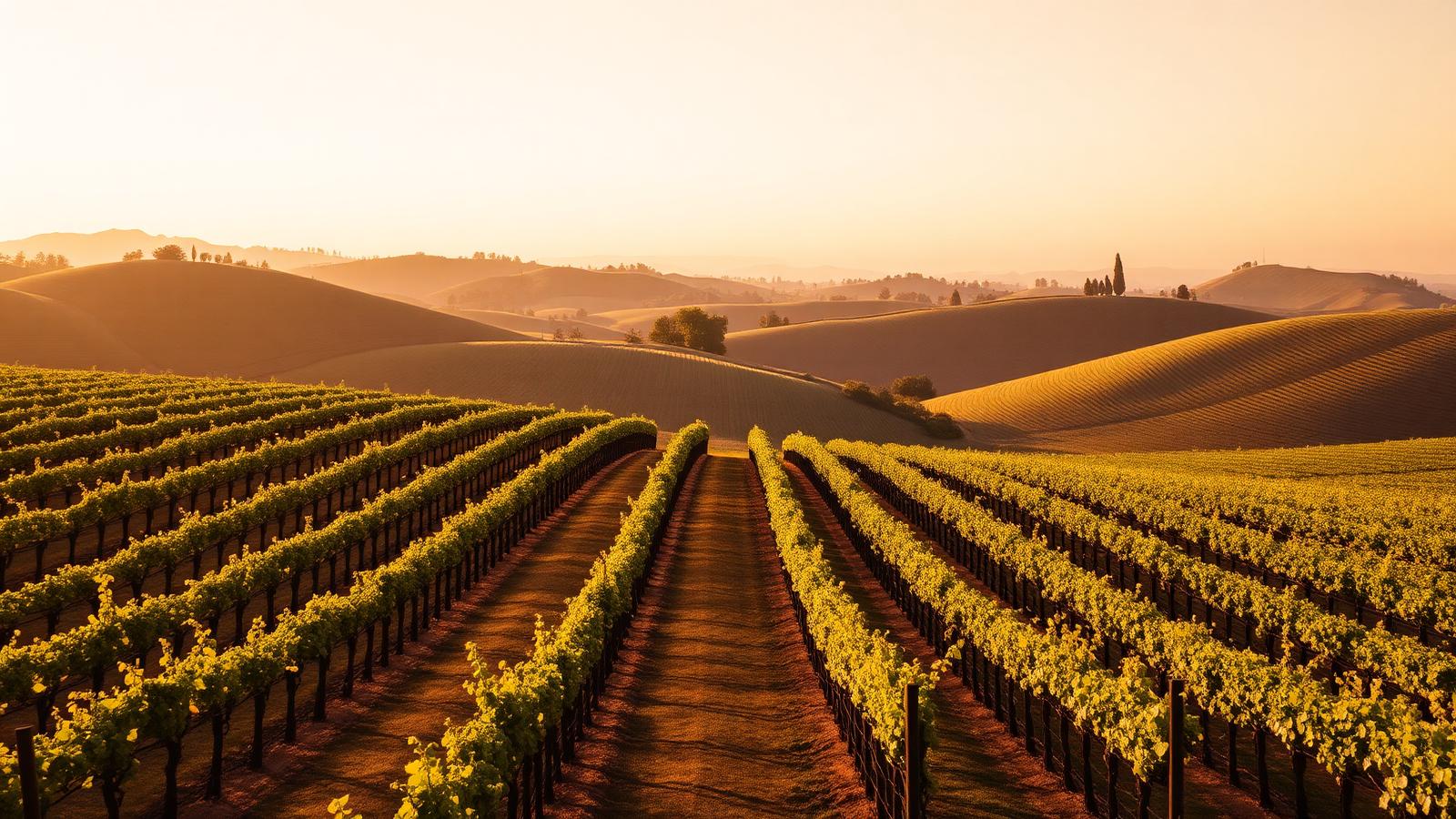
Crete's distinctiveness is etched into its very land. High mountain vineyards, often terraced, enjoy cooler temperatures and significant diurnal shifts, safeguarding acidity and fostering aromatic complexity. Closer to the coast, the vines bask in warmer sun, benefiting from sea breezes that temper the heat and impart a subtle salinity to the wines. The island's geological diversity, from loamy clays to rocky limestone, further shapes the flavor profiles, yielding expressions truly unique to this corner of the Mediterranean. Expect wines that reflect both the island's generous warmth and its rugged, untamed spirit.
Getting to know Crete
What Crete tastes like
Wines from Crete tend to reflect the region's climate and terrain more than any single style. Look for a sense of place in the glass — mineral notes from stony soils, freshness where nights are cool, richer texture where the sun lingers longer. A short flight of local wines is the fastest way to feel the range.
Rhythms of the year
Crete moves with the seasons. Spring is quiet and green, summer brings long light and full terraces, harvest is intense and communal, and winter turns the vineyards into a stark, beautiful sculpture. Every season is a good reason to come — they just make very different trips.
Beyond the tasting room
Some of the most memorable moments in Crete happen away from the vines: a bakery in the next village over, a viewpoint at sunrise, a slow lunch that turns into a slow afternoon. Leave room in your itinerary for the things you can't plan.
Frequently asked questions
When is the best time of year to visit Crete for wine touring?
The ideal time to explore Crete's wine country is during the spring (April-May) or autumn (September-October). In spring, the island is lush and green, wildflowers bloom, and temperatures are pleasantly mild – perfect for exploring vineyards. Autumn offers the excitement of harvest season in September, with comfortable temperatures extending into October, providing a wonderful opportunity to witness winemaking activities firsthand and enjoy the rich colors of the changing landscape. Summers can be quite hot, and winter brings cooler, wetter weather with some closures.
What kind of wine experiences can I expect in Crete?
Crete offers a range of authentic wine experiences, focusing on its unique indigenous varietals. You can anticipate visiting smaller, family-run establishments where passionate producers often guide you through their vineyards and cellars personally. Tastings typically include a of local whites, reds, and rosés, often paired with traditional Cretan mezes like regional cheeses, olives, and rusks. Many experiences emphasize the history and culture of Cretan winemaking, inviting you to connect deeply with the island's heritage and enjoy genuine hospitality in a relaxed, unhurried setting.
Are there specific regions or routes I should focus on for wine touring in Crete?
While winemaking is spread across the island, some of the most concentrated and accessible wine regions are located in the central and northern parts of Crete, particularly around Heraklion. Areas like Peza, Daphnes, Archanes-Asterousia, and Sitia are well-established and offer a good density of producers. Exploring these regions allows for a more focused journey, linking several establishments within a day's drive. Consider renting a car for flexibility, as public transport can be limited in rural areas, allowing you to follow winding country roads through picturesque villages and vine-covered hills.
What are some practical tips for traveling around Crete's wine country?
Renting a car is highly recommended for exploring Crete’s wine country, as it offers the freedom to navigate its charming, often rural, roads at your own pace. Ensure you have a good GPS or map. Many smaller, family-run establishments prefer appointments for tastings, so it's wise to contact them in advance. Embrace the island's relaxed rhythm; lunches tend to be long and leisurely. Always stay hydrated, especially during warmer months, and consider a designated driver if you plan on extensive tasting. Locals are generally warm and helpful, so don't hesitate to ask for directions or recommendations.