

Wineries & Wine Tours in Israel
Regions
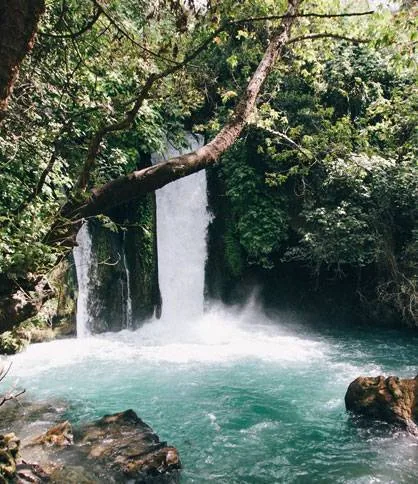
The ancient land of Israel, a tapestry woven from golden deserts, verdant valleys, and the sapphire kiss of the Mediterranean, invites a journey not just through history, but through its unfolding wine story. Here, sunlight is a sculptor, shaping the very vines that cling to mountain slopes and cool coastal plains, each region offering a distinct expression of place.
To wander these sun-drenched vineyards is to trace footsteps reaching back millennia, where viticulture is not merely agriculture but a profound part of the cultural tapestry. Imagine the whisper of an Aegean breeze through leaves, a warmth absorbed from ancient stone, and the concentrated essence of a landscape where every sip tells a story of revival and enduring spirit. This is a place where old world reverence meets new world dynamism, yielding wines both evocative and vibrant.
From the Galilee's volcanic soils to the Judean Hills' stony terraces and the Negev's surprising oases, Israel's diverse terroirs paint a mosaic of flavors. This is an invitation to slow down, to taste the nuanced blend of tradition and innovation, to savor wines born under a Middle Eastern sun that illuminate the very heart of this extraordinary land. Let your senses guide you through a profound connection to earth and heritage.
Terroir of Ancient Dreams
The diverse topography of Israel dictates its viticultural character. In the Upper Galilee, basalt and limestone soils yield elegant and , benefiting from high altitudes and cooling breezes. Further south, the Judean Hills offer rocky, chalky terrain ideal for rich and blends, often expressing fragrant herbal notes. Even the Negev Desert, with its carefully cultivated desert viticulture, surprises with unique expressions, demonstrating resilience and innovation. This mosaic of environments ensures a broad spectrum of wine styles, each echoing the specific contours and climate of its origin, from Mediterranean humidity to dry desert air.
Rhythm of the Seasons
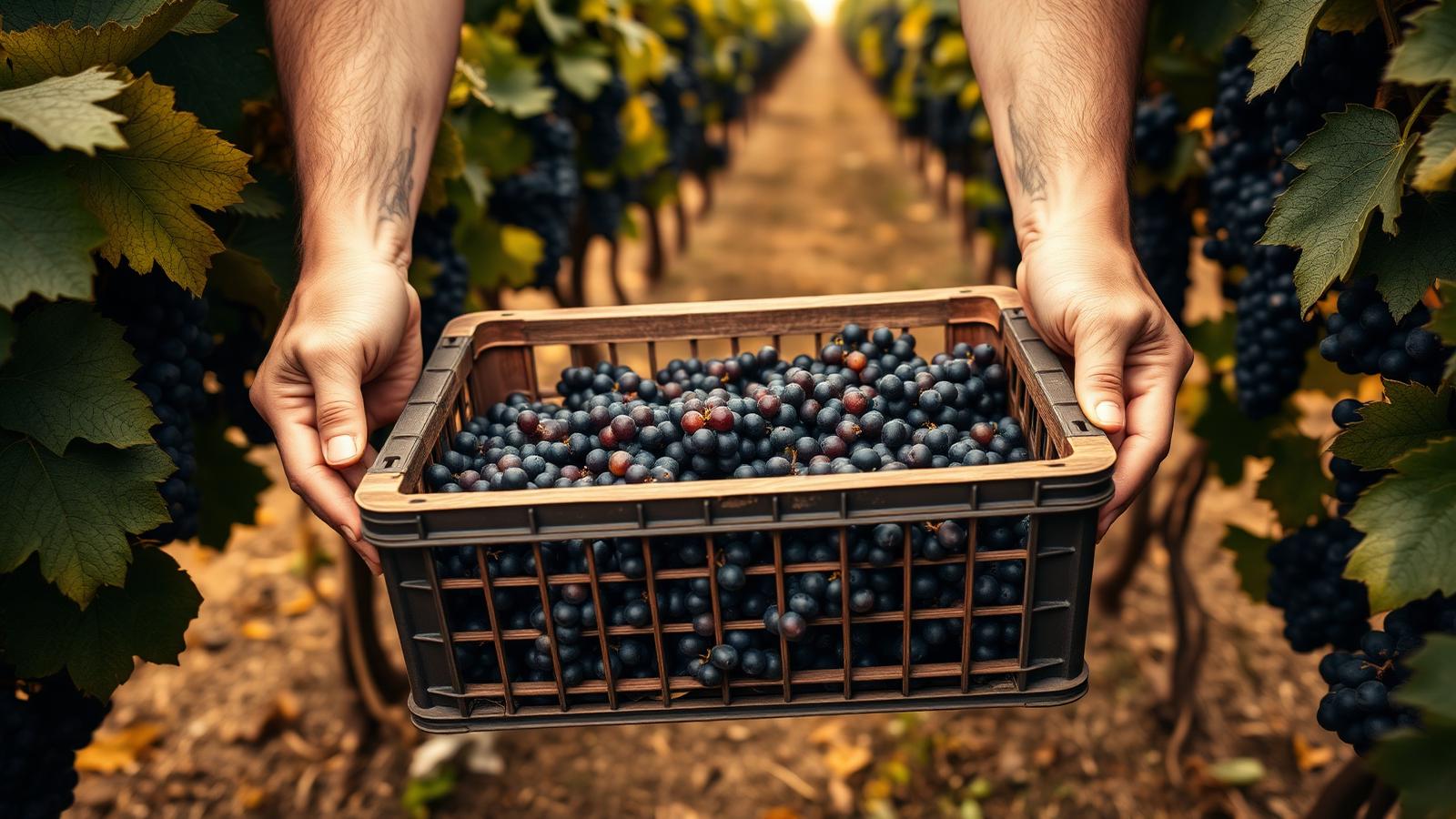
The viticultural year in Israel moves with distinct rhythms, dictated by its unique climate. Winter brings gentle rains, nourishing the dormant vines, while spring awakens them under a warming sun. Summers are often long and dry, intensifying the grapes' flavors, though the cooling evening breezes in many regions provide crucial relief. Harvest, typically beginning in late summer, is a time of vibrant energy, as grapes are carefully gathered, often by hand, from dawn until the cooler hours of evening. Visiting during this period offers a profound appreciation for the labor and passion that goes into each bottle, a true connection to the land's bounty.
Cuisine and Cellar
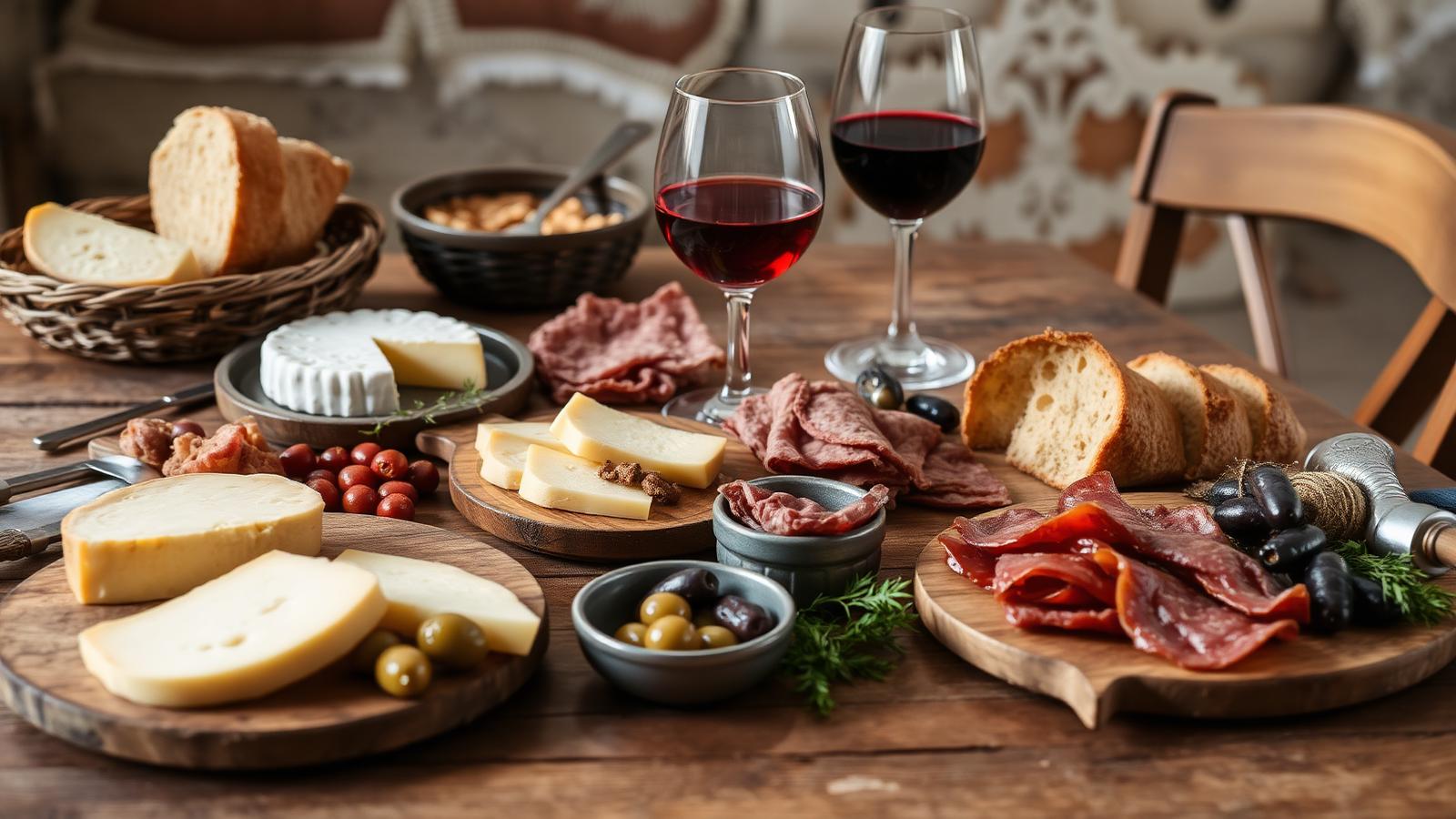
Israeli cuisine, a vibrant meld of Middle Eastern and Mediterranean influences, finds its perfect companions in local wines. Picture platters of colorful mezze – smoky baba ghanoush, creamy hummus, fresh labneh, and crisp salads – harmonizing with a bright, aromatic or a light, fruity nurtured under the same sun. Later, a slow-cooked lamb or a perfectly grilled fish finds its match with a structured , a peppery , or a velvety blend. The shared table is central to the culture, and wine elevates every gathering, binding food, fellowship, and the land together in every delightful pairing.
What makes a trip here special
A landscape shaped by the vine
Vineyards in Israel follow the geography — rivers, ridgelines, coastlines, and altitude all leave their fingerprints on the wine. Driving between regions is often as memorable as the tastings themselves.
Food that grew up next to the wine
The best pairings for Israel's wines are almost always the dishes that grew up alongside them. Local markets, family-run restaurants, and roadside stops turn a wine trip into a full sensory tour of the country.
A calendar worth planning around
Harvest, pruning, spring flowering, and long lazy summers each give Israel's wine regions a completely different mood. Choosing when you visit is almost as important as choosing where.
Frequently asked questions
When is the best time to visit Israel for a wine-focused trip?
The shoulder seasons – spring (April to June) and autumn (September to November) – are generally ideal. Spring offers lush greenery, pleasant temperatures, and the blossoms of awakening vineyards. Autumn, particularly September and October, coincides with the bustling harvest season in many regions, offering a vibrant atmosphere and the chance to witness winemaking activities firsthand. Summers can be quite hot, especially inland, while winters are mild but may bring some rain. Aim for these milder months for comfortable touring and optimal sensory experiences.
What are some signature grape varieties grown in Israel to look for?
While international varietals thrive here, look for how they express the Israeli . often shows a distinctive Mediterranean character, with notes of ripe fruit and herbs. and (also known as ) are also prominent, yielding rich, flavorful reds. For white wines, offers refreshing acidity and aromatic complexity, while often balances fruit with subtle oak. Keep an eye out for indigenous or ancient varieties being revived by passionate producers, often offering unique tasting experiences that speak to the land's history.
Is it easy to navigate between wine regions, and what transport options are best?
Israel is a relatively small country, making it quite manageable to explore different wine regions. Renting a car offers the most flexibility, allowing you to venture off the beaten path and follow your own itinerary. Roads are generally well-maintained. Alternatively, a combination of intercity buses and local taxis/rideshares can get you to many areas, though some vineyard estates might require a pre-booked local transfer. Consider hiring a private driver for a day or two if you prefer not to drive, ensuring a relaxed experience enjoying the wines.
What is the general etiquette for wine visits and tastings in Israel?
Most wine estates welcome visitors, but it's highly recommended to make appointments in advance, especially for smaller, family-run establishments or if you plan to visit on a Friday or Saturday (the weekend). Dress is typically casual but respectful. It's customary to engage with the host, ask questions, and share your impressions. Some places may charge a tasting fee, which is often waived with a bottle purchase. Israelis are known for their hospitality, so come with an open mind and a readiness to learn about their wines and culture.