

All Wineries & Wine Tours
Flavors & Traditions
The culinary traditions of All are as rich and varied as its landscapes, offering an ideal pairing for its wines. Picture long, leisurely lunches featuring fresh-baked breads, vibrant salads bursting with local herbs, and slow-cooked stews rich with aromatic spices. The cuisine emphasizes fresh, seasonal ingredients, embracing influences from across the Mediterranean and beyond. Mealtimes are communal, unhurried affairs, often accompanied by lively conversation and, of course, a bottle of local wine. This unhurried pace extends to the villages, where ancient customs still shape daily life, creating an atmosphere of warmth and authenticity that enchants every visitor.
The Grapes of All
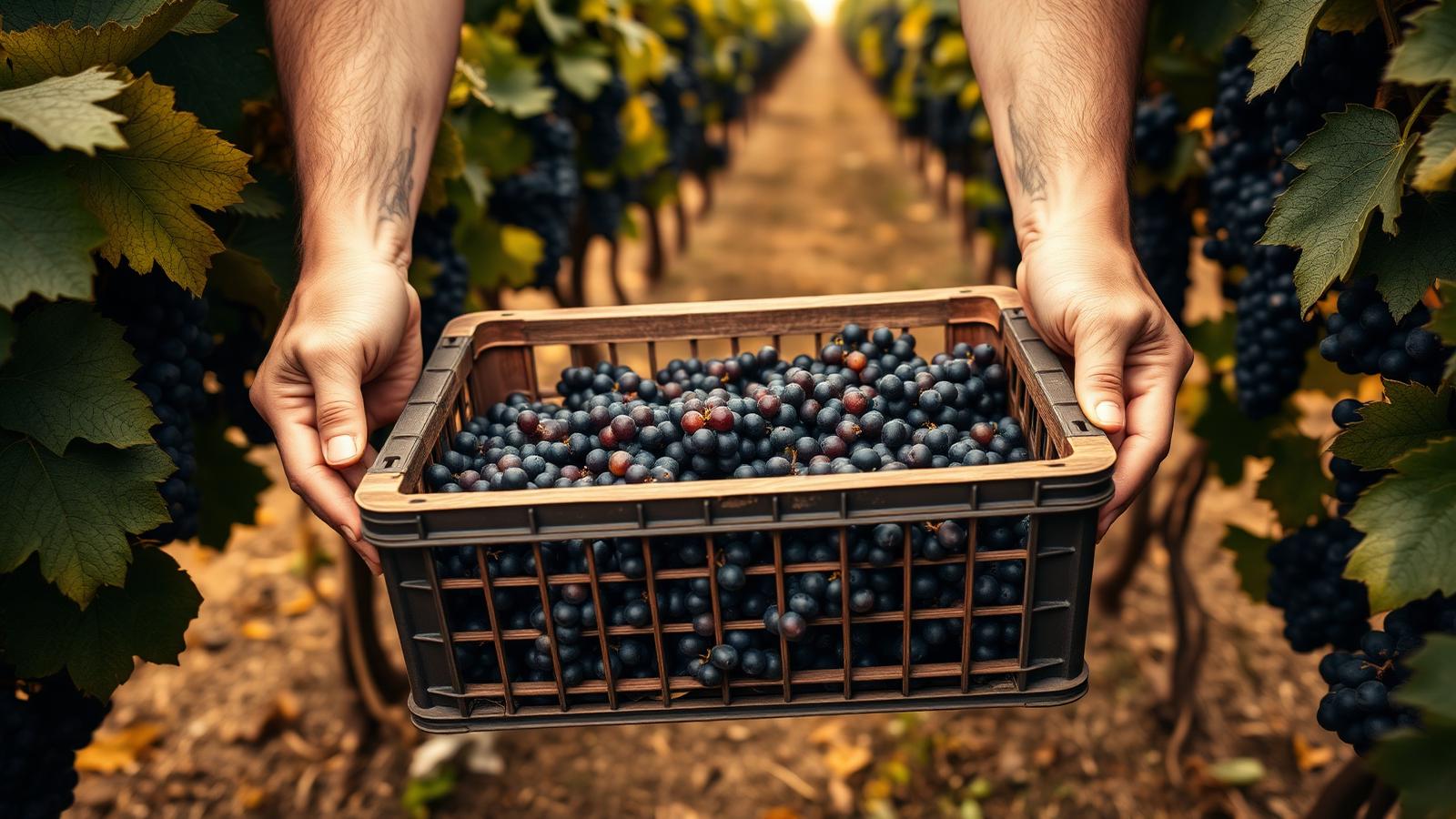
While Bordeaux varietals like and find a confident expression in All, developing a distinctive Mediterranean character, the region also embraces Rhône varieties such as , which thrives in the warmer patches, yielding intense and spicy reds. Increasingly, indigenous and ancient grapes are being revived, offering a taste of the land’s forgotten past and an exciting glimpse into its future, providing unique flavour profiles and a vivid connection to history. White varieties, including and , blossom in the cooler zones, producing vibrant wines with crisp acidity and aromatic depth, perfect for the regional cuisine.
Terroir of Resilience
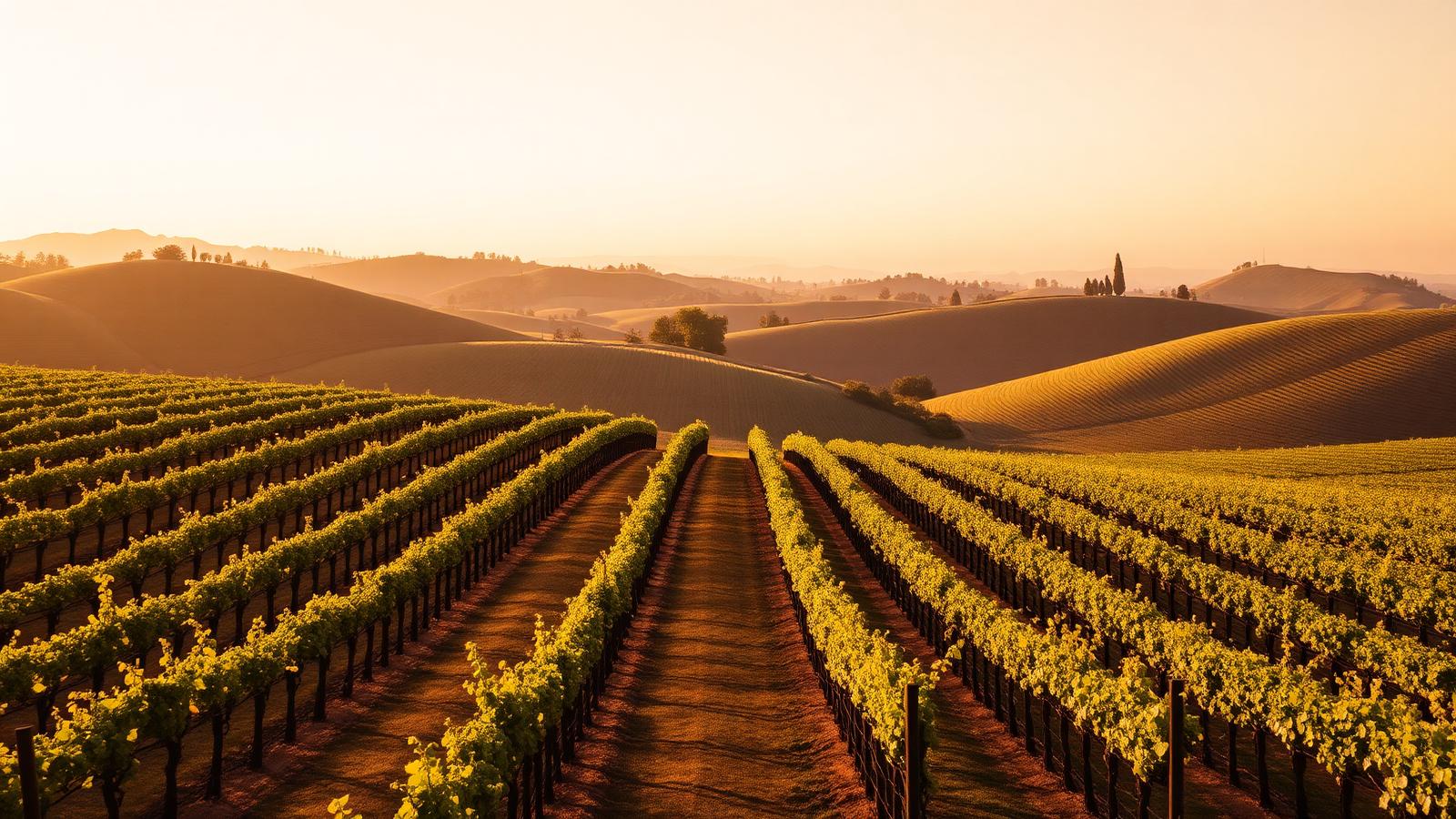
The diverse geology of All, from the iron-rich terra rossa of its central highlands to the volcanic basalt of its northern plateaus and the chalky soils closer to the coast, shapes a unique winemaking tapestry. These geological variations, coupled with significant altitude changes, create a fascinating array of microclimates. Cool nights, even in summer, are characteristic of the higher elevations, preserving acidity and complexity in the grapes. Conversely, the sun-drenched valleys encourage ripeness and structure, yielding wines with both power and elegance. This ancient land, meticulously tended over centuries, showcases a winemaking spirit that thrives on adaptation and a profound respect for its inherent characteristics.
Getting to know All
What All tastes like
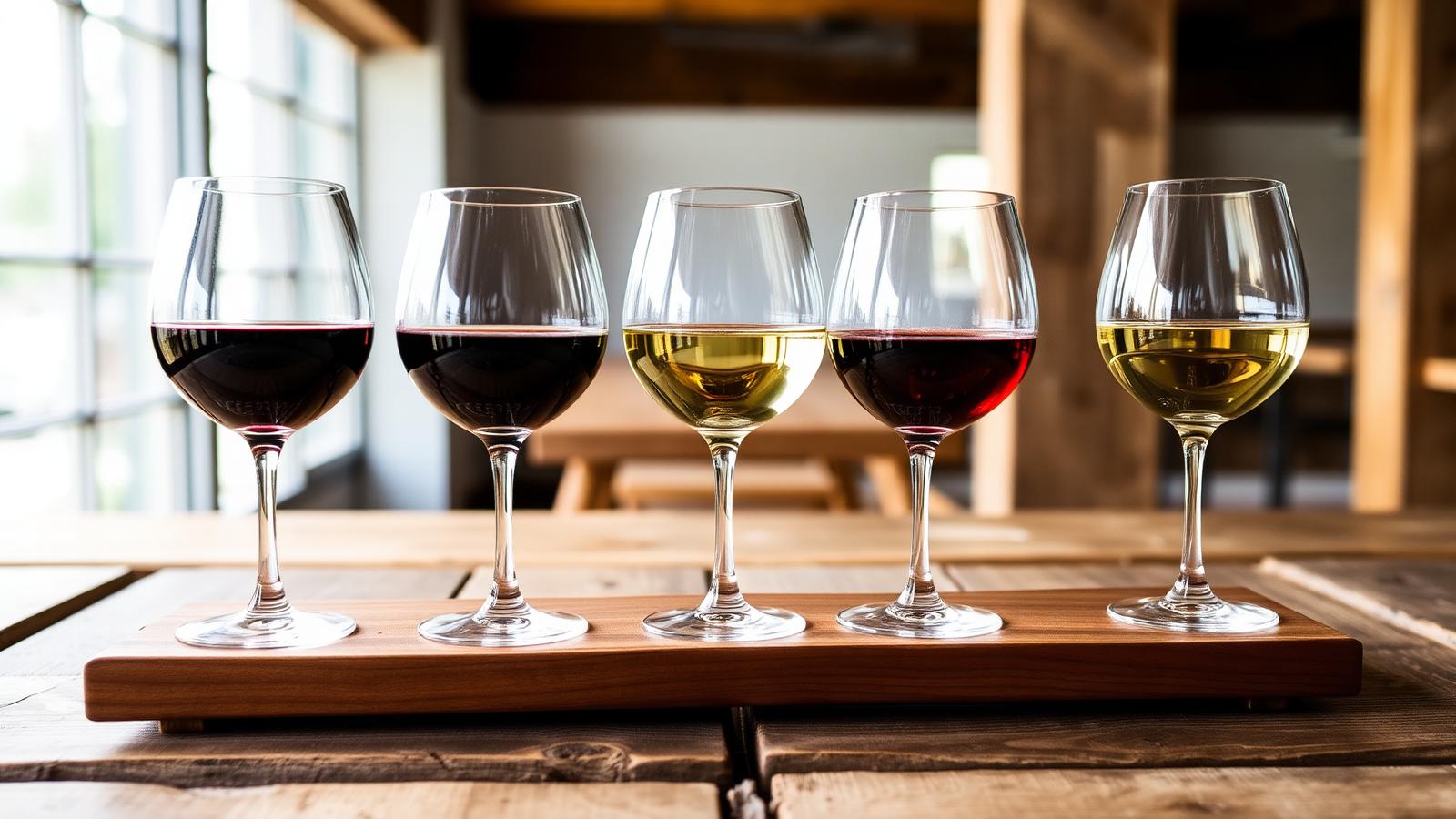
Wines from All tend to reflect the region's climate and terrain more than any single style. Look for a sense of place in the glass — mineral notes from stony soils, freshness where nights are cool, richer texture where the sun lingers longer. A short flight of local wines is the fastest way to feel the range.
Rhythms of the year
All moves with the seasons. Spring is quiet and green, summer brings long light and full terraces, harvest is intense and communal, and winter turns the vineyards into a stark, beautiful sculpture. Every season is a good reason to come — they just make very different trips.
Beyond the tasting room
Some of the most memorable moments in All happen away from the vines: a bakery in the next village over, a viewpoint at sunrise, a slow lunch that turns into a slow afternoon. Leave room in your itinerary for the things you can't plan.
Frequently asked questions
What is the best time of year to visit All for a wine tour?
Spring (April-May) and autumn (September-October) are generally considered the best seasons for a wine tour in All. In spring, the vineyards are lush and green, and the weather is pleasantly mild, perfect for exploring. Autumn brings the excitement of harvest, with vibrant colours and a palpable energy in the winemaking regions. Summers can be quite hot, especially in the valleys, while winters, though mild, might see some rain. Planning your visit during these shoulder seasons will allow for the most comfortable and rewarding experience.
How should I plan my itinerary to experience the diversity of All's wine regions?
To truly appreciate the range of All's wines, consider dividing your visit between a few distinct geographical areas. Focus on the central highlands for its structured reds and cooler climate whites, then explore the northern plateaus or high desert edges for powerful Syrahs and unique expressions of other varietals. Allowing at least 2-3 full days per sub-region will provide ample time to visit vineyards, savour local cuisine, and absorb the atmosphere. Look for charming local stays that put you right in the heart of the countryside.
What kind of transportation is recommended for exploring the wine country?
Renting a car is highly recommended for exploring the wine regions of All. This offers the greatest flexibility to visit vineyards, small villages, and scenic viewpoints at your own pace. Roads are generally well-maintained, but some smaller vineyard roads can be unpaved. Alternatively, private drivers or specialized local tour operators can be arranged, which allows everyone in your party to fully enjoy the wine. Public transport is less comprehensive in rural areas, making a car the most practical choice for a tailored wine experience.
Are there dining options available within or near the winemaking areas?
Yes, you'll find a delightful array of dining options that complement the wine experience. Many vineyards offer their own tasting rooms with light bites, and some even have full restaurants featuring farm-to-table menus. Beyond the vineyards, charming local eateries in nearby villages serve traditional regional cuisine, often with outdoor seating perfect for enjoying the views. It's advisable to make reservations, especially for lunch or dinner at popular establishments, to ensure a seamless and delicious culinary journey during your wine tour.