

Catania Wine Guide
The Rhythm of Village Life
Life in the villages scattered across Catania's slopes unfolds with an unhurried grace. Stone houses, often built from the very volcanic rock that defines the landscape, cluster together, their windows offering panoramic views of cultivated terraces and the shimmering coastline. Mornings begin with the scent of fresh pastries and strong coffee, followed by the gentle hum of daily routines. Afternoons often involve a slow, multi-course lunch, where robust local ingredients shine: sun-ripened tomatoes, fresh seafood, pistachios from nearby groves, and ricotta. Evenings bring cooler air, the clinking of glasses, and stories shared over plates of pasta alla Norma or grilled meats, all perfectly complemented by the region's distinctive wines. It's a rhythm that invites you to slow down and savor each moment.
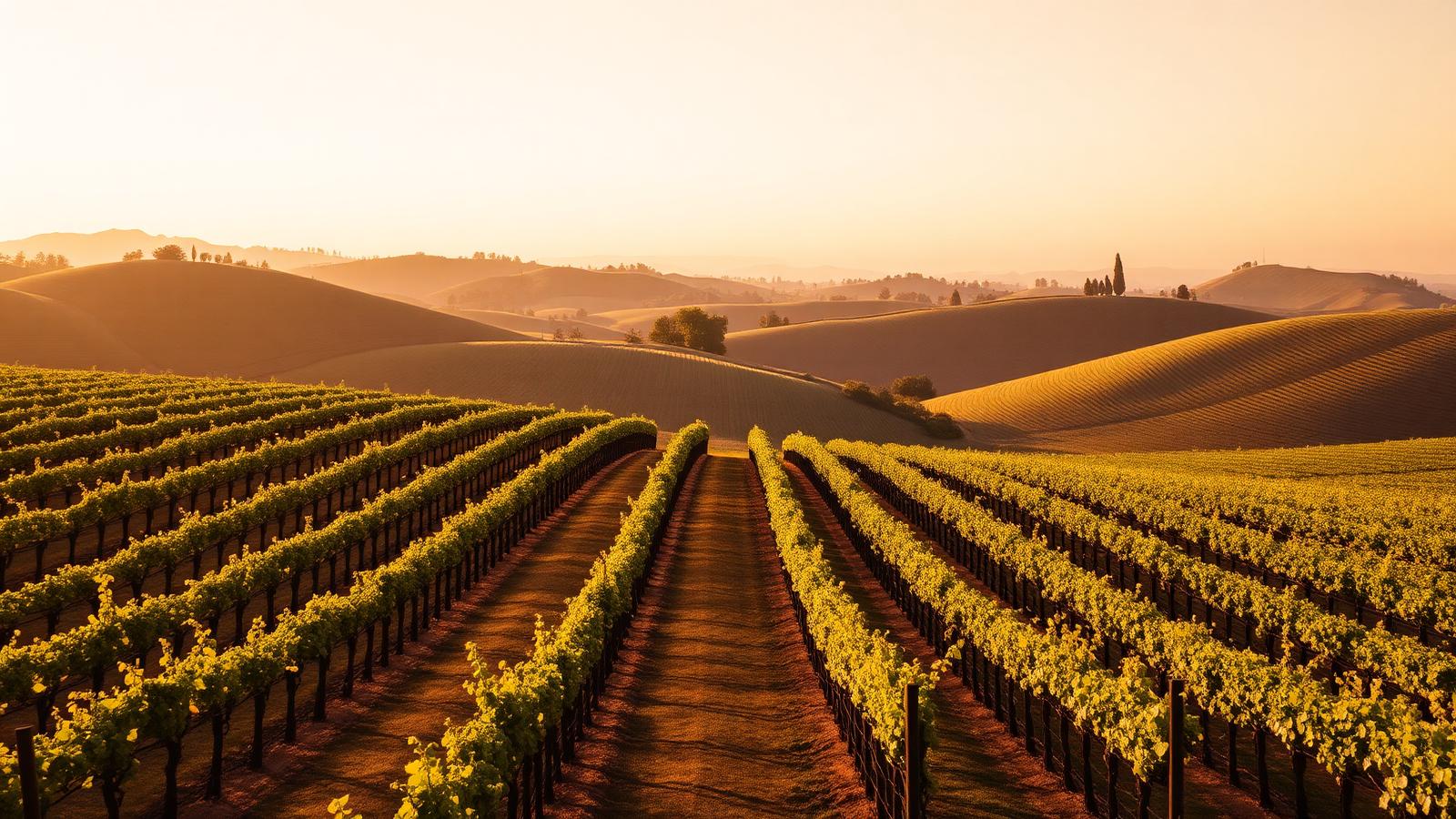
Volcanic Terroir & Distinctive Grapes
The very ground beneath your feet in Catania is a testament to nature's power, a mosaic of blackened lava stones, fine ash, and rich, fertile earth. This dramatic volcanic soil, coupled with significant diurnal temperature shifts due to elevation, imparts a remarkable minerality and elegant structure to the local wines. Indigenous grapes like , with its ethereal aromatics reminiscent of red berries and subtle spices, and Nerello Cappuccio, offering darker fruit and a velvety texture, thrive in these challenging conditions. White varietals, particularly Carricante, develop a fascinating saline edge and bright acidity, often echoing the distant sea. These unique expressions are deeply rooted in the land, unavailable anywhere else in such pure, unadulterated form.

Planning a visit to Catania
Best time to visit Catania
Late spring and early autumn are the choices — comfortable weather, generous light, and vineyards at their most photogenic. Summer is warmer and livelier, with long evenings and outdoor tables everywhere. Winter is peaceful, cellars are quiet, and there's a real intimacy to visits without the crowds.
Where to base yourself
The main village or town in Catania is usually the easiest base — it puts you in walking distance of restaurants and daily life, with vineyards a short drive away. Staying in the countryside is quieter and more romantic, but you'll rely more on a car or a driver. Both are valid; pick the mood you want your trip to have.
Getting to Catania
Most travellers reach Catania by combining a flight into the nearest major city with a train, bus, or rental car for the last leg. Once you arrive, distances are usually short — many memorable days here involve less driving than you'd expect.
Making the most of a day in Catania
A good day in Catania tends to have a shape: a slow morning, a couple of unhurried tasting stops, a proper local lunch, and time in the late afternoon to walk, nap, or take in a view. Try not to over-plan — the best moments usually turn up between the ones you scheduled.
Frequently asked questions
When is the best time to visit Catania for a wine-focused experience?
The shoulder seasons, spring (April to June) and autumn (September to October), generally offer the most pleasant weather for exploring Catania's wine country. In spring, the landscape is lush and green, with comfortable temperatures for walking among the vineyards. Autumn brings the excitement of the harvest, with a lively atmosphere and cooler, crisp air perfect for outdoors. Summers can be quite hot, though visiting the higher-altitude vineyards can offer some respite. Winters are milder but may see more rainfall, which can sometimes impact travel plans, so plan accordingly to make the most of your visit.
What kind of clothing should I pack for visiting the wine regions around Catania?
For comfortable exploration, pack layers! Even in warmer months, temperatures can vary between the coastal areas and higher altitudes. Comfortable walking shoes are essential, especially if you plan to stroll through vineyards or visit cellar doors, as paths can be uneven. Light, breathable fabrics are best for daytime, alongside a light jacket or sweater for cooler evenings or visits to cooler cellars. Don't forget sun protection – a hat, sunglasses, and high-factor sunscreen are advisable year-round, as the Sicilian sun can be quite strong, even on seemingly overcast days.
Is it easy to navigate the wine routes around Catania independently, or is a guide recommended?
While it's possible to navigate some of the more accessible routes independently with a rental car, a local guide or a pre-arranged tour can significantly enhance your experience. The winding, sometimes narrow roads in the volcanic foothills can be challenging, and parking can be limited. A knowledgeable guide can lead you to more secluded locations, offer insights into the unique geology and viticulture, and arrange intimate tastings, allowing you to relax and fully immerse yourself in the journey without worrying about driving. Consider a blend of both depending on your comfort level and desired depth of exploration.
What unique local products or souvenirs should I look for in Catania's wine-producing areas?
Beyond the exquisite wines themselves, Catania offers a delightful array of local products to bring home. Look for products made from the famed pistachios, especially from the areas near the volcano, such as pestos, sweet spreads, and artisanal chocolates. Olive oil, pressed from Sicilian olives, is another excellent choice, often boasting a robust, peppery flavor. Local ceramics, often beautifully hand-painted, reflect the vibrant colors of the island. And consider sampling, then bringing home, some local honeys, often infused with unique floral notes from the diverse volcanic flora. These items encapsulate the flavors and craftsmanship of the region.