

Sicily (Sicilia) Wineries & Wine Tours
Sub-regions

Gastronomy and Island Rhythms
Sicilian cuisine is a culinary narrative, a vibrant interplay of fresh seafood from turquoise waters, sun-ripened vegetables, and aromatic herbs. Dishes like pasta alla Norma, arancini, and intricate pastries are deeply intertwined with the island's winemaking traditions. Long, leisurely meals enjoyed outdoors, often with views stretching to the sea or across rolling vineyards, are a cornerstone of the island's pace of life. Here, good food and wine are not just sustenance; they are an integral part of the culture, reflecting a deep appreciation for the land's gifts and the joy of shared moments.
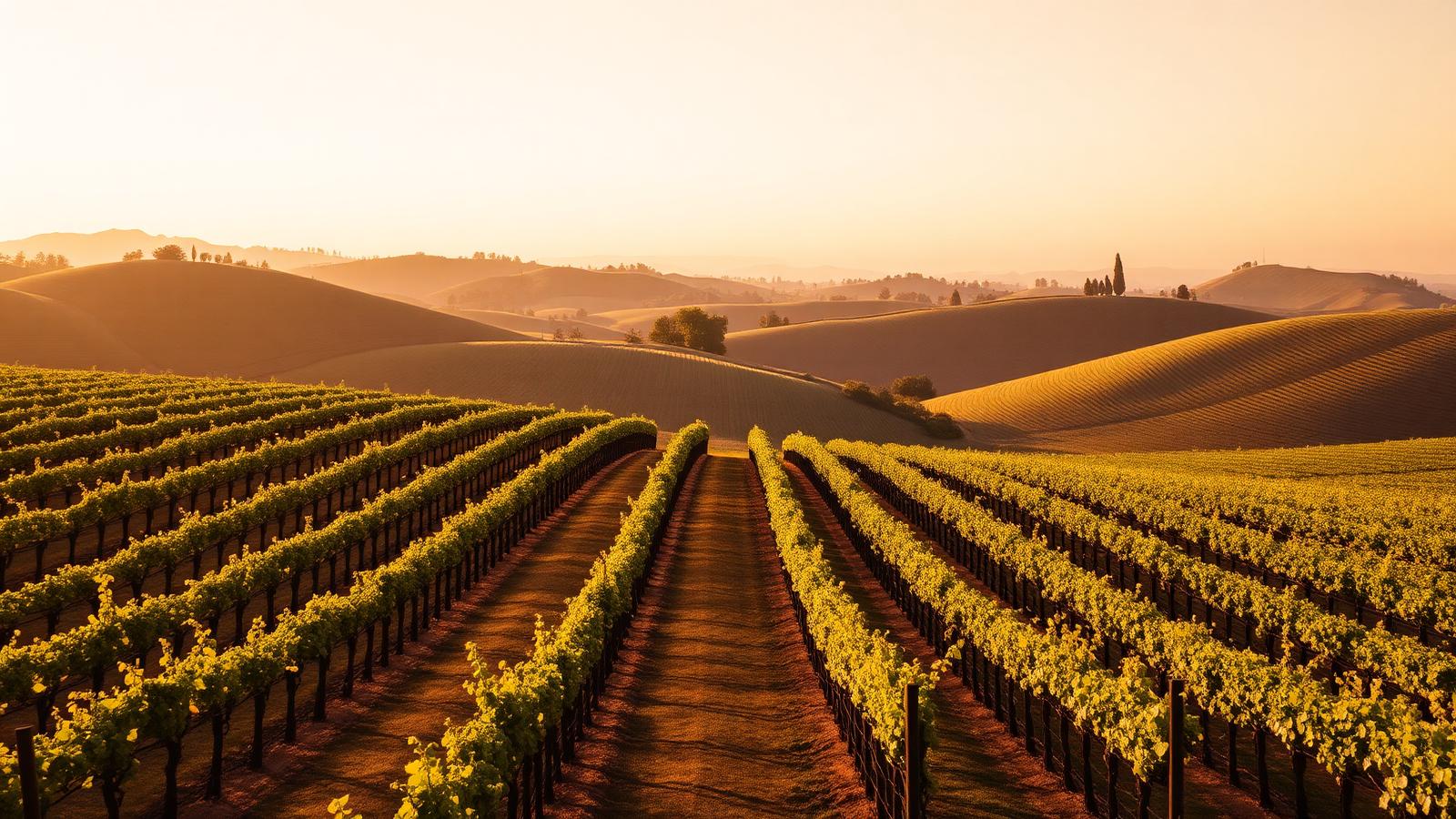
Sun-Kissed Grapes and Bold Flavors
Sicily's signature grapes are a testament to its singular climate. , the island's dark king, yields opulent reds bursting with ripe fruit and a whisper of spice, while offers a lighter, fragrant counterpoint. For whites, and produce wines often marked by saline freshness and a captivating aromatic profile, reflecting their proximity to the sea. Carricante, indigenous to Etna, expresses intense minerality and vibrant acidity from its volcanic cradle. These varieties, cultivated under a generous sun, result in wines that are as bold and expressive as the island itself.
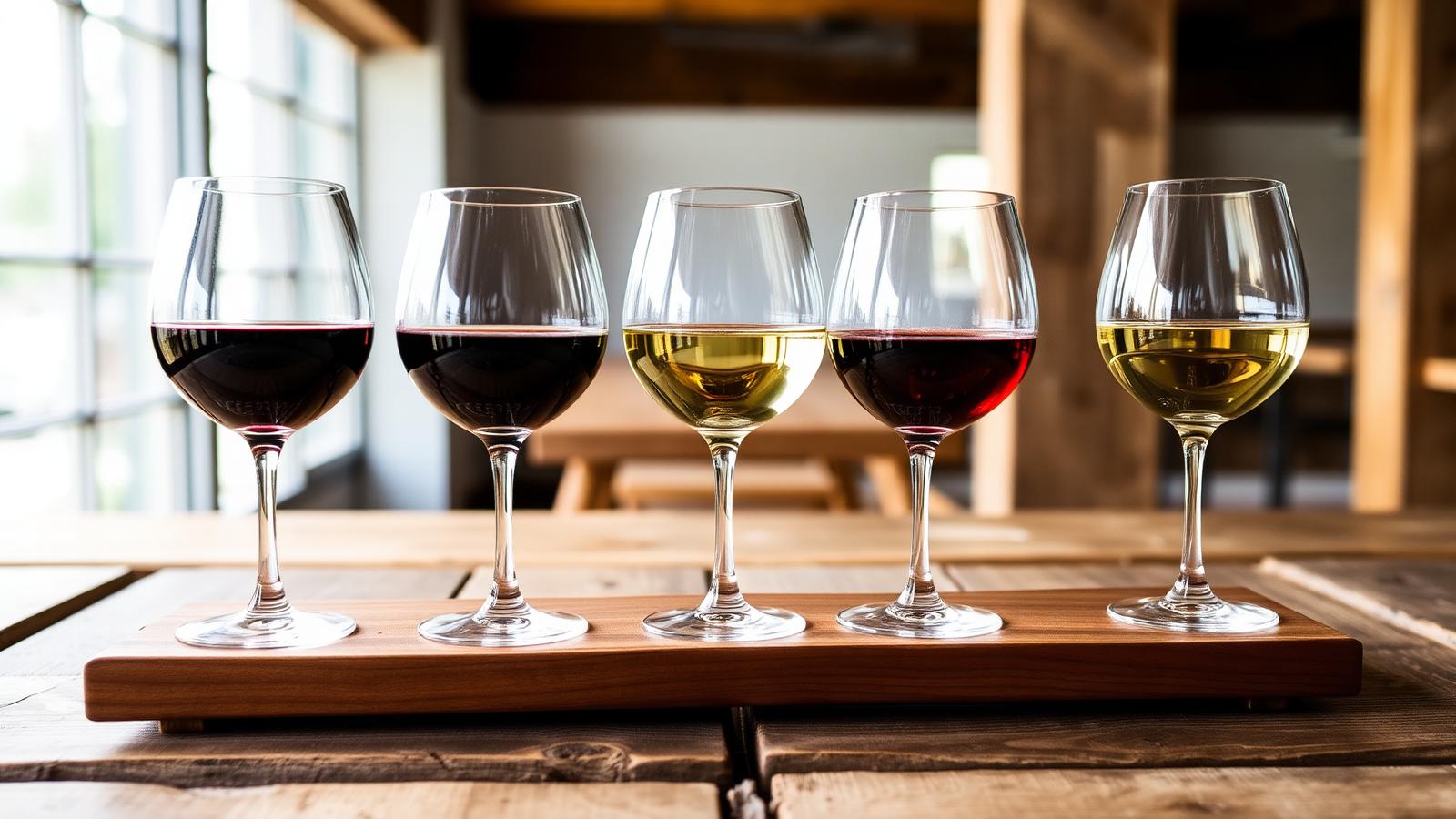
Volcanic Terroirs and Ancient Vines
The heart of Sicily's winemaking pulses with the island's dramatic geology. Mount Etna, Europe's most active volcano, bestows a unique minerality upon the grapes cultivated on its formidable slopes. Here, vineyards cling to steep, dark lava-rich soils, producing wines of remarkable freshness and complexity. Beyond Etna, ancient soils across the island, from sun-drenched coastal plains to high-altitude plateaus, nurture indigenous varieties that have thrived for millennia. This diverse terrain, combined with cooling sea breezes, creates microclimates that imbue the wines with distinct personalities, capturing the very essence of their birthplace.
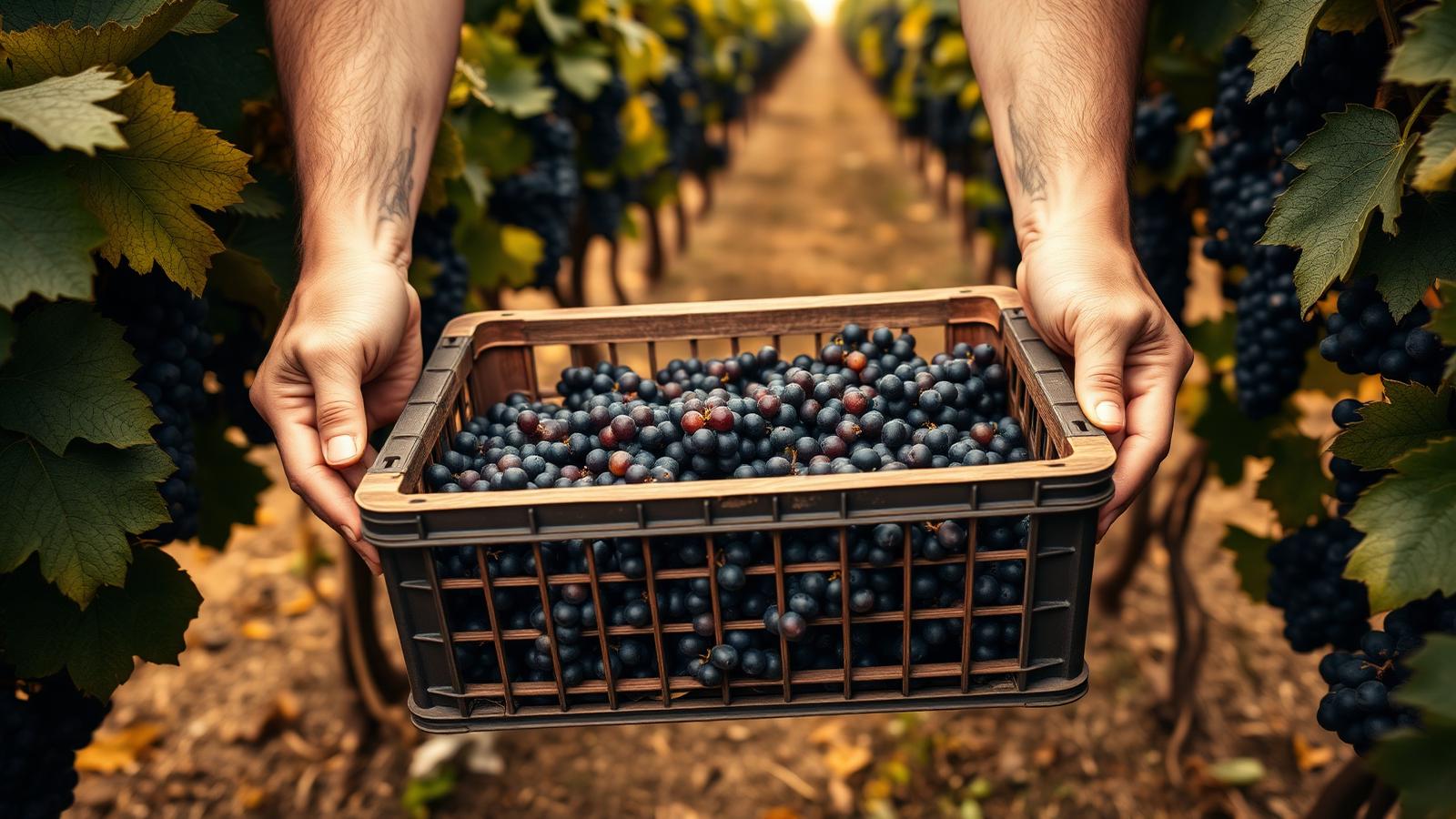
Getting to know Sicily (Sicilia)
What Sicily (Sicilia) tastes like
Wines from Sicily (Sicilia) tend to reflect the region's climate and terrain more than any single style. Look for a sense of place in the glass — mineral notes from stony soils, freshness where nights are cool, richer texture where the sun lingers longer. A short flight of local wines is the fastest way to feel the range.
Rhythms of the year
Sicily (Sicilia) moves with the seasons. Spring is quiet and green, summer brings long light and full terraces, harvest is intense and communal, and winter turns the vineyards into a stark, beautiful sculpture. Every season is a good reason to come — they just make very different trips.
Beyond the tasting room
Some of the most memorable moments in Sicily (Sicilia) happen away from the vines: a bakery in the next village over, a viewpoint at sunrise, a slow lunch that turns into a slow afternoon. Leave room in your itinerary for the things you can't plan.
Frequently asked questions
When is the best time of year to experience Sicily's wine regions?
The ideal time to visit Sicily for a wine-focused trip is typically spring (April to June) or early autumn (September to October). During these months, the weather is pleasantly warm, without the intense heat of mid-summer, making vineyard walks and outdoor dining very enjoyable. Spring offers lush greenery and blooming wildflowers, while autumn allows you to witness the excitement of the harvest, with many villages celebrating wine festivals. Always check local festival schedules, as these can add a wonderful cultural dimension to your visit.
What kind of transportation is recommended for exploring Sicilian wine areas?
Renting a car is highly recommended for exploring Sicily's wine regions. This provides the flexibility to navigate the winding country roads, reach more secluded wineries, and discover charming villages at your own pace. Public transportation can be limited outside major towns. Be aware that some roads, particularly on Etna, can be narrow and steep. Consider hiring a private driver for tasting days if you prefer not to drive after samples, ensuring a relaxing and safe experience as you move between different estates.
Beyond wine, what other cultural experiences should I seek out in Sicily?
Sicily is a treasure trove of cultural experiences. Explore the remarkably preserved Greek temples in Agrigento or Selinunte, wander through the Baroque splendor of towns like Noto and Ragusa Ibla, or marvel at the Roman mosaics of Piazza Armerina. The vibrant markets of Palermo or Catania offer a sensory feast, while cooking classes focused on traditional Sicilian cuisine can provide a deeper understanding of the island's gastronomic heritage. Don't forget to take time to simply enjoy the stunning coastline and picturesque fishing villages.
Are most wine experiences in Sicily conducted in English, or should I prepare some Italian phrases?
While many places, especially larger estates and tourist-focused areas, will have staff who speak English, it's always beneficial and appreciated to learn a few basic Italian phrases. In smaller, more authentic settings or family-run operations, English might be less common. Simple greetings, requests, and expressions of gratitude in Italian will greatly enhance your interactions and open doors to more genuine local experiences. Carrying a small phrasebook or using a translation app can also be very helpful during your journey.