

Syracuse Wine Guide
A Gastronomic Tapestry
The culinary traditions of Syracuse are as deep-rooted as its ancient olive trees, offering a perfect counterpoint to its remarkable wines. Here, the Mediterranean diet is not just a concept, but a way of life, with meals centered around the pristine bounty of the sea and the fertile agricultural land. Freshly caught swordfish, tuna, and anchovies are prepared with citrus, wild herbs, and the region's exceptional olive oil. Hearty pasta dishes incorporate local vegetables like eggplant, tomatoes, and capers, often finished with a grating of salty ricotta salata. The local sweets, rich with almonds, honey, and candied fruit, reflect the island's layered history, providing a delightful conclusion to any long, leisurely meal.

Indigenous Grape Harmonies
Syracuse is a sanctuary for indigenous grape varieties, each a cornerstone of the region's vinous identity. The robust reigns supreme, its dark fruit and earthy notes reflecting the sun-drenched landscape. Yet, it is within the nuances of other grapes that Syracuse truly distinguishes itself. , with its delicate floral aromas and bright acidity, offers a captivating counterpoint, often blended to add freshness and elegance. Historic white grapes, though less widespread, lend wines a unique salinity and aromatic complexity, conveying the mineral richness of the soil and the proximity to the sea, culminating in styles that are both nuanced and unmistakably Sicilian.

The Terroir's Embrace
The true character of Syracuse wines emerges from its dramatic and varied . Along the coast, salty sea air and bright sunlight shape grapes into expressions of vibrant freshness. Moving inland, the landscape rises, revealing ancient, mineral-rich soils – a blend of limestone, clay, and volcanic deposits from distant Mount Etna's past eruptions. This geological tapestry, combined with the region's generous sunshine and cooling evening breezes, creates an ideal environment for vines to thrive. The unique balance of heat and humidity, tempered by Mediterranean influences, coaxes deep complexity and an alluring aromatic profile from both indigenous and heritage grape varieties, resulting in wines that speak profoundly of their origin.
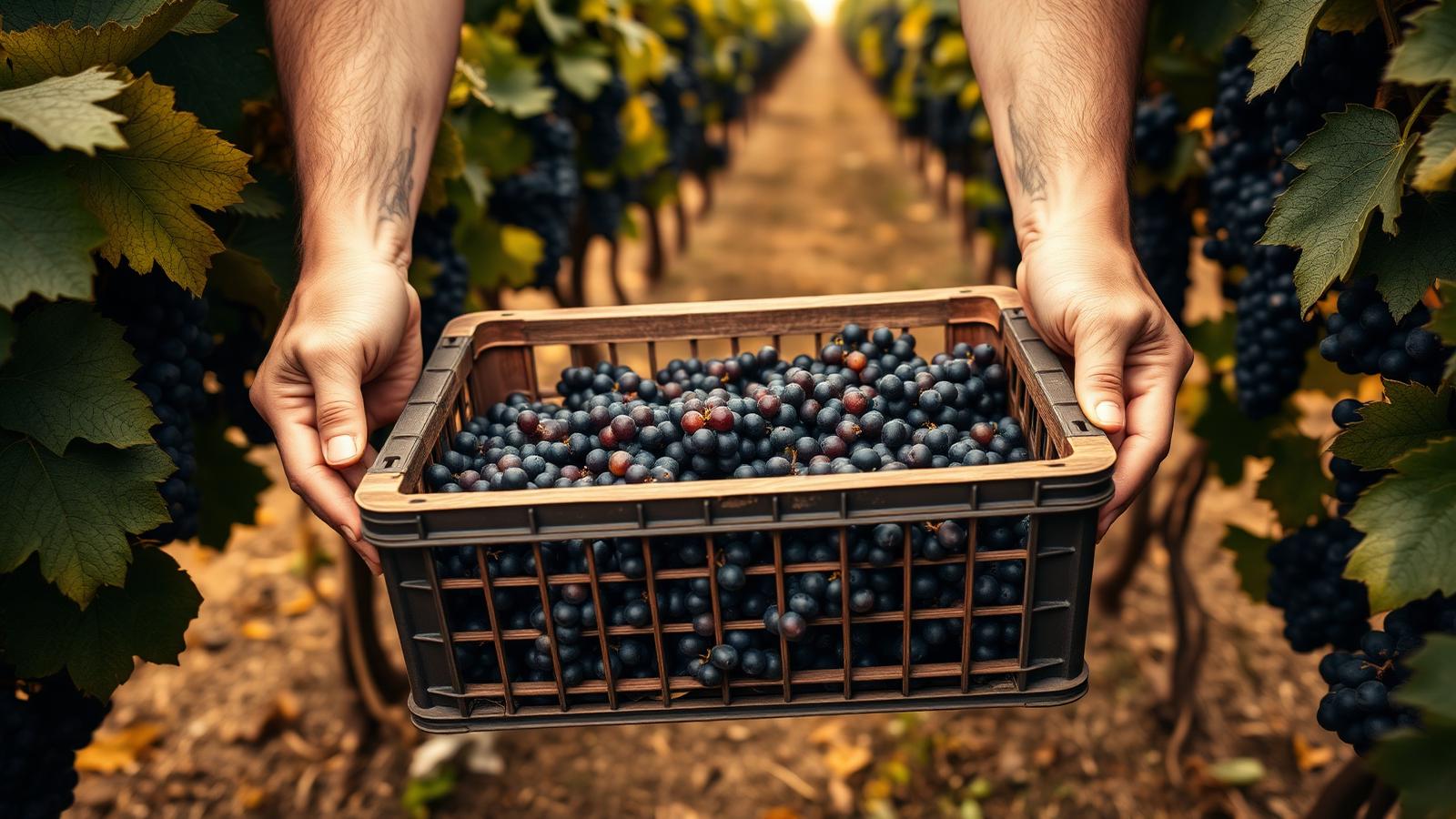
Planning a visit to Syracuse
Best time to visit Syracuse
Late spring and early autumn are the choices — comfortable weather, generous light, and vineyards at their most photogenic. Summer is warmer and livelier, with long evenings and outdoor tables everywhere. Winter is peaceful, cellars are quiet, and there's a real intimacy to visits without the crowds.
Where to base yourself
The main village or town in Syracuse is usually the easiest base — it puts you in walking distance of restaurants and daily life, with vineyards a short drive away. Staying in the countryside is quieter and more romantic, but you'll rely more on a car or a driver. Both are valid; pick the mood you want your trip to have.
Getting to Syracuse
Most travellers reach Syracuse by combining a flight into the nearest major city with a train, bus, or rental car for the last leg. Once you arrive, distances are usually short — many memorable days here involve less driving than you'd expect.
Making the most of a day in Syracuse
A good day in Syracuse tends to have a shape: a slow morning, a couple of unhurried tasting stops, a proper local lunch, and time in the late afternoon to walk, nap, or take in a view. Try not to over-plan — the best moments usually turn up between the ones you scheduled.
Frequently asked questions
What is the best time of year to visit Syracuse for a wine focus?
For an immersive wine experience, the shoulder seasons – April to June and September to October – are ideal. During these months, the weather is pleasantly warm, perfect for exploring vineyards and ancient sites without the intense heat of high summer. The spring brings vibrant wildflowers and burgeoning vines, while early autumn offers the excitement of the harvest season, with winemakers often busy bringing in their grapes. Many establishments operate with full vigor but without the peak tourist crowds, allowing for a more intimate and relaxed visit.
How should I plan my days to experience Syracuse's wine and culture at a relaxed pace?
Embrace the Sicilian pace, known as 'slow living'. Start your mornings with a leisurely breakfast. Dedicate part of your day to exploring a local town, perhaps Ortigia, or venturing into the countryside to discover a vineyard or an ancient ruin. Plan for long, unhurried lunches, often a multi-course affair paired with local wines. The afternoons are perfect for a siesta or a gentle stroll by the sea. Evenings are for enjoying the warm air, local aperitivos, and sumptuous dinners, allowing the day's experiences to unfold gradually.
Are there specific local dishes or ingredients I should seek out to pair with Syracuse wines?
Absolutely! Syracuse wines, particularly the reds from , pair beautifully with the rich local cuisine. Look for pasta alla Norma, a regional specialty with eggplant and salted ricotta, or any dish featuring wild boar or lamb. For lighter red wines like , aim for grilled fish or vegetarian pasta dishes with fresh tomatoes and herbs. Don't miss the local seafood, especially swordfish, often prepared simply with lemon and olive oil, which can complement a crisp local white or even a youthful red. The interplay of fresh, local ingredients enhances the wine experience significantly.
What kind of transportation is recommended for exploring the Syracuse wine region?
Renting a car is highly recommended for exploring the Syracuse wine region at your own pace. The vineyards and charming villages are often spread out, and public transport can be limited and infrequent in rural areas. This allows you the flexibility to meander through picturesque landscapes, stop at scenic viewpoints, and visit various establishments without being tied to schedules. Just be mindful that some country roads can be narrow or winding, and always arrange for a designated driver or utilize local taxi services if you plan to partake in tastings.