

Trapani Wine Guide
Village & Vine
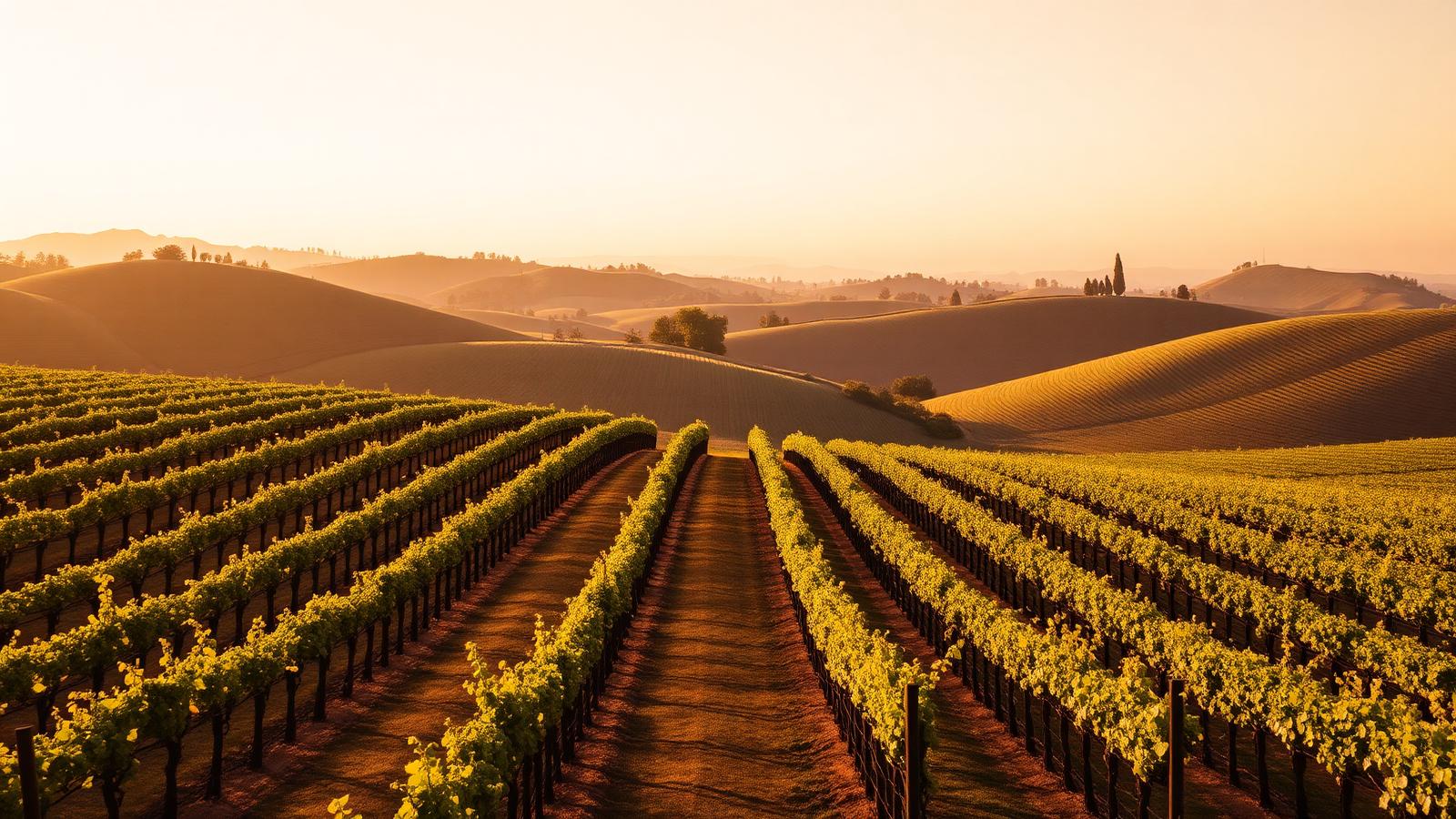
The villages of Trapani are timeless, sculpted from local stone and clinging to hillsides or nestled along the coast. Their narrow, winding streets open onto sun-drenched piazzas where daily life unfolds with unhurried grace. Around these settlements, vineyards stretch in ordered rows, often interspersed with ancient olive groves and almond trees. The sight of old, bush-trained vines, gnarled and resilient, speaks of a profound respect for tradition and sustainable practice. This intimate relationship between the built environment and the agricultural landscape defines the region's charm, inviting exploration both by foot and by palate.
The Soul of the Soil
Trapani's is a fascinating mosaic. Predominantly, the soils are a mix of calcareous clay, sand, and even ancient marine deposits near the coast, each contributing a distinct signature to the grapes. This variable geology, coupled with the region's intense sunlight and beneficial winds, fosters a remarkable diversity. The red grapes, like and , yield wines of generous fruit and structure, while whites crafted from and express a vibrant minerality and saline freshness, often hinting at almonds and citrus. It is a terroir that demands patience and understanding, rewarding those who listen to its subtle whispers.
Planning a visit to Trapani
Best time to visit Trapani
Late spring and early autumn are the choices — comfortable weather, generous light, and vineyards at their most photogenic. Summer is warmer and livelier, with long evenings and outdoor tables everywhere. Winter is peaceful, cellars are quiet, and there's a real intimacy to visits without the crowds.
Where to base yourself
The main village or town in Trapani is usually the easiest base — it puts you in walking distance of restaurants and daily life, with vineyards a short drive away. Staying in the countryside is quieter and more romantic, but you'll rely more on a car or a driver. Both are valid; pick the mood you want your trip to have.
Getting to Trapani
Most travellers reach Trapani by combining a flight into the nearest major city with a train, bus, or rental car for the last leg. Once you arrive, distances are usually short — many memorable days here involve less driving than you'd expect.
Making the most of a day in Trapani
A good day in Trapani tends to have a shape: a slow morning, a couple of unhurried tasting stops, a proper local lunch, and time in the late afternoon to walk, nap, or take in a view. Try not to over-plan — the best moments usually turn up between the ones you scheduled.
Frequently asked questions
What is the best time of year to visit Trapani for wine appreciation?
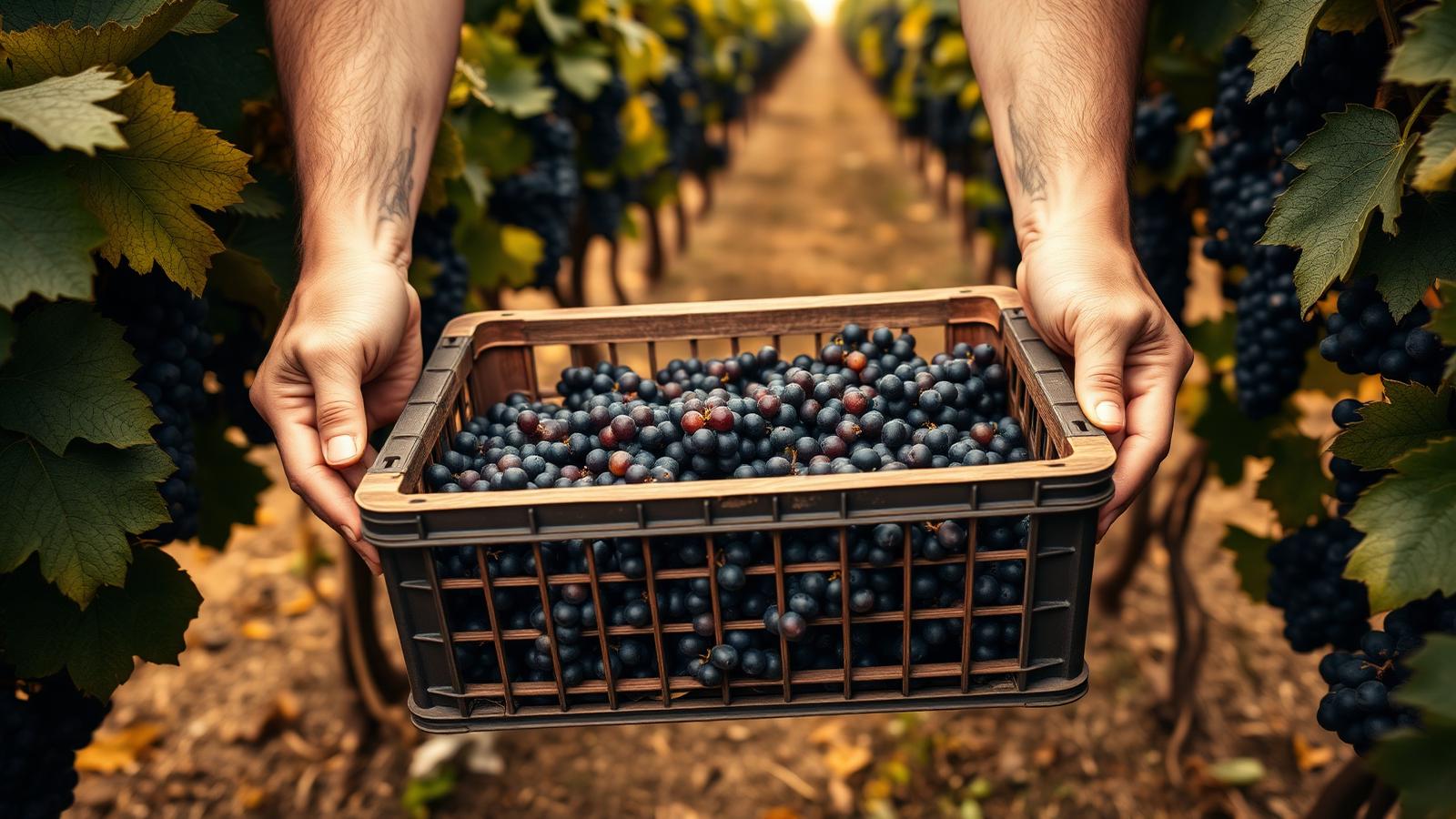
The ideal time to experience Trapani's wine country is during late spring, from April to June, or in early autumn, September to October. In spring, the vineyards are vibrant green, the wildflowers are in bloom, and the weather is pleasantly mild, perfect for leisurely explorations. Autumn brings the excitement of the harvest, with a lively atmosphere in the countryside, and the temperatures are still beautifully warm. July and August can be very hot, making daytime activities less comfortable, though evenings are enchanting.
Are there specific local grape varieties unique to Trapani that I should seek out?
Absolutely! Trapani is particularly renowned for its indigenous white grape, , which produces wonderfully aromatic and full-bodied wines with notes of citrus, herbs, and often a pleasant salinity that speaks of the coastal influence. For reds, seek out , which here tends to be rich and velvety, and the lesser-known , offering lighter, fragrant reds with bright red fruit. Don't overlook , another important white grape, which offers refreshing and crisp excellent everyday wines.
What kind of transportation is recommended for exploring Trapani's wine region?
To truly immerse yourself in Trapani's countryside and visit the various charming villages and vineyards, renting a car is highly recommended. This offers the freedom and flexibility to explore at your own pace, meandering along scenic roads and stopping wherever strikes your fancy. Public transport can be limited in rural areas. Alternatively, many local tour operators offer guided wine experiences that handle logistics, allowing you to relax and fully enjoy the tastings without worrying about driving.
What local specialties or traditions, beyond wine, should I experience in Trapani?
Beyond the wines, Trapani offers a wealth of cultural and culinary delights. Be sure to try the local seafood couscous, a reflection of the region's historical ties to North Africa – it's a truly distinctive dish. The salt pans, with their windmills and mountains of white salt, offer breathtaking photographic opportunities, especially at sunset. Exploring the historic center of Trapani town with its baroque architecture, or taking a ferry to the Egadi Islands for pristine beaches and crystal-clear waters, will enrich your Sicilian experience far beyond the glass.