

Ragusa Wine Guide
The Culinary Soul
The Ragusan table is a celebration of seasonal bounty and historical influences, a perfect partner to its wines. Olive groves dot the landscape, yielding some of Italy's most prized oils. Cheeses, from fresh ricotta to aged caciocavallo, are staples, often starring in rich pasta dishes. The region's unique chocolate, handcrafted using ancient Aztec methods, offers a surprising, crumbly texture. Long, leisurely lunches unfold in sun-drenched courtyards, featuring slow-cooked pork, fresh vegetables from local gardens, or seafood brought in from the nearby coast. Each dish, unpretentious and deeply flavorful, tells a story of the land and its people, perfectly complemented by a local pour.
Grapes of Character
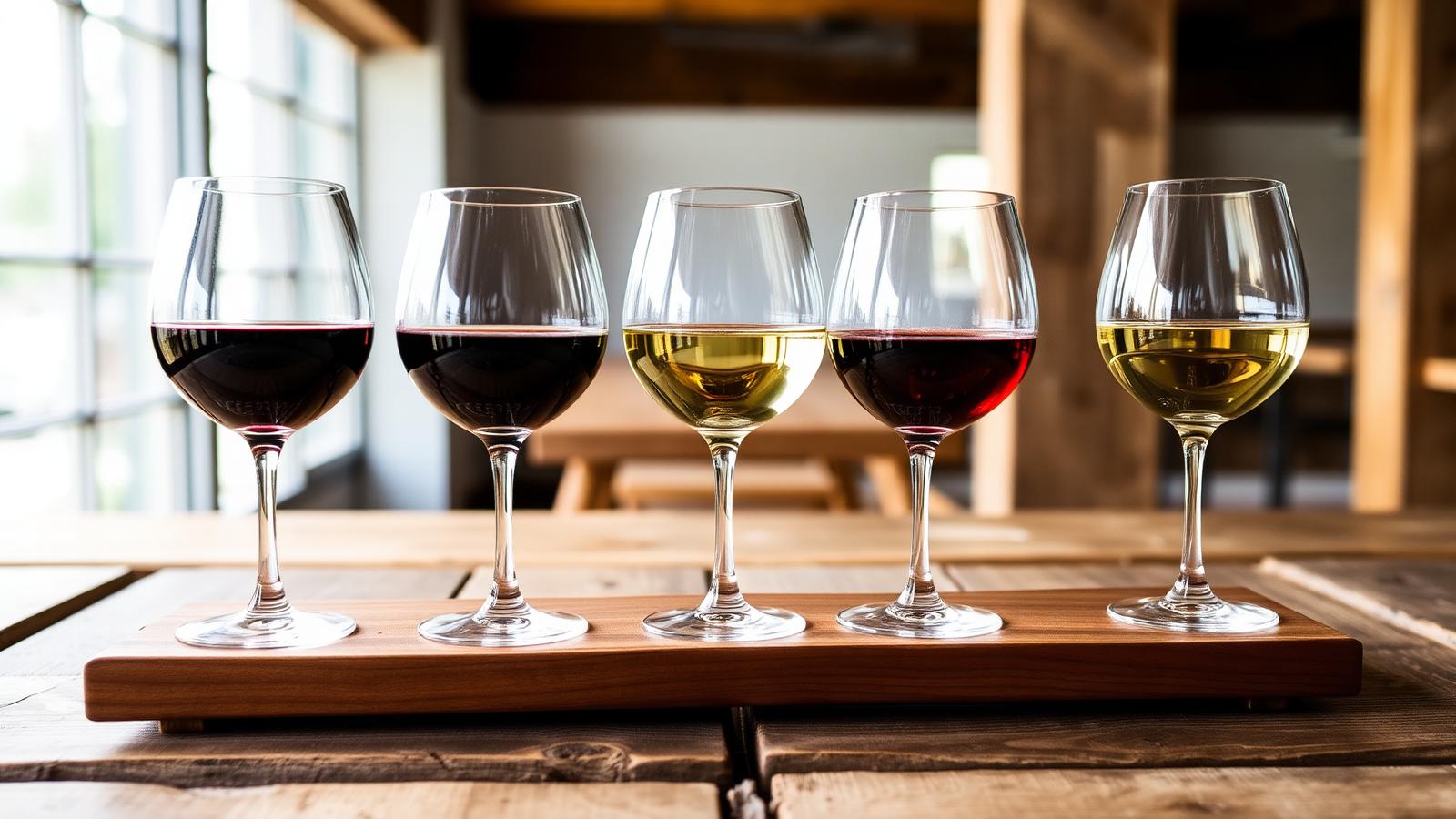
Ragusa is home to grapes that thrive in its specific conditions, yielding wines of impressive depth and elegance. Here, indigenous varietals, particularly the region's hallmark red, express themselves with a surprising balance of power and grace. They gain succulence from the intense Sicilian sun, yet retain a vital freshness from the cool, nocturnal sea breezes and the higher altitudes. These wines often present layers of red berry, spice, and balsamic notes, underpinned by a firm tannic structure and a lingering, savory finish. The white grapes cultivated here also produce compelling wines, aromatic and crisp, perfect reflections of the region's bright Mediterranean light and refreshing breezes.
Terroir's Embrace
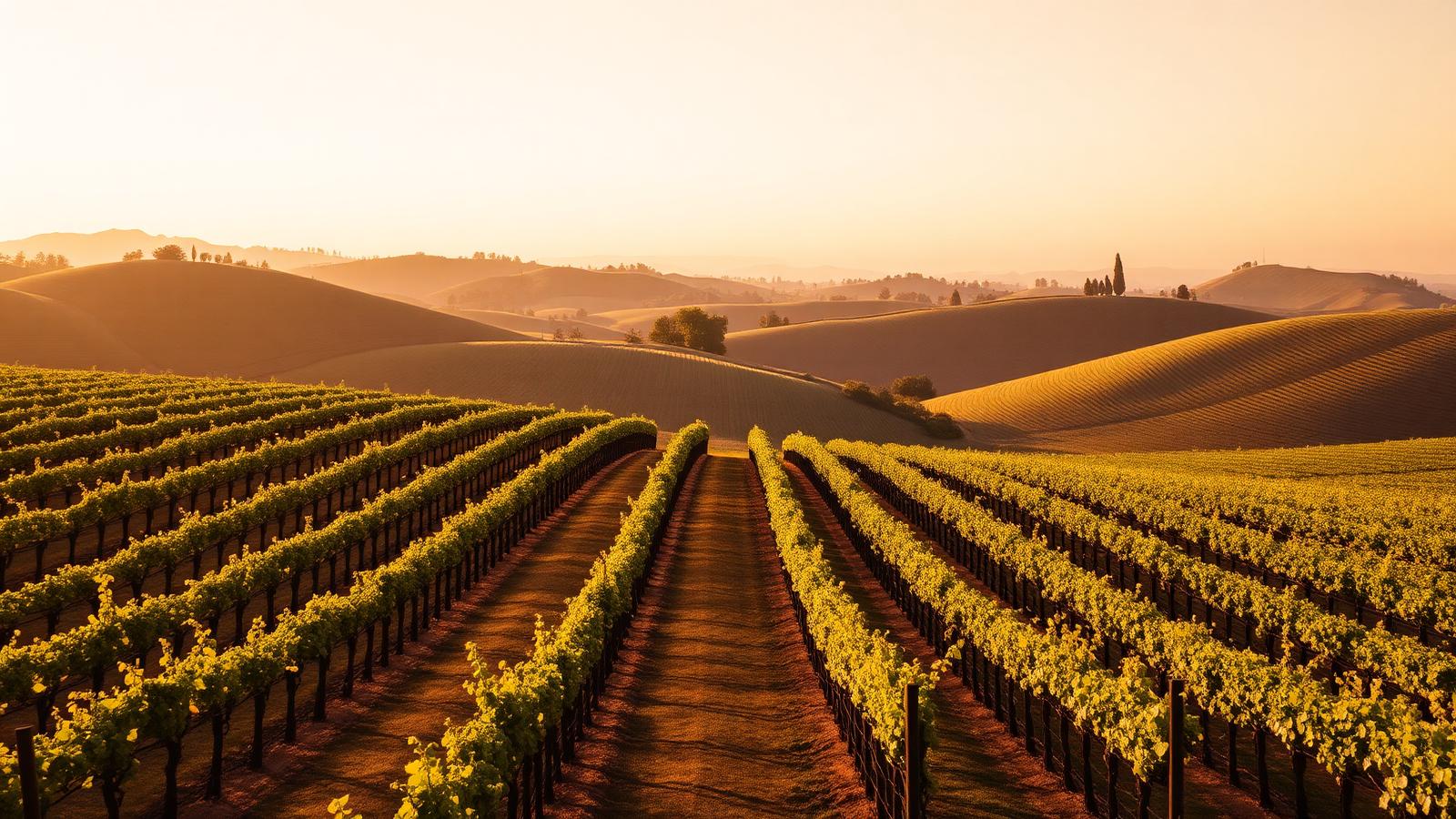
The geological canvas of Ragusa is a fascinating tapestry of calcareous soils, rich in minerals, born from ancient marine sediments. This specific composition, often interspersed with red clay and dark volcanic-like marl, provides a unique foundation for the vines. Grape roots delve deep into this complex earth, drawing out character that speaks directly of its origins. The undulating hills and valleys create diverse exposures, allowing each vine to find its perfect micro-niche. It's a land where the whispers of the past are as palpable as the modern-day cultivation, shaping wines of elegance and distinct minerality that resonate with the very soul of the Iblean plateau.
Planning a visit to Ragusa
Best time to visit Ragusa
Late spring and early autumn are the choices — comfortable weather, generous light, and vineyards at their most photogenic. Summer is warmer and livelier, with long evenings and outdoor tables everywhere. Winter is peaceful, cellars are quiet, and there's a real intimacy to visits without the crowds.
Where to base yourself
The main village or town in Ragusa is usually the easiest base — it puts you in walking distance of restaurants and daily life, with vineyards a short drive away. Staying in the countryside is quieter and more romantic, but you'll rely more on a car or a driver. Both are valid; pick the mood you want your trip to have.
Getting to Ragusa
Most travellers reach Ragusa by combining a flight into the nearest major city with a train, bus, or rental car for the last leg. Once you arrive, distances are usually short — many memorable days here involve less driving than you'd expect.
Making the most of a day in Ragusa
A good day in Ragusa tends to have a shape: a slow morning, a couple of unhurried tasting stops, a proper local lunch, and time in the late afternoon to walk, nap, or take in a view. Try not to over-plan — the best moments usually turn up between the ones you scheduled.
Frequently asked questions
What is the best way to travel around Ragusa to experience its wine culture and villages?
Renting a car is highly recommended for exploring Ragusa and its surrounding wine regions. Public transport can be limited and infrequent, making it challenging to reach smaller villages, boutique vineyards, and picturesque countryside spots at your own pace. With a car, you can comfortably navigate the winding roads, stop at scenic viewpoints, and immerse yourself in the slow rhythm of the Iblean landscape. Ensure you have good navigation, as some rural roads can be less clearly marked. Always consider designated drivers if you plan on visiting multiple tasting rooms.
Are most wine experiences and tours in Ragusa available for walk-ins, or should I book in advance?
While some larger estates might accommodate spontaneous visits, it is generally advisable to book wine experiences and tours in Ragusa in advance, especially during peak season (spring and autumn). Many producers are family-run and operate with limited staff, and they appreciate knowing when to expect visitors. Pre-booking ensures a more personalized and intimate experience, as it allows the hosts to prepare for your arrival, often arranging a guided tour of their cellars and a tailored tasting of their wines, sometimes paired with local delicacies.
What kind of clothing should I pack for a wine-focused trip to Ragusa?
Comfortable and versatile clothing is key for a Ragusan wine journey. Lightweight, breathable fabrics like linen or cotton are ideal for warm days, particularly during the spring and summer months. Evenings can be cooler, especially in elevated areas, so a light sweater or jacket is always a good idea. Comfortable walking shoes are a must, as you'll likely be exploring historic towns and walking through vineyards. If visiting during autumn, layer for potentially cooler mornings and evenings, and perhaps include a light rain jacket. Don't forget a wide-brimmed hat and sunglasses for sun protection.
What local dishes and products should I definitely try in Ragusa, beyond the wine?
Beyond its excellent wines, Ragusa offers a treasure trove of culinary delights. Seek out the regional cheeses, particularly Caciocavallo Ragusano PDO, often served grilled or in pasta dishes. Modican chocolate, made with a cold process, offers a unique gritty texture and intense flavor. Don't miss out on local oils, often pressed from Tonda Iblea olives, renowned for their intense fruity notes. For savory dishes, try scacce ragusane (folded flatbreads with various fillings), or any plate featuring the local pork, often slow-cooked to perfection. Fresh ricotta, served sweet or savory, is another unforgettable local treat.