

Umbria Wineries & Wine Tours
Sub-regions
Culinary Harmonies
Umbrian cuisine is a celebration of the earth's bounty, perfectly attuned to its wines. The region is famous for its prized black truffles, often shaved generously over handmade pasta or rich egg dishes, finding a sublime companion in the earthy tones of a mature sagrantino. Wild game, such as boar or pigeon, often slow-cooked with aromatic herbs, mirrors the robust character of the red wines. Hearty porchetta and flavorful olive oils, alongside cheeses, complete a culinary tapestry that is honest, comforting, and deeply satisfying, echoing the unpretentious elegance of the Umbrian countryside.
Grapes of Character
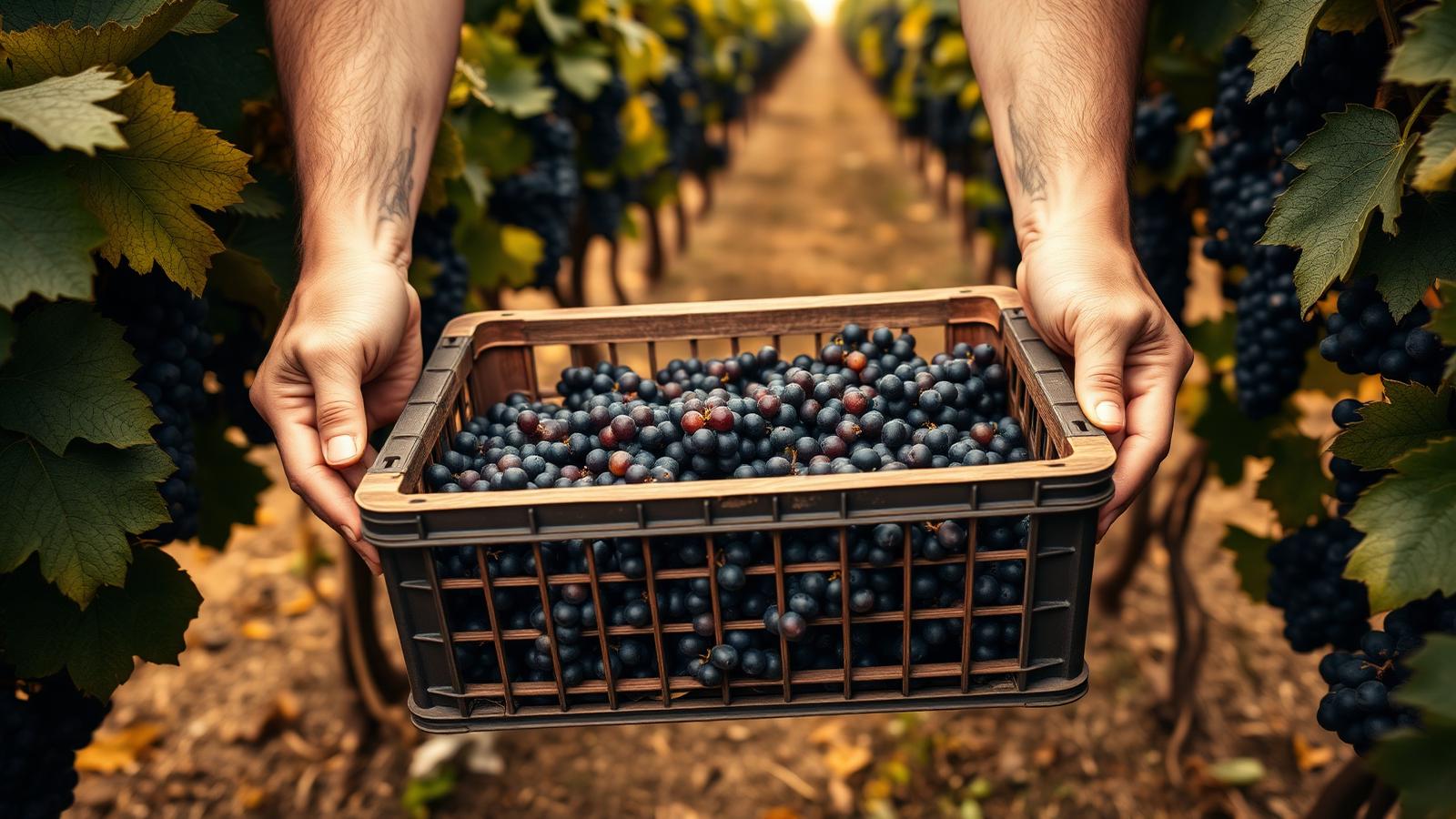
While many regions boast international varietals, Umbria prides itself on its indigenous grapes, cultivated for centuries with devotion. The bold, tannic sagrantino grape yields wines of profound intensity and longevity, often with notes of dark fruit, spice, and earth, a true expression of the region's rugged beauty. For whites, the grape produces vibrant, aromatic wines with hints of almond and citrus, embodying the freshness of Umbrian springs and the warmth of its summers. These treasured grapes, nurtured through generations, speak to the deep connection between the land and its long-standing winemaking traditions.
The Green Heart's Terroir
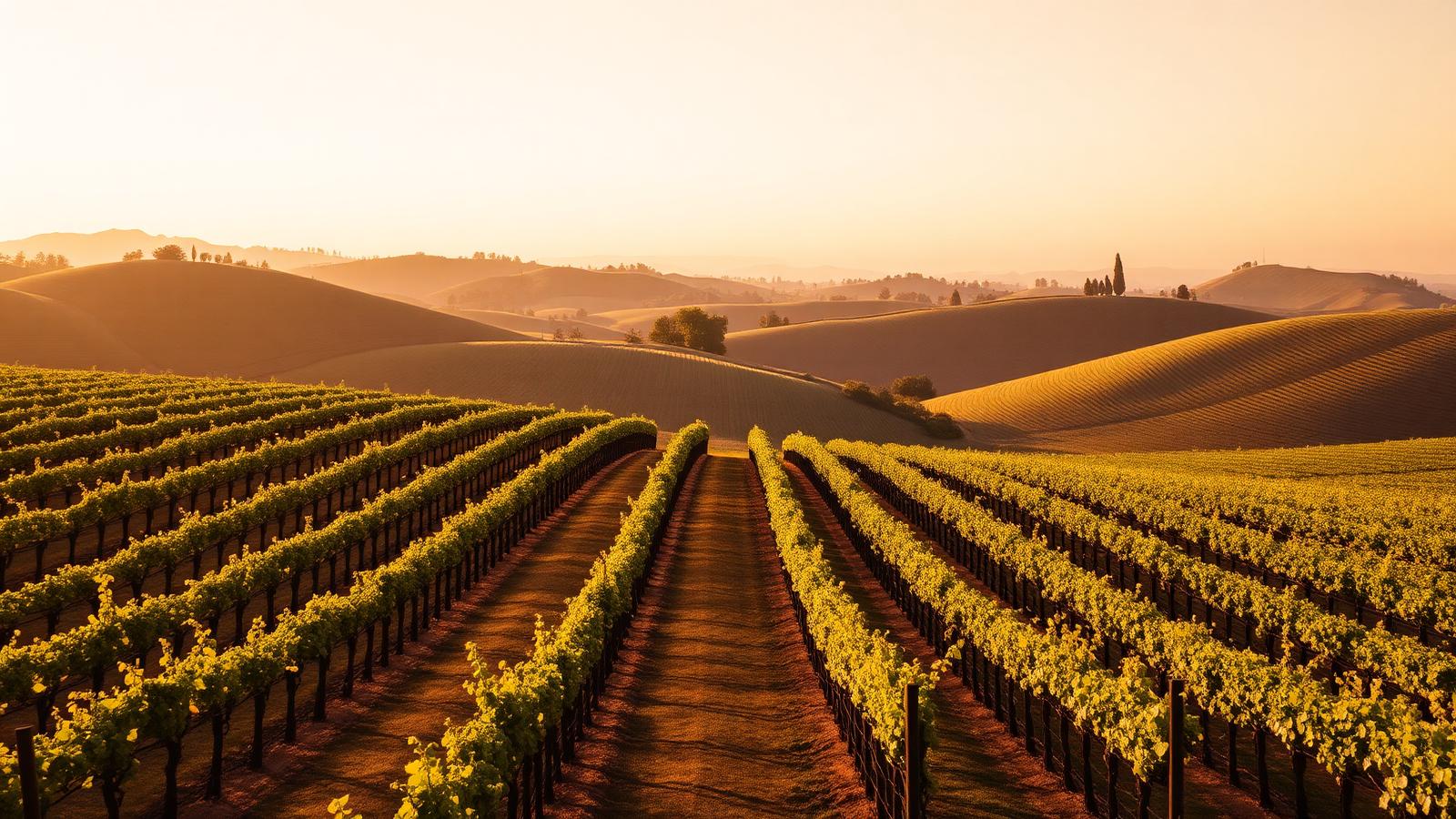
Umbria's unique is defined by its inland position, far from coastal influences, blessed instead by continental warmth and mountainous breezes. The Apennine foothills provide diverse altitudes and exposures, while the soils, often clay and limestone, impart a distinct minerality to the grapes. This varied topography allows for both sun-drenched slopes and cooler, higher elevations, creating microclimates that nurture a spectrum of varietals. The generous rainfall, followed by dry, sunny summers, ensures a consistent, balanced ripening, contributing to wines of structure and depth, reflecting the very essence of this pastoral landscape.
Getting to know Umbria
What Umbria tastes like
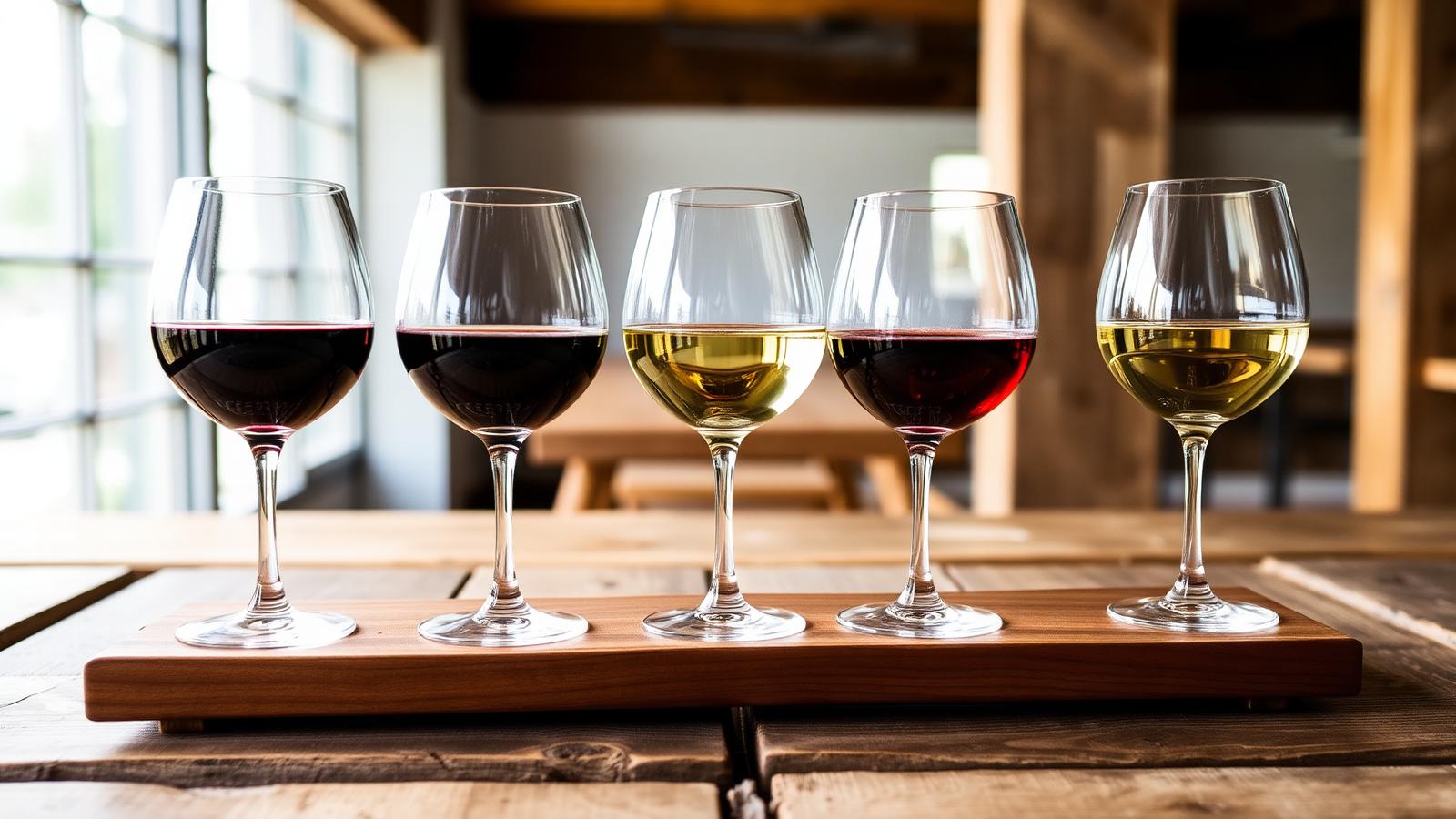
Wines from Umbria tend to reflect the region's climate and terrain more than any single style. Look for a sense of place in the glass — mineral notes from stony soils, freshness where nights are cool, richer texture where the sun lingers longer. A short flight of local wines is the fastest way to feel the range.
Rhythms of the year
Umbria moves with the seasons. Spring is quiet and green, summer brings long light and full terraces, harvest is intense and communal, and winter turns the vineyards into a stark, beautiful sculpture. Every season is a good reason to come — they just make very different trips.
Beyond the tasting room
Some of the most memorable moments in Umbria happen away from the vines: a bakery in the next village over, a viewpoint at sunrise, a slow lunch that turns into a slow afternoon. Leave room in your itinerary for the things you can't plan.
Frequently asked questions
When is the best time of year to visit Umbria for a wine experience?
The ideal time to immerse yourself in Umbria's wine culture is during the spring (April to June) or autumn (September to October). Spring offers pleasant temperatures, blooming landscapes, and fewer crowds, perfect for leisurely explorations. Autumn, particularly September, coincides with the harvest, offering a vibrant atmosphere, cooler weather, and the chance to witness the winemaking process firsthand. August can be quite warm, and many local businesses may close for holidays, so it's often best to avoid the height of summer for a truly immersive experience.
What is the most convenient way to travel around Umbria to visit various wine towns and regions?
Renting a car is highly recommended for exploring Umbria's diverse wine regions. While there are some train connections between larger towns, many of the smaller, charming villages and vineyard estates are nestled in the countryside and are best reached by car at your own pace. This allows for spontaneous stops at local markets, scenic viewpoints, and out-of-the-way trattorias. Ensure you're comfortable with navigating winding country roads. Alternatively, guided tours are available, offering a stress-free way to visit multiple locations and learn from local experts.
Are most wine experiences in Umbria small and intimate, or are there larger, more commercial options available?
Umbria offers a beautiful balance, leaning predominantly towards more intimate and authentic wine experiences. While you can find a few larger, well-established estates, the region is characterized by family-run vineyards and smaller producers who pride themselves on personal hospitality. These often involve direct interaction with the owner or winemaker, offering a deeper insight into their craft and philosophy. This intimate scale is part of Umbria's charm, allowing for a genuine connection with the land and its people, making for truly memorable visits.
What kind of local etiquette should I be aware of when visiting wineries and dining in Umbria?
When visiting wineries, it's always best to make a reservation in advance, especially for tastings or tours, as many are small and family-run. Punctuality is appreciated. In restaurants, a warm 'Buongiorno' (good morning) or 'Buonasera' (good evening) is customary. Italians tend to dress neatly for dinner, though smart casual is generally acceptable. Meals are unhurried social events, so be prepared to linger. A small service charge is often included, and tipping beyond that is at your discretion for exceptional service, usually a few Euros. Enjoy the relaxed pace and warm hospitality!