

Montefalco Wine Guide
The Soul of Sagrantino
The Sagrantino grape, native to these hills, is the undisputed king of Montefalco. Its thick skins and demanding nature are perfectly suited to the region's warm days and cool nights, resulting in wines of intense color, formidable tannins, and a complexity that unveils itself slowly. Traditional methods, often involving patient aging in large oak casks, allow Sagrantino's powerful fruit and earthy essence to meld into a wine that is both robust and velvety. Beyond its renowned dry expression, a sweet Passito version, crafted from air-dried grapes, offers a sumptuous, meditative experience. This is a wine that demands attention, a perfect companion to profound conversations and rich, traditional dishes.
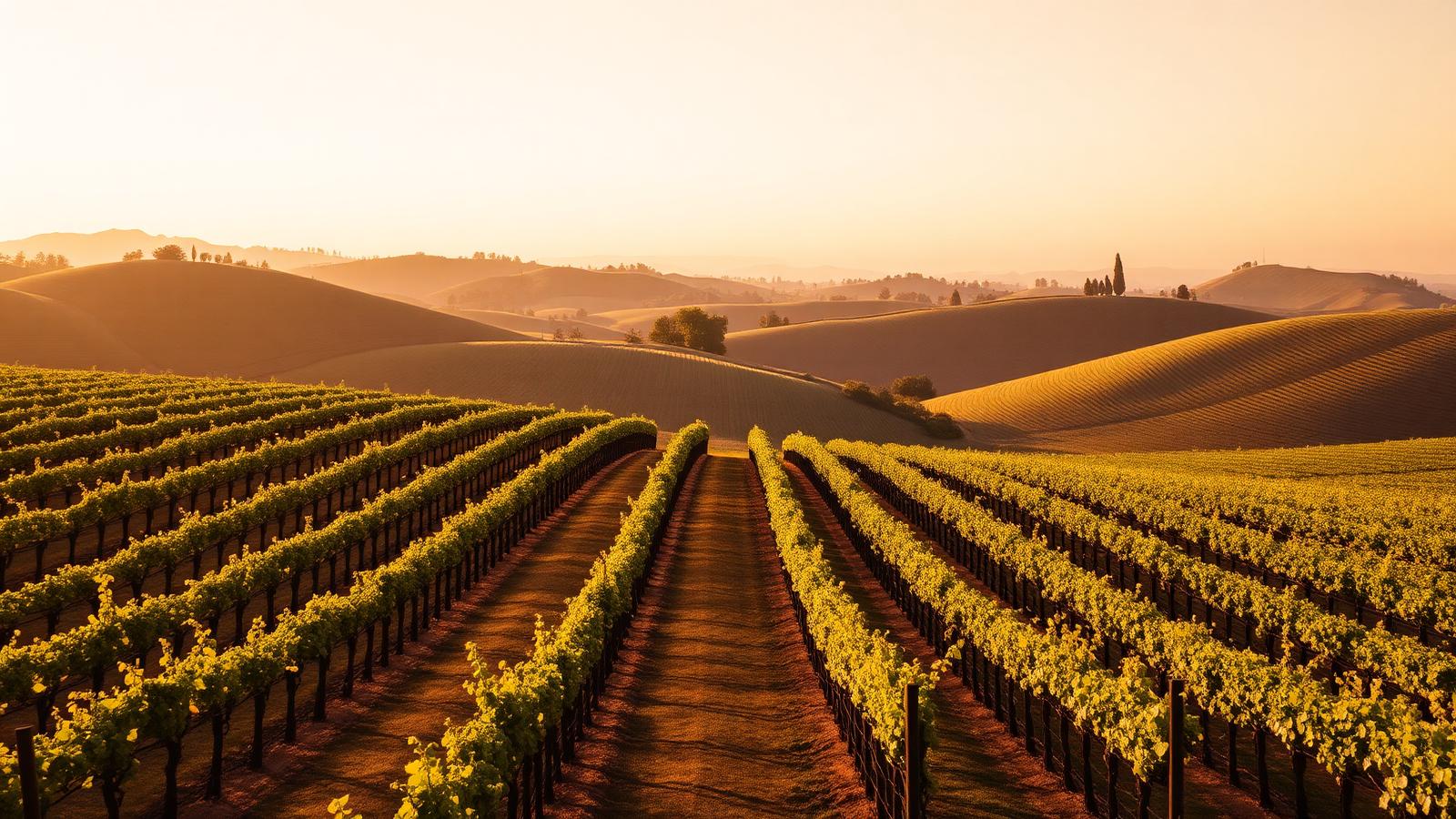
Landscape of Flavors
Montefalco’s landscape is a patchwork quilt of vineyards, ancient olive groves, and golden fields, all framed by distant mountains. This agricultural richness translates directly to the plate. The local cuisine is a hearty celebration of what the land provides: robust wild boar ragù, hand-rolled pasta, and savory cured meats, all generously seasoned with Umbrian olive oil, often pressed from trees that have stood for centuries. Truffles, both black and white, emerge from the forests to lend their intoxicating aroma to many dishes. Each meal is an experience, a slow savoring of authentic, deeply rooted flavors that echo the character of the wines.
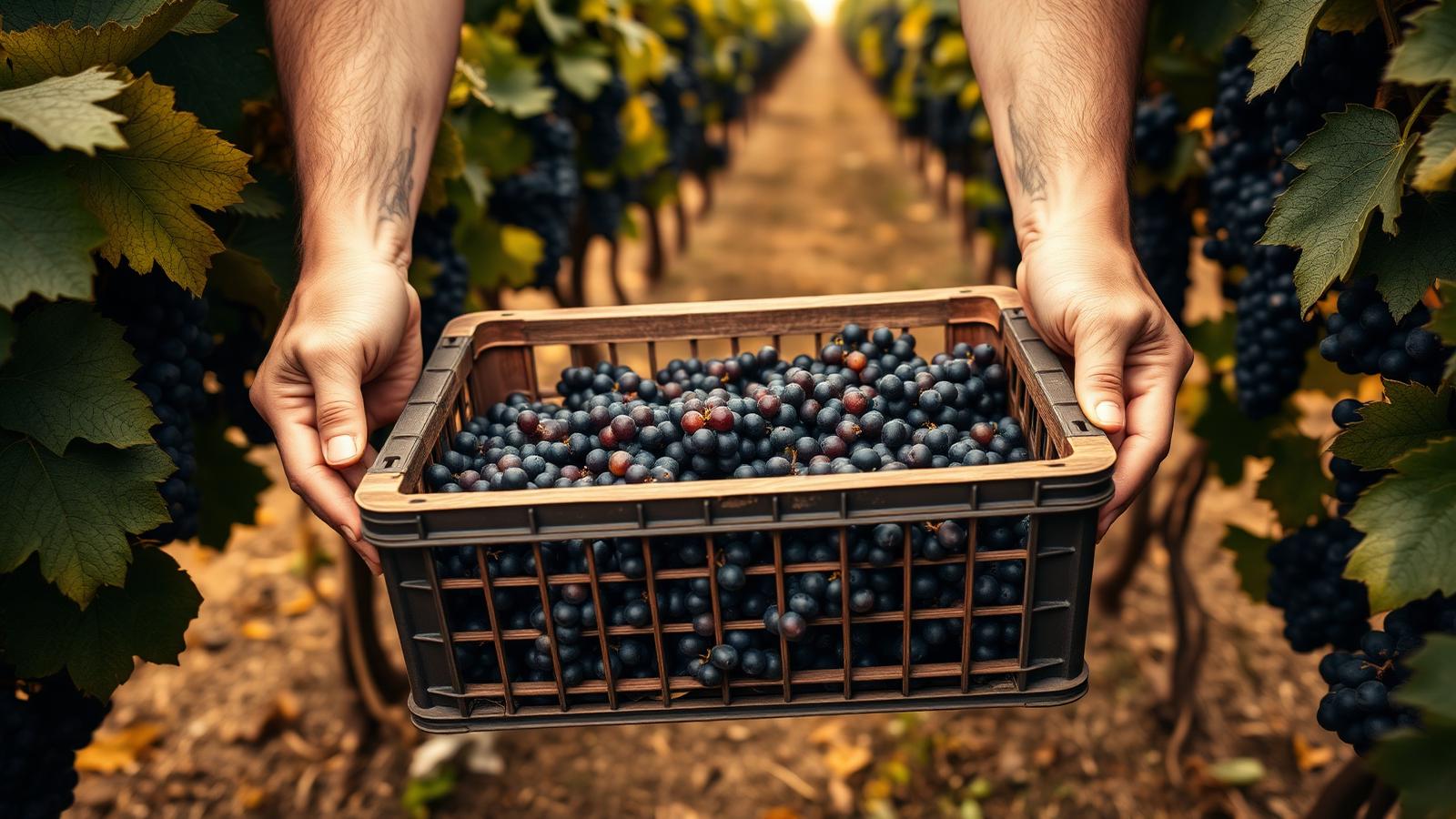
Planning a visit to Montefalco
Best time to visit Montefalco
Late spring and early autumn are the choices — comfortable weather, generous light, and vineyards at their most photogenic. Summer is warmer and livelier, with long evenings and outdoor tables everywhere. Winter is peaceful, cellars are quiet, and there's a real intimacy to visits without the crowds.
Where to base yourself
The main village or town in Montefalco is usually the easiest base — it puts you in walking distance of restaurants and daily life, with vineyards a short drive away. Staying in the countryside is quieter and more romantic, but you'll rely more on a car or a driver. Both are valid; pick the mood you want your trip to have.
Getting to Montefalco
Most travellers reach Montefalco by combining a flight into the nearest major city with a train, bus, or rental car for the last leg. Once you arrive, distances are usually short — many memorable days here involve less driving than you'd expect.
Making the most of a day in Montefalco
A good day in Montefalco tends to have a shape: a slow morning, a couple of unhurried tasting stops, a proper local lunch, and time in the late afternoon to walk, nap, or take in a view. Try not to over-plan — the best moments usually turn up between the ones you scheduled.
Frequently asked questions
What is the best way to explore the Montefalco wine region?
The most rewarding way to experience Montefalco is often by car, allowing you the freedom to explore the scattered hill towns and vineyards at your own pace. Many local producers welcome visitors for tastings, though booking ahead is advisable, especially for smaller, family-run estates. For a more immersive experience, consider hiring a local driver or joining a small-group tour that focuses on the region's specific culinary and wine traditions. Walking or cycling through the gentler vineyard paths around the main town can also offer delightful views and a deeper connection to the landscape.
What forms of transportation are available for getting around Montefalco and nearby villages?
Within the small town of Montefalco itself, everything is easily accessible on foot; the historic center is compact and charming. To reach other villages like Bevagna, Spello, or Assisi, a rental car is highly recommended for flexibility. Public bus services connect some of the larger towns but can be infrequent, especially in rural areas or on weekends. Taxis are available but can be costly for longer distances. For those preferring not to drive, consider utilizing private transfer services or arranging transportation through your accommodation for specific excursions.
When is the ideal time of year to visit Montefalco?
Spring (April-May) and Fall (September-October) are generally considered the most beautiful times to visit Montefalco. In spring, the landscape is lush and green with wildflowers, and temperatures are pleasantly mild. Fall brings the spectacular colors of the changing leaves, the excitement of the grape harvest, and often truffle-hunting season, making it a particularly vibrant time. Summers (June-August) can be warm, but the long, sun-filled days are perfect for enjoying outdoor dining, while winter (November-March) offers a quieter, more introspective journey, often with crisp, clear skies and fewer crowds.
What local specialties or traditional dishes should I look for in Montefalco?
When in Montefalco, you absolutely must try dishes featuring the region’s rich pantry. Seek out 'strangozzi al tartufo,' a hand-rolled pasta with local truffles, or a hearty 'ragù di cinghiale' (wild boar ragout), often served with pappardelle. Legumes like lentils from Castelluccio are celebrated in soups and stews. Don't miss out on 'porchetta,' a savory slow-roasted pork, and local cured meats. Paired, of course, with a glass of Montefalco Sagrantino or Rosso, these dishes perfectly encapsulate the robust and authentic flavors of Umbrian cuisine, often using fresh, seasonal ingredients.