

Bardolino Wine Guide
The Lake’s Embrace
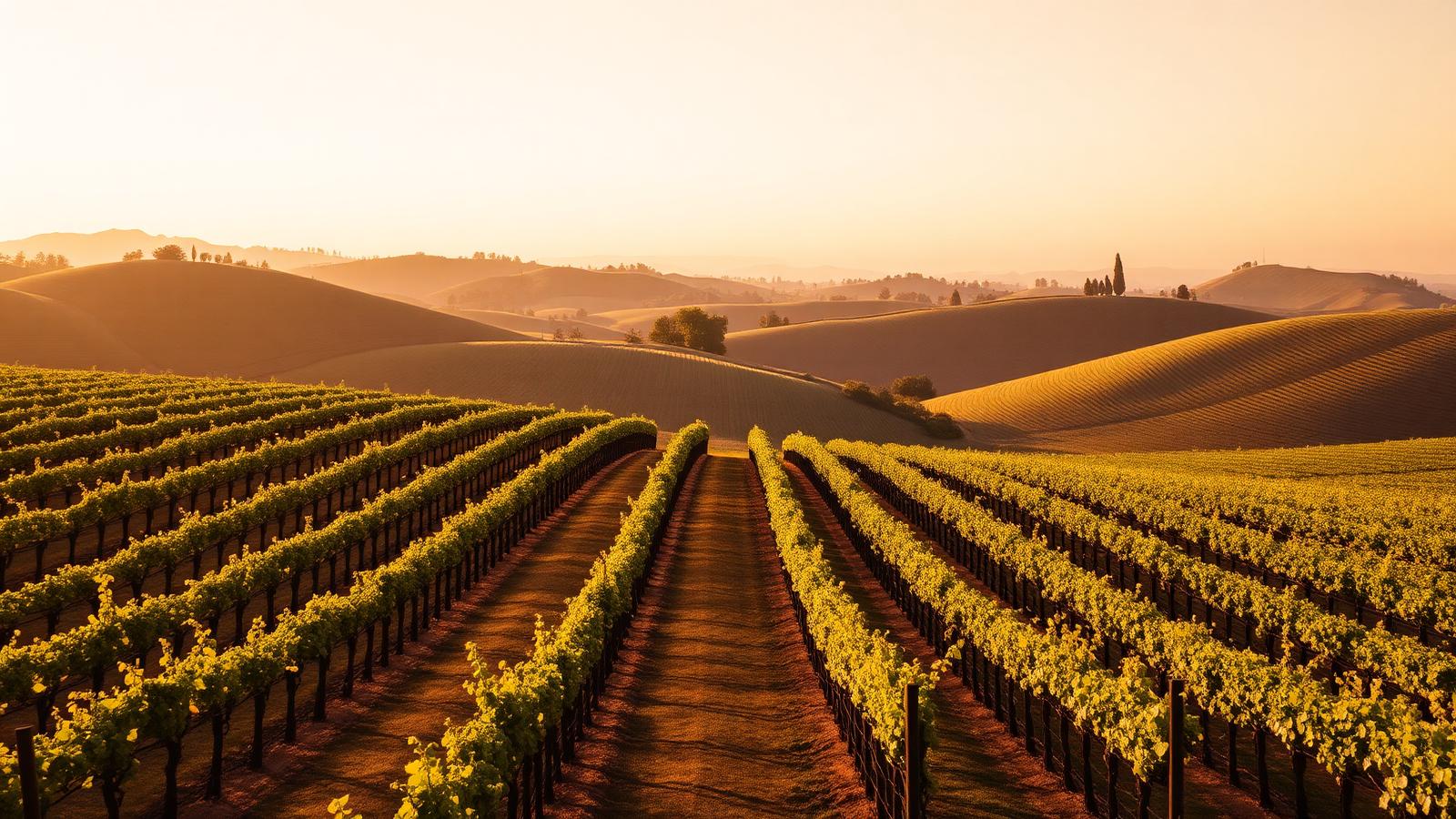
Lake Garda is more than a backdrop; it is the lifeblood of Bardolino. Its vast surface acts as a natural air conditioner, protecting the vines from extreme temperatures. This benevolent influence allows the native , Rondinella, and Molinara grapes to ripen gradually, developing their delicate aromatics and bright acidity. The morainic soils, deposited by ancient glaciers, are rich in minerals, lending a distinct freshness and subtle complexity to the region's signature red and rosé wines. The vineyards here are a testament to this harmonious relationship between land and water, each vine thriving under the lake’s watchful eye.
A Taste of Lakeside Living
Daybreak in Bardolino often begins with the scent of freshly baked bread and the gentle lapping of waves. A slow morning might involve exploring the cobblestone streets of a lakeside village, observing local life unfold. Lunches linger under shaded pergolas, featuring freshly caught lake fish, olive oil from nearby groves, and seasonal vegetables – all perfectly complemented by a chilled glass of the region's hallmark red or a vibrant Bardolino rosé. As the sun dips below the horizon, painting the sky in fiery hues, the day concludes with the quiet clinking of glasses, savoring the simple, profound pleasures of Garda's shores.
Colors of the Harvest
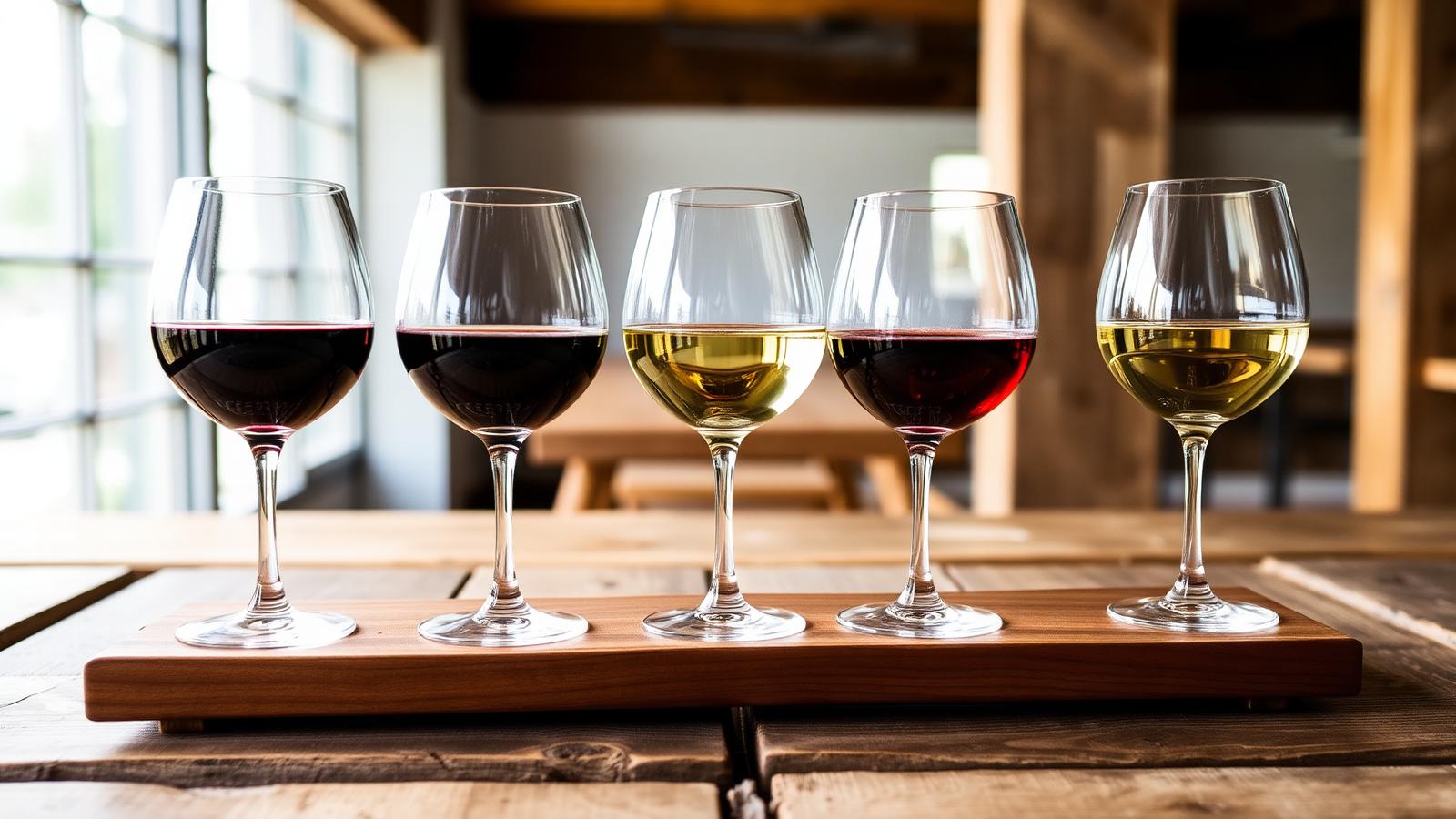
As autumn arrives, the Bardolino vineyards transform into a canvas of gold and crimson, signaling the promise of a new vintage. The harvest unfolds with a quiet reverence, hands carefully tending to the precious bundles of that form the backbone of the red wines, lending them their elegant structure and fruit-forward character. Rondinella contributes floral notes and a touch of spice, while Molinara adds a refreshing zest. The result is a wine that mirrors the region itself: approachable, vivacious, and utterly charming, often enjoyed young, with a delightful blush version that captures the spirit of a summer's day.
Planning a visit to Bardolino
Best time to visit Bardolino
Late spring and early autumn are the choices — comfortable weather, generous light, and vineyards at their most photogenic. Summer is warmer and livelier, with long evenings and outdoor tables everywhere. Winter is peaceful, cellars are quiet, and there's a real intimacy to visits without the crowds.
Where to base yourself
The main village or town in Bardolino is usually the easiest base — it puts you in walking distance of restaurants and daily life, with vineyards a short drive away. Staying in the countryside is quieter and more romantic, but you'll rely more on a car or a driver. Both are valid; pick the mood you want your trip to have.
Getting to Bardolino
Most travellers reach Bardolino by combining a flight into the nearest major city with a train, bus, or rental car for the last leg. Once you arrive, distances are usually short — many memorable days here involve less driving than you'd expect.
Making the most of a day in Bardolino
A good day in Bardolino tends to have a shape: a slow morning, a couple of unhurried tasting stops, a proper local lunch, and time in the late afternoon to walk, nap, or take in a view. Try not to over-plan — the best moments usually turn up between the ones you scheduled.
Frequently asked questions
What is the best way to explore the Bardolino wine region?
Exploring Bardolino is best done at a leisurely pace. Renting a bicycle is a wonderful option, as there are many scenic routes that wind through vineyards and along the lake. Local buses connect many of the charming villages, making it easy to hop between them. For a more intimate experience, consider walking portions of the Wine Road (Strada del Vino Bardolino), allowing you to truly immerse yourself in the landscape and discover hidden vistas. Always keep an eye out for places offering local tastings.
What local dishes should I try with Bardolino wine?
Bardolino wines, particularly the light-bodied reds and refreshing rosés, pair beautifully with the local cuisine. Be sure to try dishes featuring fresh lake fish, like grilled coregone or trout, often simply prepared with olive oil and herbs. Pasta dishes with light tomato sauces or fresh basil also make excellent companions. Don't miss the local olive oil, often served with bread, and consider tasting some of the regional cheeses. The delicate flavors of the food truly complement the wine.
When is the ideal time of year to visit Bardolino for a wine experience?
The spring months (April to June) offer pleasant weather, blossoming vineyards, and fewer crowds, making it ideal for leisurely exploration. Autumn (September to October) is particularly enchanting, as it coincides with the grape harvest, bringing a vibrant atmosphere to the region and beautiful foliage. The weather remains mild, perfect for walks and al fresco dining. Summer can be busy but offers lively lake activities and warm evenings.
Are there opportunities to learn about olive oil production in Bardolino?
Yes, absolutely. Bardolino is not only renowned for its wine but also for its exceptional olive oil, particularly the delicate, fruity Garda DOP olive oil. Many olive groves are intertwined with the vineyards, and some local farms offer tours and tastings, explaining the cultivation and pressing process. It’s a fascinating complement to the wine experience, offering insight into another cherished agricultural tradition of the region and providing a delicious souvenir to take home.