

Veneto Wineries & Wine Tours
Sub-regions
Culinary Complement
Venetian cuisine is a delightful mirror to its wines, emphasizing fresh, local ingredients and traditions passed down through generations. Imagine savoring creamy risottos, often infused with regional treasures like radicchio from Treviso or asparagus from Bassano. The freshwater fish from surrounding lakes and rivers, delicately prepared, pair beautifully with the crisp whites of the region. Richer meat dishes, such as slow-cooked polenta with game or roasted duck, find their perfect companion in the robust reds of Valpolicella. And, of course, no meal is complete without the regional cheeses, from soft, delicate varieties to sharper, aged selections. Each dish is designed to harmonize with the wine, creating an unforgettable sensory experience that celebrates the land's abundant offerings and the convivial spirit of sharing.
Signature Styles and Grapes
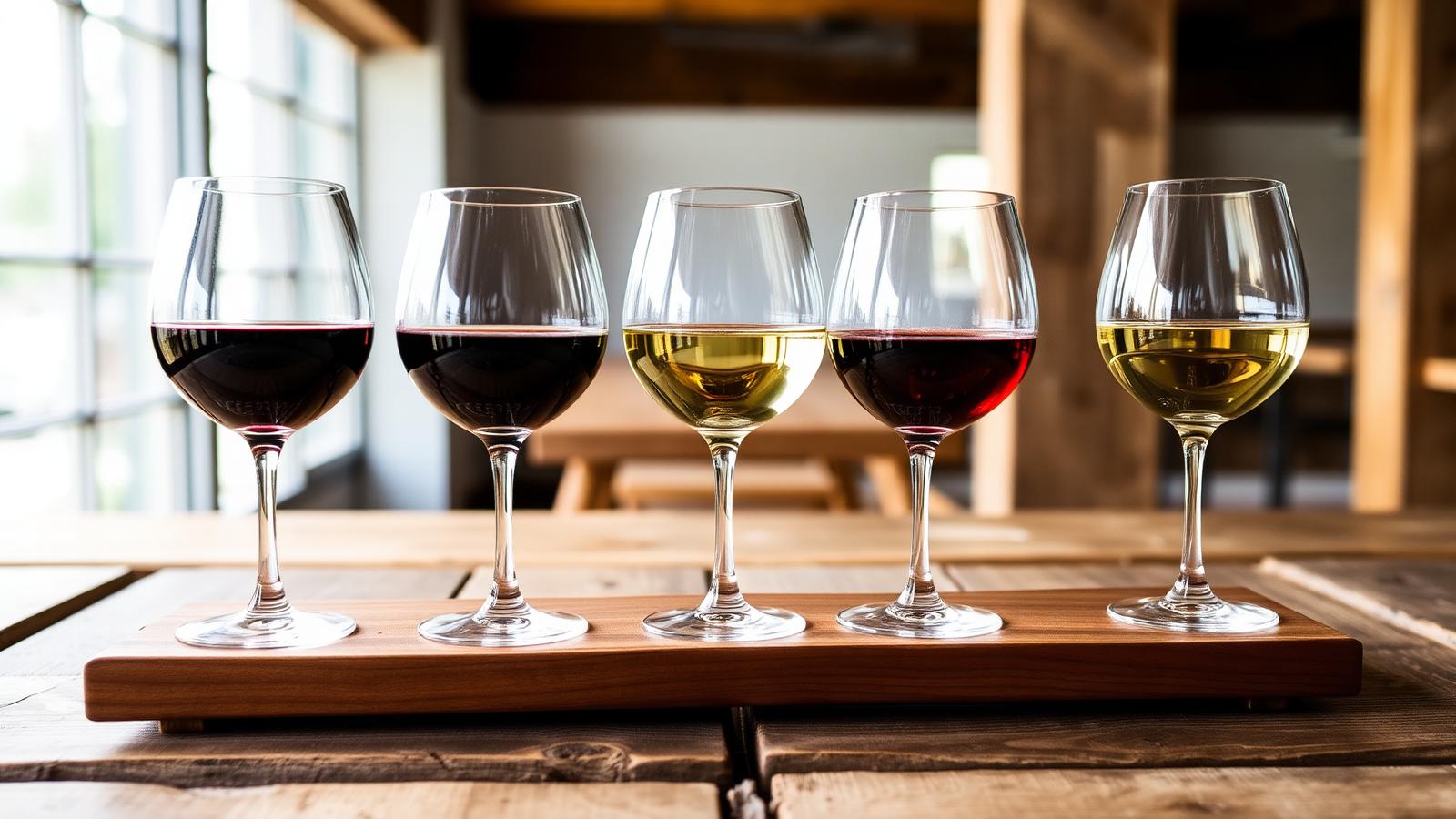
The region is perhaps best known for its iconic contributions to the world of wine, each expressing a different facet of Venetian character. The crisp, effervescent bubbles of Prosecco, crafted primarily from the Glera grape, are a staple of joyful celebrations, reflecting the region's vibrant spirit. Then there is the profound richness of Amarone della Valpolicella, a wine born from the ancient tradition of 'appassimento,' where grapes are dried to concentrate their sugars and flavors before . This meticulous process yields a red wine of remarkable intensity and depth, full-bodied and complex. Not to be overlooked, the elegant white wines of Soave, made from grapes, offer delicate floral aromas and a refreshing minerality, providing a perfect counterpoint to the more robust offerings. These distinct styles showcase the Veneto's versatility and winemaking prowess.
Terroir and Topography
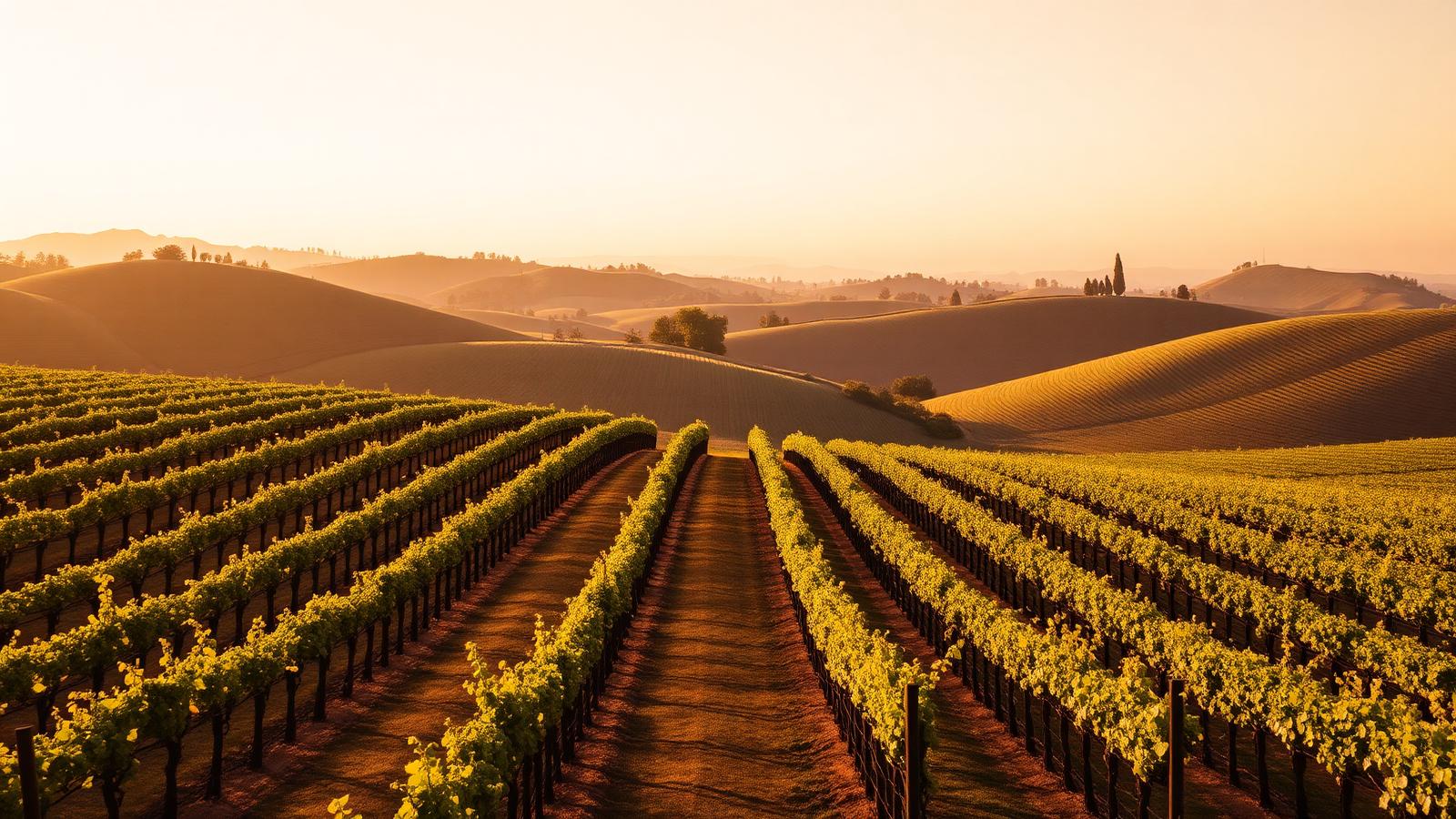
The Veneto's diverse landscape is a winemaker's dream, a symphony of geological contrasts. To the north, the foothills of the Dolomites provide cooler climates and mineral-rich soils, ideal for sparkling wines. Journey westward, and the volcanic origins of the Soave and Gambellara hills nurture grapes that produce elegant, structured whites. Eastward, the plains along the Piave River offer fertile ground for a different palette of varieties. The gentle breezes from Lake Garda temper the climate, creating unique conditions for cultivation, while the Adige and Piave rivers carve out valleys, leaving behind ancient alluvial soils. This intricate mosaic of mountains, hills, plains, and water bodies crafts an extraordinary range of environments, each imparting distinct characteristics to the region's celebrated wines.
Getting to know Veneto
What Veneto tastes like
Wines from Veneto tend to reflect the region's climate and terrain more than any single style. Look for a sense of place in the glass — mineral notes from stony soils, freshness where nights are cool, richer texture where the sun lingers longer. A short flight of local wines is the fastest way to feel the range.
Rhythms of the year
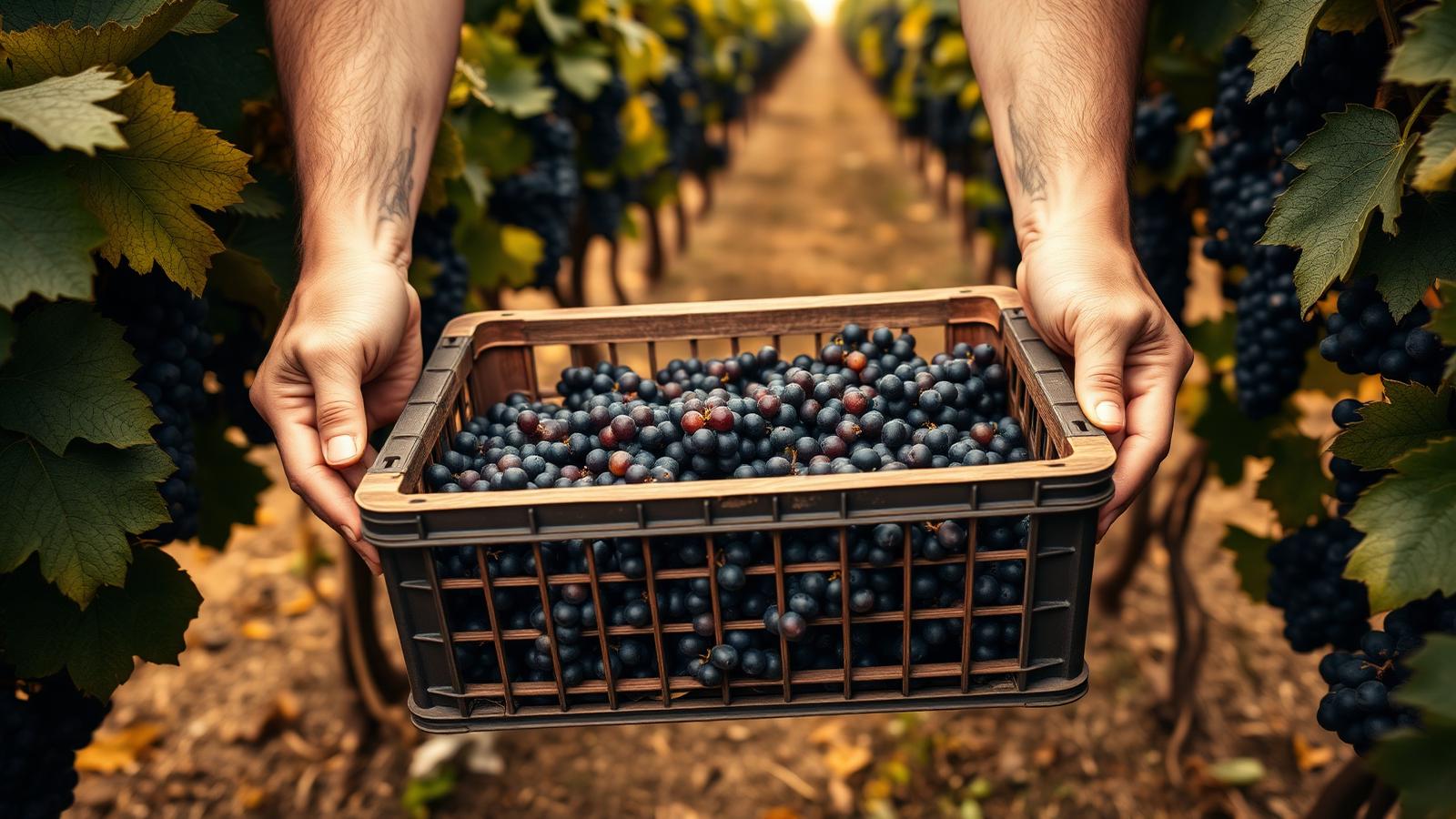
Veneto moves with the seasons. Spring is quiet and green, summer brings long light and full terraces, harvest is intense and communal, and winter turns the vineyards into a stark, beautiful sculpture. Every season is a good reason to come — they just make very different trips.
Beyond the tasting room
Some of the most memorable moments in Veneto happen away from the vines: a bakery in the next village over, a viewpoint at sunrise, a slow lunch that turns into a slow afternoon. Leave room in your itinerary for the things you can't plan.
Frequently asked questions
When is the best time of year to plan a wine tour in Veneto?
The most enchanting times to visit Veneto for wine exploration are late spring (April to June) and early autumn (September to October). In spring, the vineyards burst with vibrant greenery and blossoms, the weather is pleasantly mild, and the countryside is alive with renewal. Early autumn, particularly during September, offers the magic of the harvest season; you'll witness the bustling activity, experience the heady aromas of crushing grapes, and enjoy comfortable temperatures perfect for walking through vineyards and villages. Summer can be quite warm and busy, while winter is quieter but beautiful for a more serene experience, often with opportunities for intimate cellar tastings.
What kind of transportation should I arrange for visiting wineries in Veneto?
For an immersive wine experience in Veneto, renting a car offers the most flexibility, allowing you to explore charming villages and reach vineyards nestled in the hills at your own pace. Ensure you have an international driving permit if needed. Alternatively, consider hiring a private driver for a day or two; this allows everyone in your group to fully enjoy the tastings without worrying about driving. Local train services connect major towns, but for reaching specific wine estates outside of urban centers, a car or pre-arranged transport is often essential. Many regional tourism offices can also assist with organizing guided tours that include transportation.
Beyond wine tasting, what other activities are recommended in the Veneto wine regions?
Beyond the cellar doors, the Veneto wine regions offer a wealth of experiences. Explore the picturesque walled cities such as Soave or Conegliano, with their medieval architecture and charming streets. Hike or cycle through undulating vineyard landscapes, pausing for a picnic amidst the vines. Visit local cheese producers or olive oil mills for a taste of regional specialties. Lake Garda, on the western edge of the region, provides opportunities for boating and lakeside strolls. Many areas also host seasonal festivals celebrating local produce and traditions, offering a wonderful insight into Venetian culture. Don't forget to simply relax at a local trattoria, savoring the authentic regional cuisine.
What is the typical etiquette for visiting wineries in Veneto?
When visiting wineries in Veneto, it's generally best to book appointments in advance, especially for smaller, family-run estates. This ensures a more personalized experience and guarantees someone will be available to host you. Dress comfortably but respectfully; while a suit isn't necessary, a smart casual outfit is appropriate. Be punctual for your reserved time. During tastings, it's perfectly acceptable to use the spittoon provided; this allows you to taste many wines without excessive consumption. Show genuine interest in the wines and the winemaking process, and always be polite and appreciative of your hosts' hospitality and expertise. Purchasing a bottle or two is a thoughtful gesture to show your gratitude.