

Colli Berici Wine Guide
A Culinary Embrace
The culinary traditions of the Colli Berici are an extension of its land-rich bounty. Here, meals are meant to be savored, echoing the unhurried pace of life. Expect comforting risottos, often with local peas or wild asparagus, and hearty pasta dishes adorned with rich ragù crafted from regional meats. The celebrated PDO olive oil, pressed from ancient groves, anoints fresh vegetables and savory mains alike. These honest, flavorful dishes find their perfect companion in the region's wines, creating an experience where food and wine intertwine harmoniously, a true celebration of the senses.
Grapes of Character
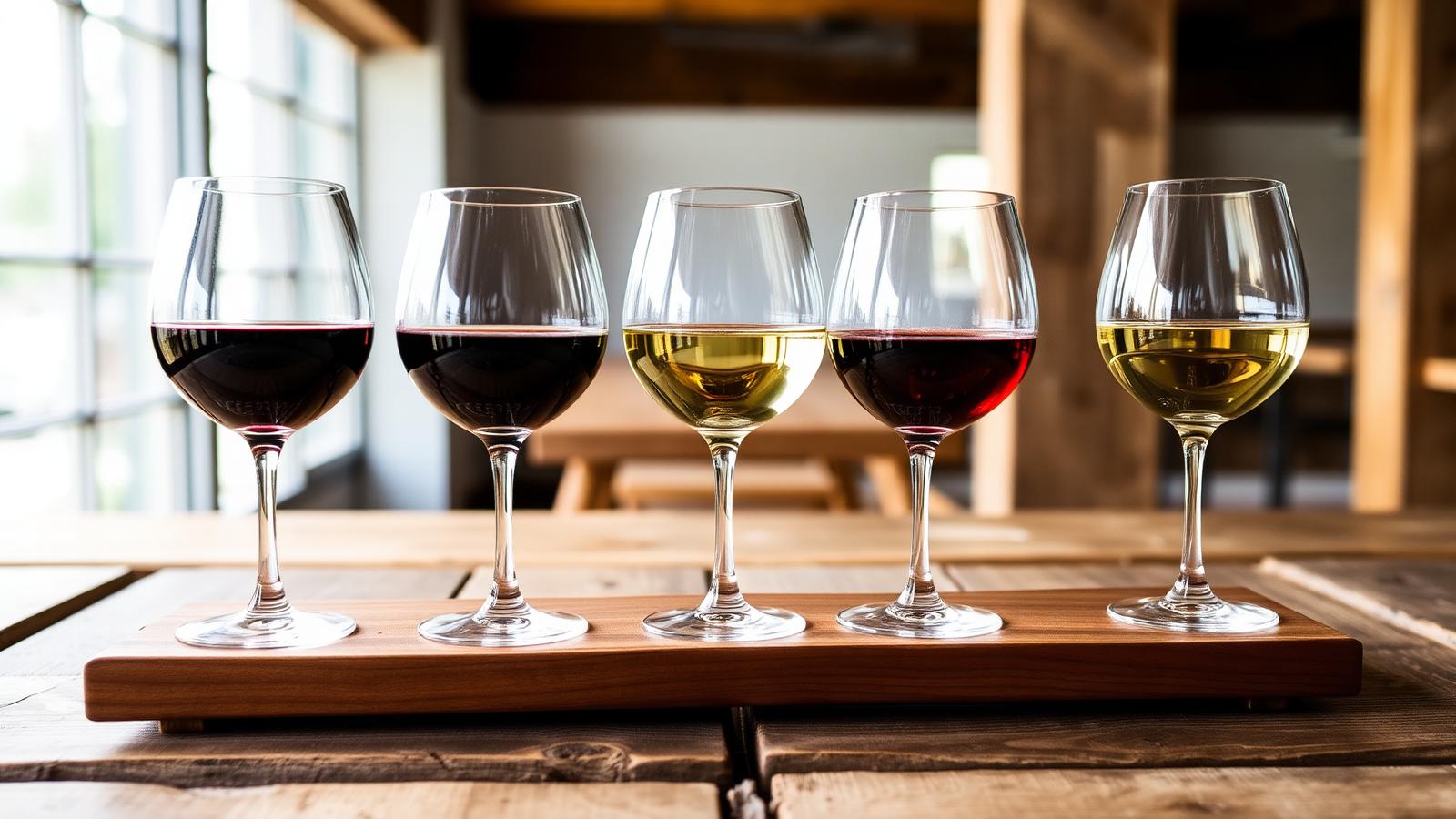
While international varieties like and find a remarkable home here, expressing a softer, more elegant profile, it is the native Tai Rosso that truly embodies the spirit of Colli Berici. This grape yields a ruby-hued wine, fragrant with red berries, wildflowers, and a hint of white pepper, offering a delightful freshness and velvety tannins. Alongside, contributes to crisp, aromatic whites, sometimes with a touch of the same delightful minerality. These wines are crafted to reflect the region’s balanced approach – not overly bold, but full of subtle complexity and enduring charm.
The Soul of the Soil
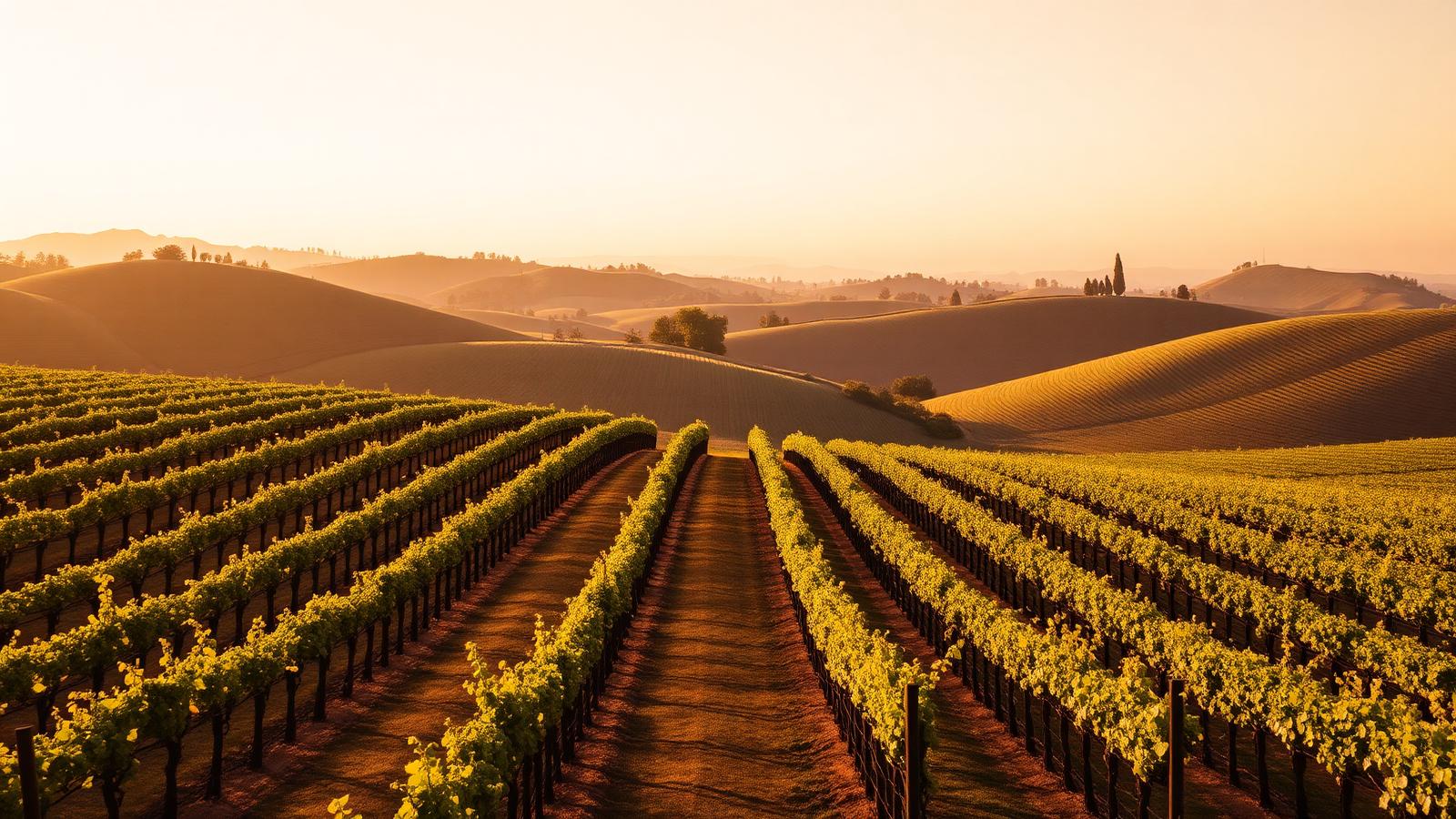
The geological tapestry beneath the Colli Berici is a profound storyteller. Volcanic eruptions, alongside ancient marine fossils, have created a distinctive soil composition rich in limestone, marl, and basalt. This unique blend imparts a minerality and a subtle saline note to the wines, particularly the indigenous Tai Rosso. The terraced vineyards, sculpted by generations of hands, optimize sun exposure, ensuring a slow, even ripening. This interplay of climate and canvas orchestrates a graceful balance, yielding wines that speak directly of their origin. It is a testament to how deeply the earth influences the character within the glass.
Planning a visit to Colli Berici
Best time to visit Colli Berici
Late spring and early autumn are the choices — comfortable weather, generous light, and vineyards at their most photogenic. Summer is warmer and livelier, with long evenings and outdoor tables everywhere. Winter is peaceful, cellars are quiet, and there's a real intimacy to visits without the crowds.
Where to base yourself
The main village or town in Colli Berici is usually the easiest base — it puts you in walking distance of restaurants and daily life, with vineyards a short drive away. Staying in the countryside is quieter and more romantic, but you'll rely more on a car or a driver. Both are valid; pick the mood you want your trip to have.
Getting to Colli Berici
Most travellers reach Colli Berici by combining a flight into the nearest major city with a train, bus, or rental car for the last leg. Once you arrive, distances are usually short — many memorable days here involve less driving than you'd expect.
Making the most of a day in Colli Berici
A good day in Colli Berici tends to have a shape: a slow morning, a couple of unhurried tasting stops, a proper local lunch, and time in the late afternoon to walk, nap, or take in a view. Try not to over-plan — the best moments usually turn up between the ones you scheduled.
Frequently asked questions
What is the best time of year to visit Colli Berici to experience its wine culture?
The ideal time to visit Colli Berici for a comprehensive wine experience is during the late spring (May-June) or early autumn (September-October). In spring, the vineyards are vibrant with new growth, and the weather is pleasantly mild for exploring. Autumn, especially September, offers the excitement of harvest season, with activity in the vineyards and cellars, and the opportunity to taste young wines. The summer months are also lovely, though it can be warmer, and winter offers quiet contemplation of the dormant vines, often with a unique, misty beauty.
Are tastings and tours widely available for visitors in Colli Berici, and how should I arrange them?
While the Colli Berici is less commercialized than some other Italian wine regions, many family-run estates warmly welcome visitors for tastings and cellar tours. It is highly recommended to arrange these experiences in advance, as many producers operate on an appointment-only basis. You can often find contact information for these places through local tourism boards or specialized wine guides online. Speaking a little Italian or having a translation app can also enhance your visit, though English is often spoken at larger or more established locations.
What is the best way to get around Colli Berici to explore the wine-producing areas and villages?
The most flexible and recommended way to explore the Colli Berici is by car. This allows you to meander through the scenic routes at your own pace, stopping at charming villages, panoramic viewpoints, and various estates as you wish. Roads are generally well-maintained, and parking is usually available. For those who prefer not to drive, hiring a local driver or joining a small-group guided tour from a nearby city like Vicenza are excellent alternatives, ensuring you can fully enjoy the region's offerings without concern for navigation.
Beyond wine, what other local products or crafts should I look out for in Colli Berici?
The Colli Berici abounds with delightful local products that reflect its rich agricultural heritage. Look for the renowned PDO (Protected Designation of Origin) extra virgin olive oil, pressed from the region's ancient olive groves, which makes an excellent souvenir. You'll also find artisanal cheeses from local dairies, often accompanied by local honey or fruit preserves. Seasonal specialties might include 'Bisi de Lumignan' (peas) in spring or wild mushrooms in autumn. Handcrafted ceramics and traditional textiles can also be found in some of the smaller villages, offering a tangible memory of your visit.