

Valpolicella Wine Guide
Art of Appassimento
The signature of Valpolicella's most celebrated wines lies in the ancient art of *appassimento*. As autumn turns to winter, carefully selected bunches of , Corvinone, and Rondinella grapes are gently laid out on bamboo racks or straw mats in airy *fruttai*, drying lofts where cool, dry air circulates. Over several months, the grapes slowly shrivel, concentrating their sugars, acids, and phenolic compounds. This patient, natural dehydration process is crucial, transforming fresh fruit into the rich, complex essence that forms the heart of Amarone and , imbuing them with their distinctive structure, velvety texture, and profound aromatic depth.
The Soul of the Soil
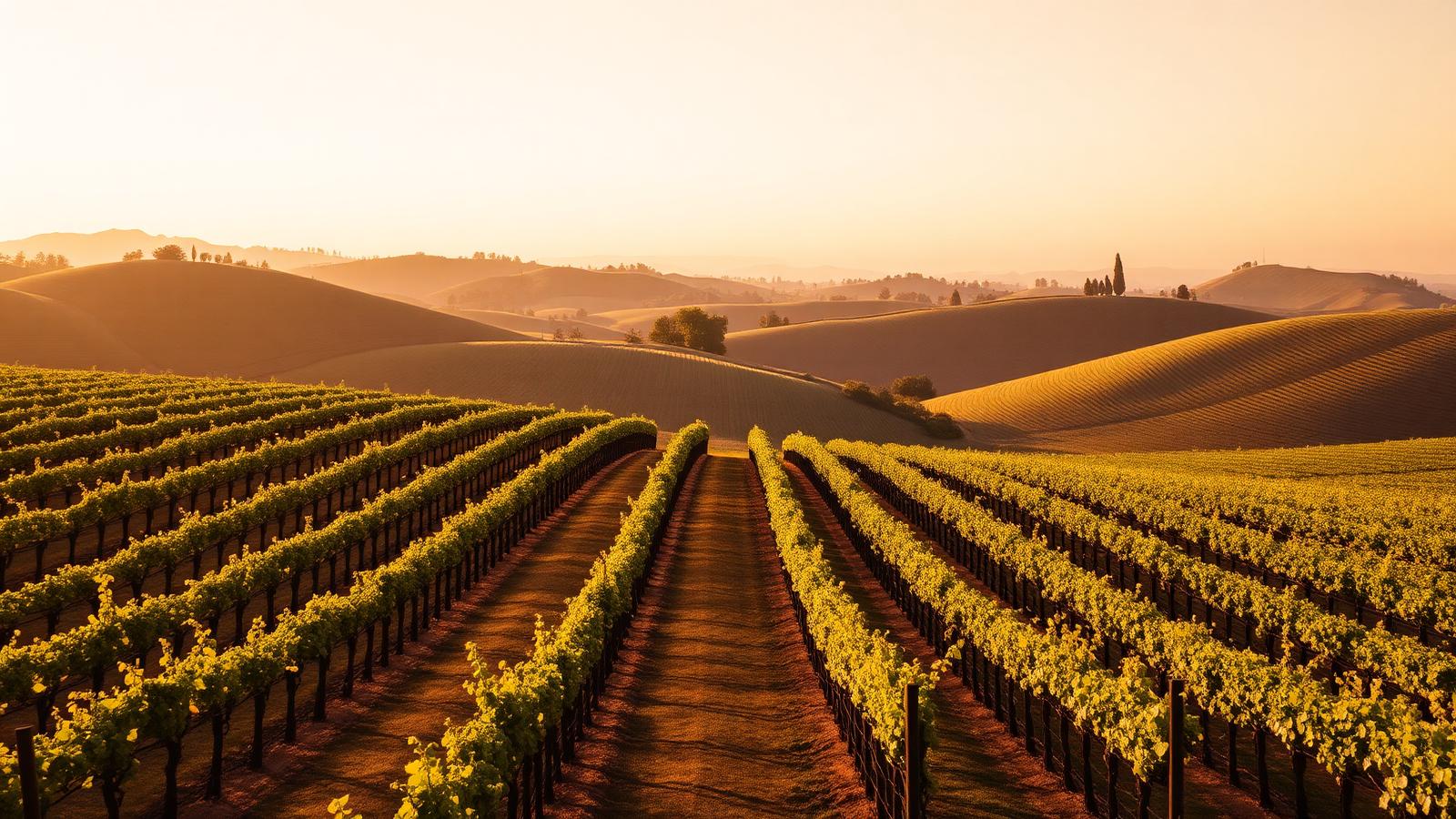
Valpolicella's character is deeply rooted in its variegated soils, a mosaic of calcareous, volcanic, and morainic deposits shaped by ancient glaciers and geological shifts. These diverse terrains, combined with the region's unique microclimates—sheltered valleys, sun-drenched hillsides, and breezes from Lake Garda—impart distinct nuances to the indigenous grape varieties. The undulating landscape, dotted with cypress trees and dry-stone walls, creates natural amphitheatres that protect vines and coax optimal ripeness, fostering the rich aromatic complexity found in the wines. This intimate connection between earth, climate, and vine is the fundamental ingredient in Valpolicella's revered winemaking tradition.
Planning a visit to Valpolicella
Best time to visit Valpolicella
Late spring and early autumn are the choices — comfortable weather, generous light, and vineyards at their most photogenic. Summer is warmer and livelier, with long evenings and outdoor tables everywhere. Winter is peaceful, cellars are quiet, and there's a real intimacy to visits without the crowds.
Where to base yourself
The main village or town in Valpolicella is usually the easiest base — it puts you in walking distance of restaurants and daily life, with vineyards a short drive away. Staying in the countryside is quieter and more romantic, but you'll rely more on a car or a driver. Both are valid; pick the mood you want your trip to have.
Getting to Valpolicella
Most travellers reach Valpolicella by combining a flight into the nearest major city with a train, bus, or rental car for the last leg. Once you arrive, distances are usually short — many memorable days here involve less driving than you'd expect.
Making the most of a day in Valpolicella
A good day in Valpolicella tends to have a shape: a slow morning, a couple of unhurried tasting stops, a proper local lunch, and time in the late afternoon to walk, nap, or take in a view. Try not to over-plan — the best moments usually turn up between the ones you scheduled.
Frequently asked questions
What is the best way to explore the Valpolicella wine region?
The most enchanting way to discover Valpolicella is by car, allowing you the freedom to wander through the winding country roads connecting the various valleys and villages. Many visitors also enjoy cycling through the gentler routes, stopping at local trattorias for lunch or pausing for scenic views. Consider focusing on one or two distinct valleys like Marano or Fumane for a deeper experience, rather than rushing through the entire region. Allow ample time for leisurely visits and spontaneous discoveries; the region thrives on an unhurried pace. Hiring a local guide can also enhance your understanding of the area's intricate history and winemaking traditions.
When is the best time of year to visit Valpolicella for a wine experience?
Spring (April-May) and early autumn (September-October) offer ideal conditions for visiting Valpolicella. In spring, the vineyards burst into vibrant green, and the weather is pleasantly mild, perfect for outdoor activities. Early autumn brings the excitement of the harvest, and the *appassimento* process is beginning, offering a unique insight into the region's winemaking. The air is crisp, and the landscape is adorned with beautiful fall colors. Summer can be warm, but the long, sun-drenched days are perfect for enjoying outdoor terraces, while winter offers a quieter, more intimate experience, especially around the holidays.
Are there any local customs or etiquette I should be aware of when visiting wineries?
When visiting local establishments, a warm 'Buongiorno' or 'Buonasera' goes a long way. It's customary to make an appointment in advance for tastings, especially at smaller, family-run establishments, as this ensures a more personalized and intimate experience. Dress comfortably but respectfully; while a suit isn't necessary, very casual attire might feel out of place. When tasting, it's polite to appreciate the wine and engage with your hosts. Tipping is appreciated but not mandatory. Remember, Italian lunch hours are generally between 12:30 PM and 2:30 PM, and many places close in the late afternoon for a few hours.
What local foods should I try while in Valpolicella?
Beyond the Amarone-infused risotto, you must sample the locally produced olive oil, often served simply with fresh bread before a meal. Seek out regional cheeses like Monte Veronese, which pairs wonderfully with Valpolicella . Hearty pasta dishes such as *bigoli* with duck ragù or *pappardelle* with wild boar reflect the rich culinary tradition. For a sweet treat, look for *torta russa*, a local Verona pastry, or enjoy *sbrisolona*, a crumbly almond cake, often served with a glass of . Don't forget the locally grown cherries during their season, both fresh and in preserves.