

Wineries & Wine Tours in Japan
Regions
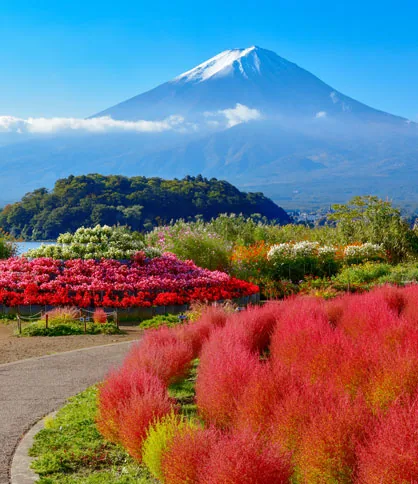
Japan, an archipelago steeped in ancient traditions and bathed in the hushed reverence of nature, offers a wine journey unlike any other. Here, each vine is tended with meticulous care, mirroring the precision found in every facet of Japanese artistry, from the delicate folds of origami to the intricate balance of a kaiseki meal. Imagine silent, dew-kissed mornings giving way to mountain mists that cloak the vineyards, imbuing the grapes with a singular purity.
The wine routes of Japan unfold through landscapes of breathtaking contrast: volcanic peaks stand sentinel over terraced fields, while coastal breezes carry whispers of the Pacific. It's a land where the four seasons paint dramatic tableaux, each bringing its own signature to the ripening fruit. The crisp air of autumn, the profound quiet of winter, the vibrant bloom of spring, and the lush warmth of summer – all conspire to shape wines that are expressive, subtle, and deeply rooted in their .
To discover Japanese wine is to engage in a profound cultural immersion. It's about slow sips enjoyed after a long soak in an onsen, a glass paired thoughtfully with local cuisine, or a quiet moment admiring the grace of a traditional garden. This journey invites you to savor not just the wine, but the tranquil elegance and profound connection to the land that define Japan. It is an exploration that nourishes the senses and calms the spirit, leaving an indelible impression long after the last drop is savored.
Mountainous Terrains and Coastal Influences
The sprawling volcanic spine of Japan creates an extraordinary tapestry of microclimates, each contributing to the diverse expressions of its wines. Vines cling to the steep, sun-drenched slopes of valleys, drawing minerality from ancient soils. Further north, the crisp, continental air and dramatic temperature shifts yield grapes with vibrant acidity and delicate aromatics. Closer to the coast, the rhythm of the tides and tempering oceanic breezes sculpt fruit with a unique salinity and freshness. These geographical nuances are meticulously understood by growers, who cultivate grapes that speak authentically of their specific mountain or sea-kissed origin, resulting in wines of distinct character and elegance.
What makes a trip here special
A landscape shaped by the vine
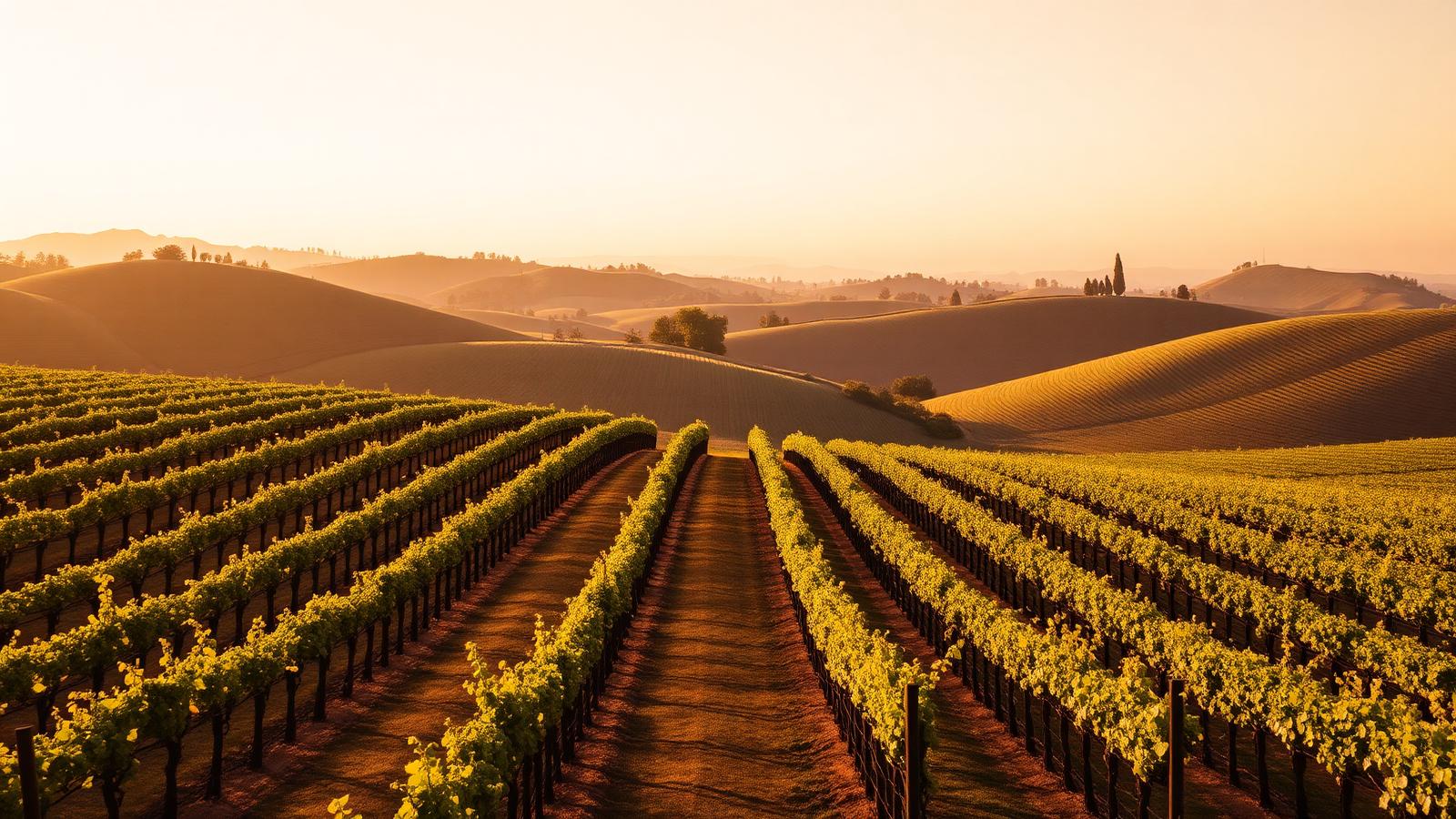
Vineyards in Japan follow the geography — rivers, ridgelines, coastlines, and altitude all leave their fingerprints on the wine. Driving between regions is often as memorable as the tastings themselves.
Food that grew up next to the wine
The best pairings for Japan's wines are almost always the dishes that grew up alongside them. Local markets, family-run restaurants, and roadside stops turn a wine trip into a full sensory tour of the country.
A calendar worth planning around
Harvest, pruning, spring flowering, and long lazy summers each give Japan's wine regions a completely different mood. Choosing when you visit is almost as important as choosing where.
Frequently asked questions
What is the best time of year to visit Japan for a wine-focused trip?
The ideal time to explore Japan's wine regions is during the late spring (May to early June) or early autumn (late September to October). Spring offers beautiful cherry blossom scenery and pleasant temperatures for vineyard walks, with the promise of future harvests. Autumn provides the exciting atmosphere of the grape harvest season, especially in regions like Yamanashi, and breathtaking fall foliage. Summers can be hot and humid, while winters, though beautiful in snowy regions, might limit vineyard access, making spring and autumn prime choices for a comfortable and immersive wine experience.
Are most Japanese wineries open for drop-in tastings, or should I book in advance?
While some larger or more established wineries might accommodate drop-in visitors, it is highly recommended to book tastings and tours in advance, especially for smaller, family-run establishments. Many smaller wineries operate with limited staff and appreciate prior notification. Speaking to a local expert or your accommodation can help arrange these visits. Booking ahead also ensures you can fully experience the hospitality and unique offerings of each place, often including cellar tours and detailed explanations of their winemaking philosophy, which sometimes require translation assistance.
What are the primary wine regions to focus on for a first-time visitor to Japan?
For a comprehensive introduction to Japanese wine, Yamanashi Prefecture is essential. Often called the birthplace of Japanese wine, it's home to a high concentration of wineries and the indigenous Koshu grape, with Mount Fuji as a stunning backdrop. Hokkaido, in the north, is another excellent choice, renowned for its cool-climate wines, particularly aromatic whites like and crisp . Nagano Prefecture, nestled in the Japanese Alps, also offers impressive cool-climate varietals and beautiful mountainous vineyard scenery, providing a well-rounded initial exploration of Japan's diverse wine landscape.
Do Japanese wineries typically offer food pairings or dining experiences?
Yes, many Japanese wineries, particularly those in the more established regions, understand the deep connection between wine and local cuisine. You will often find tasting rooms that offer thoughtful food pairings, ranging from small local snacks to more elaborate lunch or dinner options. These experiences are carefully curated to showcase how their wines complement traditional Japanese flavors, providing a holistic sensory journey. It's always advisable to inquire about dining options when booking your tasting, as these experiences often require advance reservations to ensure the freshest local ingredients are prepared for your visit.