

Yamanashi Wineries & Wine Tours
Sub-regions
The Soul of Koshu
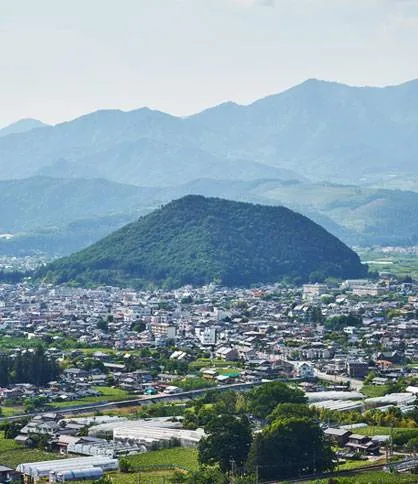
Yamanashi is synonymous with Koshu, a truly indigenous Japanese grape that has been cultivated here for centuries. Its wines are a testament to the region's subtle elegance, often presenting with delicate citrus notes, a hint of white flower, and a distinctive minerality. Picture a wine that whispers rather than shouts, perfectly attuned to the delicate flavors of Japanese cuisine. Modern winemaking has further refined Koshu, with some expressions seeing oak aging or lees stirring, adding texture and complexity while respecting its inherent freshness and purity. It's a grape that continually surprises and delights, inviting thoughtful contemplation with every sip.
Volcanic Terroir & Climate
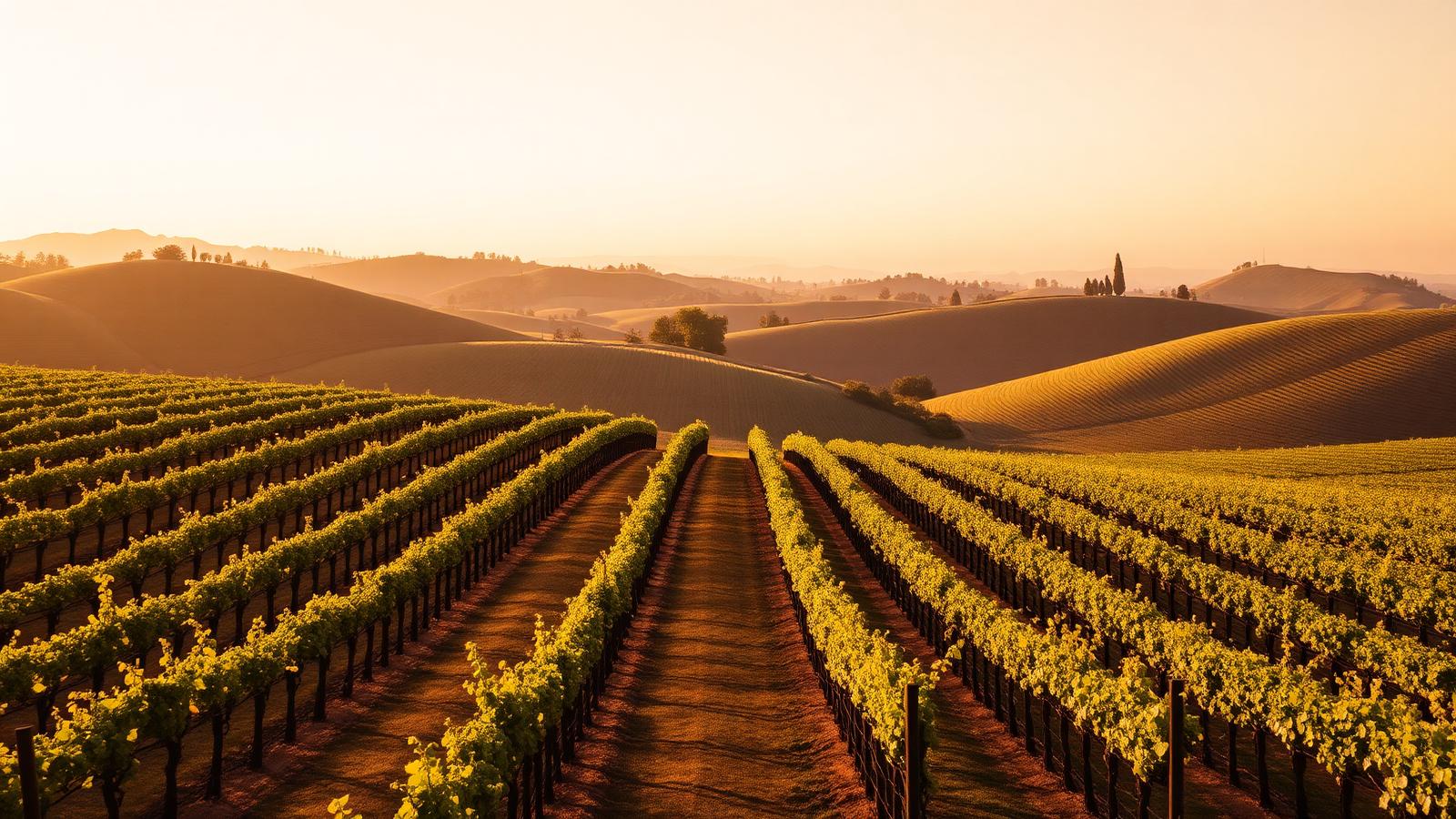
The very ground beneath Yamanashi’s vineyards tells a tale of ancient volcanic activity and alluvial deposits. This unique soil composition contributes to the wines’ striking mineral character and backbone. High mountain ranges protect the valley from harsh weather, while the altitude and significant diurnal temperature shifts — warm sunny days followed by cool nights — allow grapes to achieve optimal ripeness while retaining crucial acidity. This delicate balance of climate and earth sculpts grapes of exceptional quality, forming the foundation for wines that are both vibrant and deeply expressive of their origins, year after year.
Cuisine & Culture
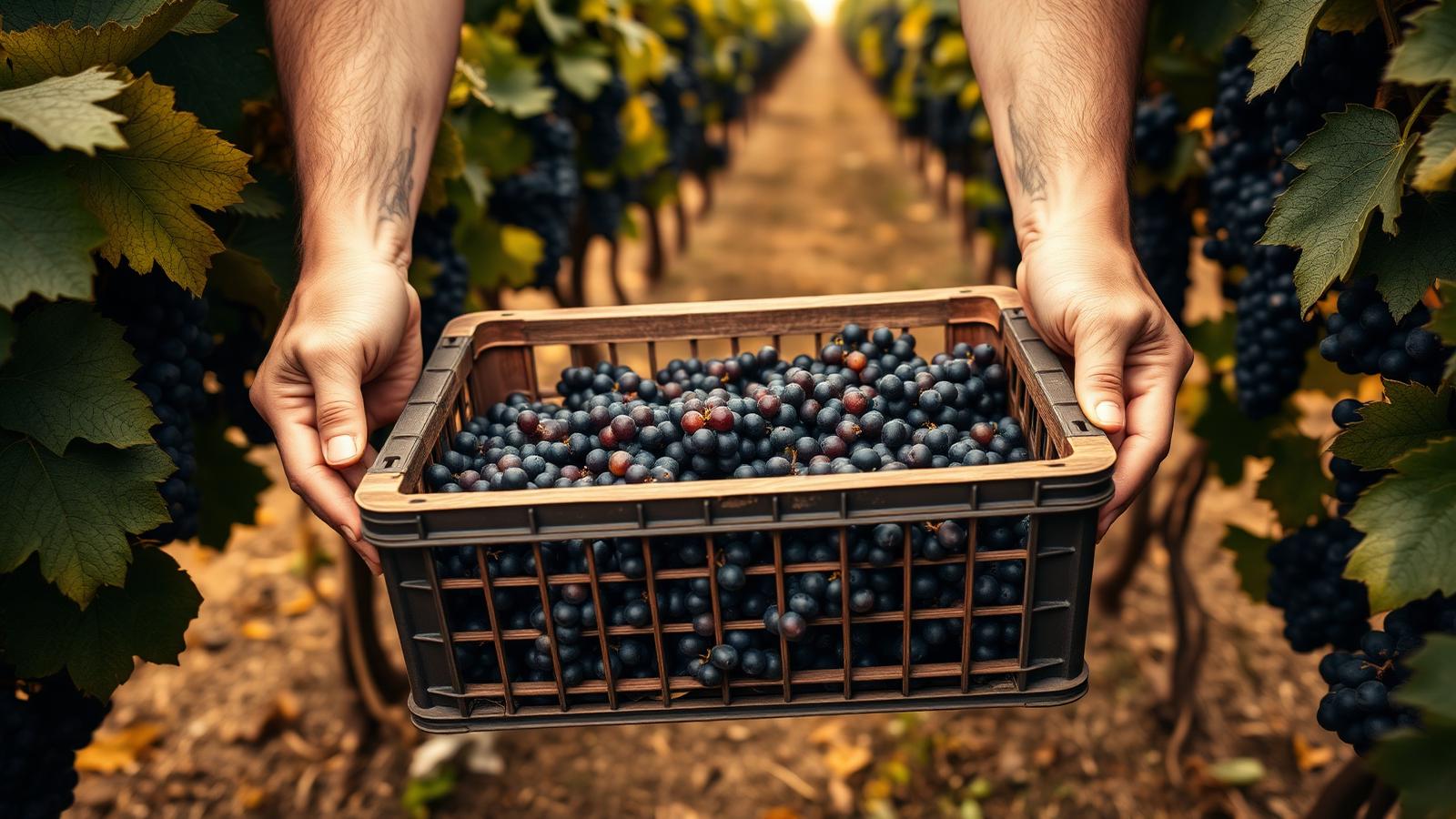
The culinary landscape of Yamanashi is a harmonious counterpoint to its wines. Beyond the delicate sushi and sashimi that pair so beautifully with Koshu, the region boasts hearty mountain dishes, fresh vegetables, and famous local fruits like peaches and grapes enjoyed fresh. Imagine a leisurely meal featuring Hoto noodles, a rustic miso-based stew, alongside a glass of local red wine, perhaps from the Bailey A grape, cultivated to thrive in the Japanese climate. The culture here is one of meticulous care and profound connection to the land, expressed not just in winemaking but in every artisanal craft and seasonal festivity.
Getting to know Yamanashi
What Yamanashi tastes like
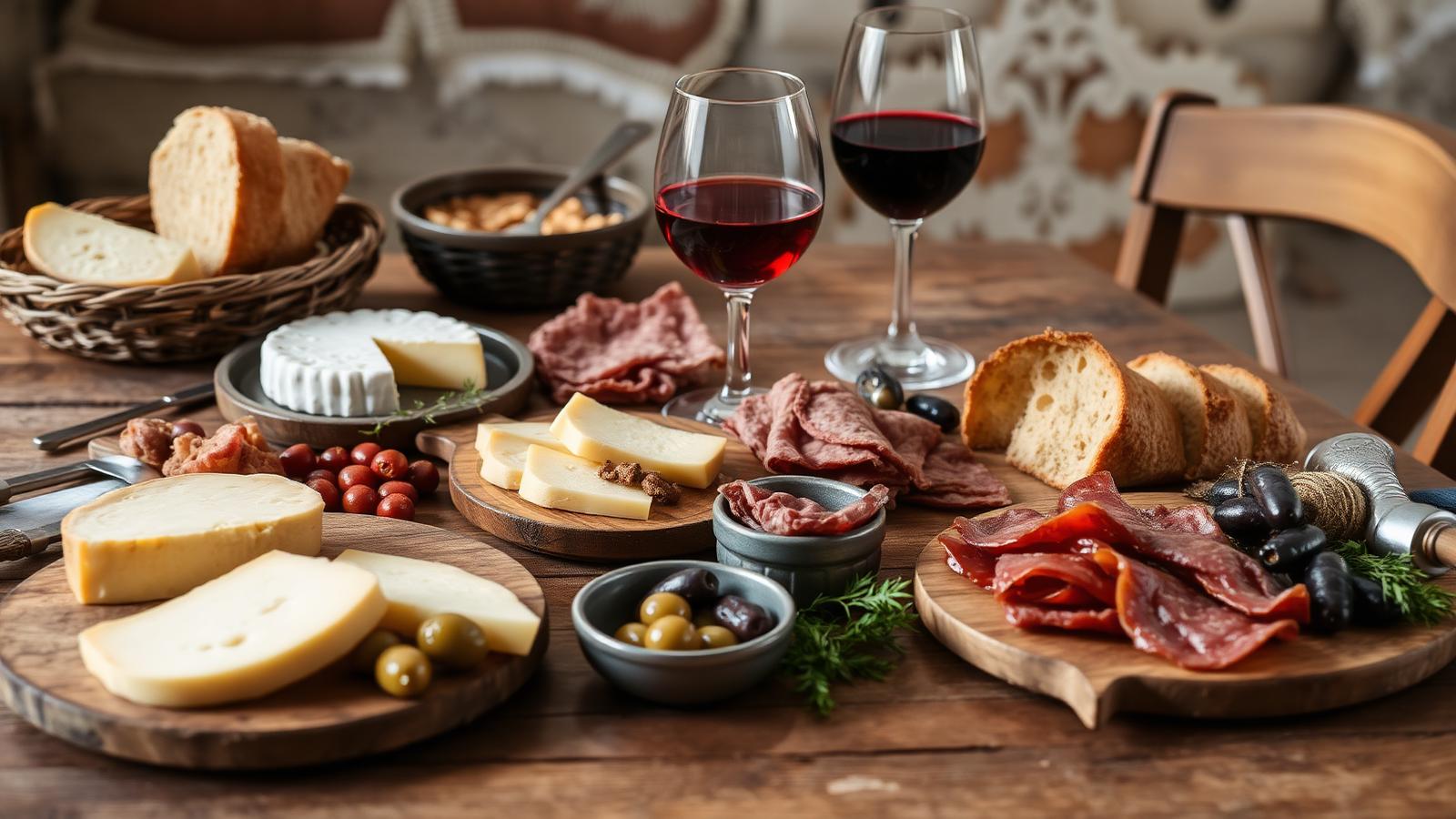
Wines from Yamanashi tend to reflect the region's climate and terrain more than any single style. Look for a sense of place in the glass — mineral notes from stony soils, freshness where nights are cool, richer texture where the sun lingers longer. A short flight of local wines is the fastest way to feel the range.
Rhythms of the year
Yamanashi moves with the seasons. Spring is quiet and green, summer brings long light and full terraces, harvest is intense and communal, and winter turns the vineyards into a stark, beautiful sculpture. Every season is a good reason to come — they just make very different trips.
Beyond the tasting room
Some of the most memorable moments in Yamanashi happen away from the vines: a bakery in the next village over, a viewpoint at sunrise, a slow lunch that turns into a slow afternoon. Leave room in your itinerary for the things you can't plan.
Frequently asked questions
What is the best way to travel around Yamanashi to experience the wine region?
Venturing through Yamanashi is often best achieved with a combination of train and local transport. The main train lines provide convenient access to key areas from Tokyo. Once in the region, consider using local buses, particularly route buses that connect many villages and vineyards. For more flexibility, especially if you wish to visit several estates off the main routes, renting a car can be a wonderful option, allowing you to linger and explore at your own pace amidst the scenic countryside. Taxis are also available, though they can be less economical for extensive touring.
When is the ideal time of year to visit Yamanashi for wine tourism?
The most enchanting times to visit Yamanashi for its wine offerings are typically late summer and early autumn. August brings the peak of the fruit harvest, with delicious peaches and early grapes readily available. September and October are perfect for experiencing the grape harvest, witnessing the vibrant activity in the vineyards, and enjoying the pleasant, temperate weather ideal for touring. The autumn foliage also paints the surrounding mountains in spectacular hues, adding to the region's charm. Spring, with its cherry blossoms, also offers a beautiful, though less wine-centric, experience.
Are there any specific cultural etiquettes I should be aware of when visiting wineries in Yamanashi?
When visiting wineries in Yamanashi, a respectful and polite demeanor is always appreciated. It's common to make appointments for tastings, especially for smaller establishments. Punctuality is valued. Remove your shoes if asked upon entering certain areas, and always ask before taking photographs, particularly inside production facilities. While gratuities are not customary in Japan, a genuine expression of thanks in Japanese, like 'Arigatou gozaimasu,' will be warmly received. Embrace the quiet, contemplative atmosphere, allowing the wines and the surroundings to speak for themselves.
What kind of accommodation options are available in the Yamanashi wine region?
Yamanashi offers a range of charming accommodation options to suit different preferences. You'll find traditional Japanese ryokan, many featuring rejuvenating onsen (hot springs), which provide a truly immersive cultural experience with delicious local cuisine. There are also comfortable Western-style hotels, often located near train stations or within larger towns. For those seeking a more intimate stay amidst the vineyards, boutique guesthouses and smaller, family-run inns offer personalized service and unique local insights. Booking in advance, especially during peak seasons, is highly recommended to secure your preferred lodging.