

Koshu Valley Wine Guide
Wineries in Koshu Valley
View all 31 wineries →The Koshu Grape’s Embrace
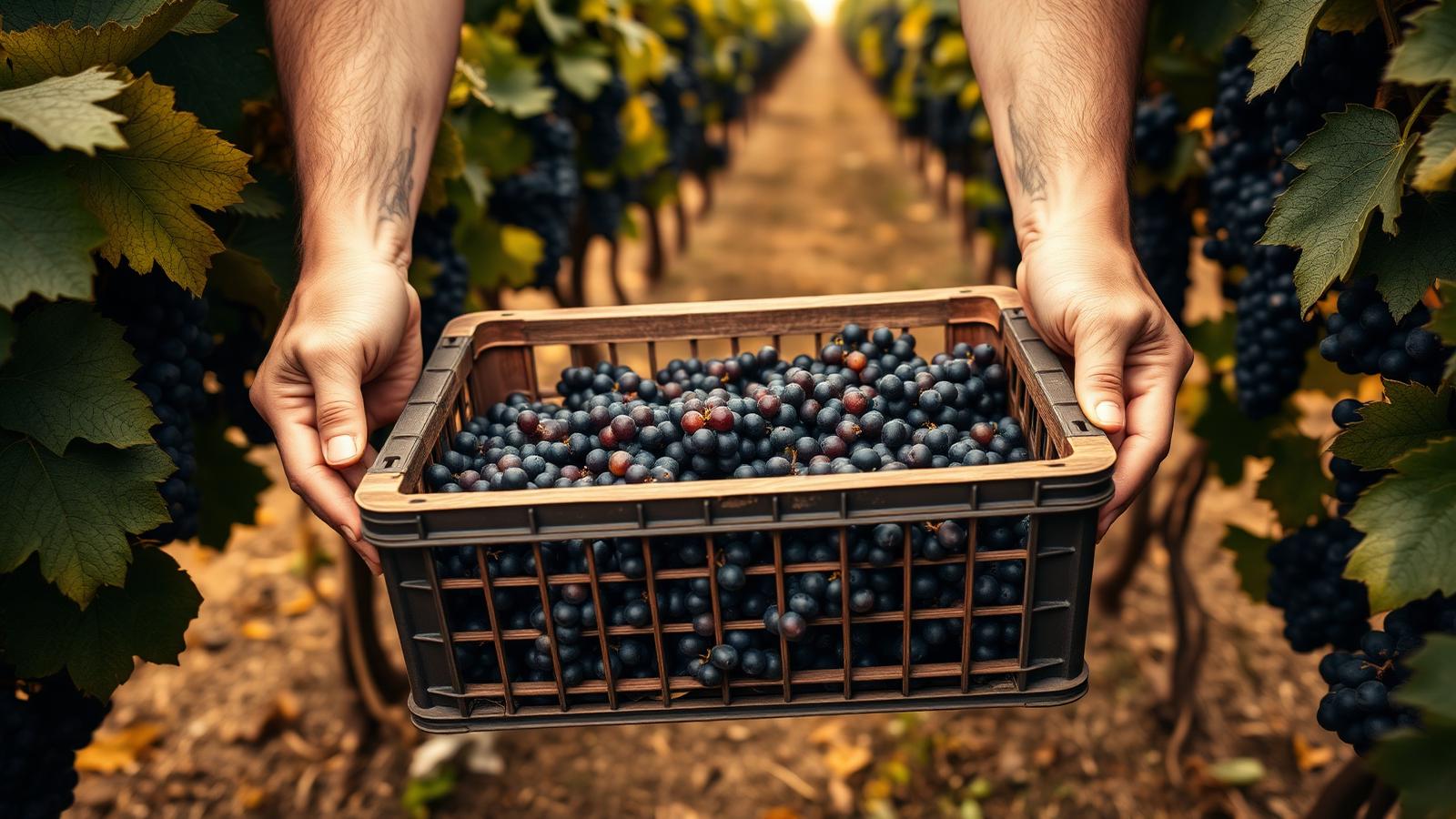
The heart of the valley beats with the gentle pulse of the Koshu grape. This indigenous , an ancient traveler to these shores, has found its soul in the unique microclimate of Yamanashi. Its thick skins protect it from the late season rains, while the warm days and cool nights allow for a slow, measured maturation. The resulting wines are renowned for their delicate floral aromatics, a touch of citrus, and a subtle minerality that speaks of the granite and volcanic soils beneath. They are wines of ethereal beauty, often dry and crisp, perfectly embodying the Japanese aesthetic of understated elegance.

Terroir: A Symphony of Soil and Sky
The Koshu Valley's is a rich tapestry woven from ancient volcanic ash, river stones, and granite weathered over millennia. This varied geology, combined with the valley’s bowl-like shape, creates a fascinating array of microclimates. Morning mists caress the vines before the sun breaks through, warming the slopes until the cool evening breezes descend from the surrounding peaks. This dramatic diurnal temperature shift is crucial, encouraging the grapes to develop complex flavors and maintain refreshing acidity, crafting wines that are both vibrant and deeply rooted in their place.
Planning a visit to Koshu Valley
Best time to visit Koshu Valley
Late spring and early autumn are the choices — comfortable weather, generous light, and vineyards at their most photogenic. Summer is warmer and livelier, with long evenings and outdoor tables everywhere. Winter is peaceful, cellars are quiet, and there's a real intimacy to visits without the crowds.
Where to base yourself
The main village or town in Koshu Valley is usually the easiest base — it puts you in walking distance of restaurants and daily life, with vineyards a short drive away. Staying in the countryside is quieter and more romantic, but you'll rely more on a car or a driver. Both are valid; pick the mood you want your trip to have.
Getting to Koshu Valley
Most travellers reach Koshu Valley by combining a flight into the nearest major city with a train, bus, or rental car for the last leg. Once you arrive, distances are usually short — many memorable days here involve less driving than you'd expect.
Making the most of a day in Koshu Valley
A good day in Koshu Valley tends to have a shape: a slow morning, a couple of unhurried tasting stops, a proper local lunch, and time in the late afternoon to walk, nap, or take in a view. Try not to over-plan — the best moments usually turn up between the ones you scheduled.
Frequently asked questions
When is the best time of year to visit the Koshu Valley for wine experiences?
For a truly immersive experience, late summer through autumn (August to October) is ideal. This period encompasses the full beauty of the ripening grapes leading up to the harvest season. You'll witness the vineyards at their most vibrant, with the added bonus of pleasant weather for exploring. While winter offers a stark, serene beauty, and spring sees the new growth emerge, the autumn provides the most dynamic atmosphere for wine enthusiasts, often with local festivals and abundant fresh produce to enjoy alongside the wines.
What kind of local cuisine should I look for to pair with Koshu Valley wines?
The local cuisine beautifully mirrors the subtlety and freshness of Koshu Valley wines. Seek out regional specialties that emphasize fresh, seasonal ingredients. Think delicate seafood dishes, light tempura, or perhaps a local hoto noodle stew – though a lighter version might best suit the white Koshu. Don't miss the local fruits, especially the famous peaches and grapes, which provide a sweet counterpoint. The wines, particularly the Koshu , are versatile, complementing both traditional Japanese fare and modern, fresh interpretations of regional dishes.
How navigable is the Koshu Valley without a car, and what transport options are best?
While having a car offers the most flexibility to explore the more remote hillside vineyards and smaller villages, the central Koshu Valley is reasonably navigable by public transport and cycling. The local train line connects the main towns, and buses serve some of the key areas. Many larger wine producers are accessible from train stations, often requiring a short taxi ride or a pleasant walk. Renting an electric bicycle can also be a wonderful way to experience the scenery and visit multiple locations at a leisurely pace, especially on flatter routes.
Are there opportunities to learn about Japanese winemaking traditions and history in the Koshu Valley?
Absolutely. The Koshu Valley is the historical heartland of Japanese winemaking, and its traditions are deeply embedded in the local culture. Many establishments offer insight into the unique cultivation methods for the Koshu grape, including the traditional '棚仕立て' (tana-jitade) pergola trellising system. You'll often find exhibits detailing the region's pioneering efforts in winemaking, showcasing the evolution from its origins to modern techniques. Engaging with the people here, even through simple conversations in local shops, can provide a rich understanding of this deep-rooted heritage.