

Wineries & Wine Tours in Netherlands
Regions
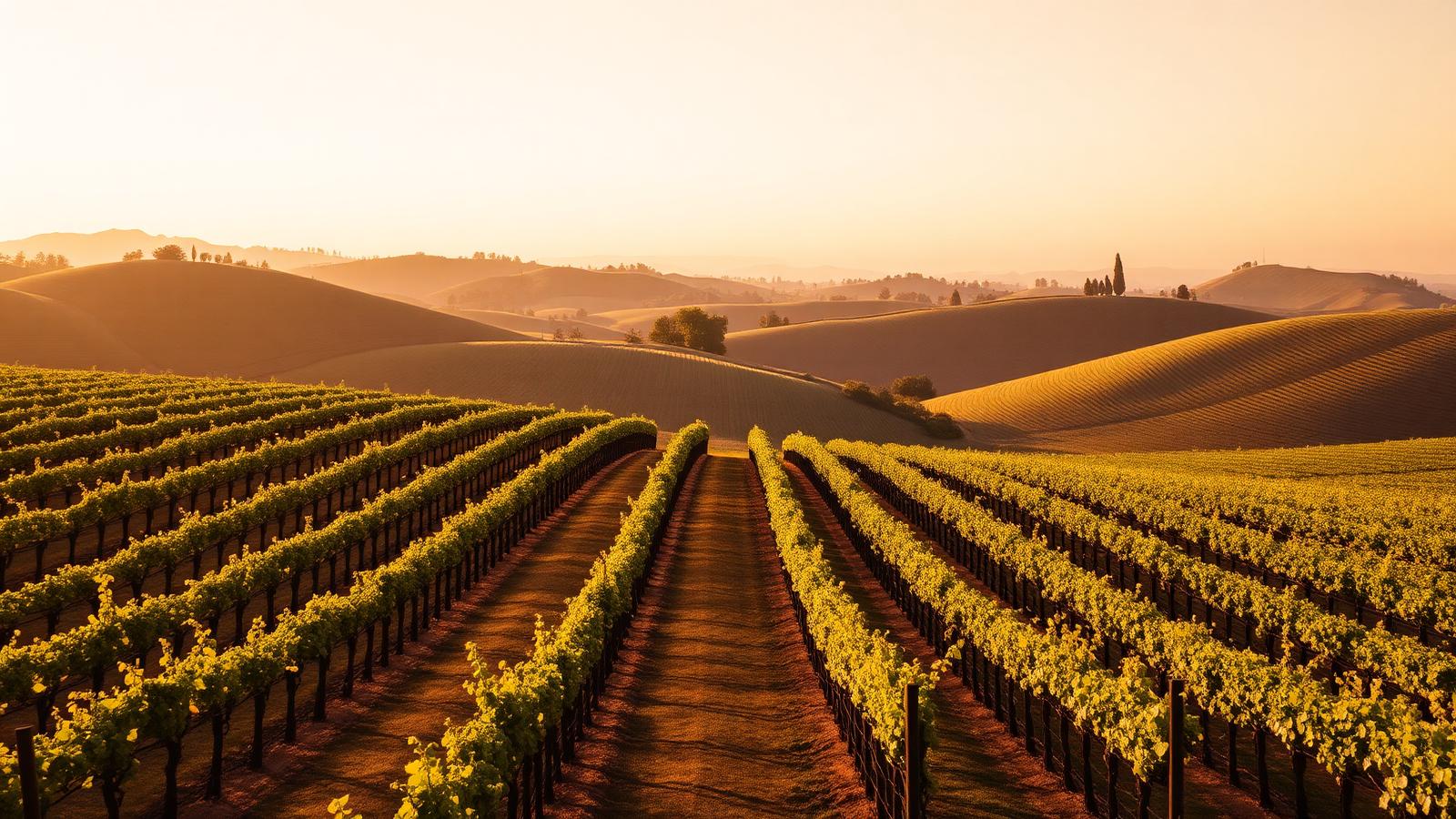
Beneath skies that shift like an artist's palette, from soft pearlescent grey to a bold, brilliant blue, lies a land where the whispers of history mingle with the rustle of burgeoning vines. The Netherlands, often painted with windmills and tulips, reveals a surprising and delicate vinous tapestry, woven into its gentle hills and sheltered river valleys. Here, the viticultural narrative is one of quiet determination and a profound connection to the land, nurtured by dedicated hands that coax elegance from varietals less common in the grander European vineyards.
Imagine the interplay of light and water, a defining characteristic of this low-lying country, lending a unique luminosity to the ripening grapes. The cool, maritime climate, tempered by the North Sea's breath, fosters a slow, deliberate maturation, allowing the fruit to develop nuanced aromatics and a refreshing acidity. This is not a landscape of dramatic mountain ranges, but one of serene beauty, where vineyards often share their gentle slopes with ancient orchards and fields of vibrant wildflowers, creating a sensory symphony of scent and sight.
To journey through these wine regions is to embrace a slower rhythm, a chance to uncover hidden gems and experience a deeply personal hospitality. It's an invitation to pause, to taste the subtle complexities born of unique terroirs, and to truly understand the spirit of a country that, against all expectations, is crafting wines of genuine character and charm. This is a quiet discovery, a vinous secret waiting patiently to be savored.
Culinary Companions: Flavors of the Land
The Dutch culinary landscape, much like its wines, is deeply rooted in local produce and unpretentious quality. Imagine enjoying fresh, briny North Sea herring, creamy Gouda crafted just miles away, or crisp apples from a nearby orchard, all paired harmoniously with a local wine. The country's refreshing sparkling wines, with their bright acidity, make excellent companions for oysters or fried snacks. Delicate white wines complement fresh asparagus dishes during spring, while the lighter reds can beautifully accompany slow-cooked stews or roasted poultry. This is an invitation to explore a seamless tapestry of local flavors, where wine and food naturally elevate one another in simple, joyful fashion.
Northern Nectar: A Climate of Character
The wine regions of the Netherlands, though modest in scale, possess a distinct climatic signature that shapes their alluring character. Embracing the cool, maritime influences of the North Sea, these vineyards benefit from long, temperate growing seasons. The ample daylight hours, especially in summer, allow grapes like , Regent, and Solaris to ripen slowly, developing vibrant acidity and expressive aromatics. This gentle maturation process results in fresh, crisp white wines, often with floral or green fruit notes, and light-bodied reds that speak of their northern origins. Experience how the subtle shifts in weather contribute to the annual dance of grape development, year after year.
The Rhythm of the Seasons
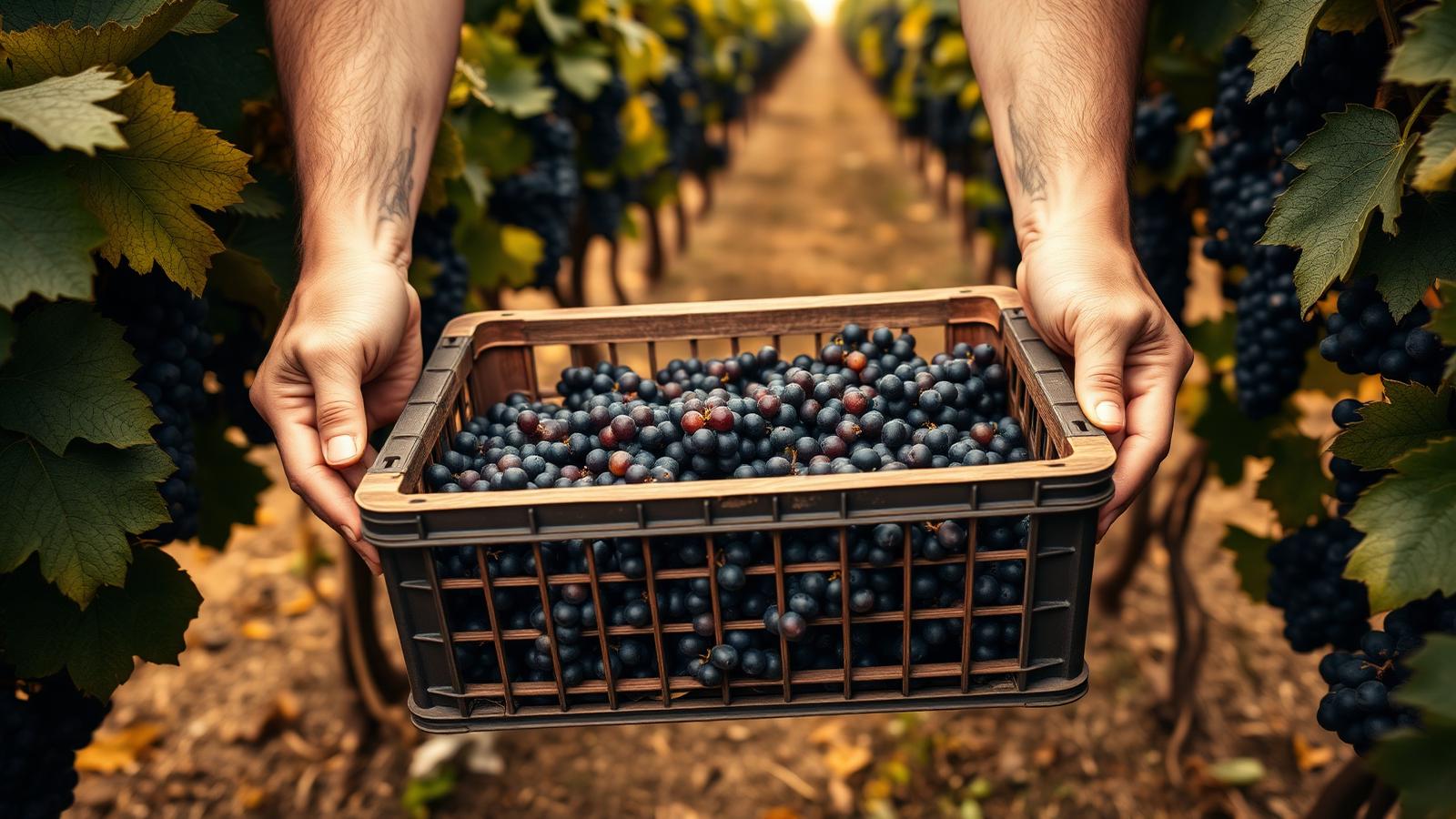
Visiting the Dutch wine regions offers a journey through the changing seasons, each painting the landscape with a unique charm. Spring brings the gentle unfurling of new leaves on the vines, promising growth and renewal, often alongside carpets of wildflowers. Summer bathes the vineyards in warm sunlight, the grapes slowly swelling with promise, inviting leisurely strolls and al fresco tastings. Autumn transforms the foliage into a riot of golden and crimson hues, coinciding with the earnest, hopeful bustle of harvest. Even winter offers a stark, serene beauty, a time for quiet reflection and the anticipation of the next vintage, often by a cozy fire. Each season unveils a different facet of the winemaking story.
What makes a trip here special
A landscape shaped by the vine
Vineyards in Netherlands follow the geography — rivers, ridgelines, coastlines, and altitude all leave their fingerprints on the wine. Driving between regions is often as memorable as the tastings themselves.
Food that grew up next to the wine
The best pairings for Netherlands's wines are almost always the dishes that grew up alongside them. Local markets, family-run restaurants, and roadside stops turn a wine trip into a full sensory tour of the country.
A calendar worth planning around
Harvest, pruning, spring flowering, and long lazy summers each give Netherlands's wine regions a completely different mood. Choosing when you visit is almost as important as choosing where.
Frequently asked questions
What types of wine can I expect to find in the Netherlands?
While less known globally, the Netherlands produces a charming array of wines. Primarily, you'll encounter fresh, aromatic white wines, often made from grape varieties suited to cooler climates like , Solaris, Johanniter, and . There are also delightful sparkling wines, offering crisp acidity and lively bubbles. For red wine enthusiasts, you'll find lighter-bodied reds, typically from grapes such as Regent or , which are elegant and food-friendly. The focus here is on quality, freshness, and wines that truly express their northern European rather than heavy, powerful styles. Be prepared for pleasant surprises and nuanced discoveries.
When is the best time of year to visit Dutch wine regions?
The ideal time to visit the Dutch wine regions for a full experience is between late spring and early autumn, roughly May through October. During these months, the weather is milder, the vineyards are lush and green, and many establishments are in full swing for visitors. September and October are particularly special as they coincide with the grape harvest, offering a chance to witness the winemaking process firsthand and enjoy the vibrant autumn colors. However, always check specific operating hours, as smaller producers may have limited opening times outside the peak season. Early summer also offers beautiful long days.
Are there accessible wine routes or regions for visitors?
Yes, although formal, extensive 'wine routes' are less common than in established wine countries, several regions offer clusters of vineyards that are very accessible for visitors. The southern provinces, particularly Limburg and parts of Gelderland, are known for having the highest concentrations of vineyards. Many of these wineries are happy to welcome guests for tastings and tours, often by appointment. Visiting by car or bicycle allows for flexibility to explore at your own pace, often combining wine experiences with scenic village visits and local culinary stops. Information on specific regions and individual producers is readily available through local tourism boards online.
What unique experiences can I have at Dutch wineries?
Visiting Dutch wineries offers a distinctly intimate and often personal experience. Unlike larger, more commercial operations, you'll frequently find yourself interacting directly with the winemakers themselves, hearing their stories and passion firsthand. Many wineries are family-run and offer charming experiences, sometimes paired with local cheeses or small bites. You might find vineyards nestled alongside picturesque farmlands or ancient castles, offering unique photo opportunities and a sense of quiet discovery. Some even have small restaurants or guesthouses on-site. The focus is often on an unhurried exploration and appreciation for the craft, far from crowded tourist trails.