

All Wineries & Wine Tours
Gentle Slopes and Verdant Views
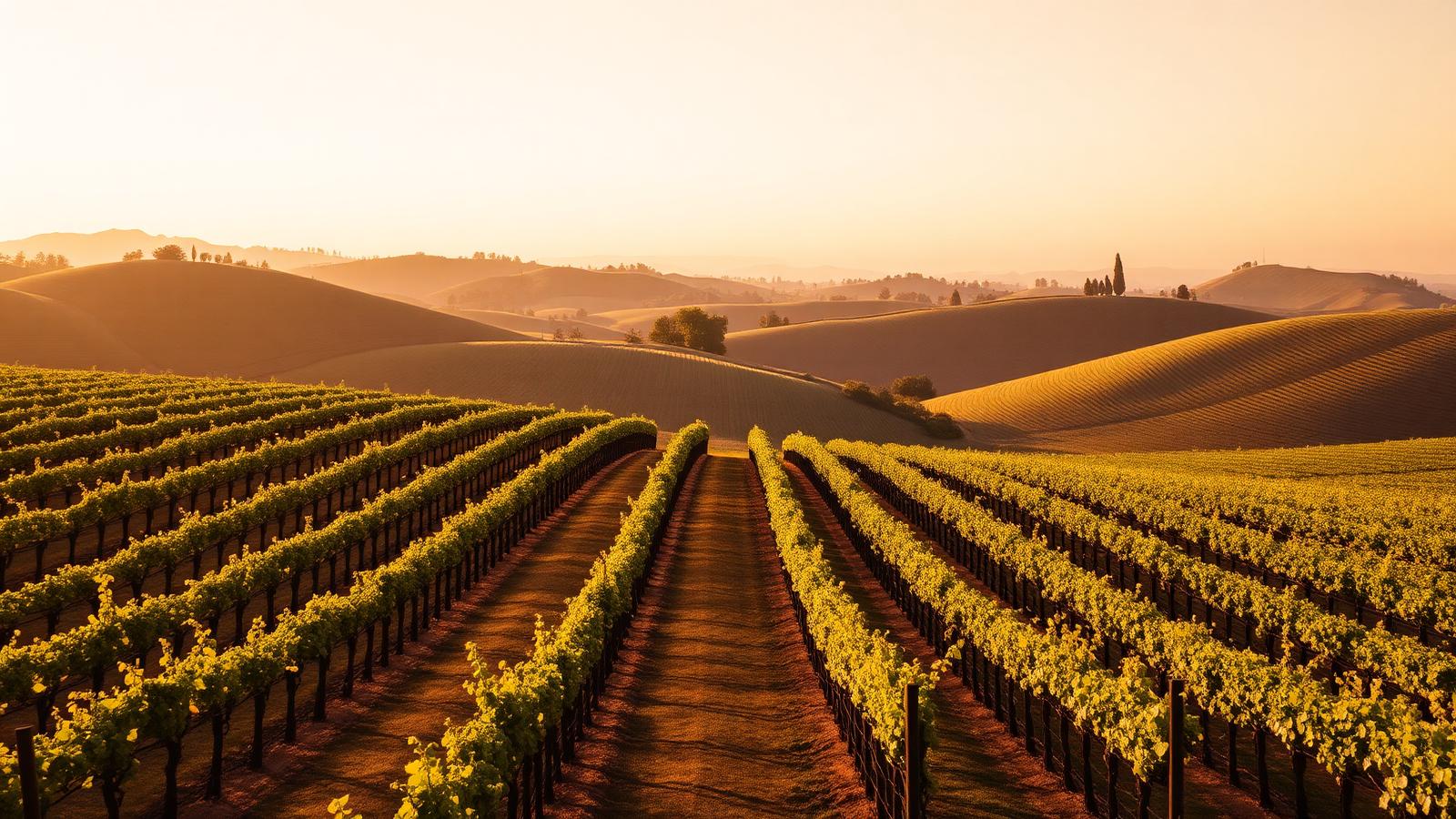
The wine-growing areas are characterized by understated beauty, a landscape dotted with small, meticulously tended vineyards. Unlike the dramatic mountain ranges of more famous regions, here the terrain consists of rolling hills and gentle inclines that catch the morning sun. These subtle elevations provide crucial drainage and exposure, essential for grape ripening in a temperate climate. The surrounding countryside is a patchwork of lush meadows, ancient forests, and quaint hamlets, offering picturesque vistas that invite leisurely drives and peaceful strolls, where the rhythm of life feels intrinsically tied to the land and its seasons.
A Taste of Local Culture
Beyond the glass, the experience is woven with the rich tapestry of Dutch culture. Local cuisine emphasizes fresh, seasonal ingredients – from artisanal cheeses and smoked fish to hearty bread and regional produce. Many small communities celebrate their heritage with traditional markets and convivial gatherings, where the region's wines are proudly poured. The general pace of life is relaxed, encouraging visitors to linger over meals, connect with local producers, and immerse themselves in the genuine warmth of the people. This is a place where culinary discoveries unfold gracefully, perfectly complementing the unique wine experience.
Cool Climate, Crisp Flavors
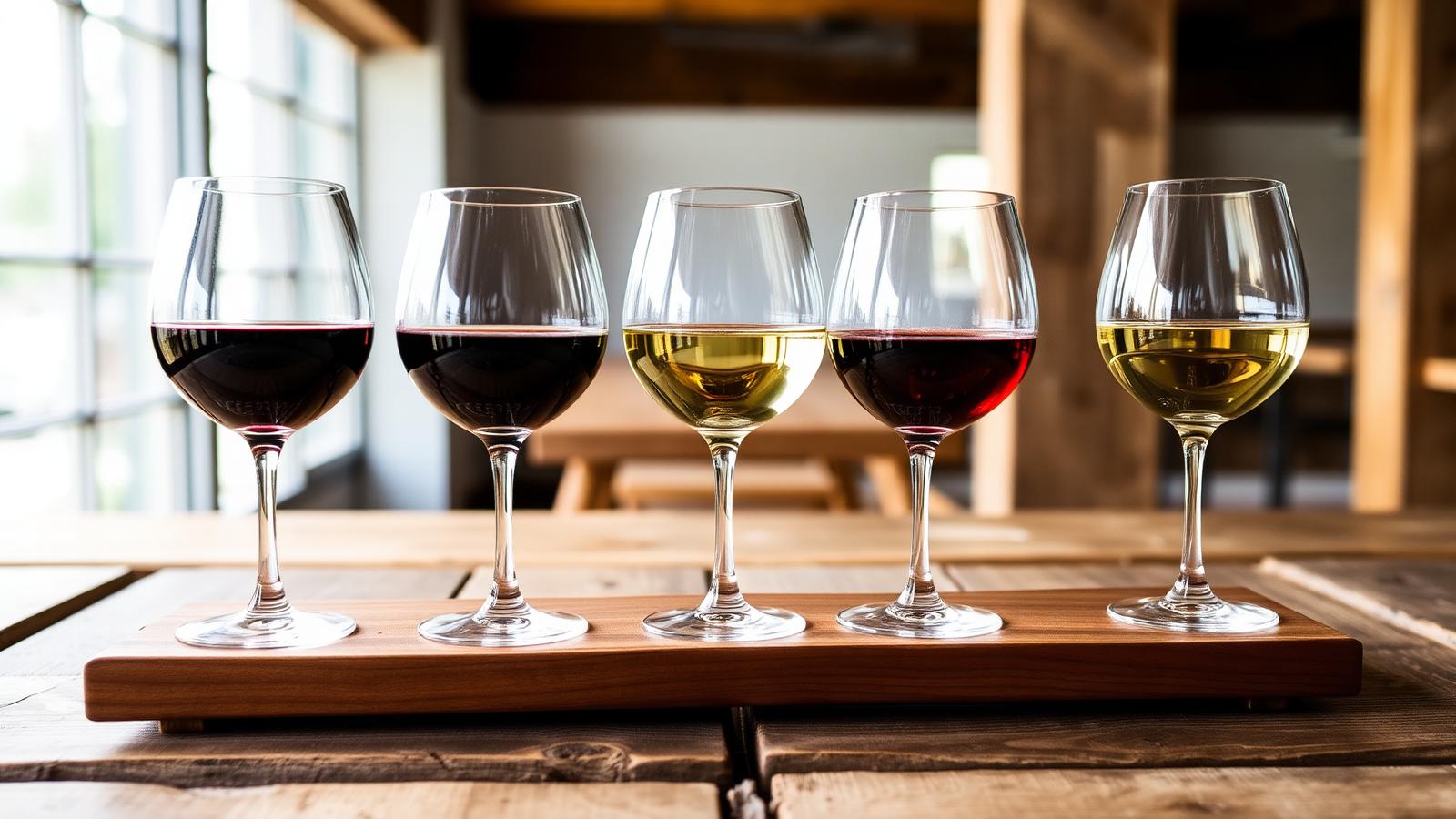
The Netherlands' unique cool-climate viticulture shapes wines of remarkable freshness and character. Here, longer, cooler growing seasons allow grapes to ripen slowly, developing nuanced aromatics and vibrant acidity. Expect to find a dominance of white and rosé expressions, often crisp and mineral-driven. Varietals like , Regent, and Solaris thrive in these conditions, yielding elegant wines that speak of their northern provenance. The maritime influence, though subtle, also plays a role, contributing to the purity and brightness found in many of these distinctive bottlings, making them excellent companions for a variety of culinary delights.
Getting to know All
What All tastes like
Wines from All tend to reflect the region's climate and terrain more than any single style. Look for a sense of place in the glass — mineral notes from stony soils, freshness where nights are cool, richer texture where the sun lingers longer. A short flight of local wines is the fastest way to feel the range.
Rhythms of the year
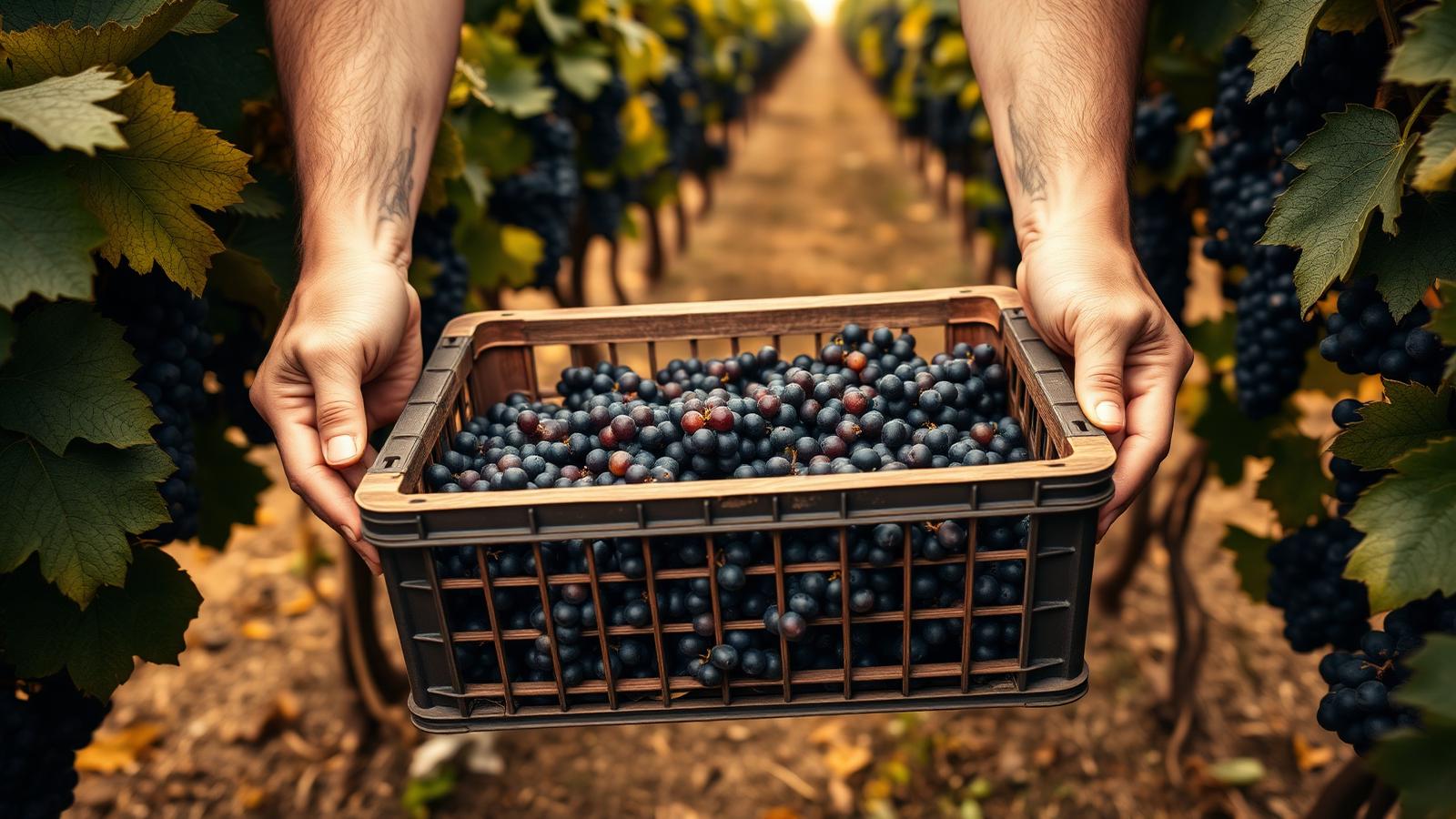
All moves with the seasons. Spring is quiet and green, summer brings long light and full terraces, harvest is intense and communal, and winter turns the vineyards into a stark, beautiful sculpture. Every season is a good reason to come — they just make very different trips.
Beyond the tasting room
Some of the most memorable moments in All happen away from the vines: a bakery in the next village over, a viewpoint at sunrise, a slow lunch that turns into a slow afternoon. Leave room in your itinerary for the things you can't plan.
Frequently asked questions
When is the best time of year to visit for a wine tour?
The most enchanting time to visit for a wine tour is typically from late spring (May-June) through early autumn (September-October). During these months, the vineyards are lush and vibrant – either budding beautifully or heavy with ripe grapes. The weather is generally mild and pleasant, ideal for strolling through the vines and enjoying outdoor tastings. Harvest season in late September or early October offers a particularly lively atmosphere, though some smaller estates might have limited visiting hours due to the intense activity.
What kind of transportation should I plan for visiting vineyards?
While public transport can get you to larger towns, many vineyards are nestled in the countryside, making a car the most convenient option for exploring multiple locations. This offers flexibility to discover smaller, more off-the-beaten-path producers. Alternatively, consider renting electric bicycles, as the terrain is often gentle, making for a scenic and enjoyable way to travel between vineyards. Some local tour operators may also offer guided excursions that include transportation between several estates.
What types of wine should I expect to sample?
You can anticipate sampling a delightful array of cool-climate wines. White wines, often made from varietals like , Solaris, Johanniter, and Souvignier Gris, are prominent, offering crisp acidity and fresh fruit notes. Rosé wines are also gaining popularity, known for their delicate character. While red wines are produced in smaller quantities, varietals like Regent and Cabernet Cortis yield surprisingly elegant and lighter-bodied expressions. Expect freshness and purity of fruit to be defining characteristics across the board.
Are there other activities to enjoy in the region alongside wine tasting?
Absolutely! The wine regions are often surrounded by beautiful landscapes perfect for outdoor activities. Cycling and walking trails abound, allowing you to explore charming villages, historical sites, and the scenic countryside. Many areas are close to nature reserves, offering opportunities for birdwatching and tranquil strolls. Local markets provide a chance to sample artisanal cheeses and other regional delicacies. You can also explore local museums or enjoy leisurely boat trips on nearby canals and rivers, rounding out your wine experience with cultural immersion.