

Wineries & Wine Tours in Portugal
Regions
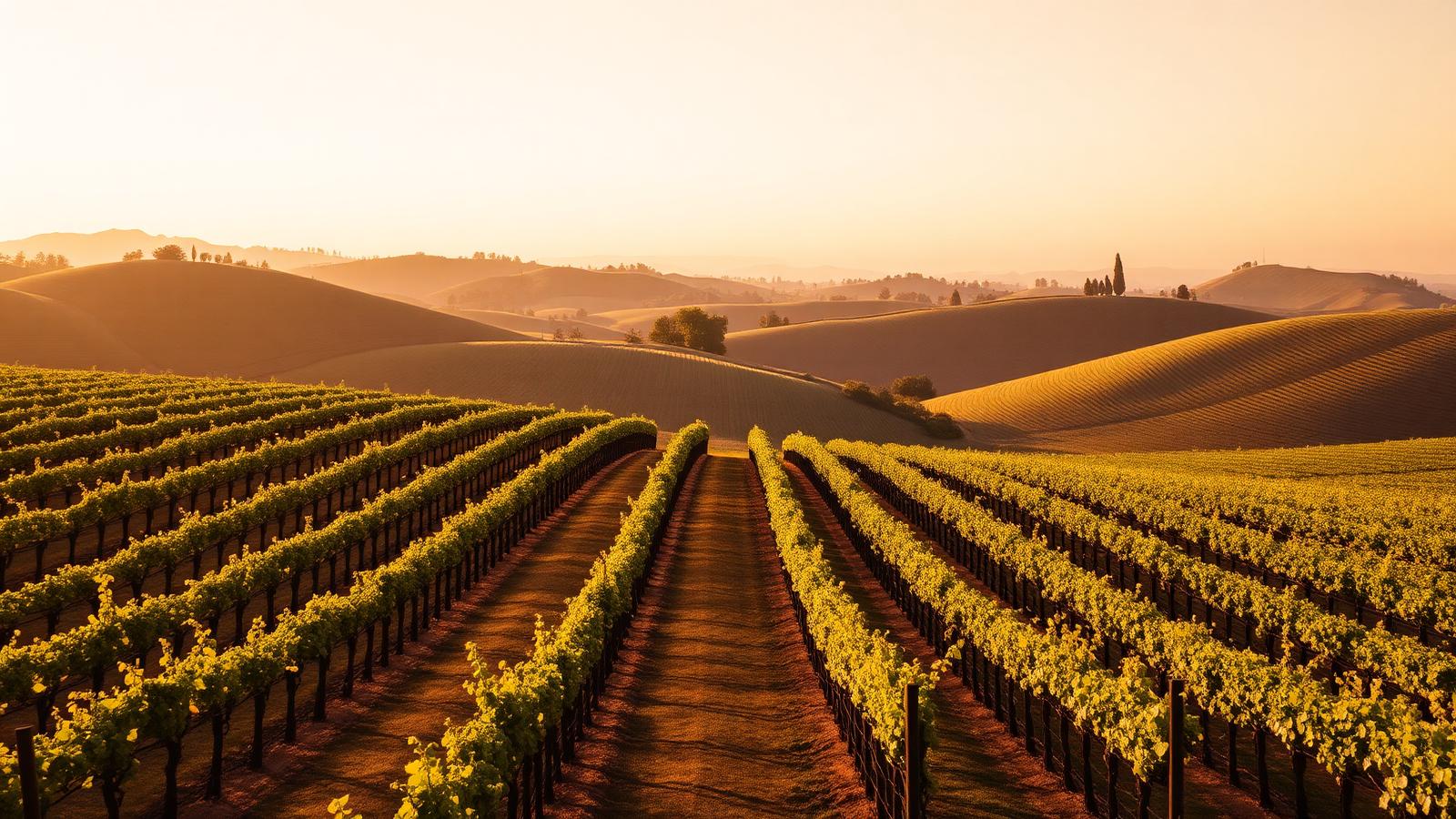
Portugal, a sun-drenched coastline embraced by ancient vines, invites a journey not merely through vineyards, but into the very soul of a land shaped by ocean breezes and resilient traditions. Here, the Atlantic whispers secrets to grapes clinging to steep, terraced hillsides, while further inland, the fierce sun bakes the earth, yielding wines of profound depth and character. It is a country where every sip tells a story of centuries, a testament to the enduring spirit of its people and their intimate dance with the rhythm of the seasons.
Imagine the gentle clinking of glasses echoing alongside the melancholic strains of Fado, a culinary tapestry woven with the freshest seafood, slow-cooked meats, and olive oil as golden as the afternoon light. This is a place where lunch stretches into a leisurely afternoon, where the concept of time surrenders to the pleasure of good company, heartfelt conversation, and the discovery of a new, cherished vintage. Each region, from the verdant north to the sun-baked south, reveals a unique viticultural personality, urging you to explore its hidden corners and taste its distinct .
To travel Portugal for wine is to embrace an unhurried exploration, to feel the calloused hands of a vinhateiro who tends vines passed down through generations, and to witness the golden hour paint the landscape in hues only nature can conjure. It's an immersion into a culture that values authenticity, where the earth's bounty is celebrated with reverence and joy. Allow yourself to be drawn into this rich narrative, one glass at a time, and discover the deep heart that beats within Portugal's diverse and captivating wine regions.
From Atlantic to Arid
Portugal's varied topography creates a stunning palette of wine landscapes. Along the misty Atlantic coast, the vines thrive in cooler, maritime conditions, lending crisp acidity and saline mineral notes to white wines. As one ventures eastward, the terrain quickly transforms into dramatic, schist-laden slopes carved by rivers, where concentrated reds and the iconic fortified wines find their robust expression. Further south, the plains bask in abundant sunshine, giving rise to ripe, fruit-forward varieties. This geographical diversity is encapsulated in every bottle, offering a journey through contrasting microclimates and ancient soils.
Grapes of Character
While international varieties appear, Portugal truly shines through its treasure trove of indigenous grapes—more than 250 distinct varietals. , with its floral aromatics and bold structure, reigns as a revered red, often blended to create nuanced complexity. For whites, the vibrant offers zesty freshness, while provides elegant minerality. These native grapes, nurtured by centuries of tradition and adapted to their specific microclimates, are the unsung heroes, delivering unique flavor profiles that are distinctly Portuguese and offer a refreshing departure from the familiar.
What makes a trip here special
A landscape shaped by the vine
Vineyards in Portugal follow the geography — rivers, ridgelines, coastlines, and altitude all leave their fingerprints on the wine. Driving between regions is often as memorable as the tastings themselves.
Food that grew up next to the wine
The best pairings for Portugal's wines are almost always the dishes that grew up alongside them. Local markets, family-run restaurants, and roadside stops turn a wine trip into a full sensory tour of the country.
A calendar worth planning around
Harvest, pruning, spring flowering, and long lazy summers each give Portugal's wine regions a completely different mood. Choosing when you visit is almost as important as choosing where.
Frequently asked questions
When is the best time to visit Portugal for a wine-focused trip?
The shoulder seasons, spring (April to early June) and autumn (September to October), are ideal. In spring, the landscapes burst into bloom, and the weather is pleasantly mild for exploring. Autumn brings the excitement of the harvest, offering a chance to witness the grape-picking activity, though some rural accommodations might be booked. Summer can be quite hot, especially inland, while winter offers cooler temperatures and fewer crowds, perfect for cozy cellar visits and enjoying hearty Portuguese cuisine with robust red wines.
Do I need to speak Portuguese to enjoy a wine tour?
While speaking some Portuguese phrases like 'Olá' (hello) and 'Obrigado/a' (thank you) is always appreciated, it's not strictly necessary. In major wine regions and tourist areas, many people in the wine industry, especially those catering to international visitors, speak English. However, venturing into smaller, more traditional villages might require a little more patience and perhaps a translation app. A willingness to communicate through gestures and a friendly smile will go a long way in fostering connections and enhancing your experience.
What are some practical tips for travelling between wine regions?
Renting a car offers the most flexibility for exploring, especially in rural areas where public transport can be limited. This allows you to set your own pace and discover charming, hidden spots. Major cities are well-connected by train. For longer distances between distinct wine regions, domestic flights can save time. Consider booking accommodations in advance, especially during peak harvest season, and always appoint a designated driver if you plan to enjoy tastings throughout the day.
Are there wine experiences suitable for travelers who prefer white wines or sparkling wines?
Absolutely! While Portugal is renowned for its rich reds and Port, there's a vibrant world of white and sparkling wines to discover. The Vinho Verde region in the north is famous for its crisp, effervescent white wines, perfect for warm days. The Bairrada region produces excellent sparkling wines, often from the grape, known for their elegance and character. Many wineries across the country also produce high-quality still white wines from indigenous grapes like , , and , offering diverse profiles from zesty to complex.