

Alentejo Wineries & Wine Tours
Sub-regions
The Heart of the Land
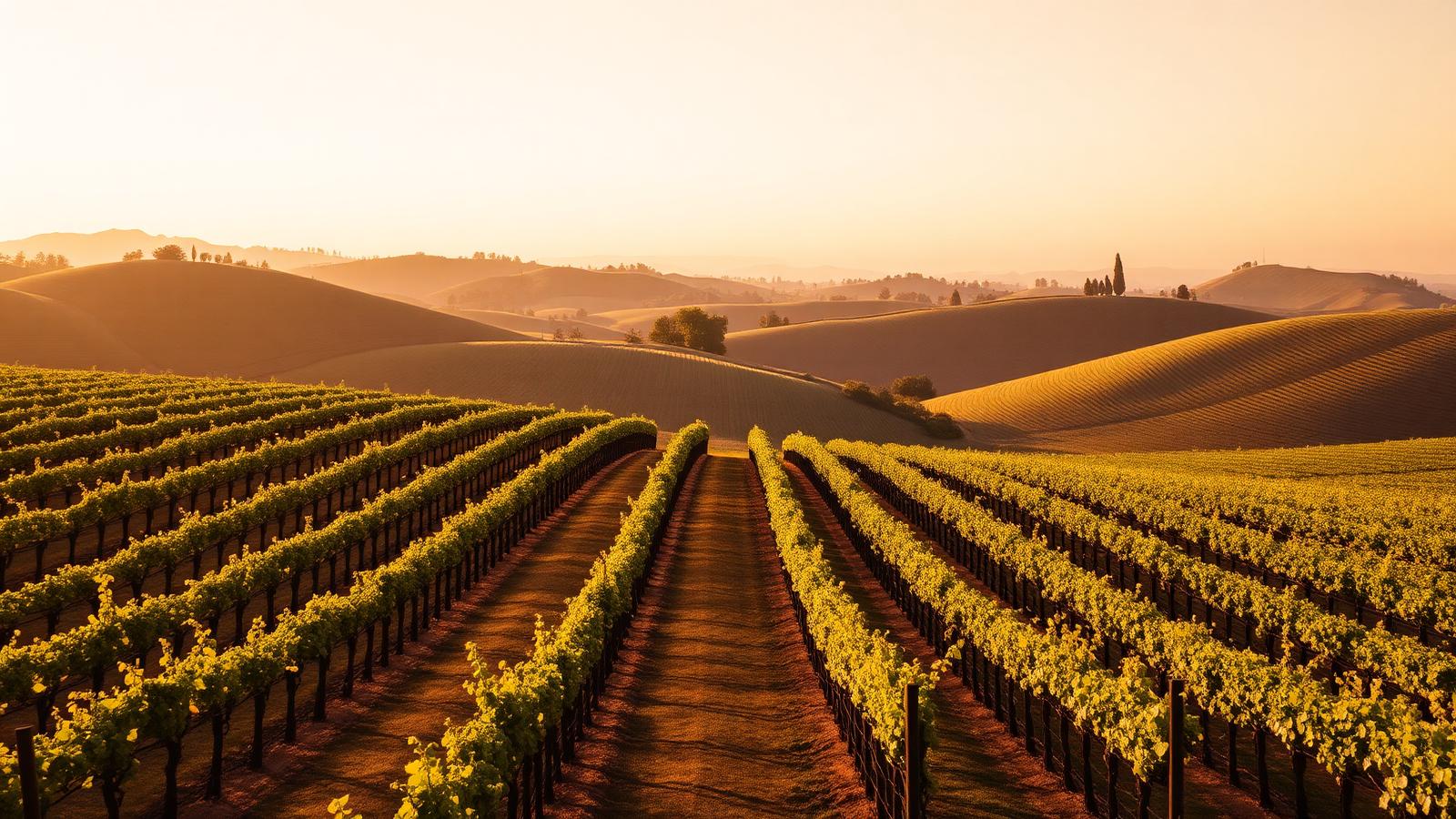
Alentejo's landscape is a captivating mosaic of vast plains, gentle hills, and montados – the iconic cork oak forests that define its horizon. The intense summer sun and long, dry growing seasons imbue the grapes with a distinctive concentration and character. Beneath this radiant sun, diverse soils ranging from granite and schist to clay and limestone contribute unique mineral notes and complexities to the wines. This unpretentious terrain, often dotted with ancient olive groves and fields of golden wheat, is the very soul of the region, dictating the rhythm of life and the exceptional quality of its produce. It is a land of extremes, both harsh and abundant.
Grapes of Gold
The Alentejo wine scene is a vibrant tapestry woven from indigenous Portuguese grape varieties. For the reds, expect power and elegance from the likes of Aragonês (), Trincadeira, and Alicante Bouschet, often blended to create full-bodied, fruit-forward wines with a delightful spice and structure. White wines, though less prevalent, are gaining recognition, with offering aromatic freshness and a captivating acidity, while and Roupeiro contribute citrus notes. These varietals thrive under the Alentejo sun, expressing the region's warmth and generosity in every bottle, from approachable everyday wines to complex, cellar-worthy treasures.

Alentejo's Table
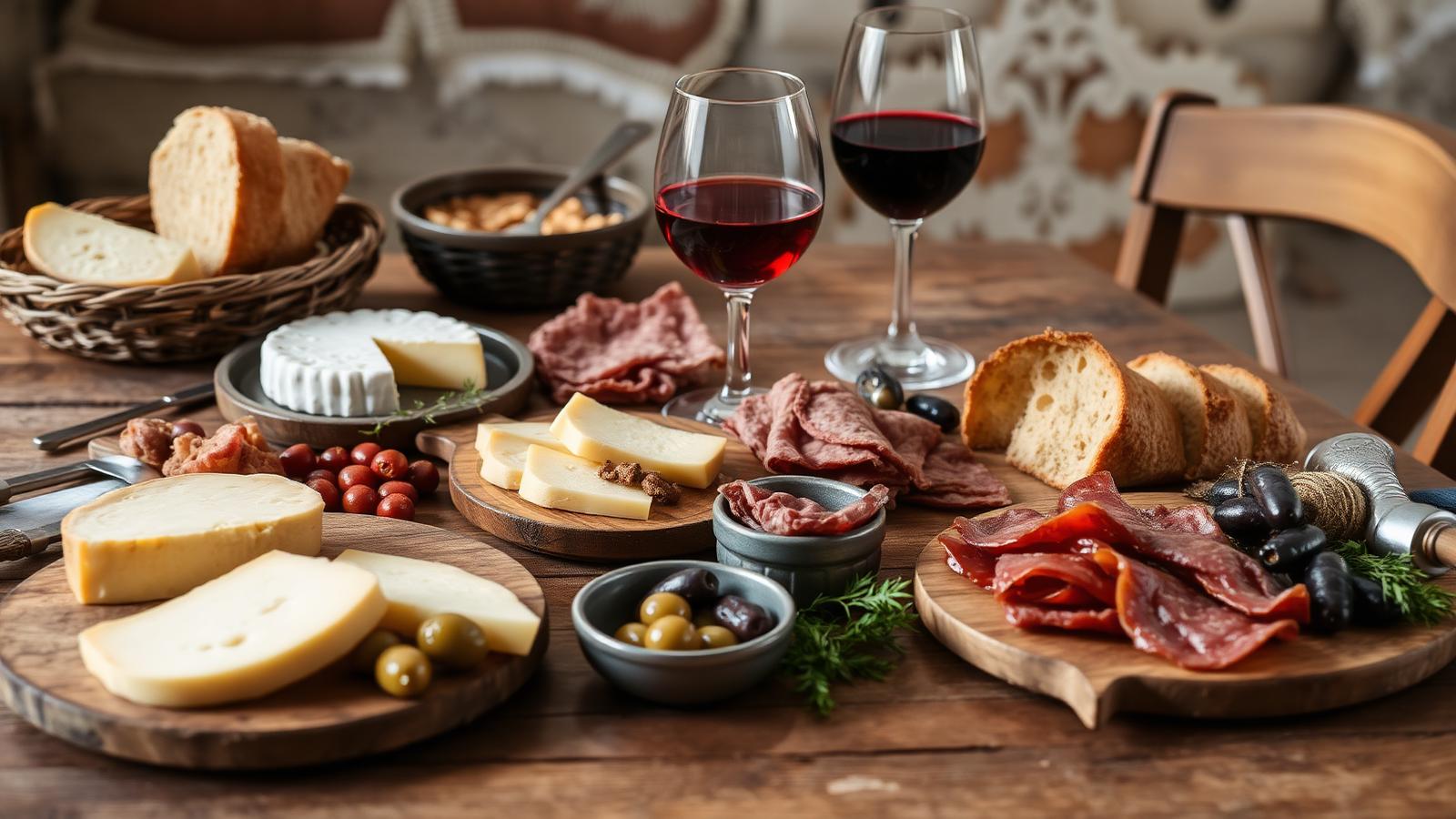
The cuisine of Alentejo is a celebration of simple, honest flavours, deeply rooted in its agricultural abundance and pastoral traditions. Pork, especially black Iberian pork, is king here, served in myriad delectable forms. Olive oil, freshly pressed from local groves, forms the foundation of many dishes, accompanying hearty soups like açorda (breadcrumb soup) or migas (fried breadcrumbs). Pair these rustic delights with the region’s robust red wines, experiencing an alchemy where food and wine elevate each other. Long, leisurely meals enjoyed al fresco under the shade of an olive tree are an intrinsic part of the Alentejano experience, a true feast for the senses.
Getting to know Alentejo
What Alentejo tastes like
Wines from Alentejo tend to reflect the region's climate and terrain more than any single style. Look for a sense of place in the glass — mineral notes from stony soils, freshness where nights are cool, richer texture where the sun lingers longer. A short flight of local wines is the fastest way to feel the range.
Rhythms of the year
Alentejo moves with the seasons. Spring is quiet and green, summer brings long light and full terraces, harvest is intense and communal, and winter turns the vineyards into a stark, beautiful sculpture. Every season is a good reason to come — they just make very different trips.
Beyond the tasting room
Some of the most memorable moments in Alentejo happen away from the vines: a bakery in the next village over, a viewpoint at sunrise, a slow lunch that turns into a slow afternoon. Leave room in your itinerary for the things you can't plan.
Frequently asked questions
What is the best time of year to visit Alentejo for a wine tour?
The ideal time to visit Alentejo is during spring (April to June) or autumn (September to October). In spring, the landscape is lush and green, with wildflowers blooming, and the temperatures are pleasantly mild. Autumn offers the excitement of the harvest season, and the weather remains warm and sunny, perfect for outdoor activities. Summer can be very hot, sometimes exceeding 35°C (95°F), which might be less comfortable for extended explorations, though evenings are lovely. Winters are generally mild but can be damp.
How should I plan my transportation for exploring the Alentejo wine region?
Renting a car is highly recommended for exploring Alentejo. The region is expansive, and public transportation between towns and rural properties can be infrequent or non-existent. A car provides the freedom to explore charming villages, visit various wine estates at your own pace, and discover hidden culinary gems. Roads are generally well-maintained and easy to navigate. Taxis are available in larger towns, but their availability and cost outside these areas make them less practical for extensive touring.
What kind of accommodation options are available in Alentejo?
Alentejo offers a wonderful array of authentic accommodation, from charming guesthouses (turismo rural) nestled in the countryside to beautifully restored historic hotels within medieval towns like Évora or Monsaraz. You can also find boutique hotels in larger towns and farm stays (herdades or quintas) which often include wine-related experiences. For a truly immersive experience, consider a stay in a property surrounded by vineyards or olive groves, where the tranquility of the landscape envelops you.
What else is there to do in Alentejo beyond wine tasting?
Beyond its exceptional wines, Alentejo boasts a rich cultural and natural heritage. Explore the UNESCO World Heritage city of Évora with its Roman Temple and chapel of bones, or wander the fortified village of Monsaraz. Discover ancient megalithic sites that predate Stonehenge, or enjoy stargazing in regions designated as Dark Sky Reserves. The Alentejo coastline, while a drive away from the main wine regions, offers beautiful, unspoiled beaches. Horseback riding, cycling, and simply savouring the delicious regional cuisine are also wonderful ways to experience this captivating region.