

Banat Wineries & Wine Tours
Sub-regions
Flavors of Heritage
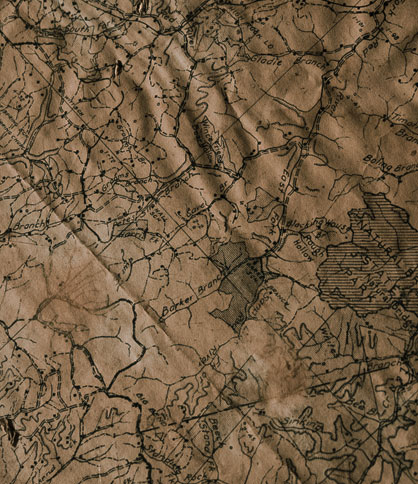
The Banat's culinary traditions are as rich and varied as its wines, a delightful tapestry woven from Hungarian, Serbian, and Romanian influences. Imagine slow-cooked stews fragrant with paprika, rich polenta adorned with local cheeses, and freshly baked breads emerging from wood-fired ovens. These are dishes designed to complement the region's generous wines. A glass of velvety Cadarcă, with its notes of red berries and subtle spice, finds its perfect partner in a hearty goulash, while a crisp, floral must from a local white grape refreshes the palate alongside a lighter pork entrée. Meals in Banat are celebrations of local produce and warm hospitality.
The Terroir's Embrace
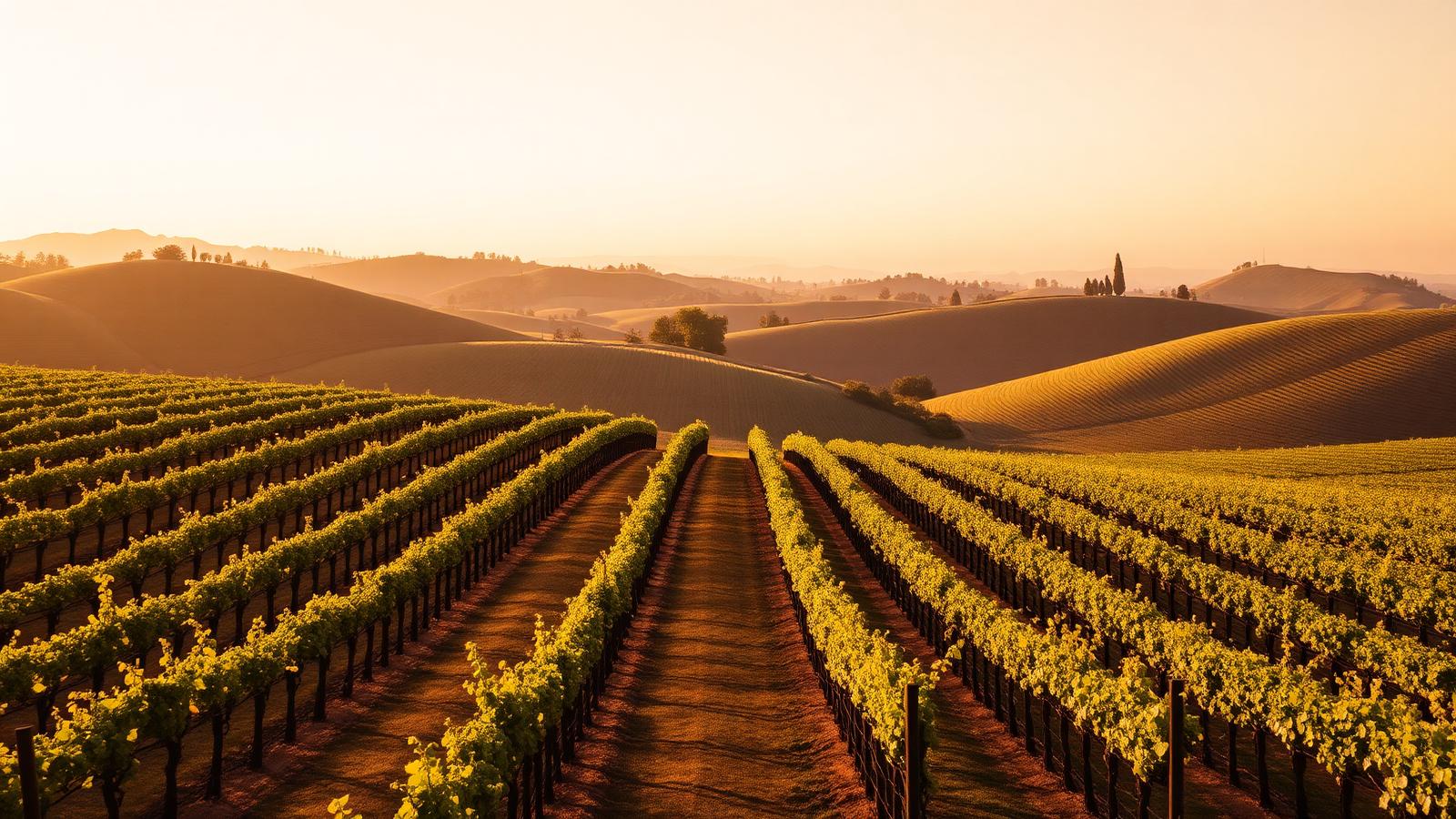
The Banat's distinct is a mosaic of influences: the Carpathian foothills provide mineral-rich soils and varied elevations, while the vast Pannonian Plain introduces a continental warmth. This interplay of terrain – from gentle slopes to sun-bathed plateaus – allows for a remarkable diversity in microclimates. The long growing season is tempered by refreshing breezes, concentrating flavors within the grapes, particularly the indigenous Fetească Neagră, which deepens its ruby hue and spice, and the white , which develops a vibrant aromatic profile. It is a landscape that truly shapes its wines.
Getting to know Banat
What Banat tastes like
Wines from Banat tend to reflect the region's climate and terrain more than any single style. Look for a sense of place in the glass — mineral notes from stony soils, freshness where nights are cool, richer texture where the sun lingers longer. A short flight of local wines is the fastest way to feel the range.
Rhythms of the year
Banat moves with the seasons. Spring is quiet and green, summer brings long light and full terraces, harvest is intense and communal, and winter turns the vineyards into a stark, beautiful sculpture. Every season is a good reason to come — they just make very different trips.
Beyond the tasting room
Some of the most memorable moments in Banat happen away from the vines: a bakery in the next village over, a viewpoint at sunrise, a slow lunch that turns into a slow afternoon. Leave room in your itinerary for the things you can't plan.
Frequently asked questions
What is the best time of year to visit Banat for a wine experience?
The most enchanting time to explore the Banat's wine country is undoubtedly late spring (May-June) or early autumn (September-October). In spring, the vineyards burst with vibrant green, and the air is fresh. Autumn, however, offers the quintessential wine experience: the buzz of harvest, the rich colors of changing leaves, and the opportunity to taste new wines directly from the producer. Summers can be warm, ideal for enjoying terraces, while winters offer a quieter, more contemplative atmosphere, often with snow-dusted vineyards, though some cellar doors may have reduced hours.
How should I plan my transport to and within the Banat region?
The primary gateway to the Banat region is Timișoara, which has an international airport with connections to several European cities. From there, renting a car is highly recommended for exploring the wine villages and vineyards at your own pace. Public transport between smaller villages can be infrequent, so a car offers the flexibility to truly immerse yourself in the landscape and discover hidden gems. Local taxis or pre-arranged transfers may be available for shorter distances between accommodations and tasting rooms, but a personal vehicle grants the most freedom.
What are the signature local grapes and wine styles I should look for?
When visiting the Banat, you absolutely must seek out wines crafted from the indigenous grapes that define the region. For reds, the **Fetească Neagră** is celebrated for its deep color, notes of dark berries, and subtle spice, often with a hint of forest floor. Another historic treasure is **Cadarcă**, producing unique, lighter-bodied reds with vibrant acidity and red fruit flavors. Among whites, **** offers aromatic complexity with floral and stone-fruit notes, often a crisp acidity, while **Crâmpoșie Selecționată** provides refreshing minerality and zest. These varietals truly express the Banat's unique .
Are there any local customs or etiquette I should be aware of when visiting wine cellars?
When visiting cellars in the Banat, a warm and respectful demeanor is always appreciated. It's customary to greet hosts with a friendly 'Bună ziua' (good day). While many producers speak English, learning a few basic Romanian phrases like 'Mulțumesc' (thank you) will be well-received. It's generally best to make appointments for tastings in advance, especially outside regular business hours. Most importantly, show genuine interest in the wines and the winemaking process; Banat winemakers are often eager to share their passion and knowledge with curious visitors.