

Transylvania Wineries & Wine Tours
Sub-regions
Culinary Harmonies
The rustic, hearty cuisine of Transylvania paints a perfect backdrop for its wines. Picture long, leisurely meals, where traditional dishes are crafted from locally sourced, wholesome ingredients. Rich stews, smoked meats, and creamy polenta dishes find their ideal counterpart in the bright acidity and aromatic complexity of a local or Regală. The unhurried pace of rural life encourages slow cooking and communal dining, ensuring that every meal is an experience to be savored, where the flavors of the land and its wines intertwine in delightful harmony, enhancing the simple pleasures of the table.
Indigenous Grape Treasures
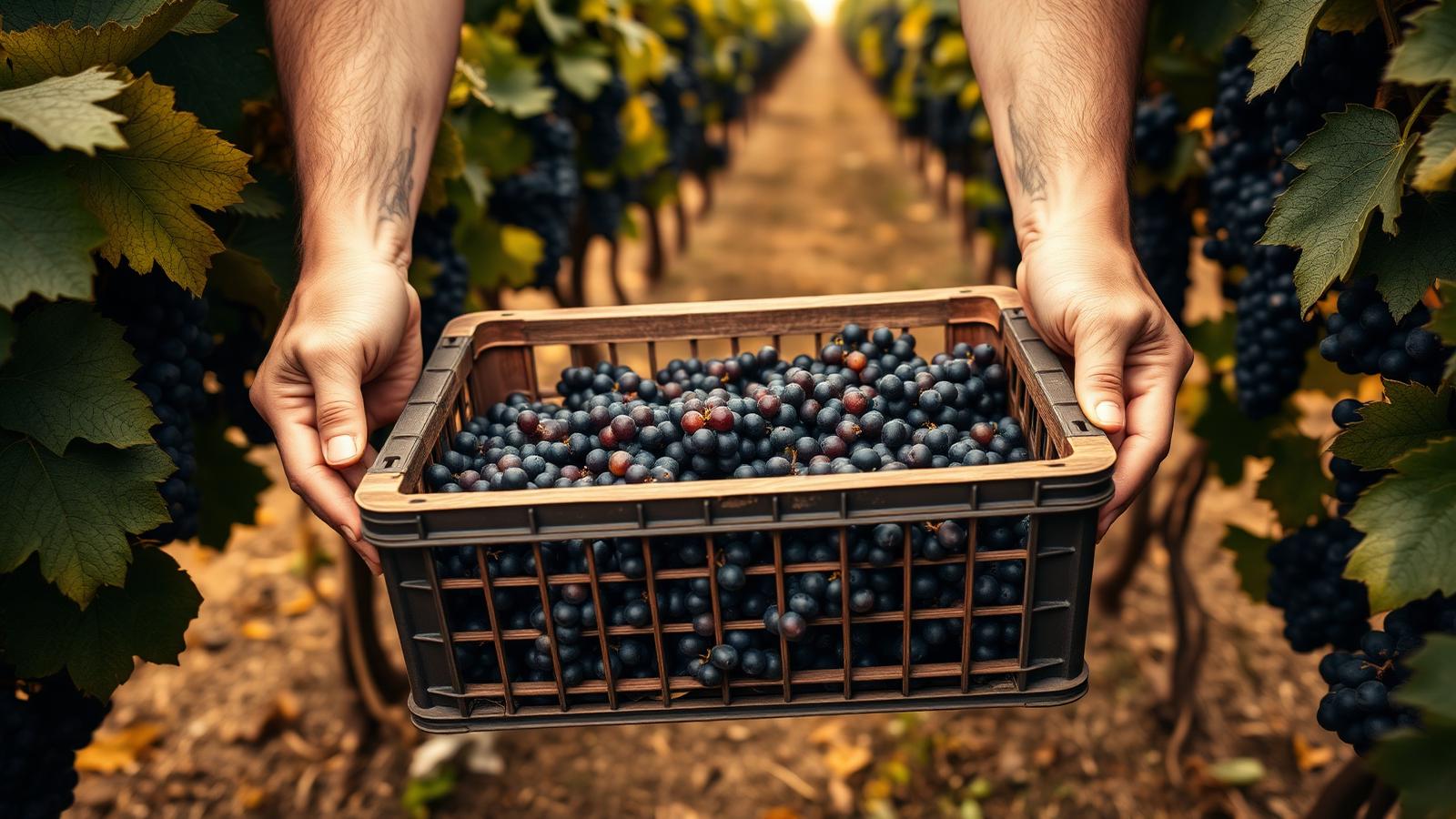
Transylvania proudly cherishes its native grape varieties, which thrive in this particular environment. , meaning 'White Maiden,' yields ethereal, floral white wines, often with notes of apricot and honey. Its sister, , or 'Royal Maiden,' offers a more robust character, blending citrus and green apple with a delightful freshness. Beyond these, the region cultivates aromatic Traminer and vibrant blends. These grapes are not merely cultivated; they are celebrated, their unique profiles offering a genuine taste of Transylvania's winemaking heritage and an authentic expression of the land.
Mountain-Kissed Terroir
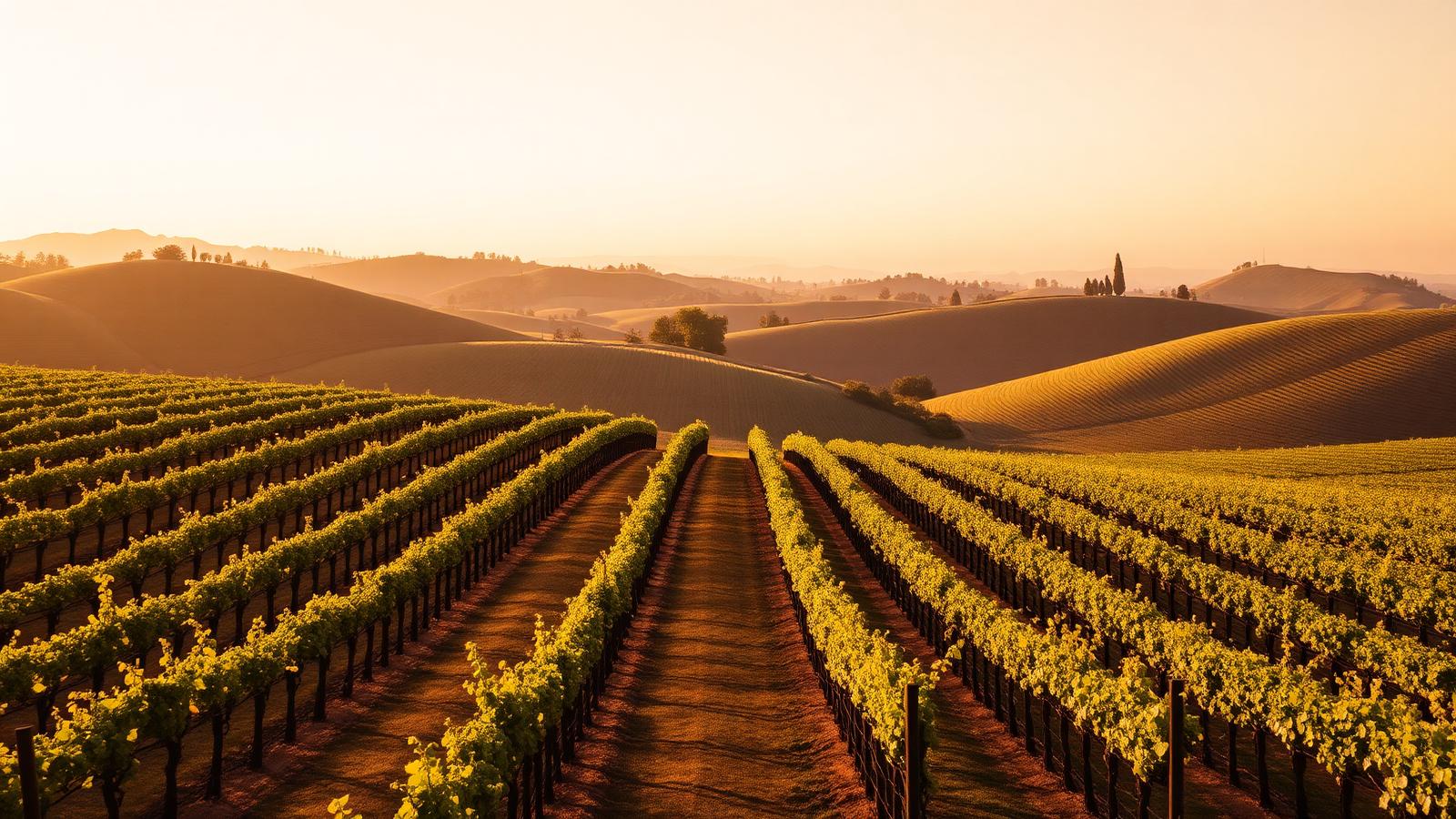
The striking Transylvanian landscape, dominated by the majestic Carpathians, gifts its vineyards a unique microclimate. High altitudes and significant diurnal temperature shifts—warm days followed by cool nights—allow grapes to ripen slowly, developing complex aromatics and maintaining a vibrant acidity. The varied soil types, from rich loess to mineral-laden volcanic traces, further contribute to the distinct personality of Transylvanian wines. These conditions favor grapes that excel in cooler climates, resulting in elegant, finely structured wines that speak of their mountain origins, embodying the fresh, crisp air of the highlands.
Getting to know Transylvania
What Transylvania tastes like
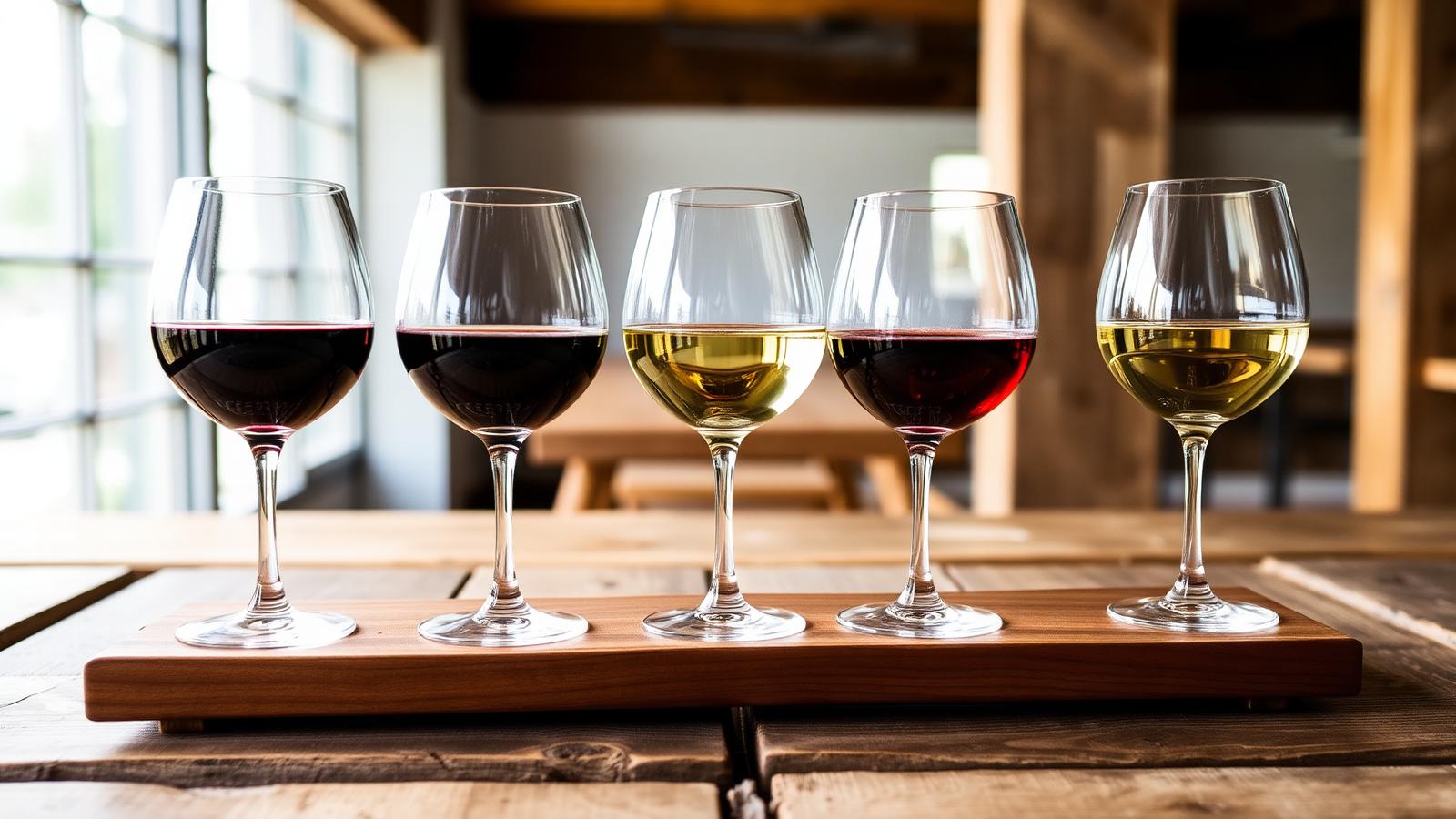
Wines from Transylvania tend to reflect the region's climate and terrain more than any single style. Look for a sense of place in the glass — mineral notes from stony soils, freshness where nights are cool, richer texture where the sun lingers longer. A short flight of local wines is the fastest way to feel the range.
Rhythms of the year
Transylvania moves with the seasons. Spring is quiet and green, summer brings long light and full terraces, harvest is intense and communal, and winter turns the vineyards into a stark, beautiful sculpture. Every season is a good reason to come — they just make very different trips.
Beyond the tasting room
Some of the most memorable moments in Transylvania happen away from the vines: a bakery in the next village over, a viewpoint at sunrise, a slow lunch that turns into a slow afternoon. Leave room in your itinerary for the things you can't plan.
Frequently asked questions
What is the best time of year to visit Transylvania for a wine tour?
The most enchanting times to visit Transylvania for its wines are late spring (May-June) and early autumn (September-October). In spring, the vineyards burst into vibrant green, and the air is fresh. Autumn, particularly September, offers the magic of harvest season, with bustling activity, festivals, and stunning fall foliage painting the landscape in warm hues. The weather is generally pleasant and mild during these periods, perfect for exploring the countryside and enjoying outdoor tastings without the intensity of summer heat or winter chill.
What is the typical infrastructure for wine tourism, and how should I plan to get around?
While Transylvania’s wine regions are developing, the infrastructure is charmingly, if sometimes sparsely, spread out. Many villages and areas with winemaking traditions are best accessed by car, allowing you the freedom to explore at your own pace and discover hidden gems. Public transport between specific vineyards can be limited. Consider hiring a car for flexibility, or you might find local operators who can arrange private transfers or guided excursions to various estates, often including historical sites and culinary stops to enrich your journey.
What kind of accommodation can I expect when visiting Transylvanian wine regions?
Accommodation in Transylvania's wine country often reflects the region's rustic charm and hospitality. You can expect to find lovely guesthouses (pensiuni) on family-run farms, charming boutique hotels in historic towns, or even renovated traditional Saxon houses that offer a unique cultural immersion. While luxury resorts are less common, the focus is on comfort, authenticity, and often, delicious home-cooked meals featuring local ingredients. Booking in advance, especially during peak seasons like harvest, is advisable to secure your preferred stay.
Beyond wine tasting, what other cultural experiences can I enjoy in Transylvania?
Transylvania offers a rich tapestry of experiences beyond its vineyards. Wander through medieval Saxon villages with their fortified churches, explore dramatic castles that stir the imagination, and discover the vibrant folklore and artisanal crafts that are still very much alive. The Carpathian mountains invite gentle hikes, connecting you with breathtaking natural beauty. Culinary experiences, from tasting local cheeses to hearty traditional dishes, are also central to the region's charm, all enjoyed at a wonderfully unhurried pace that encourages deep engagement with the local culture.