

East Slovak Wineries & Wine Tours
Sub-regions
Grapes of the Eastern Frontier
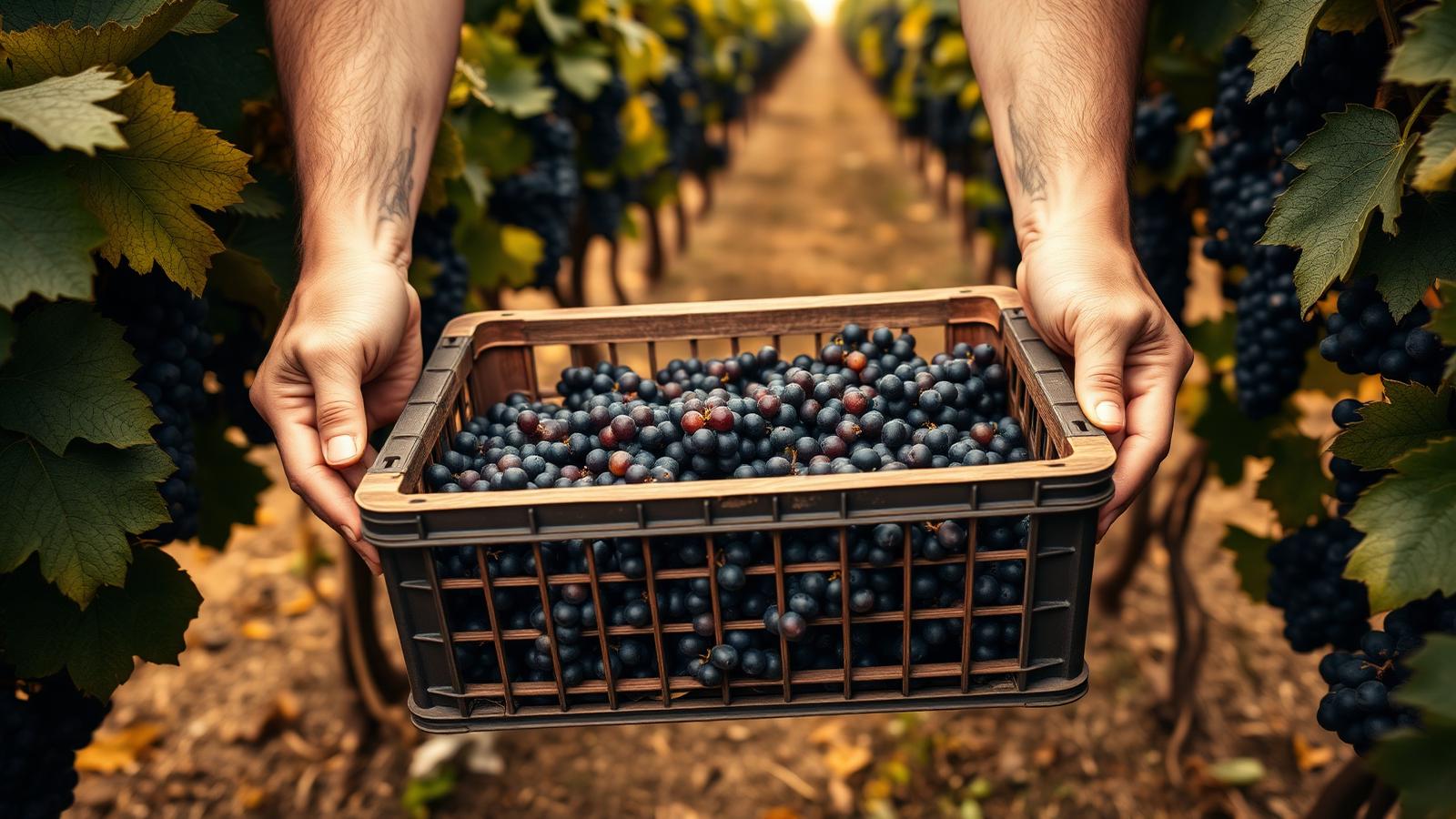
While global varieties find a home here, East Slovakia truly shines through its traditional grapes, particularly white varieties that resonate with the region's character. , Lipovina, and Yellow , sharing a heritage with the neighboring Tokaj region, are celebrated for their ability to craft wines with profound aromatics and a remarkable capacity for aging, often displaying notes of honey, apricot, and rich minerality. Beyond these, a spectrum of other white grapes flourish, yielding crisp, aromatic table wines that capture the freshness of the eastern Slovak landscape. These wines are often less overtly fruit-driven, favoring a nuanced expression of their unique .
Volcanic Echoes and Fertile Soils
The East Slovak wine region is cradled by geological forces that shaped its very character. Ancient volcanic activity has bequeathed a legacy of mineral-rich soils, particularly around the Tokaj area, imbuing the grapes with a distinctive minerality. Further north, the lands temper to a mix of loess and clay, providing a canvas for varieties that thrive in these varied conditions. This diverse foundation, coupled with elevation changes and proximity to natural forests, creates a complex network of microclimates, each subtly influencing the vines. The interplay of warm days and cool nights, often a feature of higher altitudes, allows for a slow, deliberate ripening, concentrating flavors and preserving a lively acidity.
Cuisine and Rustic Charm
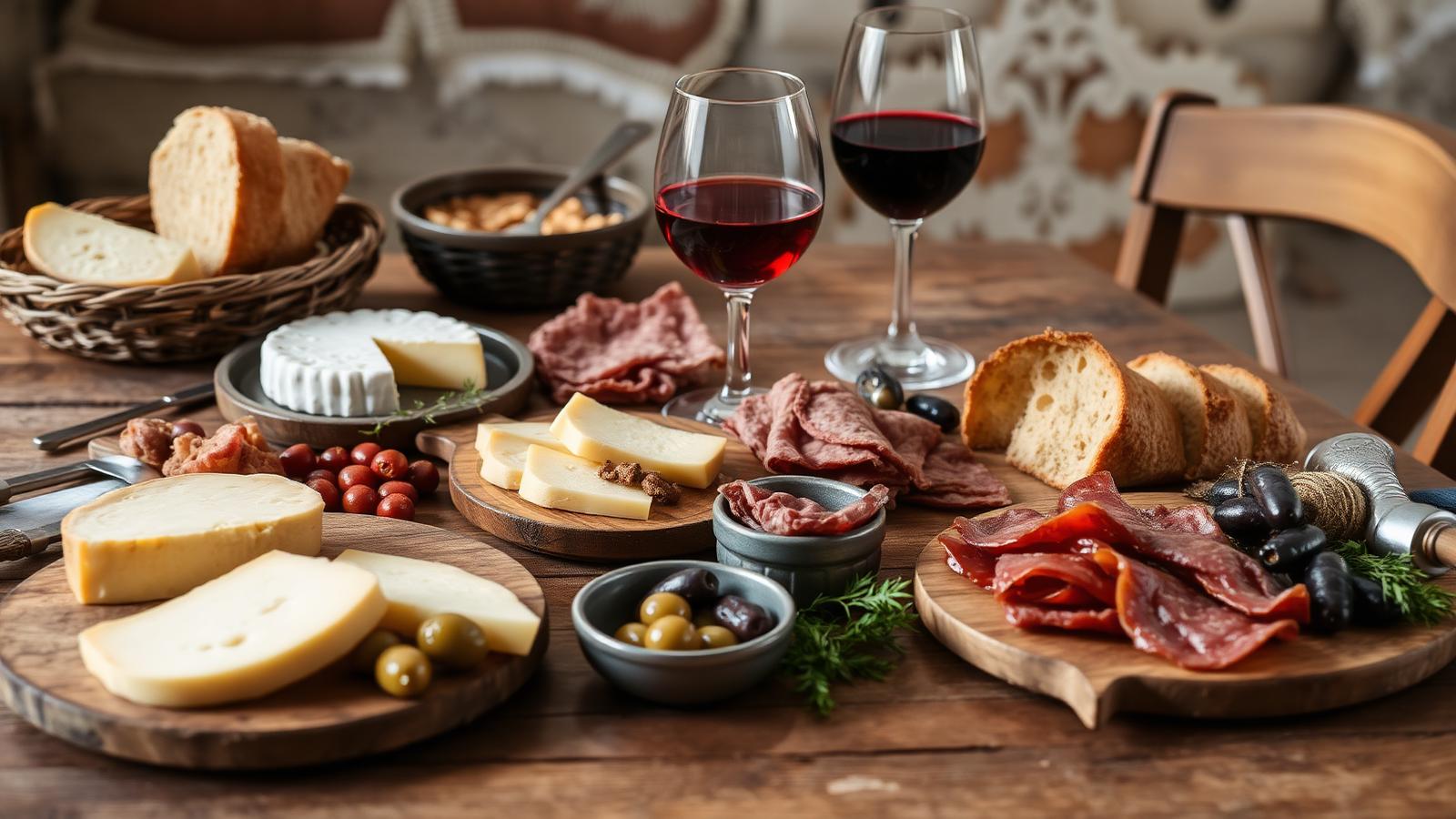
The culinary traditions of East Slovakia are as robust and heartwarming as its wines, reflecting a landscape that sustains both forest and farm. Dishes often feature hearty game, freshwater fish from crystal-clear streams, and an abundance of forest mushrooms and berries. The region’s culinary identity is defined by comforting stews, rich goulash, and potato-based specialties, often accompanied by local cheeses and freshly baked bread. Meals are unhurried affairs, meant to be savored with friends and family, perfectly complemented by a crisp regional white or a lighter red, creating a harmonious dialogue between the plate and the glass, echoing the peaceful pace of village life.
Getting to know East Slovak
What East Slovak tastes like
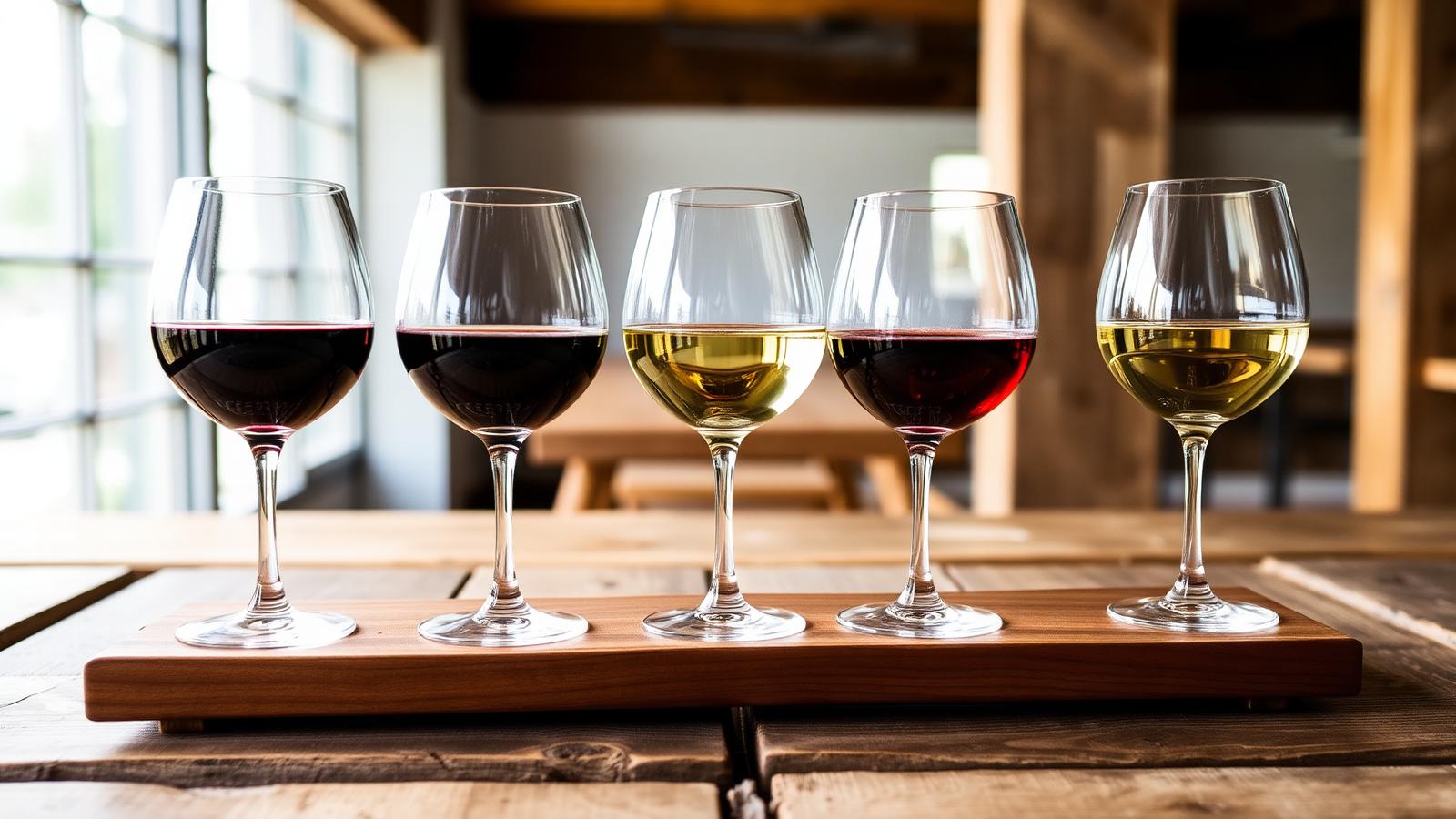
Wines from East Slovak tend to reflect the region's climate and terrain more than any single style. Look for a sense of place in the glass — mineral notes from stony soils, freshness where nights are cool, richer texture where the sun lingers longer. A short flight of local wines is the fastest way to feel the range.
Rhythms of the year
East Slovak moves with the seasons. Spring is quiet and green, summer brings long light and full terraces, harvest is intense and communal, and winter turns the vineyards into a stark, beautiful sculpture. Every season is a good reason to come — they just make very different trips.
Beyond the tasting room
Some of the most memorable moments in East Slovak happen away from the vines: a bakery in the next village over, a viewpoint at sunrise, a slow lunch that turns into a slow afternoon. Leave room in your itinerary for the things you can't plan.
Frequently asked questions
What is the best time of year to visit the East Slovak wine region?
For optimal weather and vineyard activity, late spring (May-June) or early autumn (September-October) are ideal. In spring, the vineyards are vibrant green, and the air is fresh, perfect for exploring. Autumn brings the excitement of harvest, festive local events, and beautiful fall colors across the landscape. The weather during these periods is generally pleasant for walking and outdoor touring, with milder temperatures than the peak summer months, allowing you to fully immerse yourself in the region's tranquil beauty.
How should I plan my transportation within the East Slovak wine region?
Given the rural nature of many vineyards and villages, renting a car offers the most flexibility for exploring the East Slovak wine region at your own pace. This allows you to discover hidden gems and scenic routes off the main roads. Alternatively, consider arranging private transfers or engaging a local guide who can navigate the area and provide insights into the region's unique offerings. Public transport can be limited between smaller villages, so planning ahead is key to a smooth and enjoyable experience.
Are there many accommodation options within the vineyards themselves?
While dedicated vineyard accommodations are less common than in some larger wine regions, you will find charming guesthouses and family-run pensions in the main wine-producing villages. These often offer a truly authentic experience, providing insights into local life and cuisine. Consider looking for agritourism stays or smaller, independent hotels in the heart of the wine country. Booking in advance, especially during peak season, is advisable to secure your preferred lodging and ensure a comfortable stay amidst the serene landscape.
What local customs or etiquette should I be aware of when visiting wineries?
When visiting local establishments, a warm greeting like 'Dobrý deň' (Good day) is always appreciated. It's customary to offer a toast when sharing wine, often with a simple 'Na zdravie!' (To your health!). While many vineyard hosts are hospitable and welcoming, it's polite to inquire before wandering through vineyards or entering private areas. Showing respect for the traditions and the quiet pace of life in the villages will enhance your experience and foster genuine connections with the local community during your wine journey.