

South Slovak Wineries & Wine Tours
Sub-regions
The Pannonian Influence
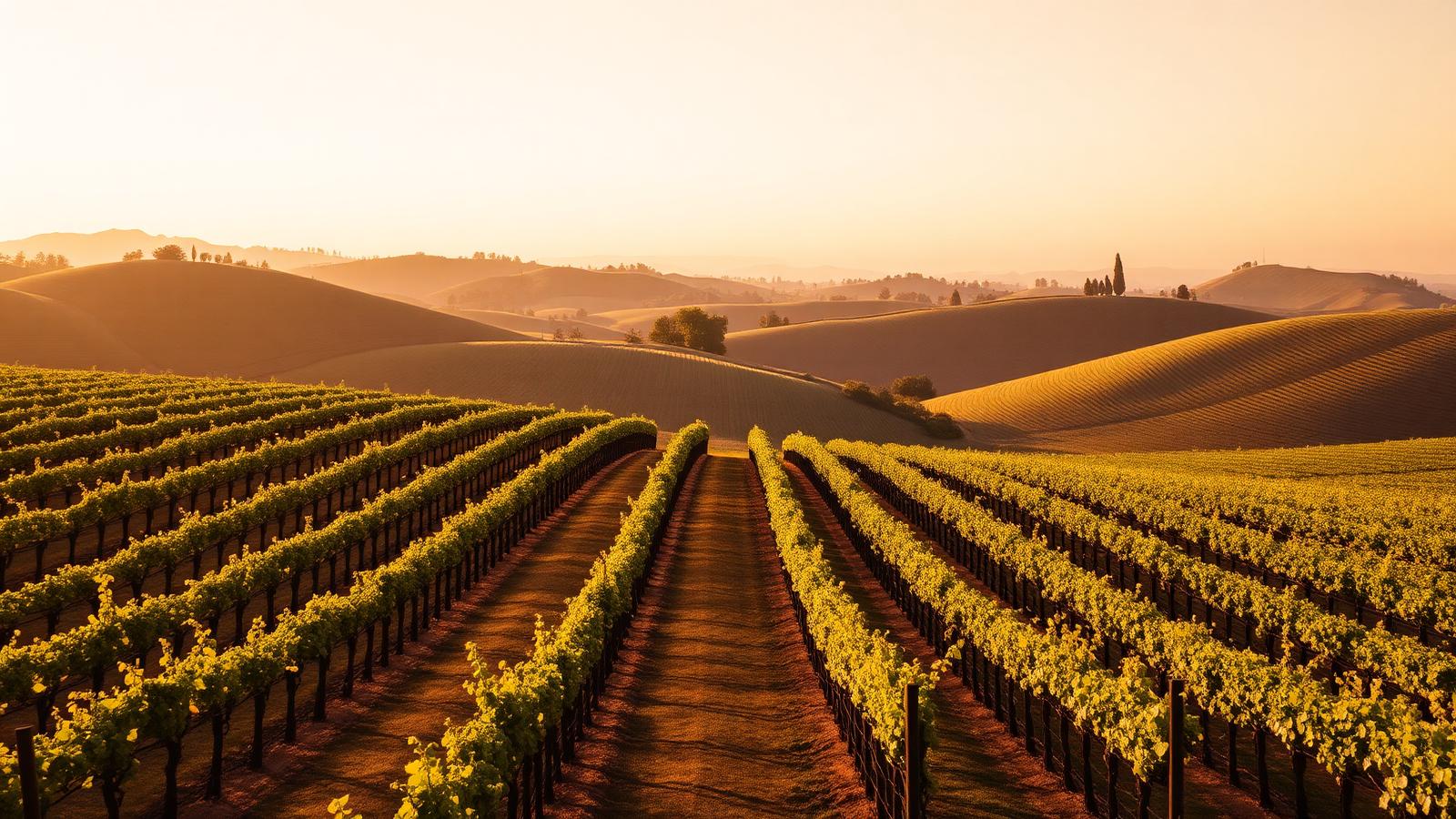
The heart of South Slovakia's viticultural identity lies in its unique microclimate, heavily influenced by the vast Pannonian Basin. This geological gift orchestrates warm, dry summers and mild autumns, creating ideal conditions for grapes to ripen slowly and fully. This extended maturation period concentrates flavors and aromas, lending both depth and complexity to the wines. The fertile, often loess-rich soils, sometimes touched by volcanic remnants, contribute distinct mineral nuances, particularly noticeable in the region's aromatic whites. It's a climate that whispers of sun-drenched vineyards and guarantees harvests of exceptional balance and character, year after year, shaping the very soul of the wines produced here.
Grapes of the South
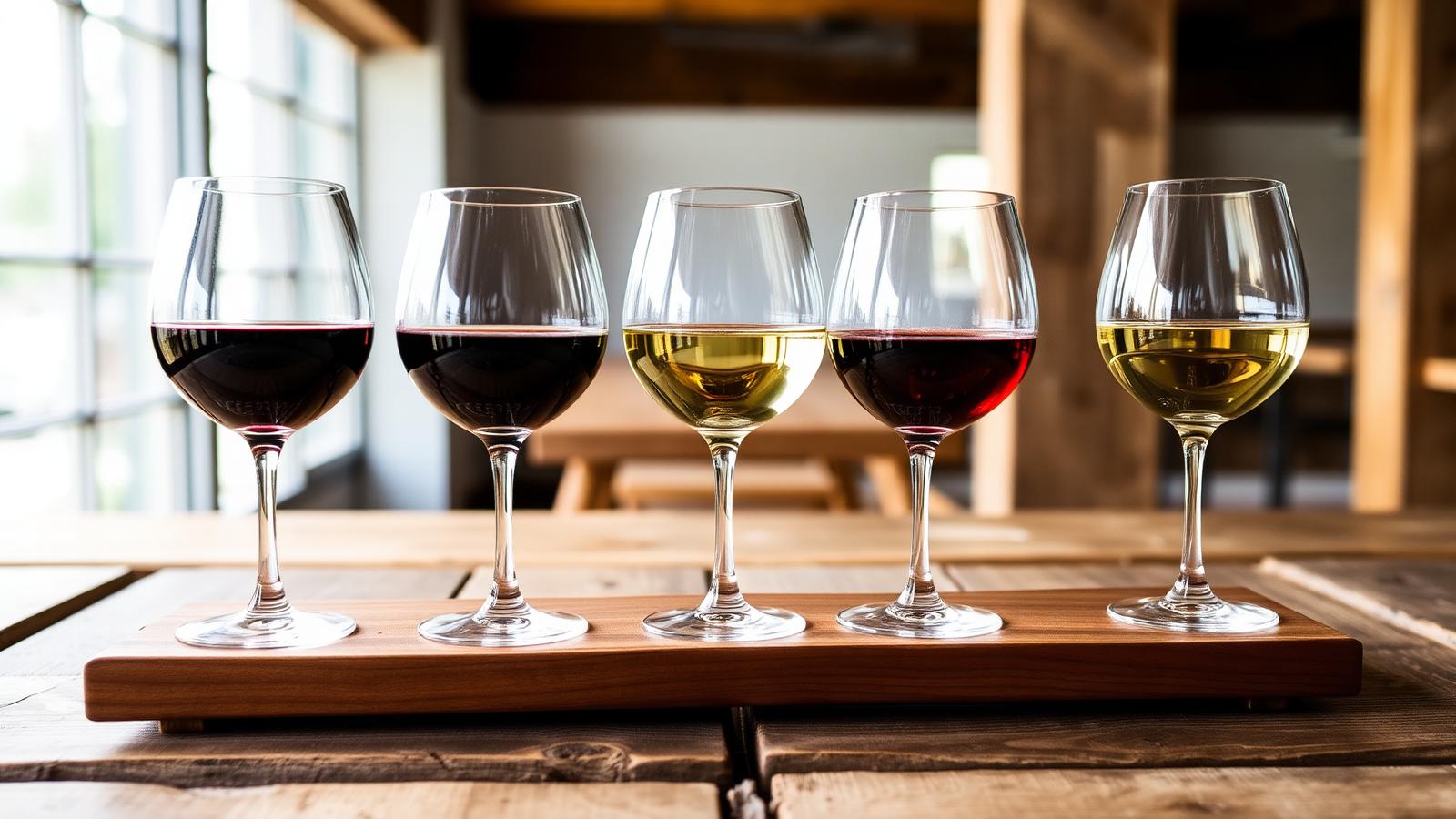
While a variety of grapes thrive here, South Slovakia is particularly noted for its embrace of both international and indigenous varietals, each contributing to its rich wine tapestry. Red grapes like Frankovka Modrá () flourish, yielding full-bodied wines with vibrant acidity and spicy undertones that reflect the warmth of the region. Among whites, the finds a comfortable home, offering refreshing sips, often with a delicate aromatic profile. However, it's the regional specialties, perhaps a local blend or a grape that has adapted uniquely to the Pannonian climate over generations, that truly tell the story of this specific , offering a taste experience that is uniquely South Slovak.
Culinary Pairings
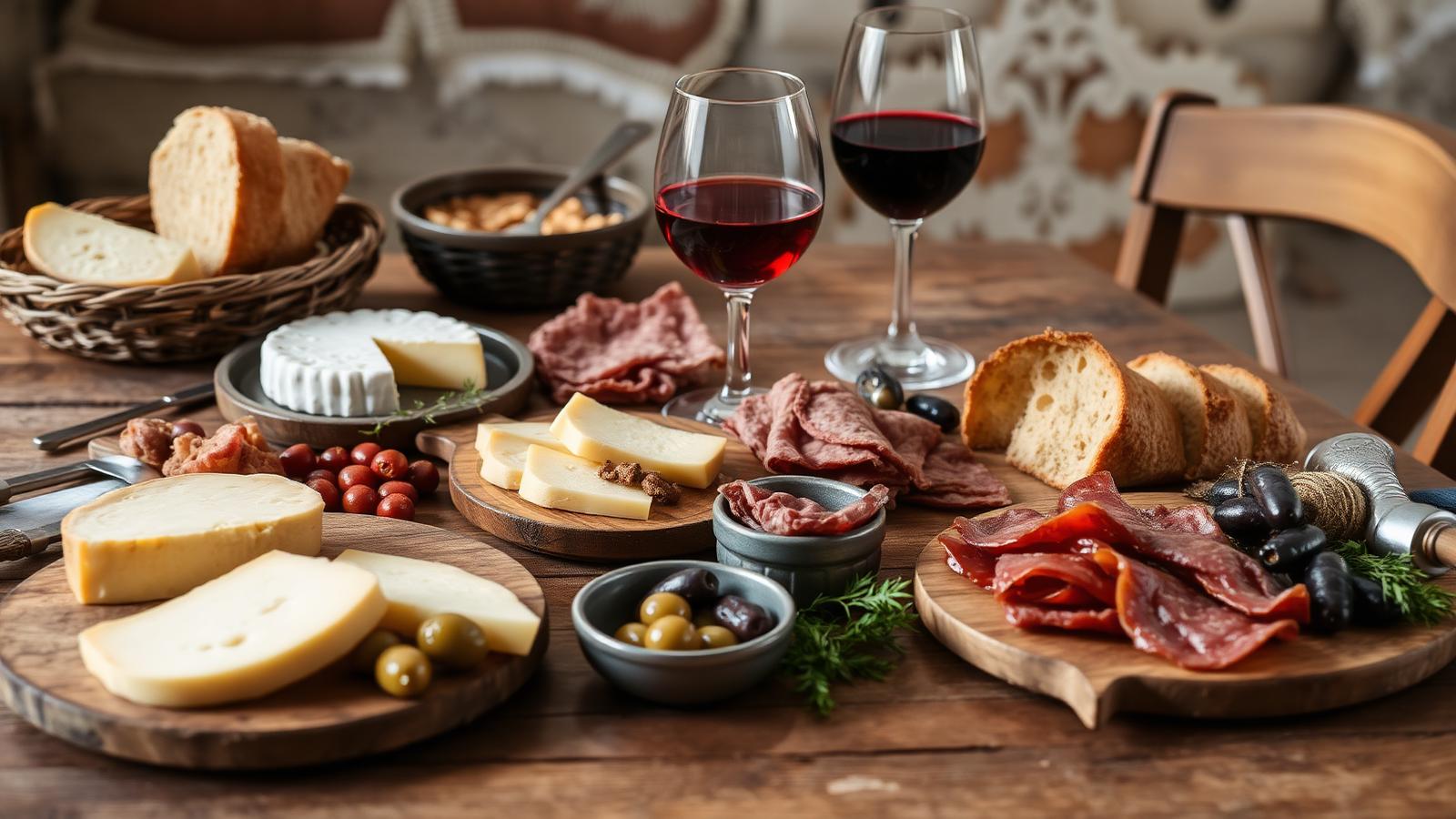
The cuisine of South Slovakia is a hearty and welcoming affair, perfectly complementing the region's wines. Expect robust dishes featuring freshwater fish from the Danube's tributaries, often pan-fried with delicate herbs or paprikash-style, which pair beautifully with crisp, dry white wines or light-bodied reds. Poultry and pork are staples, prepared in richly flavored stews or roasted with root vegetables, finding their match in the more substantial Frankovka Modrá. Local cheeses, often made from sheep or goat's milk, offer tangy counterparts to aromatic whites. Lunches here are unhurried, reflecting a pace of life that encourages lingering over good food and even better wine, celebrating the bounty of the land.
Getting to know South Slovak
What South Slovak tastes like
Wines from South Slovak tend to reflect the region's climate and terrain more than any single style. Look for a sense of place in the glass — mineral notes from stony soils, freshness where nights are cool, richer texture where the sun lingers longer. A short flight of local wines is the fastest way to feel the range.
Rhythms of the year
South Slovak moves with the seasons. Spring is quiet and green, summer brings long light and full terraces, harvest is intense and communal, and winter turns the vineyards into a stark, beautiful sculpture. Every season is a good reason to come — they just make very different trips.
Beyond the tasting room
Some of the most memorable moments in South Slovak happen away from the vines: a bakery in the next village over, a viewpoint at sunrise, a slow lunch that turns into a slow afternoon. Leave room in your itinerary for the things you can't plan.
Frequently asked questions
What is the best time of year to visit South Slovak wine country for a tasting experience?
The ideal time to explore South Slovak wine country is during late spring, from May to early June, when the vineyards are lush and green, and the weather is pleasantly warm, perfect for outdoor tastings. Alternatively, the harvest season in late September and early October offers an exhilarating atmosphere, allowing you to witness the winemaking process firsthand. During this time, many local celebrations and festivals are centered around the grape harvest, offering a deeper immersion into the local culture. Summer months are also lovely, but can be quite warm, so prioritize early morning or late afternoon visits.
How should I plan my itinerary to experience the region's wines and culture?
For an immersive experience, consider dedicating at least three to four days. Focus on one or two sub-regions to truly appreciate their distinct styles rather than trying to cover too much ground. Many small villages have family-run cellars that welcome visitors, often by appointment, offering a personalized touch. Combine wine exploration with visits to local historical sites, strolls through charming villages, and indulging in regional cuisine at local tavernas. Renting a car provides the most flexibility for exploring the rolling countryside and less accessible vineyard routes at your own leisurely pace.
What are the typical amenities and tasting experiences offered by cellars in South Slovakia?
Cellars in South Slovakia, particularly the smaller, family-owned ones, offer a wonderfully authentic and often intimate tasting experience. You can expect to taste a range of the region's wines, often directly with the winemaker or a family member, who might share stories of their traditions and . Many places will offer simple, traditional snacks like local cheeses, cured meats, or fresh bread to accompany the wines. While elaborate restaurants are less common directly within the cellars, you'll still find comfortable tasting rooms and, in warmer months, pleasant outdoor seating overlooking the vineyards. It's a charmingly personal approach to wine tourism.
Are there any specific cultural or historical aspects I should be aware of when visiting?
South Slovakia carries a rich tapestry of history, influenced by various cultures over centuries. This heritage is often reflected in the architecture of its villages, ancient castles, and even the local culinary traditions. The region has strong ties to Hungarian culture due to its proximity and shared history, which you might notice in local dialects, traditions, and cuisine – adding another fascinating layer to your visit. Showing interest in these local customs and history, even simply by trying a few local phrases, will be genuinely appreciated and can enrich your experience significantly, fostering a deeper connection with the place and its people.