

Wineries & Wine Tours in South Africa
Regions
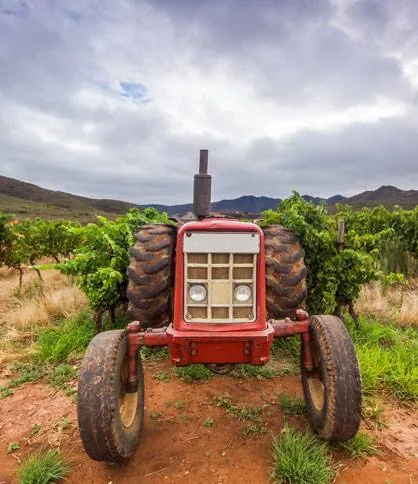
South Africa beckons, a land where two mighty oceans converge and ancient mountains rise from sun-drenched plains. Here, viticulture is not merely agriculture; it is a tapestry woven into the very fabric of the landscape, a story told in the vibrant hues of and the crisp, lingering notes of . Journey through valleys where gabled Dutch architecture whispers tales of centuries past, and the air carries the scent of fynbos and ripening grapes.
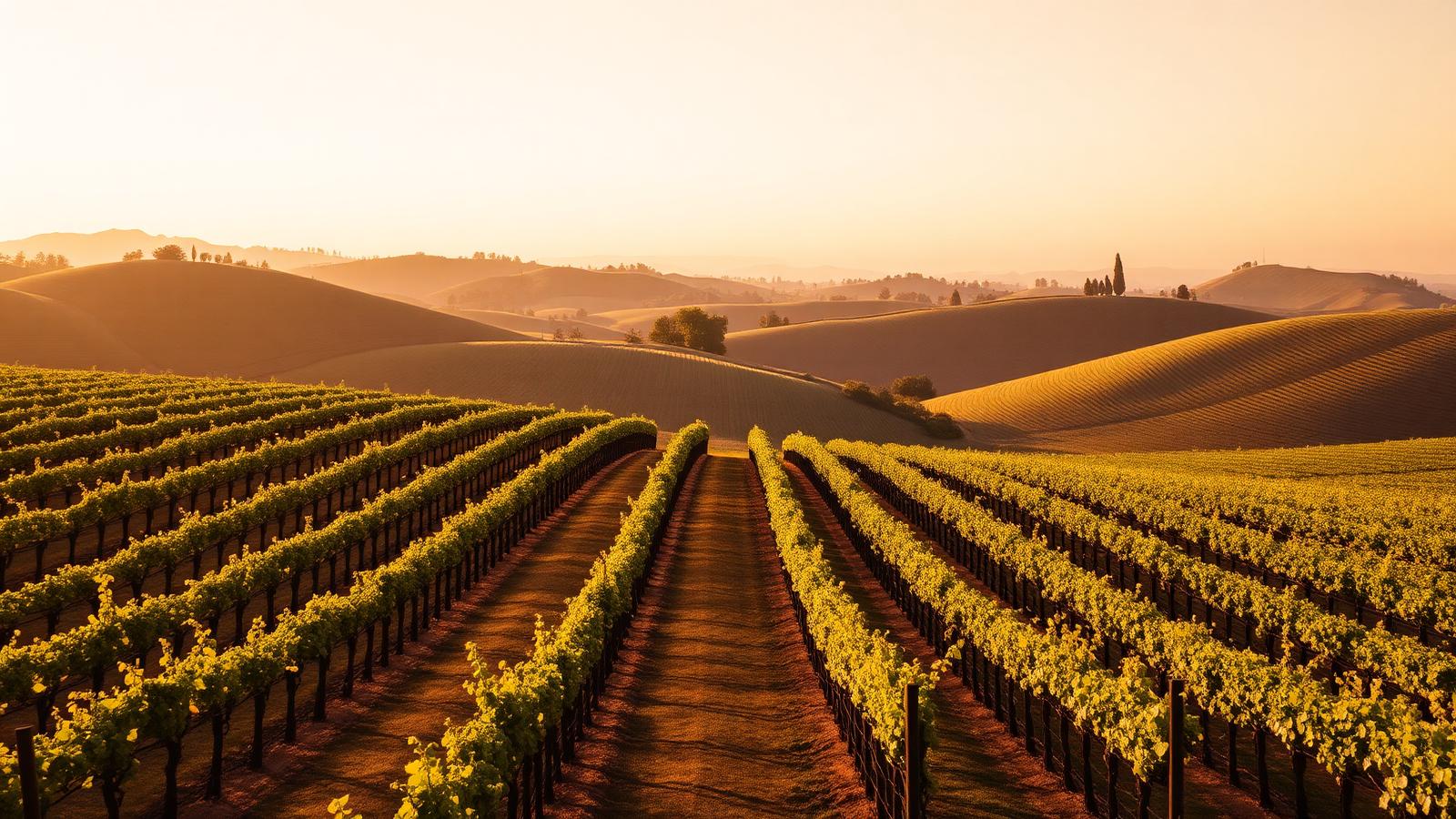
Imagine mornings painted in gold, as the sun climbs over ranges that guard verdant vineyards, giving way to days spent tracing the contours of the land, discovering pockets of unexpected beauty. The cooling Atlantic breeze, known as the Cape Doctor, breathes life into vines, finessing the character of each cluster. This is a place where every sip is a communion with the earth, a reflection of unique shaped by diverse soils, microclimates, and a pioneering spirit.
To travel here is to embrace a rhythm attuned to nature – the quiet hum of vineyard life, the convivial clink of glasses around a shared meal, the profound sense of connection to a heritage rich in both challenge and triumph. It’s an invitation to slow down, to savour, and to be utterly captivated by a wine journey unlike any other on the African continent.
Mountain Vistas & Coastal Breezes
The dramatic Cape Fold Mountains stand as silent sentinels, carving out diverse valleys and protecting vineyards from harsh winds, while simultaneously funneling in vital ocean air. From the verdant slopes overlooking False Bay to the rugged, arid beauty further inland, the landscape is a patchwork of microclimates. Grapes ripen under a generous sun, yet often benefit from the cooling influence of the Atlantic and Indian Oceans, resulting in wines of remarkable balance and intensity, speaking of both power and elegance. This interplay of towering peaks and maritime touch defines the very essence of the region’s viticultural soul.
The Rhythm of the Seasons
The southern hemisphere's seasons dictate the pulse of the wine lands. Summer brings long, sun-drenched days, leading to the joyous bustle of harvest from February to April, when grapes are meticulously hand-picked in the cool early mornings. Autumn paints the vineyards in fiery hues of crimson and gold, offering crisp air perfect for exploring cellar doors. Winter descends with gentle rains, nourishing the dormant vines and providing a serene backdrop for intimate fireside tastings. Spring bursts forth in vibrant green, a promise of new life, setting the stage for another cycle. Each season offers a unique lens through which to experience the region's timeless beauty and winemaking artistry.
What makes a trip here special
A landscape shaped by the vine
Vineyards in South Africa follow the geography — rivers, ridgelines, coastlines, and altitude all leave their fingerprints on the wine. Driving between regions is often as memorable as the tastings themselves.
Food that grew up next to the wine
The best pairings for South Africa's wines are almost always the dishes that grew up alongside them. Local markets, family-run restaurants, and roadside stops turn a wine trip into a full sensory tour of the country.
A calendar worth planning around
Harvest, pruning, spring flowering, and long lazy summers each give South Africa's wine regions a completely different mood. Choosing when you visit is almost as important as choosing where.
Frequently asked questions
What is the best time of year to visit the South African wine regions?
The Cape wine regions offer distinct charms throughout the year. For vibrant vineyard activity and warm, sunny weather, late summer to early autumn (February to April) is ideal, coinciding with the grape harvest. Spring (September to November) offers lush green landscapes and pleasant temperatures. If you prefer cooler, quieter visits with fewer crowds and cozy cellar experiences, winter (June to August) can be wonderfully atmospheric, often with clear, crisp days between gentle rains. Each season reveals a different facet of the region’s beauty.
What is the typical duration for a first-time wine trip to South Africa?
For a meaningful first-time exploration, we recommend at least 5 to 7 days purely dedicated to the wine regions, after your arrival in the broader Cape area. This allows ample time to immerse yourself in a few distinct valleys, experience the diverse landscapes, enjoy leisurely tastings, and savour the local cuisine without feeling rushed. Extending your stay allows for deeper dives into specific styles or even a visit to the more outlying, lesser-known appellations, truly embracing the unhurried pace of the winelands.
What local dishes should I try that pair well with South African wines?
South African cuisine offers a delightful array for wine pairing. Seek out traditional 'braai' (barbecue) for robust reds like or . The fragrant spices of Cape Malay curries find excellent harmony with aromatic white blends or a lightly oaked . Fresh seafood, abundant along the coast, is a natural companion for crisp Sauvignon Blancs and unoaked Chardonnays. Don't miss sampling local artisanal cheeses, biltong (cured meat), and bobotie, often paired with versatile, fruit-forward wines that showcase the region's culinary heritage.
Is it easy to navigate between the different wine regions, and what transport options are best?
Navigating between the main wine regions of the Western Cape is generally straightforward. Renting a car offers the most flexibility, allowing you to explore at your own pace and discover hidden gems. However, if you prefer not to drive, many reputable tour operators offer guided excursions, ranging from small group tours to private bespoke itineraries, ensuring you can relax and fully enjoy the tastings. Alternatively, rideshare services are available in some areas, and wine farm shuttle services or local taxis can also be arranged, especially between towns.