

Coastal Wineries & Wine Tours
Sub-regions
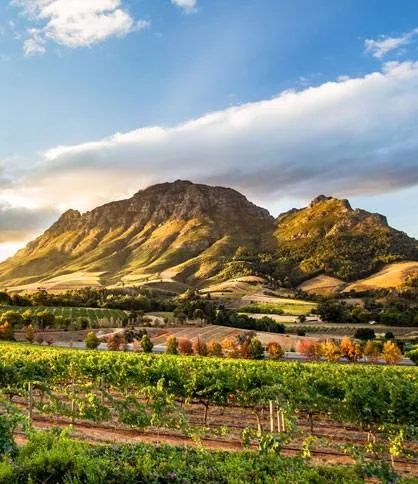
Signature Senses and Styles
This region is celebrated for its powerful and refined red wines, particularly its rich and spicy , which often display notes of dark fruit, fynbos, and a touch of tell-tale minerality. However, the cool-climate pockets also yield exceptional white wines. Expect crisp, aromatic Sauvignon Blancs that dance on the palate with notes of green fig and passionfruit, alongside elegant Chardonnays, sometimes oak-kissed, that offer complexity and a creamy texture. The region also produces distinctive , showcasing its versatility from vibrant and fresh to richly textured and age-worthy, a true reflection of the land's bounty.

Terroir and Climate's Embrace
The Coastal Region's defining feature is its diverse and dramatic topography, where rugged mountains meet a maritime influence. Cooling Atlantic breezes temper the warm South African sun, extending the ripening period and allowing grapes to develop complex flavours and elegant acidity. This unique interaction of sun and ocean, combined with a mosaic of ancient soils ranging from granite to shale, creates an ideal environment for a wide array of grape varietals. The nuances harvested from these varied sites contribute to wines of remarkable depth and character, expressing the very soul of this sun-drenched, ocean-kissed landscape.
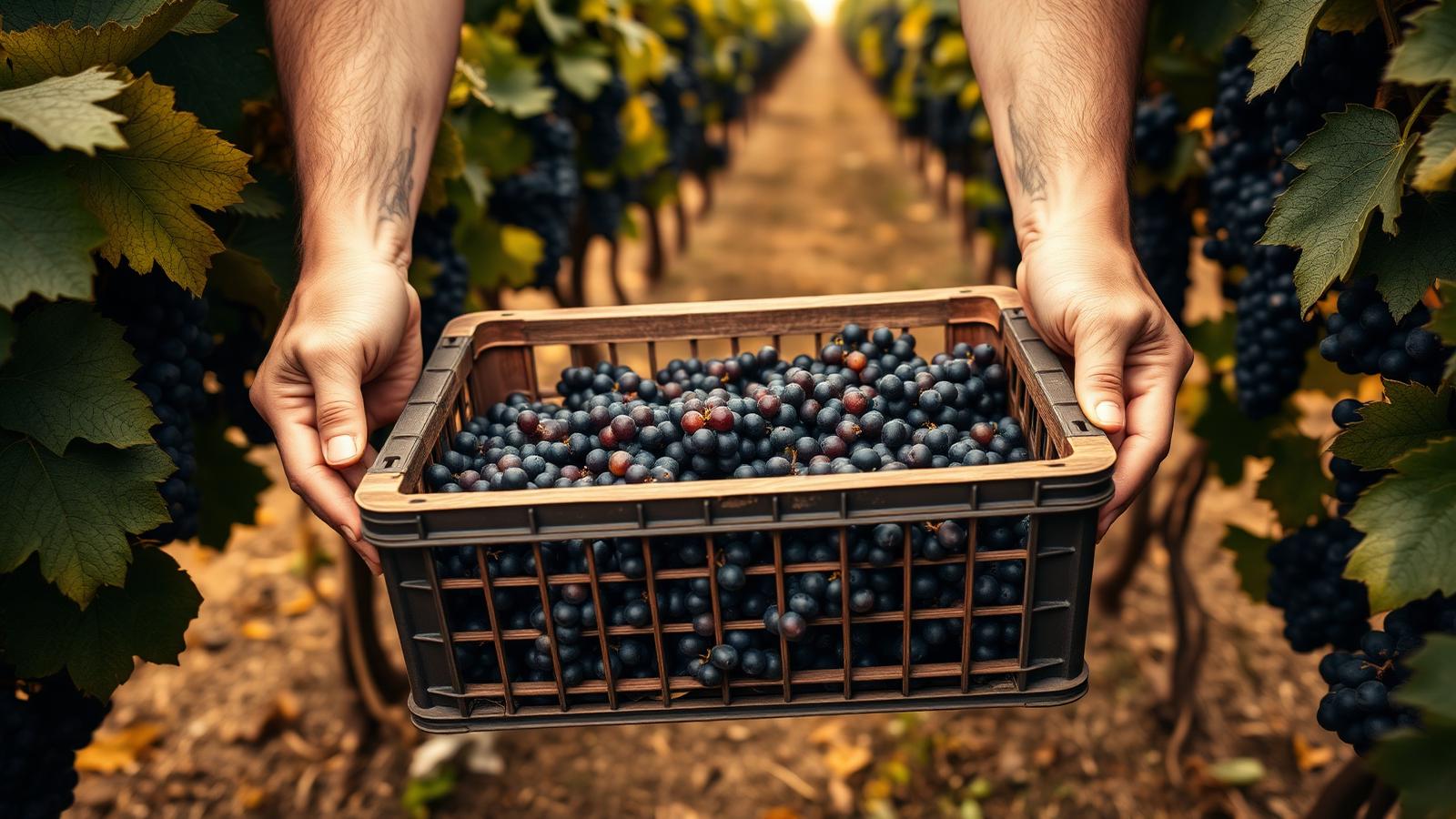
Villages, Cuisine, and Pace
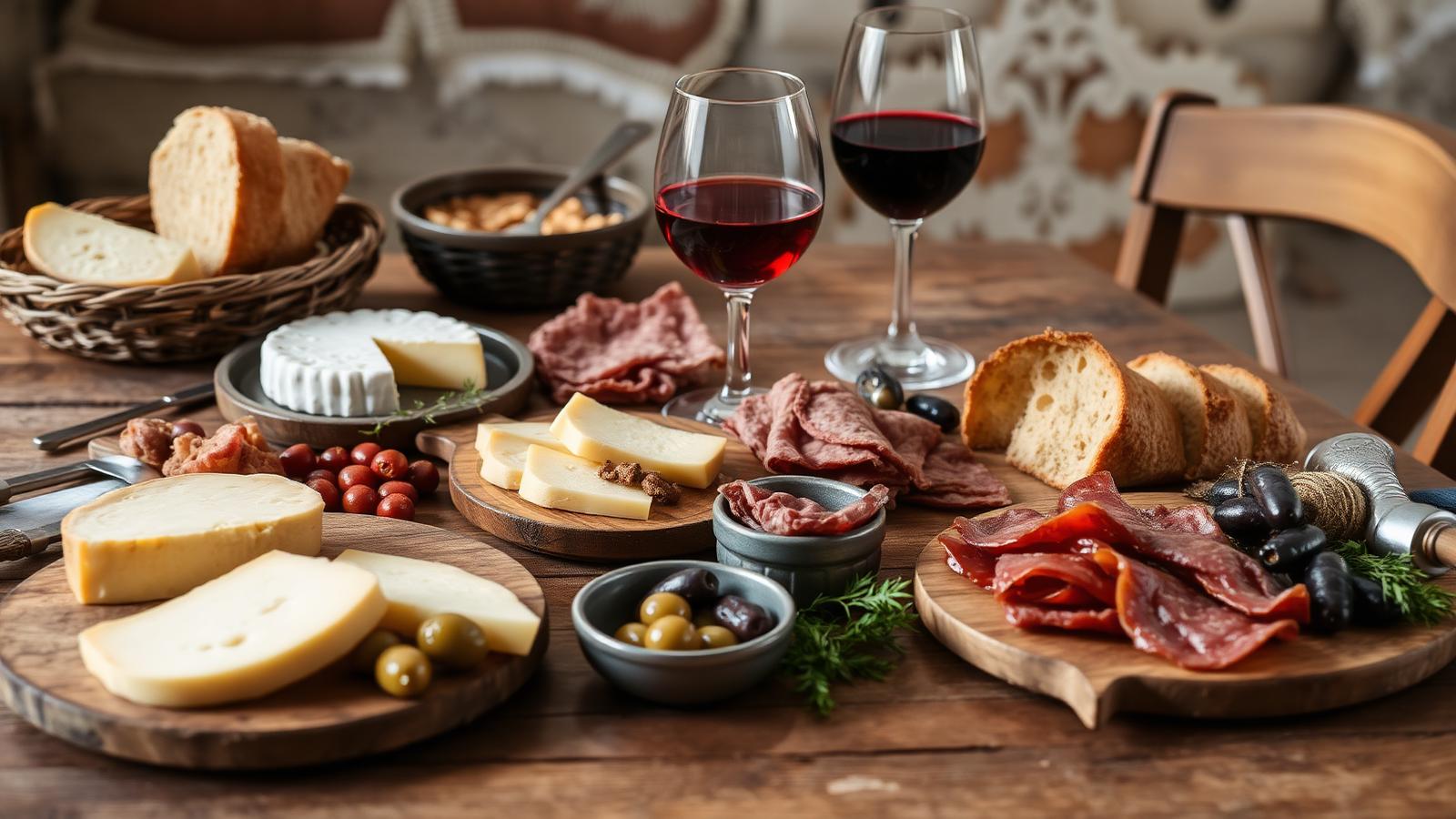
Beyond the vineyards, the Coastal Region beckons with charming towns adorned with Cape Dutch architecture and tree-lined streets. Life here unfolds at a leisurely pace, inviting visitors to linger over long lunches at shaded pavement cafes or explore bustling local markets. The cuisine is a delightful fusion, borrowing from Dutch, French Huguenot, and Cape Malay influences. Savour aromatic curries, tender grilled meats, and freshly caught seafood, all thoughtfully paired with the region's diverse wines. Each meal becomes a celebration, a testament to the community's joyous appreciation for food, fellowship, and the fruit of the vine.
Getting to know Coastal
What Coastal tastes like
Wines from Coastal tend to reflect the region's climate and terrain more than any single style. Look for a sense of place in the glass — mineral notes from stony soils, freshness where nights are cool, richer texture where the sun lingers longer. A short flight of local wines is the fastest way to feel the range.
Rhythms of the year
Coastal moves with the seasons. Spring is quiet and green, summer brings long light and full terraces, harvest is intense and communal, and winter turns the vineyards into a stark, beautiful sculpture. Every season is a good reason to come — they just make very different trips.
Beyond the tasting room
Some of the most memorable moments in Coastal happen away from the vines: a bakery in the next village over, a viewpoint at sunrise, a slow lunch that turns into a slow afternoon. Leave room in your itinerary for the things you can't plan.
Frequently asked questions
When is the best time to visit the Coastal Wine Region for a wine tour?
The peak season for visiting is generally from late spring to early autumn (September to April). During these months, the weather is beautifully warm and sunny, perfect for enjoying outdoor tastings and vineyard strolls. Harvest season, typically February and March, offers an exciting buzz of activity in the cellars. If you prefer a quieter experience and cooler temperatures, the shoulder seasons of spring and autumn provide pleasant conditions and often fewer crowds, allowing for a more intimate exploration of the region and its offerings.
What are the common transportation options for exploring the wine estates?
While some estates are close to charming towns, having your own vehicle offers the most flexibility to explore the wider region at your own pace. Alternatively, many reputable tour operators offer guided excursions, often including transportation, which can be a relaxing way to experience multiple stops without worrying about directions. Taxis and ride-sharing services are available in larger towns, but their availability can be limited in more rural vineyard settings, so planning ahead is always advisable for seamless travel between locations.
Are reservations usually required for tastings or tours at the estates?
While some smaller or less frequented estates might accommodate walk-ins, it is highly recommended to make reservations, especially if you plan to visit popular estates, have a specific tasting experience in mind, or are travelling during peak season or on weekends. Many establishments offer unique food and wine pairings or cellar tours that often require advance booking. Checking each estate's website or contacting them directly a few weeks before your visit will ensure you secure your desired experiences and avoid any potential disappointment upon arrival.
What kind of attire should I pack for visiting the wine region?
Comfortable, layered clothing is ideal for exploring the Coastal Region. Days can be warm and sunny, so light fabrics, a hat, and sunscreen are essential. Evenings can bring cooler ocean breezes, particularly in certain areas, so a light jacket or sweater is a wise addition. For vineyard walks, comfortable shoes are a must. Many estates offer lovely dining experiences, so a smart-casual ensemble would be appropriate for evening meals. Generally, the dress code is relaxed but with an air of understated elegance that complements the sophisticated yet unpretentious atmosphere.